.webp&w=384&q=75)

Loading, please wait...
Loading, please wait...
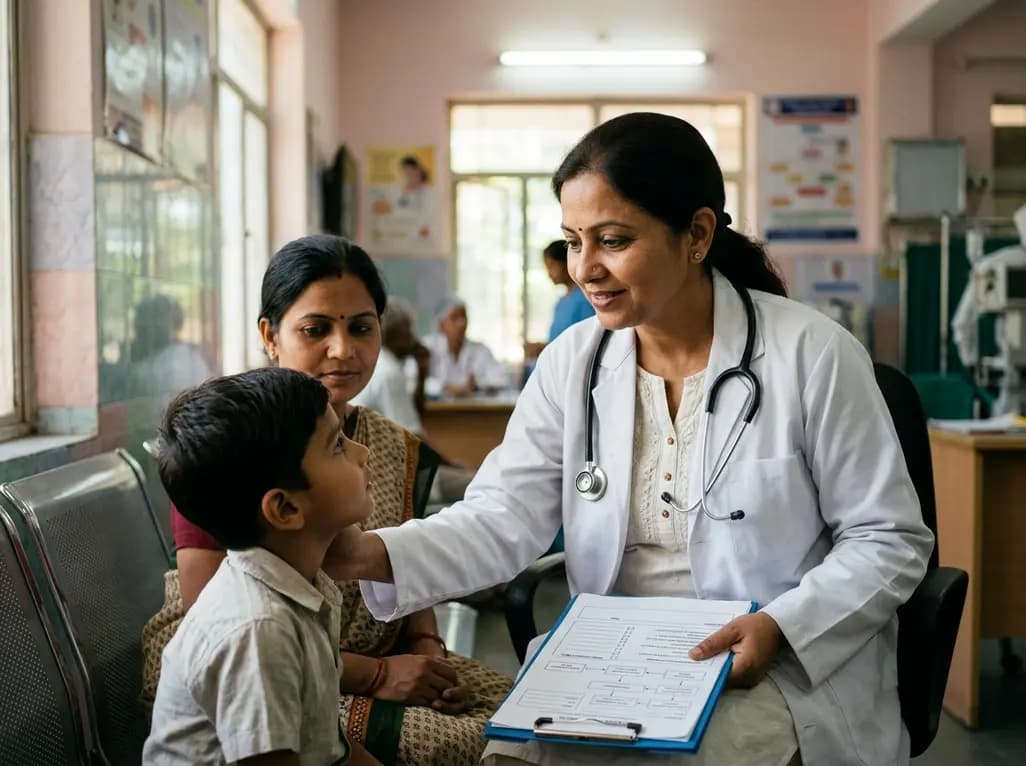
Child protection reporting protocols serve as a critical safety net for vulnerable minors in healthcare settings. Healthcare professionals (HCPs) often act as the first point of contact for victims of physical and sexual abuse. However, a recent scoping review evaluating English-speaking African nations reveals significant gaps in current reporting processes. These findings underscore the urgent need for trauma-informed, multidisciplinary intervention strategies to protect children effectively.
The scoping review analyzed twelve peer-reviewed studies to map the patterns of child maltreatment reporting. Specifically, the data showed that sexual abuse (41.6%) and physical abuse (33.3%) were the most common reasons for hospital-based reports. Although legislation like the Child Rights Act exists, documented reporting rates to the police varied drastically from 6.7% to 69%. This inconsistency suggests that legislative presence alone does not guarantee clinical compliance or child safety.
Researchers identified several systemic and sociocultural obstacles that hinder the reporting process. Systemic fragmentation and poor inter-agency collaboration often leave HCPs unsure of their specific roles. Additionally, social stigma and a lack of forensic training contribute to low follow-up rates, which can drop as low as 0% in some regions. Without clear guidelines, many clinicians hesitate to report suspected cases due to fear of legal repercussions or community backlash.
To overcome these challenges, the review suggests several pathways for improvement. Therefore, hospitals should implement standardized, WHO-aligned hospital protocols to guide clinicians through the identification and reporting stages. Furthermore, mandatory training in forensic and psychosocial assessment is essential for all healthcare providers. Consequently, these measures can improve the accuracy of reports and ensure survivors receive the necessary legal and medical support.
Multidisciplinary collaboration remains the cornerstone of successful child protection. Integrating trauma-informed care into daily practice helps clinicians address the immediate and long-term needs of abuse survivors. Similarly, community-based anti-stigma initiatives can create a more supportive environment for reporting. Future research must continue to prioritize the perspectives of survivors and address the specific needs of male victims to ensure comprehensive coverage.
Key barriers include systemic fragmentation, sociocultural stigma, lack of inter-agency coordination, and a significant deficiency in forensic training among healthcare professionals.
Standardized protocols provide clear, step-by-step guidance for identifying and reporting abuse. This reduces role ambiguity for clinicians and ensures that every case follows a mandatory, evidence-based pathway for legal and medical follow-up.
Multidisciplinary training equips providers with both medical and psychosocial skills. This approach ensures that child survivors receive holistic care that addresses physical injuries, mental health, and legal protections simultaneously.
Disclaimer: This content is for informational and educational purposes only. It is not intended to be a substitute for professional medical advice, diagnosis, or treatment. Refer to the latest local and national guidelines for clinical practice.
References
1. Roarty S et al. Exploring child protection reporting in English-speaking countries in Africa: A scoping review. J Pediatr Nurs. 2026 Jun 05. doi: undefined. PMID: 42247716.
2. World Health Organization. Child maltreatment: Key facts and reporting mechanisms in clinical settings. 2022.
3. Protection of Children from Sexual Offences (POCSO) Act, 2012: Guidelines for healthcare professionals and mandatory reporters. India: Ministry of Women and Child Development.
"
Read summarized clinical updates, watch expert medical content, and earn CME certifications right from your smartphone.
Open your smartphone camera to scan and install.





A scoping review reveals systemic barriers to child abuse reporting and emphasizes the need for standardized protocols and mandatory healthcare training....
4 months ago
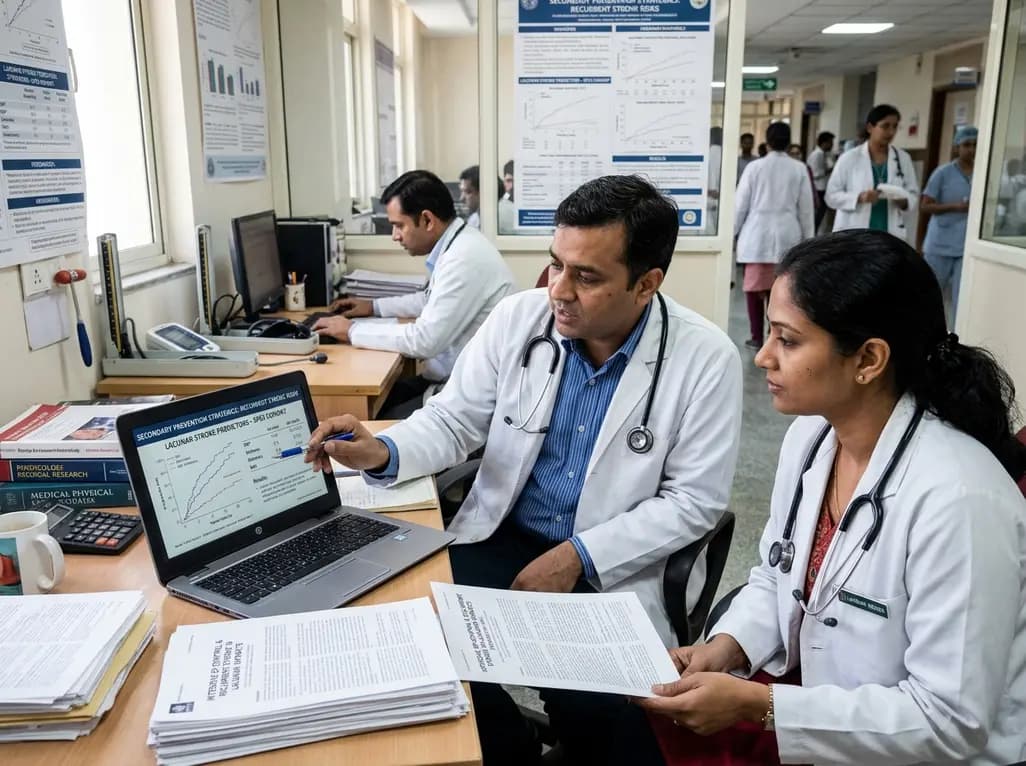
Explore vital recurrent stroke predictors in lacunar stroke patients managed with intensive blood pressure lowering. This analysis examines trial findings from SPS3 to uncover residual vascular risks, metabolic factors, and targeted secondary prevention strategies for high-risk neurological patients.
Today
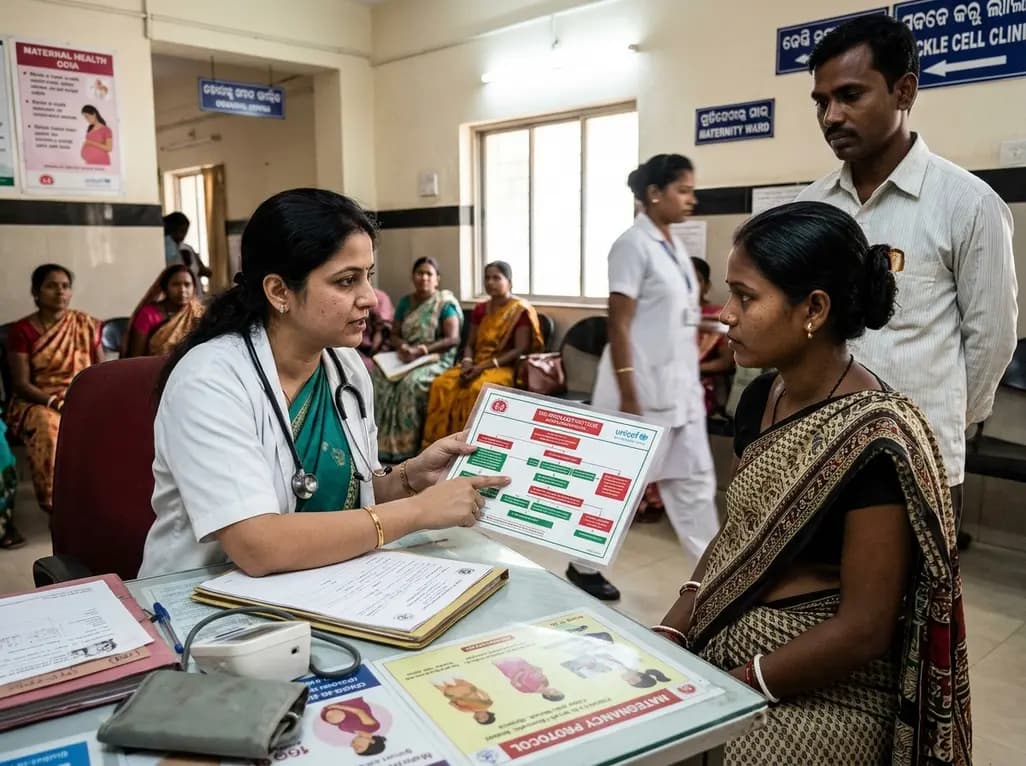
Odisha has established India's first state-level clinical protocol specifically tailored for pregnant women with sickle cell disease. Developed with NHM and UNICEF, the framework provides structured antenatal screening, crisis mitigation, standardized referral pathways, and specialized interdisciplinary care.
Today

The Directorate General of Health Services directs Indian states to halt the hazardous reuse and reprocessing of single-use medical devices. Discover regulatory implications under the Drugs and Cosmetics Act, critical infection risks, legal liabilities, and operational changes required across clinical specialties.
Today

Mitochondria-targeted nanoparticles self-assembled from EGCG and L-glutamic acid effectively restore mitochondrial homeostasis, suppress synovial inflammation, and attenuate chondrocyte senescence in osteoarthritis, offering a promising disease-modifying nanotherapy.
Today

India is advancing preventive healthcare by integrating genomics, artificial intelligence, and quantum technologies. With the SANGAM programme sequencing one million Indian genomes, clinicians can unlock personalized therapies, detect cardiometabolic risks early, and curb the burden of diabetes and heart disease.
Today
