.webp&w=384&q=75)

Loading, please wait...
Loading, please wait...
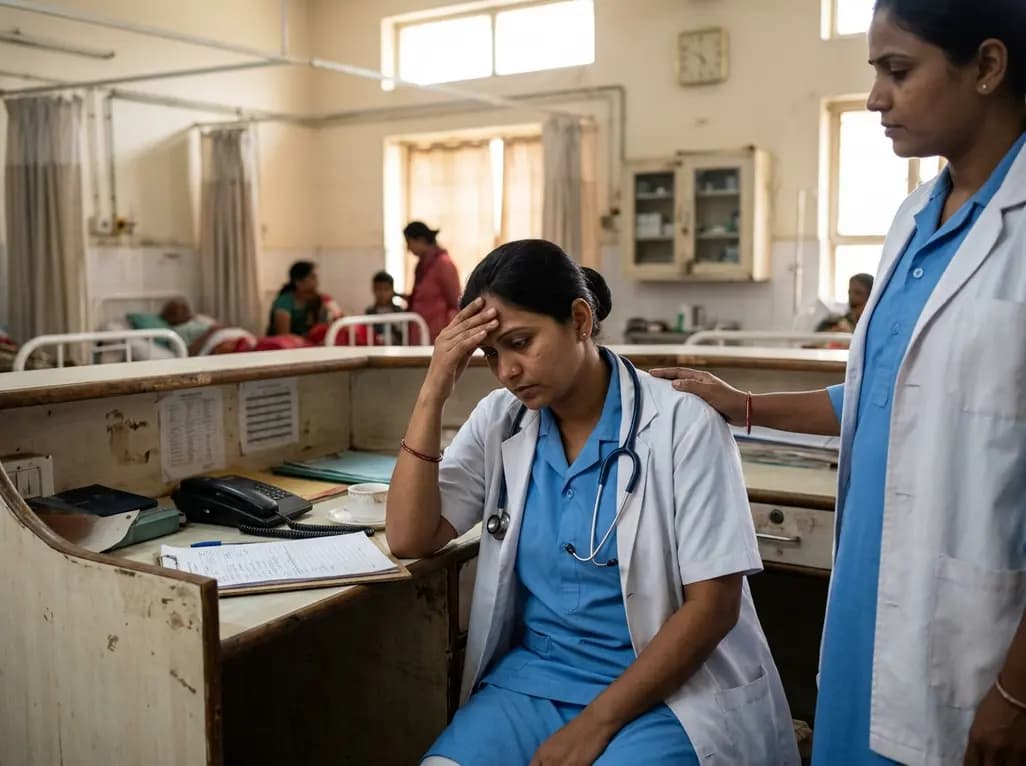
Providing compassionate end-of-life nursing care represents one of the most demanding responsibilities in clinical healthcare. Terminal illness imposes intense emotional, physical, and ethical pressures on bedside clinicians. Recently, an in-depth qualitative study by Taheri-Ezbarami and colleagues examined the profound obstacles healthcare workers encounter while delivering terminal care. Although conducted in Iran, these findings strongly resonate across many low- and middle-income healthcare systems, including India. Healthcare professionals routinely confront institutional hurdles, cultural complexities, and inadequate support systems when managing dying patients.
Healthcare professionals providing palliative support frequently encounter severe emotional exhaustion and grief. Caring for dying individuals exposes frontline nurses to constant sorrow, triggering significant fear and persistent anxiety. Consequently, many clinicians develop debilitating compassion fatigue over extended periods of service. Furthermore, moral distress arises when healthcare providers cannot deliver optimal dignity due to clinical constraints. Bedside caregivers often absorb familial grief while simultaneously suppressing their personal psychological suffering. Because formal psychological debriefing remains rare in acute wards, staff members experience cumulative unaddressed trauma. Therefore, emotional burnout progressively undermines clinician well-being and job retention. Moreover, unprocessed grief impairs the nurse-patient therapeutic relationship, diminishing the empathy required for sensitive terminal support. Clinicians frequently report feeling abandoned by hospital leadership during these emotionally grueling episodes. In addition, when doctors order aggressive interventions for terminally ill patients, nurses suffer profound ethical conflicts. To alleviate this psychological strain, healthcare institutions must implement peer counseling, dedicated debriefing sessions, and resilient psychological support mechanisms. Without such institutional interventions, bedside teams cannot sustain high-quality compassionate care.
Systemic deficiencies substantially compromise the delivery of structured palliative assistance. Many developing healthcare systems lack comprehensive national standards that govern terminal patient management. Consequently, healthcare workers must navigate ambiguous protocols when making critical bedside choices. Furthermore, medical and nursing school curricula rarely offer dedicated training in comprehensive palliative medicine. As a result, newly graduated nurses often feel unprepared to manage complex terminal symptoms. In addition, healthcare facilities frequently lack independent palliative care units or formal palliative consultation services. Therefore, dying patients often receive treatment in crowded general wards or acute intensive care units. These environments prioritize acute resuscitation rather than dignified symptom palliation. Moreover, regulatory ambiguities regarding end-of-life decisions leave clinicians vulnerable to potential medicolegal liabilities. In countries like India and Iran, clear statutory pathways for withdrawing futile life support remain limited in daily practice. Consequently, clinicians often continue inappropriate interventions simply to prevent familial disputes or legal penalties. Accordingly, health ministries must formulate clear clinical guidelines, establish specialized palliative divisions, and institutionalize evidence-based end-of-life standards across all healthcare facilities.
Effective palliative care demands robust interdisciplinary collaboration, yet clinical hierarchies often impede constructive teamwork. In many hospital settings, a strictly physician-centred decision model dominates clinical practice. Consequently, nurses rarely participate in crucial prognosis discussions or end-of-life care conferences. This dynamic fosters profound frustration because bedside nurses spend the most time observing patient distress. Furthermore, poor communication between physicians, nurses, and family members generates severe confusion regarding goals of care. Role ambiguity worsens these friction points, leaving clinicians unsure about specific responsibilities during terminal events. In addition, cultural and religious beliefs significantly complicate communication about impending death. Many families consider open discussions regarding mortality taboo, actively resisting conversations about palliative redirection. Physicians often hesitate to deliver clear prognostic news due to fear of destroying familial hope. Therefore, clinical teams struggle to achieve consensus on appropriate care boundaries. Ultimately, fragmented collaboration delays timely palliative referrals and prolongs futile suffering. Healthcare organizations must cultivate flat, communicative team models where nursing insights actively inform medical decision-making. Daily interdisciplinary rounds can effectively bridge these persistent communication gaps.
Infrastructural limitations severely restrict the practical delivery of dignified terminal care. Many hospitals suffer from chronic shortages of private rooms, specialized beds, and monitoring equipment. Consequently, dying patients often spend their final hours in noisy, chaotic ward environments without adequate family privacy. Furthermore, technological limitations impede effective symptom documentation and continuous patient tracking. Economic factors also impose heavy burdens on both healthcare institutions and vulnerable families. High out-of-pocket costs for advanced analgesics, disposables, and intensive care beds drive families toward catastrophic financial hardship. As a result, families frequently discontinue essential supportive care due to sudden financial exhaustion. In addition, hospitals face recurrent supply chain disruptions for essential palliative medications, particularly controlled opioids. Regulatory hurdles surrounding opioid distribution severely constrain adequate pain relief in low-resource settings. Therefore, nurses must witness unmanaged pain without having access to adequate analgesics. Moreover, insufficient nurse-to-patient staffing ratios force nurses to prioritize urgent task execution over attentive comfort measures. Consequently, foundational comfort interventions, such as frequent repositioning and oral hygiene, are unintentionally compromised. Institutional administrators must therefore allocate sustainable funding to secure essential palliative supplies and infrastructure.
Overcoming these multifaceted barriers requires targeted clinical and institutional reforms. First, academic institutions must embed comprehensive end-of-life nursing care competencies into undergraduate and postgraduate nursing education. Experiential simulations and communication workshops can significantly prepare clinicians for delicate terminal encounters. Furthermore, healthcare administrators must establish standardized clinical pathways for terminal symptom management, sedation, and dignified withdrawal of futile therapy. In India, aligning institutional protocols with Indian Council of Medical Research (ICMR) end-of-life guidelines offers an effective pathway forward. Additionally, hospitals should institute routine multidisciplinary palliative rounds to dissolve traditional professional hierarchies. Involving bedside nurses in prognosis discussions ensures comprehensive patient-centered decisions. Moreover, healthcare centers must establish dedicated palliative care teams to provide specialized consultation for complex cases. Providing structured psychological support, including confidential counseling and post-bereavement debriefings, will protect frontline staff from emotional exhaustion. Finally, policymakers must streamline regulatory pathways for access to essential palliative opioids while expanding community palliative networks. Through collaborative leadership and compassionate policy reforms, healthcare systems can create an environment where clinicians deliver dignified, painless, and respectful end-of-life nursing care.
Moral distress occurs when clinicians recognize the ethically appropriate action but face institutional, legal, or hierarchical barriers that prevent its execution. In terminal care, nurses experience moral distress when physicians prescribe aggressive, futile interventions for dying patients. Furthermore, witnessing uncontrolled pain due to restricted opioid availability intensifies this burden. Without regular debriefing or ethical consultation forums, unresolved distress causes burnout, emotional detachment, and attrition among dedicated bedside clinicians.
A strictly physician-centred culture marginalizes nursing assessments, creating significant disconnects in terminal care delivery. Nurses spend substantial time at the patient bedside and closely observe suffering, yet traditional hierarchies often exclude them from clinical goal-setting conferences. Consequently, therapeutic plans may fail to address real-time comfort priorities. Fostering multidisciplinary decision-making bridges this divide, empowering nurses to contribute valuable observations that enhance patient dignity and family satisfaction during the dying process.
Institutions must establish clear clinical guidelines that define when curative goals should transition to comfort care. In addition, hospitals should develop dedicated palliative consultation services, secure consistent supplies of essential analgesics, and provide quiet, private spaces for families. Furthermore, leadership must maintain safe nurse-to-patient staffing ratios and integrate routine psychosocial support services. These systemic changes ensure clinical teams deliver consistent, dignified care without suffering chronic professional exhaustion.
Disclaimer: This content is for informational and educational purposes only... Refer to the latest local and national guidelines for clinical practice.
References
1. Taheri-Ezbarami Z et al. Challenges in Providing End-of-Life Nursing Care: A Qualitative Content Analysis. Nurs Open. 2026 Oct undefined. doi: 10.1002/nop2.70866. PMID: 42816444.
2. Salins N, Johnson J, Macaden S. Palliative Care Education and Training in India: Current Scenario and Challenges. Indian J Palliat Care. 2017;23(4):357-362. doi: 10.4103/IJPC.IJPC_144_17.
3. Rajagopal MR, Palat G. Delivering Palliative Care in India: Current Status and Future Directions. Indian J Med Res. 2021;154(1):1-5.

Read summarized clinical updates, watch expert medical content, and earn CME certifications right from your smartphone.
Open your smartphone camera to scan and install.





A qualitative study illuminates key challenges in end-of-life nursing care, including emotional exhaustion, institutional neglect, interprofessional communication barriers, and resource scarcity. Addressing these systemic obstacles requires structured training, national protocols, and collaborative teamwork.
Today
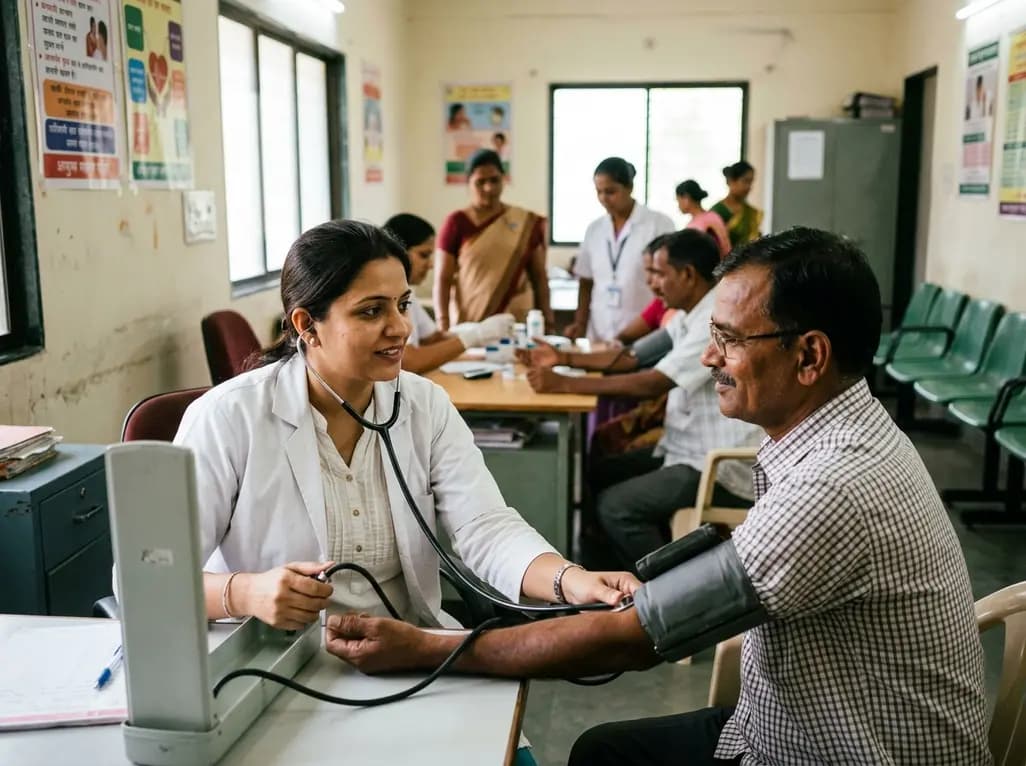
India has screened over 420 million adults for chronic metabolic conditions through its network of Ayushman Arogya Mandirs. This public health milestone underscores an aggressive shift toward early detection, decentralized primary care, and expanded insurance coverage under central health initiatives.
Today
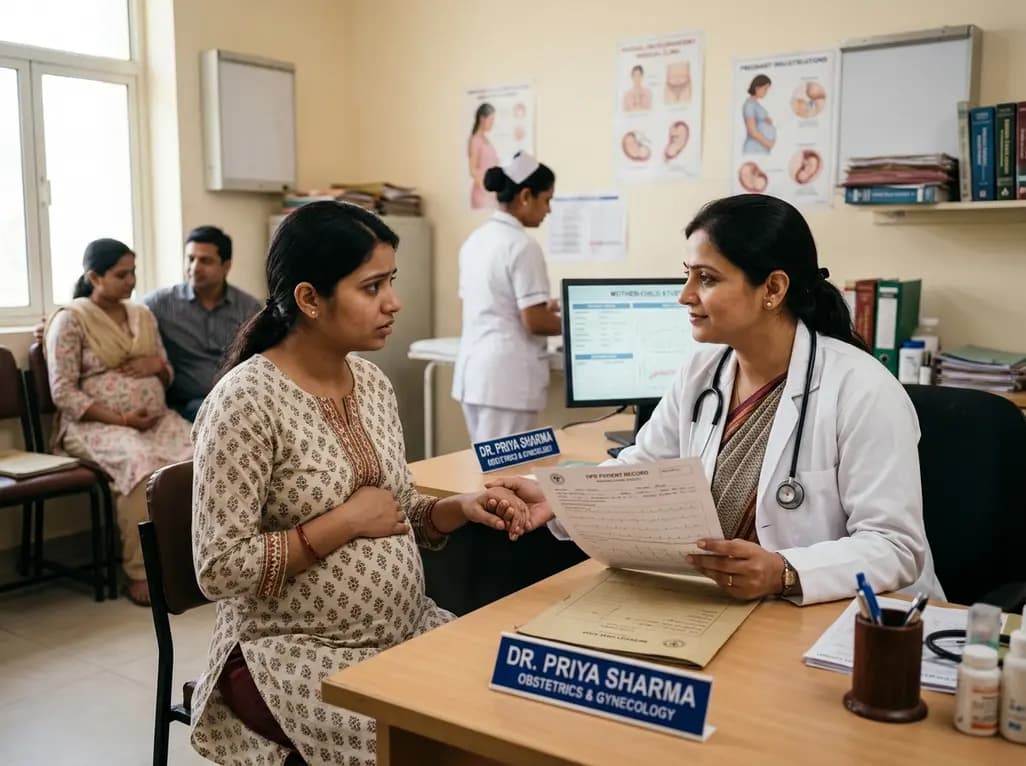
A large population cohort study evaluated over 167,000 mother-child pairs to assess the link between maternal mood disorders, pharmacotherapy, and long-term child neurodevelopment. The results underscore that maternal illness, rather than pharmacotherapy alone, drives most special educational needs in offspring.
Today

Discover how rescue cutting balloon angioplasty successfully modifies heavily calcified carotid stenosis, enabling stent delivery without baroreceptor instability and ensuring favorable long-term neurologic outcomes.
Today
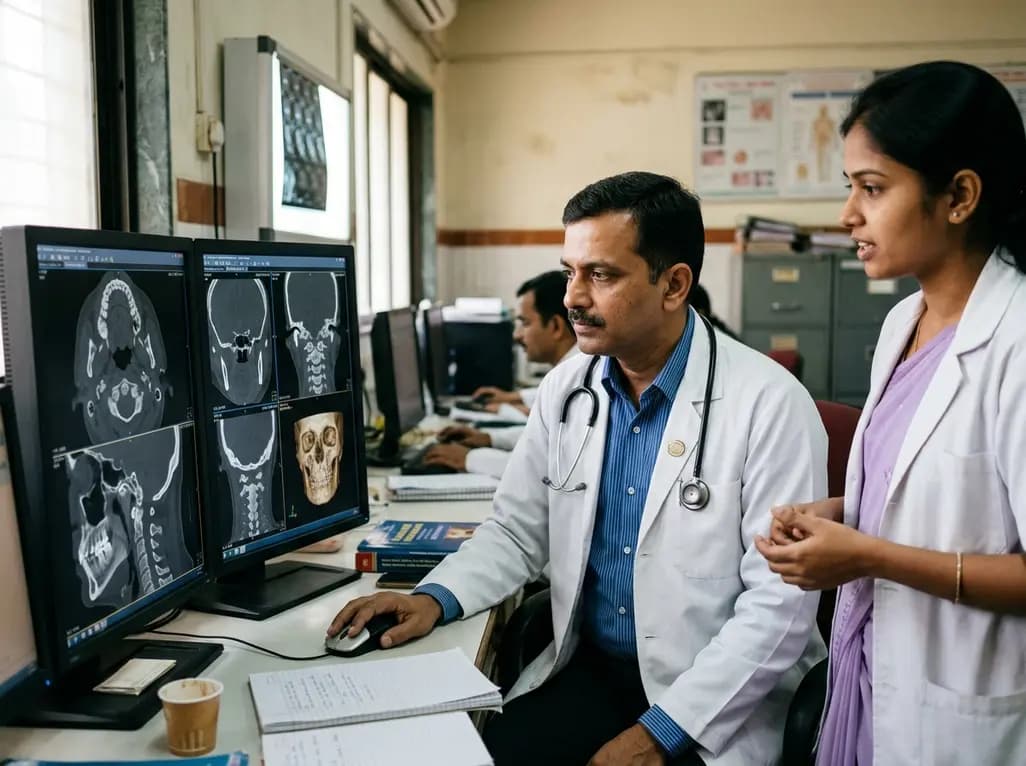
A retrospective CBCT study reveals that superior TMJ space asymmetry correlates moderately with occipital condyle-atlas-axis asymmetry in unilateral TMJ osteoarthritis, highlighting an imaging correlate between jaw biomechanics and upper cervical alignment rather than a standalone diagnostic marker.
Today
Data from the 2026 Workforce Health Index reveals that 38.7% of urban employees and dependents exhibit abnormal glycemic control. Emerging at increasingly younger ages, this metabolic shift intersects with severe vitamin deficiencies, highlighting the urgent need for early workplace screenings and targeted clinical care.
Today
