.webp&w=384&q=75)

Loading, please wait...
Loading, please wait...
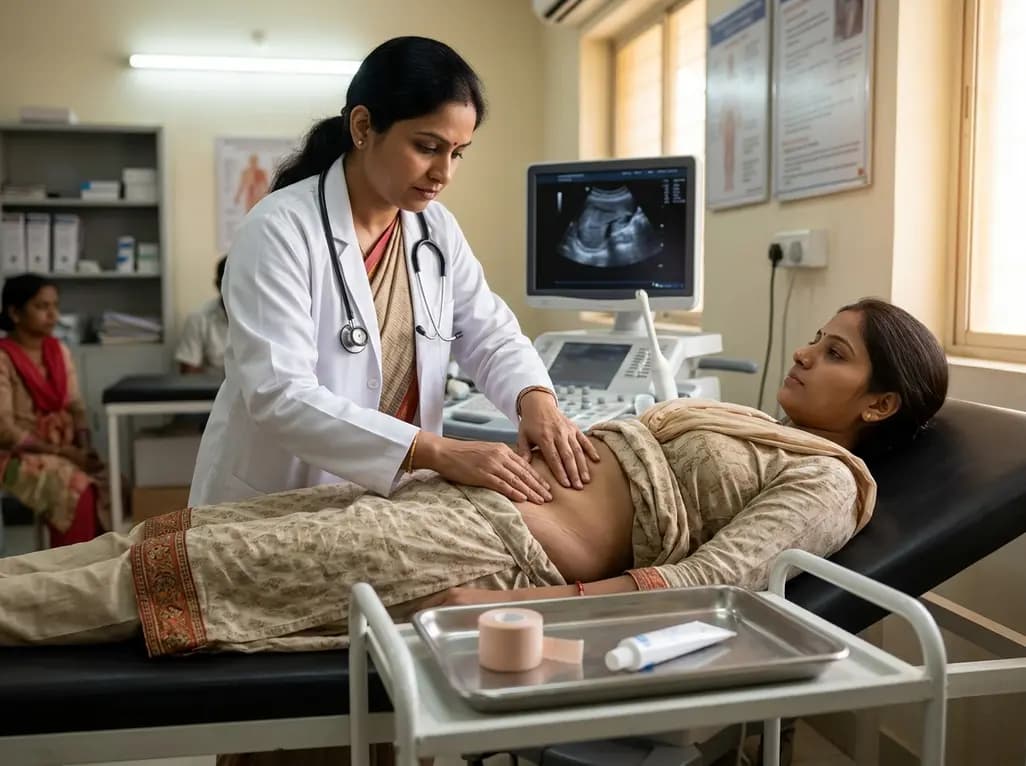
Cesarean delivery is one of the most frequently performed surgical procedures globally, yet standardized protocols for postoperative scar management remain surprisingly scarce. Beyond the visible abdominal incision, the surgery involves deep uterine cuts that can lead to significant long-term complications if healing is compromised. Recent clinical research has introduced a biomechanically-informed framework to bridge this gap. This approach emphasizes the role of mechanical tension in scar formation and suggests that cesarean scar rehabilitation should be categorized into specific stages based on tissue mechanics. By understanding how external and internal forces influence healing, clinicians can move toward more standardized, phenotype-based care for postpartum patients. This perspective is particularly relevant for addressing both the cosmetic concerns of the dermal scar and the functional issues associated with deep tissue adhesions.
Mechanical tension is a primary biological driver of pathological scarring and the development of adhesions. When a tissue is subjected to excessive or aberrant stress during the remodeling phase, fibroblast activity increases, leading to the overproduction of collagen. In the context of a cesarean section, the abdominal wall and the uterus are subject to constant mechanical load from movement, posture, and internal pressures. If these forces are not properly managed, the resulting scar may become hypertrophic or restricted. The newly proposed framework identifies aberrant mechanical tension as a biologically plausible contributor to both superficial defects and deep uterine niches. By mitigating these forces through targeted interventions, it may be possible to guide the tissue toward a more functional and less symptomatic state during the critical recovery period.
The proposed cesarean scar rehabilitation framework is organized into three distinct tiers based on the type of mechanical intervention required. The first tier focuses on reducing mechanical load transfer, which involves educating patients on proper body mechanics and movement patterns to protect the healing tissues. The second tier utilizes passive mechanical stabilization, such as the application of silicone sheets or medical taping, to provide a stable environment for the dermal layers. Finally, the third tier aims at mitigating external mechanical forces through manual therapy and mobilization techniques. This structured approach allows practitioners to select interventions that match the patient's specific scar phenotype, ensuring that the treatment plan is tailored to the biological needs of the tissue at different stages of the healing process.
Effective management begins with an accurate assessment of the scar tissue. Clinicians are encouraged to use a combination of subjective and objective tools to monitor progress. Subjective scales, such as the Patient and Observer Scar Assessment Scale (POSAS) or the Vancouver Scar Scale (VSS), provide valuable insights into the patient's perception of pain, itching, and appearance. However, objective imaging is necessary to evaluate the deep uterine scar. Transvaginal ultrasound and ultrasound elastography are becoming essential tools for measuring residual myometrial thickness and identifying the presence of a uterine niche, also known as an isthmocele. While superficial scars are easily monitored, these advanced imaging techniques provide the only reliable way to assess the structural integrity of the deep hysterotomy site, which is vital for planning subsequent pregnancies.
While the biomechanical framework offers a promising roadmap, a significant evidence gap remains regarding its application to deep uterine defects. Most existing studies on mechanotherapy and scar mobilization focus almost exclusively on dermal or superficial abdominal scars. There is currently no direct clinical validation that external manual therapies can effectively remodel a uterine niche or repair a myometrial defect. Interventions such as silicone therapy and kinesiology taping have strong evidence for improving the quality of the abdominal wall scar, but their influence on the deep uterus remains hypothetical. It is crucial for clinicians to recognize that while this framework helps guide clinical reasoning for adhesion-related symptoms, it should not be viewed as a validated protocol for structural uterine repair without further prospective research.
Physiotherapy plays a vital role in the long-term recovery of patients following a cesarean section. Beyond cesarean scar rehabilitation, a comprehensive plan should include core stabilization, pelvic floor training, and education on gradual return to activity. Manual therapy techniques, such as myofascial release and skin rolling, can significantly reduce scar-related pain and improve the pliability of the abdominal wall. These interventions help prevent the formation of restrictive adhesions that often lead to chronic pelvic pain or secondary subfertility. By integrating a biomechanical perspective into routine postnatal care, healthcare providers can support a more holistic recovery that addresses both the physical and functional consequences of the surgery, ultimately improving the quality of life for postpartum women.
The primary goals are to optimize the healing environment by managing the mechanical forces acting on the tissue. The framework seeks to reduce the load on the healing incision through movement education, provide passive stability using tools like silicone or tape, and utilize manual techniques to mitigate external forces. This structured approach helps clinicians select the most appropriate interventions based on the specific stage of healing and the physical characteristics of the scar.
Currently, there is no direct scientific evidence confirming that manual therapy or mechanotherapy can structurally repair a uterine niche. While manual techniques are highly effective for improving the mobility of abdominal wall scars and reducing pain from superficial adhesions, their impact on deep myometrial defects remains hypothetical. Patients with symptomatic uterine niches should be monitored with ultrasound imaging, and surgical options may be considered if symptoms like abnormal bleeding or infertility persist despite conservative care.
Initial rehabilitation, such as gentle breathing exercises and basic core activation, can often begin within the first few days post-surgery under medical guidance. However, direct scar mobilization and the application of topical treatments like silicone should typically wait until the incision is fully closed and the sutures have been removed, usually around six weeks. It is essential for patients to consult with their obstetrician or a specialized pelvic health physiotherapist to ensure the timing of interventions is safe and appropriate for their specific recovery.
Disclaimer: This content is for informational and educational purposes only. It does not constitute medical advice or establish a doctor-patient relationship. Always seek the advice of a qualified healthcare provider regarding a medical condition. Refer to the latest local and national guidelines for clinical practice.
References
Zhou Y et al. From mechanics to mobilization: a biomechanically-informed rehabilitation framework for cesarean-related scars. BMC Womens Health. 2026 Jul 20. doi: 10.1186/s12905-026-04702-w. PMID: 42477704.
Walker SP et al. Reducing the long-term impact of cesarean scar defects: a focus on prevention. Am J Obstet Gynecol. 2026 Apr 20. doi: 10.1016/j.ajog.2026.04.024.
Michalska A et al. Optimization of the cosmetic appearance of skin scar after caesarean section — part II physiotherapy practice. Ginekologia Polska. 2024 Jan 23. doi: 10.5603/gp.96734.

Read summarized clinical updates, watch expert medical content, and earn CME certifications right from your smartphone.
Open your smartphone camera to scan and install.





New research proposes a three-tier biomechanical framework for managing cesarean-related scars. While superficial treatments like silicone and taping are well-supported, direct mechanotherapy for uterine niches remains a hypothesis-generating area requiring further clinical validation.
3 months ago

Review how tailored exercise programs benefit frail older patients with heart failure. Explore pathophysiological mechanisms, individualized training prescriptions, and strategies to overcome adherence barriers in clinical practice.
Today

Recent clinical studies reveal maternal autoantibodies targeting IL-1RA as potential triggers for preterm labor, opening avenues for targeted cytokine therapies. Concurrently, new perioperative findings show inhaled cannabis increases propofol requirements during upper endoscopy compared to oral edible consumption.
Today

In high-risk pulmonary embolism complicated by severe anemia and active uterine bleeding, systemic thrombolysis is contraindicated. Large-bore aspiration thrombectomy provides rapid hemodynamic rescue without fibrinolysis, supported by inferior vena cava filter placement and multidisciplinary critical care.
Today

This comparative study evaluates posterior labral tears with and without glenohumeral instability, highlighting distinct demographic patterns, MRI underestimation in stable shoulders, and successful arthroscopic repair outcomes.
Today

A clinical study demonstrates that early intervention with tocilizumab, either as monotherapy or bridged with corticosteroids, achieves significant proptosis reduction and resolves active inflammation in treatment-naive thyroid eye disease.
Today
