

Loading, please wait...
Loading, please wait...

Cervical spondylotic myelopathy represents a debilitating spinal pathology that frequently produces secondary craniocervical symptoms. In fact, clinical studies demonstrate that headache affects more than one-third of individuals presenting with subaxial cervical degeneration. Spine specialists continually evaluate whether surgical intervention mitigates these coexisting symptoms alongside motor and sensory deficits. A major multi-institutional analysis now provides essential clarity regarding cervical fusion headache relief in patients undergoing decompression for myelopathy. Understanding how anterior and posterior procedures impact cranial pain allows clinicians to improve surgical decision-making and patient counseling. Consequently, examining long-term registry outcomes bridges vital gaps between spinal biomechanics and cervicogenic symptom resolution.
Cervicogenic headaches traditionally stem from upper cervical spine pathology due to direct anatomical connections with the trigeminocervical complex. However, lower subaxial cervical degeneration also generates radiating headache syndromes through complex neurovascular pathways. Pathological changes in subaxial motion segments alter spinal biomechanics, generating chronic reflexive spasm in the paracervical musculature. In addition, mechanical compression of subaxial nerve roots can refer noxious stimuli cephalad through intersegmental connections. Consequently, many patients suffering from subaxial cervical spondylotic myelopathy experience persistent occipital and temporal discomfort prior to surgical intervention.
Historically, spine specialists continue to investigate how lower cervical decompressions resolve distant cranial symptoms. Direct neural decompression eliminates localized inflammatory cascades around the exiting nerve roots and the thecal sac. Furthermore, rigid arthrodesis stabilizes degenerate motion segments, reducing abnormal nociceptive signaling from facet joints and uncovertebral junctions. As a result, restoring cervical alignment alleviates chronic muscular strain across the posterior tension band. Therefore, addressing subaxial cord and root compression produces profound improvements in secondary headache symptoms, even when degenerative changes lie distal to upper cervical roots.
To elucidate how surgical strategy influences headache resolution, investigators evaluated prospectively collected data from the multicenter Spine CORe study group. Specifically, researchers queried the cervical module of the Quality Outcomes Database across 14 academic and community spine centers. The comprehensive cohort included 1,085 patients undergoing cervical spine surgery for symptomatic cervical spondylotic myelopathy. Among these individuals, 697 patients presented with documented preoperative headaches and completed robust 5-year postoperative follow-up assessments.
The baseline demographic data highlighted a substantial symptom burden across the study population. The cohort demonstrated a mean age of 58.6 years, reflecting typical presentations of degenerative cervical myelopathy. Importantly, more than 70% of participants endorsed concurrent axial neck pain prior to their operative procedure. Furthermore, 36% of the patients exhibited clinical and electrophysiological signs of concurrent high cervical radiculopathy involving the C2, C3, or C4 nerve roots. Baseline headache intensity averaged 2.4 on the Neck Disability Index headache subscore, confirming that cranial pain significantly impaired daily functioning. Consequently, these baseline characteristics underscored the frequent overlap between spinal cord compression and chronic headache pathology.
Spine surgeons historically hypothesized that anterior cervical discectomy and fusion offers superior headache relief compared to posterior approaches. Anterior exposure provides direct access to offending ventral disc-osteophyte complexes without dissecting the posterior paraspinous musculature. Consequently, anterior surgery preserves the posterior myofascial planes and nuchal ligament attachments that stabilize the cervical lordosis. In contrast, posterior cervical laminectomy and fusion necessitates extensive muscular detachment, which clinicians previously suspected might induce persistent muscular tension headaches.
However, comparative analysis of the multicenter registry data challenged these traditional surgical assumptions. In the study cohort, 419 patients underwent anterior cervical discectomy and fusion, whereas 119 underwent posterior laminectomy and fusion. The remaining participants received alternative non-fusion decompression procedures, including laminoplasty or foraminotomy. Interestingly, both surgical cohorts achieved equivalent degrees of headache reduction postoperatively. Although posterior surgery disrupts dorsal musculature, effective neural canal expansion and rigid stabilization successfully extinguish secondary headache generators. Therefore, approach selection should prioritize neurological compression patterns rather than theoretical concerns regarding post-laminectomy headache exacerbation. Moreover, both cohorts demonstrated sustained functional recovery without significant differences in long-term headache outcomes.
Evaluating long-term outcomes remains critical when assessing surgical interventions for degenerative cervical spine conditions. The Spine CORe investigation tracked patient-reported headache scores at 3, 12, 24, and 60 months postoperatively. Remarkably, postoperative headache intensities demonstrated significant reductions compared to preoperative baseline values across all measured intervals. Statistical testing confirmed dramatic, sustained improvements throughout the entire five-year surveillance period.
Furthermore, longitudinal recovery trajectories showed rapid early improvement that persisted without significant late deterioration. Patients achieved meaningful symptom attenuation by three months, indicating that acute decompression quickly dampens convergent nociceptive signaling. Over subsequent years, successful arthrodesis maintained spinal stability, preventing recurrent mechanical irritation and myofascial strain. In addition, the durable alleviation of cranial discomfort directly paralleled overall reductions in neck disability and myelopathic impairment. Consequently, patients can anticipate sustained headache relief following cervical fusion, provided that clinicians achieve complete neural decompression and solid fusion. Therefore, these findings provide long-term reassurance regarding durable symptom control. Accordingly, spine specialists can utilize these five-year outcomes to counsel surgical candidates effectively regarding expected craniocervical pain relief.
These registry findings offer practical guidance for spine surgeons and multidisciplinary pain management specialists. First, clinicians must recognize that subaxial cord compression frequently manifests with prominent cranial symptoms alongside typical myelopathic signs. Therefore, routine preoperative workups should actively incorporate validated assessments like the Neck Disability Index headache subscore. Identifying comorbid headaches helps teams establish baseline disability scores and align therapeutic expectations with surgical candidates.
Additionally, surgeons can reassure patients that both anterior and posterior approaches effectively mitigate secondary headache complaints. Because neither technique demonstrated clear clinical superiority for cranial pain, surgeons can confidently tailor their approach to the specific anatomical site of cord compression. Anterior operations remain optimal for focal ventral lesions and kyphotic deformities. Conversely, posterior laminectomy with fusion excels in multi-level cord compression with preserved lordosis. Ultimately, restoring neural canal volume and establishing biomechanical stability represent the primary drivers of clinical recovery, ensuring successful relief from both spinal cord compromise and debilitating cervicogenic headaches. Furthermore, interdisciplinary collaboration between spine surgeons, neurologists, and physical therapists ensures comprehensive postoperative rehabilitation, maximizing overall functional improvement.
Decompression of subaxial cervical nerve roots and stabilization of hypermobile segments reduce convergent nociceptive input into the trigeminocervical nucleus. By eliminating mechanical nerve root irritation, uncal arthrosis impingement, and local myofascial strain, surgical intervention dampens radiating craniocervical pain signals and provides durable headache relief across multiple postoperative years.
Current clinical registry evidence demonstrates that both anterior cervical discectomy and fusion and posterior cervical laminectomy and fusion yield comparable headache reduction. Although anterior surgery spares posterior cervical musculature, both approaches effectively decompress neural pathways, leading to statistically significant and durable improvements in postoperative headache scores over five years.
Spine clinicians should systematically administer validated patient-reported outcome measures, including the Neck Disability Index headache subscore and visual analog scales, during preoperative assessments. In addition, detailed history-taking helps differentiate secondary cervicogenic headaches from primary headache syndromes, facilitating realistic patient expectations regarding postoperative symptom improvement and overall functional recovery.
Disclaimer: This content is for informational and educational purposes only. It is not intended to provide medical advice, diagnosis, or treatment recommendations. Refer to the latest local and national guidelines for clinical practice.
References

Read summarized clinical updates, watch expert medical content, and earn CME certifications right from your smartphone.
Open your smartphone camera to scan and install.





A multicenter analysis of Quality Outcomes Database data reveals that both anterior and posterior surgical approaches provide significant, durable headache relief for patients undergoing cervical fusion for subaxial cervical spondylotic myelopathy over five years of follow-up.
Today

Review how tailored exercise programs benefit frail older patients with heart failure. Explore pathophysiological mechanisms, individualized training prescriptions, and strategies to overcome adherence barriers in clinical practice.
Today
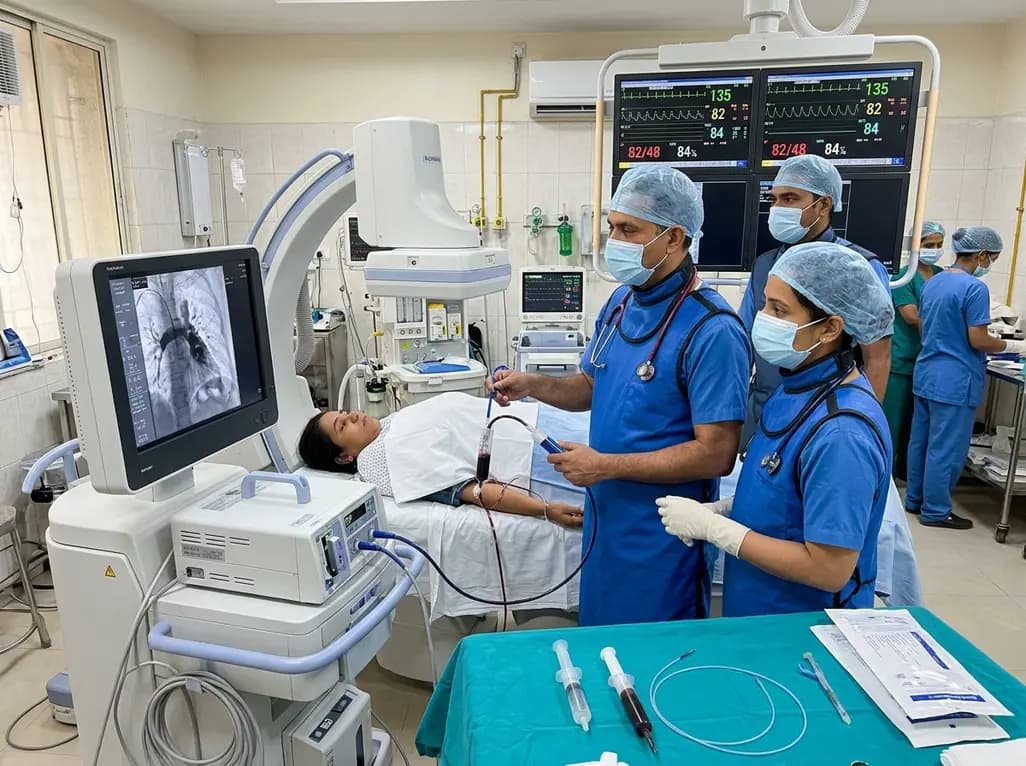
In high-risk pulmonary embolism complicated by severe anemia and active uterine bleeding, systemic thrombolysis is contraindicated. Large-bore aspiration thrombectomy provides rapid hemodynamic rescue without fibrinolysis, supported by inferior vena cava filter placement and multidisciplinary critical care.
Today

A cross-sectional study in Zanzibar reveals that 46.5% of adults with type 2 diabetes experience multidomain autonomic dysfunction on the COMPASS-31 tool, primarily orthostatic intolerance, while 45.9% exhibit cardiovascular autonomic neuropathy, highlighting the urgent need for structured clinical screening.
Today
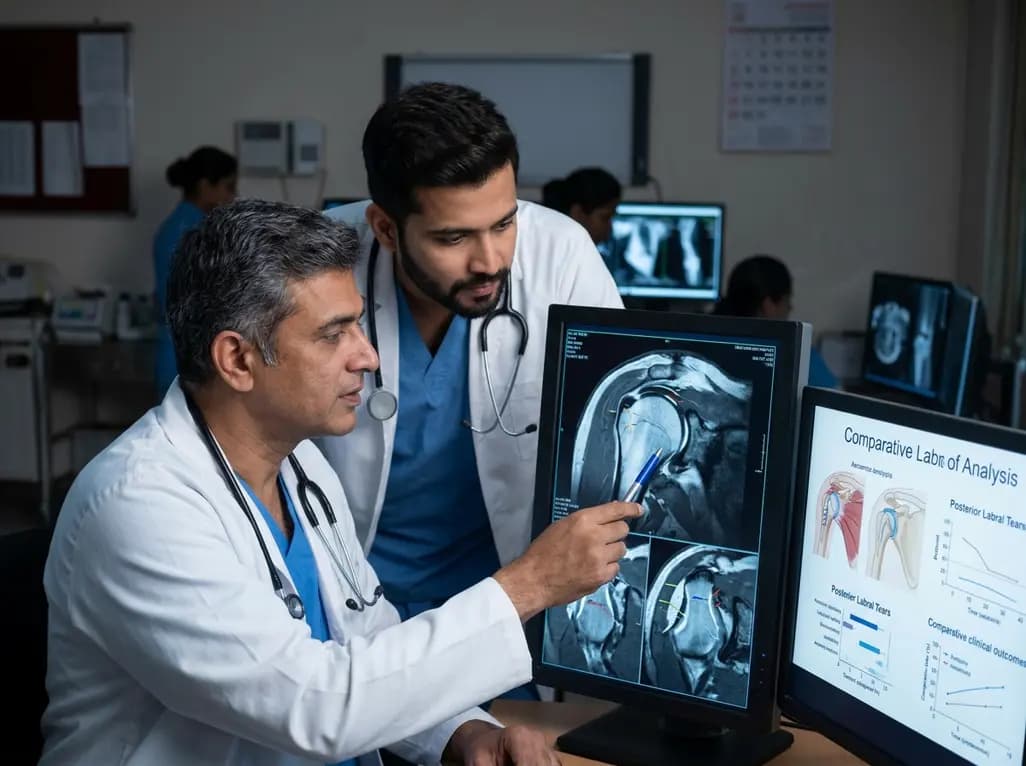
This comparative study evaluates posterior labral tears with and without glenohumeral instability, highlighting distinct demographic patterns, MRI underestimation in stable shoulders, and successful arthroscopic repair outcomes.
Today
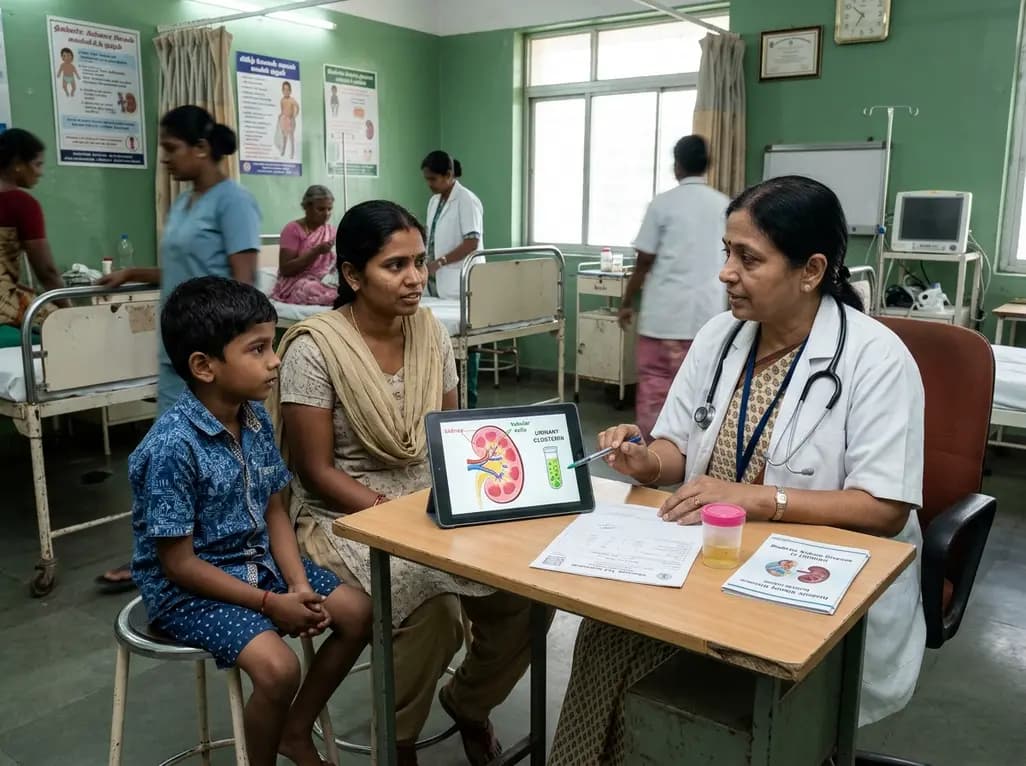
A recent case-control study reveals that urinary clusterin provides superior diagnostic performance for early diabetic kidney disease detection in pediatric type 1 diabetes mellitus, identifying tubular damage before conventional microalbuminuria occurs.
Today
