

Loading, please wait...
Loading, please wait...

Cervical spondylotic myelopathy represents one of the most common causes of progressive spinal cord dysfunction among aging adults globally. Historically, anterior cervical discectomy and fusion has served as the unquestioned gold standard for surgical intervention. However, modern spinal surgeons increasingly utilize cervical disc arthroplasty as a motion-preserving alternative to conventional arthrodesis. While surgeons have extensively validated arthroplasty for isolated radiculopathy, its role in treating spinal cord compression and frank myelopathy has remained controversial. Recent five-year data provide compelling evidence regarding the noninferiority, safety, and functional durability of motion preservation in carefully selected myelopathic cohorts.
Surgeons historically viewed spinal cord compression as a relative contraindication to cervical motion preservation. Traditional teaching posited that arthrodesis was essential to eliminate hypermobility and facilitate spinal cord recovery. However, modern motion-preserving implants provide remarkable biomechanical stability while maintaining physiological segment kinematics. Consequently, spinal specialists have begun expanding the indications for arthroplasty to include mild-to-moderate cervical spondylotic myelopathy. Modern biomechanical analyses demonstrate that adequate anterior neural decompression remains the primary driver of clinical neurological recovery. When surgeons achieve complete canal decompression, artificial disc implants can stabilize the affected segment effectively without requiring rigid bony fusion. Furthermore, preserving physiological motion protects surrounding soft tissues and reduces unphysiological kinematic strain on adjacent levels. Thus, motion preservation challenges the long-standing dogma that arthrodesis is strictly mandatory for resolving cervical spinal cord compression.
To evaluate long-term comparative efficacy, investigators examined registry data from the fourteen-site Spine CORe study group within the Quality Outcomes Database. Specifically, researchers evaluated 1,085 patients and performed rigorous propensity score matching to balance baseline demographic and clinical characteristics. The investigators compared twenty-two patients undergoing arthroplasty against eighty-eight matched patients undergoing anterior fusion. Remarkably, all matched patients completed comprehensive five-year evaluations across multiple standardized patient-reported outcome measures. These validated metrics included the Neck Disability Index, the EuroQol-5D questionnaire, and numeric rating scales for neck and arm pain. Additionally, investigators recorded the modified Japanese Orthopaedic Association score to assess neurological recovery directly. Importantly, both cohorts achieved dramatic, statistically significant improvements across every recorded functional metric compared with their preoperative baseline values. The statistical analysis confirmed that patient-reported recovery in the arthroplasty cohort matched the fusion group across all follow-up time points.
Long-term therapeutic durability represents a critical metric when comparing motion preservation against conventional arthrodesis. In this registry cohort, continuous multivariable linear regression confirmed that surgical technique did not predict adverse five-year myelopathy severity. Instead, baseline disease severity served as the primary determinant of ultimate functional recovery. Notably, patients undergoing arthroplasty demonstrated equivalent relief from axial neck pain and radicular arm pain at five years postoperatively. Furthermore, general quality-of-life assessments and overall physical functioning improved in equal measure between both cohorts. The data demonstrate that restoring cervical disc height and spinal alignment through arthroplasty preserves cord perfusion without jeopardizing long-term stability. Consequently, clinicians can counsel appropriate surgical candidates that motion-preserving interventions deliver long-term neurological and symptomatic benefits comparable to traditional fusion.
A major theoretical advantage of motion preservation is the mitigation of adjacent segment pathology. Rigid spinal arthrodesis inherently concentrates biomechanical shear stress and compensatory motion onto adjacent unfused mobile segments. Consequently, patients undergoing cervical fusion often face progressive adjacent-level disc degeneration and subsequent reoperations over extended follow-up. In the present Spine CORe registry analysis, investigators observed that the five-year reoperation rate was notably higher in the fusion cohort compared to the arthroplasty group. Specifically, seventeen percent of fusion patients required secondary operations, whereas only nine percent of arthroplasty patients underwent reoperation. Although this difference did not attain statistical significance due to sample size constraints, the numerical trend aligns with global clinical trials. Therefore, preserving segmental motion appears to confer meaningful protection against premature kinematic breakdown across adjacent cervical vertebrae.
Achieving successful clinical outcomes with motion preservation requires meticulous patient selection and rigorous preoperative imaging evaluation. Spinal surgeons must recognize that arthroplasty is not a universal replacement for arthrodesis in all myelopathic patients. Specifically, clinicians should reserve arthroplasty for patients presenting with soft disc herniations, focal osteophytosis, and well-preserved cervical lordosis. Conversely, surgeons must avoid arthroplasty in patients presenting with marked facet arthropathy, severe segmental instability, or fixed kyphotic deformities. In addition, extensive ossification of the posterior longitudinal ligament and severe osteoporosis represent absolute contraindications to artificial disc placement. When clinicians carefully verify these criteria, arthroplasty provides dependable spinal cord decompression while maintaining physiological cervical mobility. Accordingly, multidisciplinary teams should evaluate individual sagittal alignment and bone mineral density before finalizing surgical plans.
Surgeons primarily reserve arthroplasty for mild to moderate myelopathy with focal compression. Patients with severe myelopathy, multi-level ossification, or rigid deformities typically require posterior decompression or anterior arthrodesis. Careful assessment of spinal stability and canal compromise determines individual surgical eligibility.
Arthroplasty preserves natural segmental kinematics and physiological load sharing across the cervical spine. By maintaining motion at the treated level, it reduces compensatory hypermobility and mechanical stress at adjacent levels. Consequently, clinical studies demonstrate lower long-term adjacent segment degeneration rates compared to fusion.
Key contraindications include severe facet joint arthrosis, advanced osteopenia, active local infection, and significant fixed cervical kyphosis. Additionally, instability on dynamic flexion-extension radiography or extensive ossification of the posterior longitudinal ligament necessitates conventional spinal fusion rather than motion-preserving disc replacement.
Disclaimer: This content is for informational and educational purposes only and should not be taken as professional medical advice. Healthcare providers must make individualized diagnostic and treatment decisions for each patient. Refer to the latest local and national guidelines for clinical practice.
References

Read summarized clinical updates, watch expert medical content, and earn CME certifications right from your smartphone.
Open your smartphone camera to scan and install.





A multi-center Spine CORe analysis of QOD data reveals that cervical disc arthroplasty provides 5-year clinical and patient-reported outcomes comparable to anterior cervical discectomy and fusion for cervical spondylotic myelopathy while preserving spinal motion.
Today
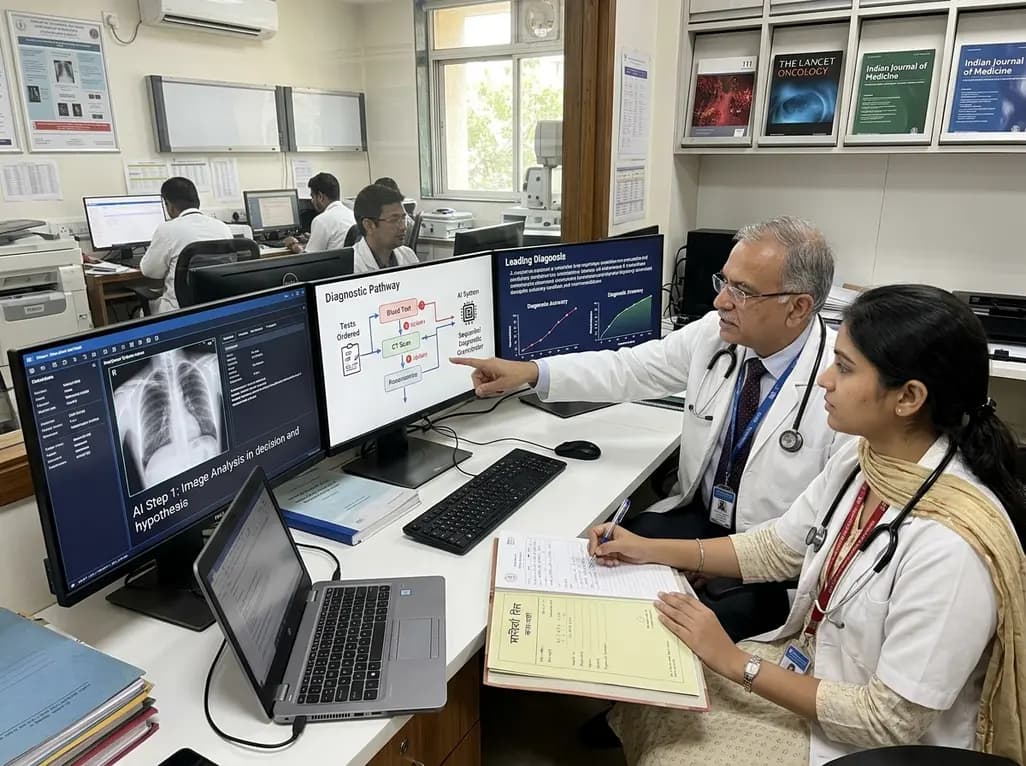
A breakthrough peer-reviewed study demonstrates that a sequential AI diagnosis system can mirror real-world clinical reasoning. By ordering stepwise tests and updating hypotheses dynamically, this multi-agent orchestrator achieved superior diagnostic accuracy while reducing investigative costs.
Today
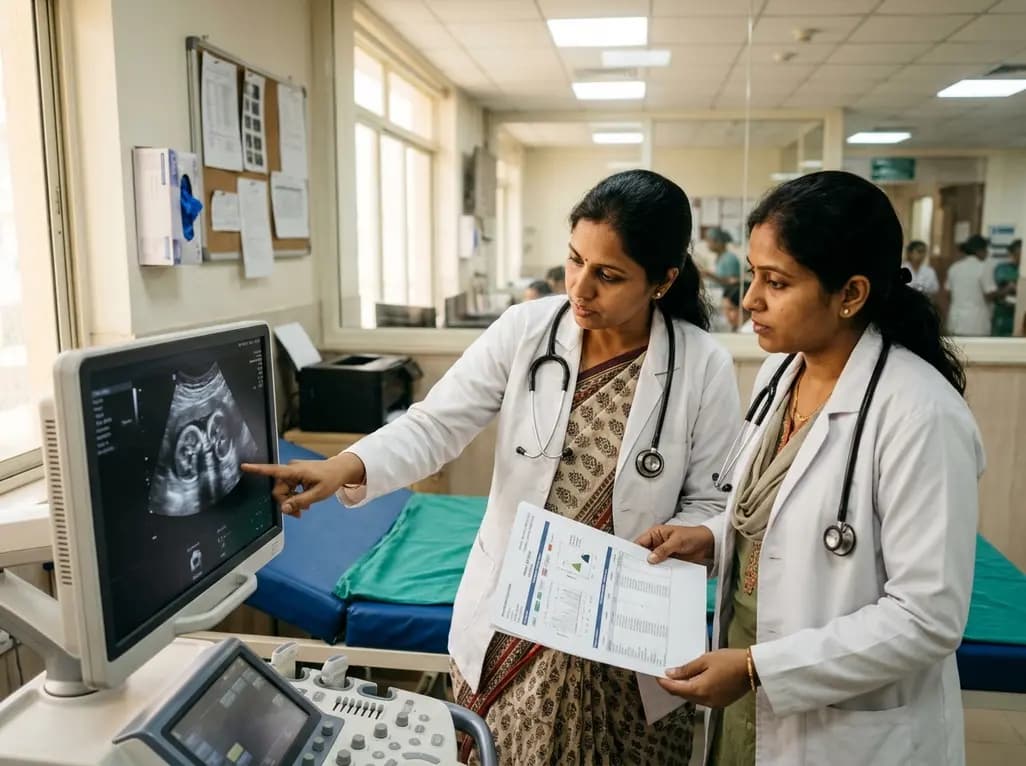
A prenatal case highlights severe glutaric acidemia type II presenting as bilateral hyperechoic cystic kidneys at 18 weeks. Whole-exome sequencing revealed a novel homozygous ETFDH frameshift variant, demonstrating the power of rapid genetic testing in fetal renal anomalies.
Today

Review how tailored exercise programs benefit frail older patients with heart failure. Explore pathophysiological mechanisms, individualized training prescriptions, and strategies to overcome adherence barriers in clinical practice.
Yesterday
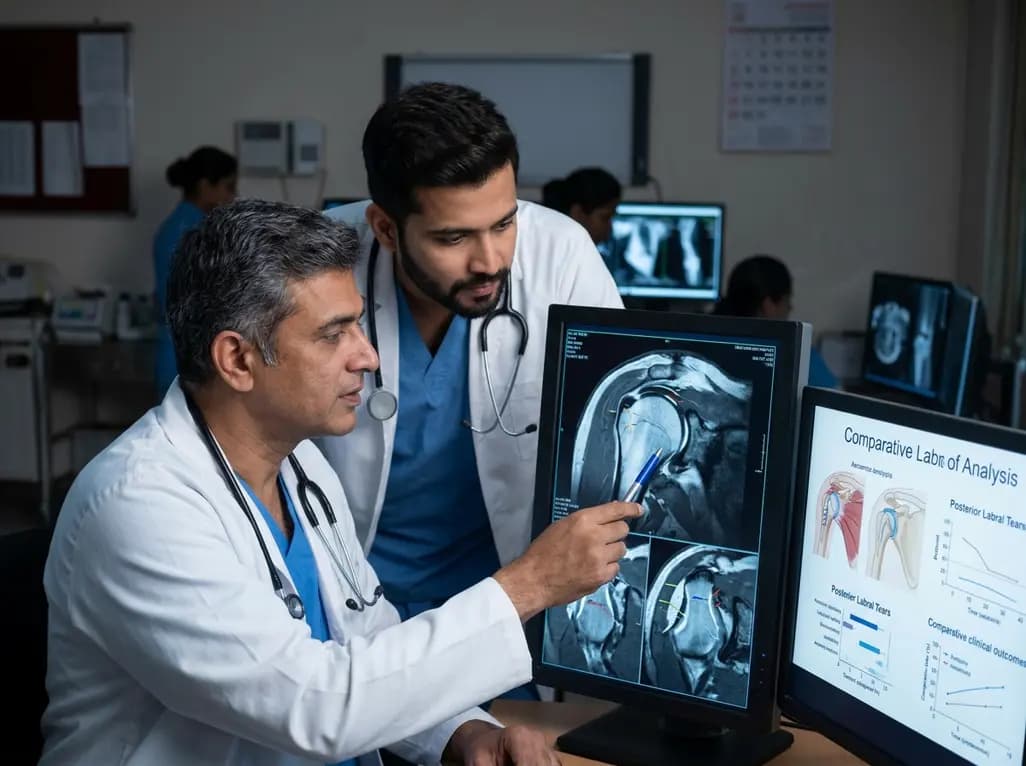
This comparative study evaluates posterior labral tears with and without glenohumeral instability, highlighting distinct demographic patterns, MRI underestimation in stable shoulders, and successful arthroscopic repair outcomes.
Yesterday

A clinical study demonstrates that early intervention with tocilizumab, either as monotherapy or bridged with corticosteroids, achieves significant proptosis reduction and resolves active inflammation in treatment-naive thyroid eye disease.
Yesterday
