.webp&w=384&q=75)

Loading, please wait...
Loading, please wait...

Cervical cancer remains a significant global health challenge, particularly among minority and immigrant populations who often experience lower screening rates. Understanding cervical cancer screening beliefs is essential for healthcare providers to bridge this gap effectively. A recent study has introduced the Cervical Cancer Screening Beliefs Questionnaire (CCSBQ), a culturally sensitive tool designed to measure knowledge and attitudes toward screening among immigrant women.
The development of the CCSBQ involved a rigorous psychometric assessment with a large sample of 871 immigrant women. Researchers initially drew items from extensive literature reviews and preliminary qualitative studies. Subsequently, a panel of experts and lay women evaluated the questionnaire for face and content validity. The final version consists of a 17-item scale categorized into three distinct subscales.
Statistical analysis confirmed that the CCSBQ possesses high internal consistency and construct validity. For instance, Cronbach's alpha for the three subscales ranged from 0.71 to 0.88. Furthermore, women with better knowledge of the disease perceived fewer barriers to screening. Consequently, they demonstrated more proactive attitudes toward health check-ups and a stronger intention to attend screenings in the near future.
Healthcare providers can use this validated tool to identify specific cultural and personal hurdles that prevent women from attending life-saving appointments. Because the questionnaire is reliable and valid, it allows for the creation of tailored educational interventions. Such strategies are vital for increasing participation among underserved groups, including immigrants and regional migrant populations in diverse countries like India. Moreover, addressing these beliefs directly can help clinicians overcome the stigma often associated with reproductive health screenings.
The CCSBQ provides a robust framework for assessing the complex factors that influence screening behavior. By addressing negative cervical cancer screening beliefs through evidence-based assessment, clinicians can improve early detection rates and significantly reduce the burden of cervical cancer globally.
The CCSBQ is a 17-item psychometric tool designed to measure the knowledge, attitudes, and cultural beliefs of women regarding cervical cancer and its screening processes.
It allows healthcare professionals to pinpoint specific barriers, such as lack of knowledge or fear of the procedure. This enables them to provide more personalized and culturally sensitive patient education to improve screening uptake.
Yes. While developed with immigrants in Australia, the tool's focus on cultural barriers and literacy levels is highly applicable to the diverse and often underserved female population in India, where cervical cancer incidence remains high.
Disclaimer: This content is for informational and educational purposes only. It is not intended to be a substitute for professional medical advice, diagnosis, or treatment. Always seek the advice of your physician or other qualified health provider with any questions you may have regarding a medical condition. Refer to the latest local and national guidelines for clinical practice.
References
Kwok C et al. Cervical Cancer Screening Beliefs Questionnaire: Development and Psychometric Assessment With Immigrants in Australia. West J Nurs Res. 2026 May 15. doi: 10.1177/01939459261440462. PMID: 42138048.
World Health Organization. Global strategy to accelerate the elimination of cervical cancer as a public health problem. Geneva: World Health Organization; 2020.
Narayana G, et al. Knowledge, attitudes, and barriers to screening for cervical cancer among women in India: a review. WCRJ. 2016; 3(3): e750.

Read summarized clinical updates, watch expert medical content, and earn CME certifications right from your smartphone.
Open your smartphone camera to scan and install.





The CCSBQ is a validated 17-item tool for assessing cultural beliefs, knowledge, and attitudes regarding cervical cancer screening among immigrant populatio...
5 months ago
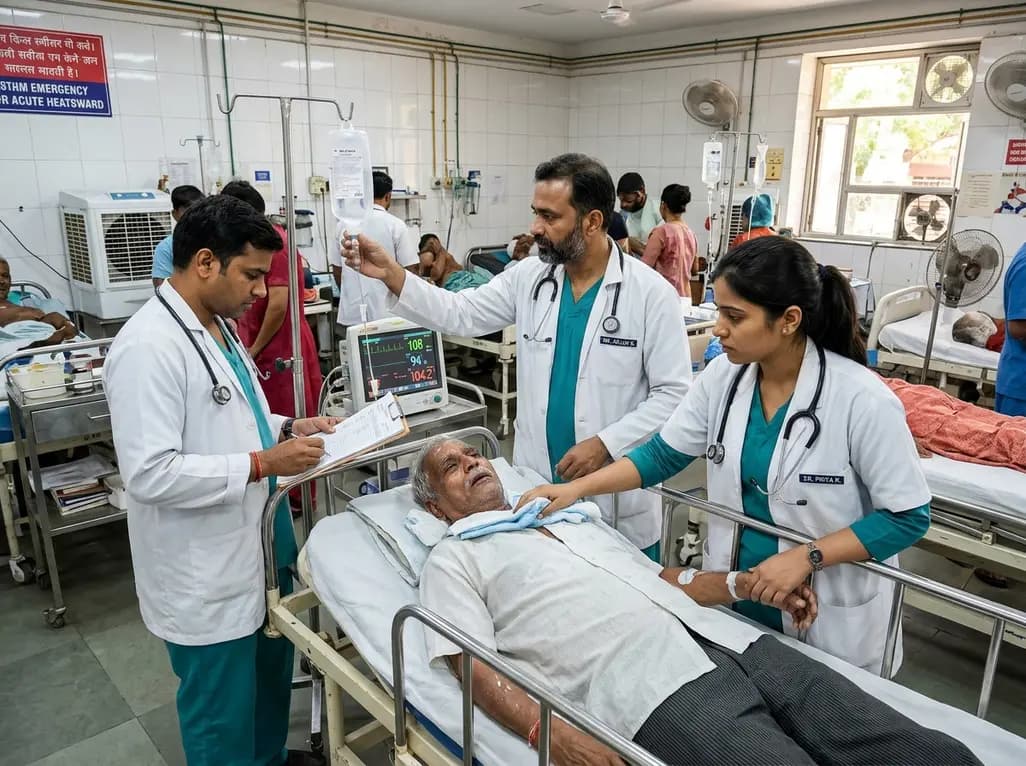
Recent epidemiological data reveals a dramatic surge in summer heat mortality driven by human-induced climate warming. This analysis explores the pathophysiological impacts on cardiac and renal systems, diagnostic dilemmas in death certification, and essential emergency cooling protocols for acute clinical care.
Today
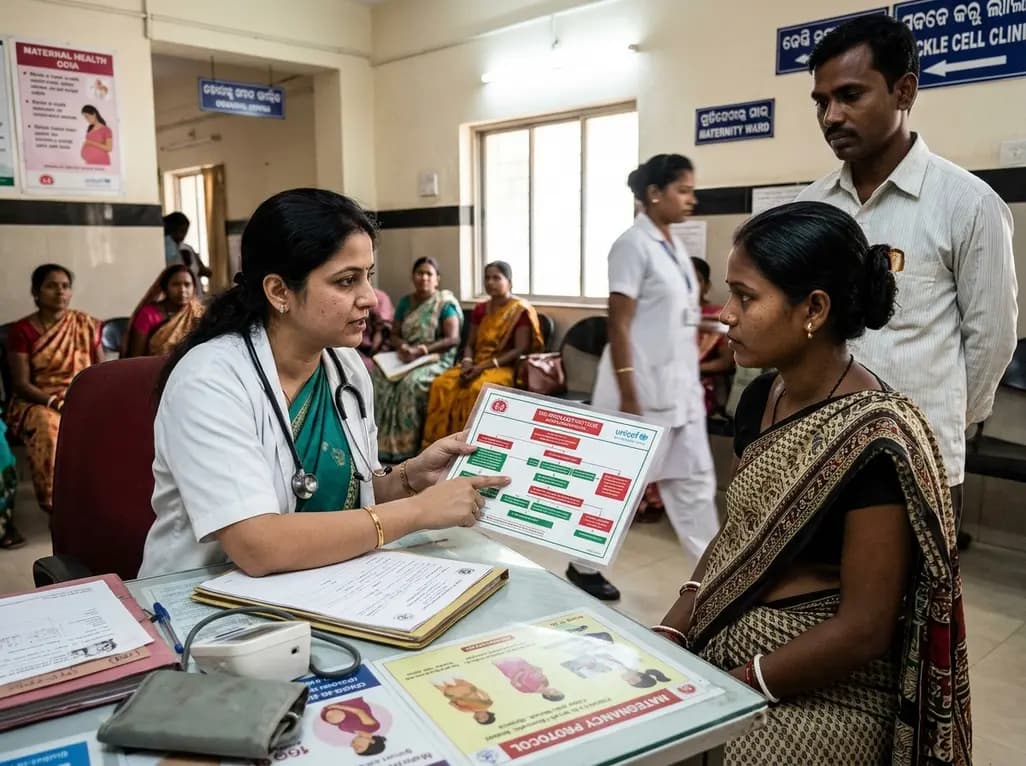
Odisha has established India's first state-level clinical protocol specifically tailored for pregnant women with sickle cell disease. Developed with NHM and UNICEF, the framework provides structured antenatal screening, crisis mitigation, standardized referral pathways, and specialized interdisciplinary care.
Today

India is advancing preventive healthcare by integrating genomics, artificial intelligence, and quantum technologies. With the SANGAM programme sequencing one million Indian genomes, clinicians can unlock personalized therapies, detect cardiometabolic risks early, and curb the burden of diabetes and heart disease.
Today
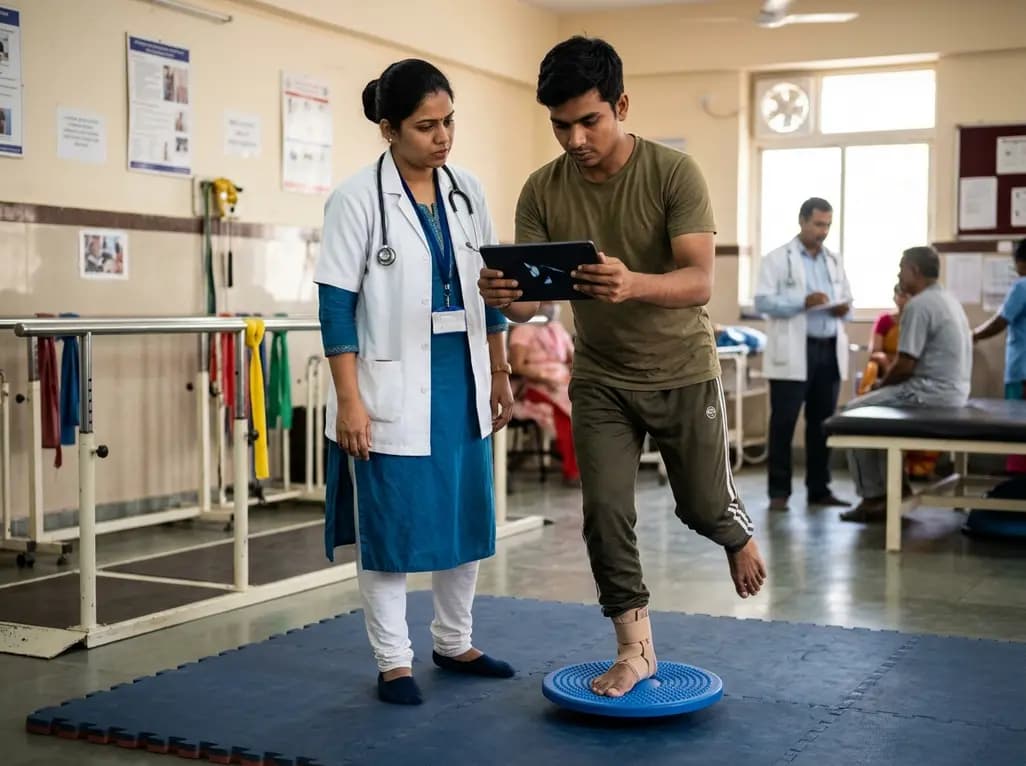
A randomized controlled trial demonstrates that an eight-week dual-task training intervention significantly improves static and dynamic postural control over standard balance exercises in individuals with chronic ankle instability, addressing critical neurocognitive deficits during athletic and daily activities.
Today

A retrospective cohort study of 7,716 ICU patients from the MIMIC-IV database demonstrates that Gradient Boosting Decision Trees significantly outperform traditional SOFA scores in predicting in-hospital mortality among patients with sepsis and diabetes, with SHAP analysis providing clinical interpretability.
Today
