.webp&w=384&q=75)

Loading, please wait...
Loading, please wait...
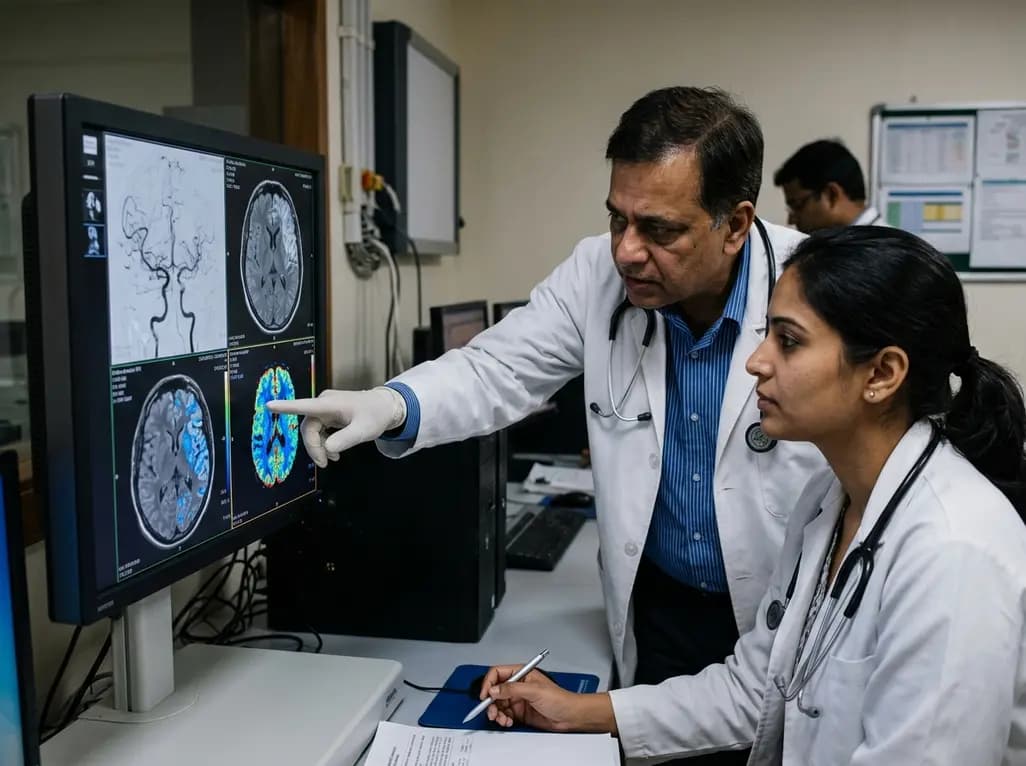
Moyamoya vasculopathy presents a complex therapeutic challenge regarding how to optimize surgical revascularization across diverse clinical presentations. Clinicians increasingly evaluate cerebrovascular reactivity in moyamoya to quantify hemodynamic compromise before selecting between direct bypass and indirect revascularization techniques. Recent prospective evidence demonstrates that baseline vascular reserve metrics offer decisive predictive power regarding postoperative hemodynamic recovery. Consequently, assessing quantitative hemodynamic parameters enables neurosurgeons and neurologists to tailor surgical interventions effectively. This objective strategy minimizes perioperative ischemic complications and optimizes durable outcomes.
Moyamoya disease causes progressive, non-atherosclerotic stenosis of the terminal internal carotid arteries, triggering fragile collateral vessel formation. Because these compensatory pathways frequently fail to supply adequate perfusion, patients remain susceptible to recurrent transient ischemic attacks and cerebral infarctions. Furthermore, chronic autoregulatory vasodilation progressively exhausts parenchymal vascular reserve across threatened cortical territories. Under these compromised conditions, evaluating microvascular responsiveness to vasodilatory stimuli becomes crucial for grading ischemic severity.
Hypercapnic blood oxygenation-level dependent magnetic resonance imaging measures how residual cerebral arterioles dilate under hypercapnic challenge. Specifically, measuring maximal cerebrovascular reactivity reveals the remaining ceiling of vascular reserve within impaired vascular territories. In addition, severe hemodynamic impairment alters regional blood transit, causing marked delays in peak vessel recruitment. Therefore, functional mapping of vascular capacity provides critical pathophysiological insights that surpass static anatomical luminal imaging.
Traditional catheter angiography reliably identifies anatomical steno-occlusion, but it cannot fully characterize microvascular perfusion dynamics or tissue-level reserve. In contrast, non-invasive functional MRI paired with a controlled hypercapnic respiratory challenge captures both the magnitude and timing of cerebrovascular responsiveness. Clinicians calculate maximal reactivity alongside the temporal delay required for regional vessels to achieve peak dilation.
Patients with advanced vasculopathy frequently exhibit negative reactivity, reflecting dangerous vascular steal phenomena where blood diverts away from exhausted territories toward healthier regions. Moreover, prolonged response times indicate that surviving collateral channels require extended transit intervals to augment blood flow. When clinicians evaluate these quantitative metrics before surgery, they uncover subtle hemodynamic deficits that conventional angiograms miss. Consequently, integrating response latency with amplitude mapping refines preoperative risk stratification across diverse patient cohorts.
Surgical revascularization remains the definitive treatment for moyamoya vasculopathy, categorizing broadly into direct, indirect, or combined operative techniques. Direct revascularization, most commonly superficial temporal artery to middle cerebral artery bypass, immediately augments regional cerebral blood flow. Therefore, direct bypass provides rapid relief to severely ischemic territories facing imminent infarction risks.
Conversely, indirect techniques, including encephaloduroarteriosynangiosis and pial synangiosis, rely on spontaneous neoangiogenesis from vascularized tissue flaps over several months. These indirect methods are technically straightforward and particularly beneficial in pediatric patients or individuals with fragile donor vessel anatomy. However, predicting which patients will develop robust collateralization remains an ongoing clinical challenge. When choosing the optimal surgical strategy, multidisciplinary teams must balance immediate hemodynamic demand against long-term angiogenic potential. Thus, physiological biomarkers that forecast revascularization efficacy play a vital role in operative selection.
A prospective longitudinal study evaluated North American patients undergoing direct or indirect revascularization using pre- and post-surgical hypercapnic magnetic resonance imaging. The investigators demonstrated that presenting maximal reactivity and response latency strongly determine postoperative hemodynamic recovery across revascularized hemispheres. Specifically, cortical regions exhibiting severe baseline reactivity deficits and prolonged delays achieved the greatest magnitude of hemodynamic improvement after successful surgery.
Furthermore, multivariable regression models confirmed that baseline physiological impairment predicted significant gains in maximal reactivity and meaningful reductions in transit delay. Both direct bypass and indirect synangiosis effectively restored vascular reserve, although physiological trajectories differed based on initial severity. Consequently, these findings validate hypercapnic imaging as an objective biomarker of surgical efficacy. Ultimately, documented hemodynamic normalization correlates with improved functional stability and reduced recurrent ischemic events in long-term follow-up.
Applying quantitative reactivity mapping transforms clinical neurovascular workflows by shifting focus from simple anatomical narrowing to functional tissue vulnerability. For instance, identifying profound vascular steal signals an urgent need for direct bypass to prevent imminent infarction. In contrast, territories with preserved response latency may safely undergo indirect synangiosis with lower perioperative complication risks.
In addition, quantitative imaging helps clinicians counsel patients more accurately regarding expected recovery timelines and long-term functional prognosis. Routine postoperative monitoring can subsequently verify whether newly established collateral networks have restored physiological reserve to normal levels. If follow-up scans reveal persistent hemodynamic delays or absent reactivity, clinicians can promptly consider supplemental revascularization procedures. Therefore, incorporating objective hemodynamic profiling optimizes surgical triage, refines postoperative follow-up schedules, and improves individual patient outcomes.
Implementing standardized hypercapnic protocols in routine neuroimaging requires close multidisciplinary collaboration between neurosurgery, neurology, and neuroradiology teams. Standardizing five percent inspired carbon dioxide challenges ensures reproducible, patient-friendly physiological assessments without inducing systemic distress or adverse ischemic events. Moreover, rapid non-invasive MRI protocols reduce reliance on repeated invasive catheter angiographies during longitudinal follow-up.
As advanced imaging software integrates automated regression analyses, clinicians will obtain real-time parametric maps of vascular reserve during routine outpatient evaluations. Furthermore, ongoing multicenter studies are investigating how combining reactivity mapping with advanced perfusion modalities can refine patient selection algorithms. Ultimately, expanding access to physiological neuroimaging will standardize moyamoya management globally, enabling individualized surgical strategies tailored to real-time hemodynamic reserve.
Presurgical cerebrovascular reactivity quantifies exhausted vascular reserve and prolonged response times within threatened brain regions. Patients exhibiting significant baseline hemodynamic impairment and vascular steal consistently demonstrate the greatest magnitude of postoperative recovery and transit time normalization following both direct bypass and indirect revascularization procedures.
Direct revascularization immediately supplements cerebral blood flow by connecting an external carotid branch to an intracranial vessel. Conversely, indirect revascularization places vascularized tissue onto the brain surface to induce gradual neoangiogenesis over several months, making it particularly suitable for pediatric patients with fragile cortical vessels.
Clinicians measure cerebrovascular reactivity using blood oxygenation-level dependent magnetic resonance imaging during a controlled hypercapnic respiratory challenge. The protocol delivers five percent inspired carbon dioxide, allowing time-regression algorithms to calculate maximal vasodilatory amplitude and response delays across all cerebral vascular territories without requiring radioactive tracers.
Disclaimer: This content is for informational and educational purposes only. It is not intended to provide medical advice, diagnosis, or treatment. Refer to the latest local and national guidelines for clinical practice.
References

Read summarized clinical updates, watch expert medical content, and earn CME certifications right from your smartphone.
Open your smartphone camera to scan and install.





A prospective longitudinal study demonstrates that presurgical cerebrovascular reactivity and response delay strongly predict postoperative hemodynamic recovery in patients with moyamoya vasculopathy undergoing direct and indirect revascularization, establishing objective imaging biomarkers for surgical triage.
last month

A review highlights how N-acetyl-L-cysteine influences pancreatic beta cells differently across metabolic states. While it protects islets during glucolipotoxicity and diabetes, excessive antioxidant exposure during physiological or aging states can induce reductive stress and impair insulin release.
Today
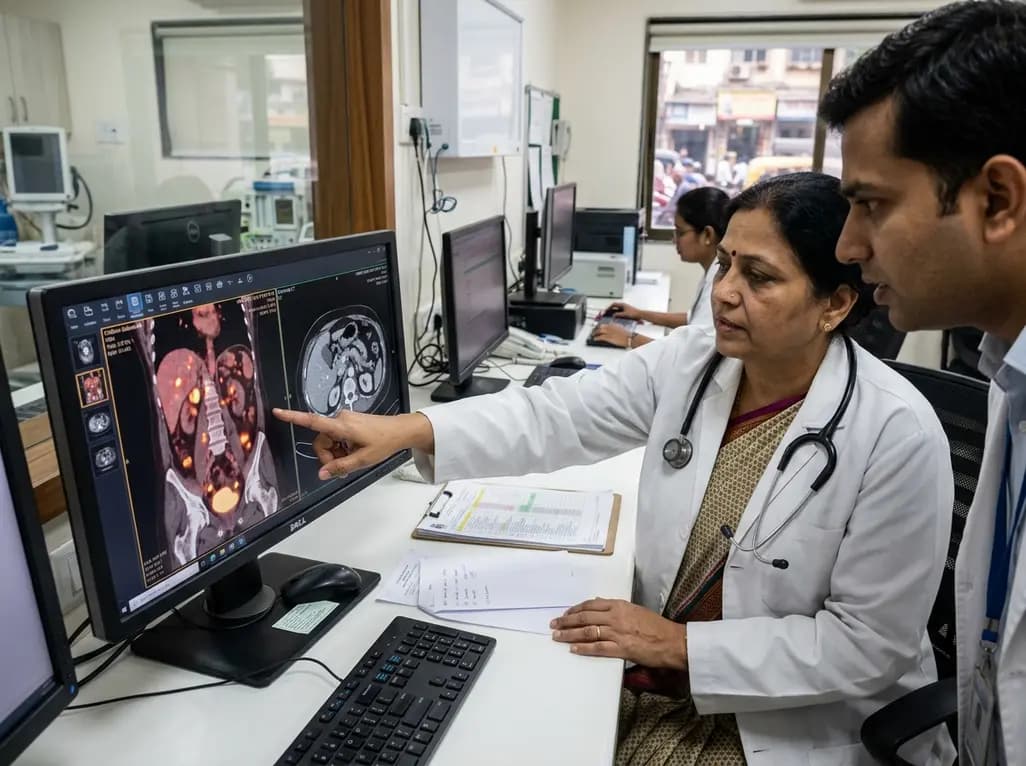
A landmark prospective study reveals gallium-68 FAPI PET/CT achieves 81.8% sensitivity in mapping peritoneal carcinomatosis in epithelial ovarian cancer, surpassing contrast CT. By resolving small bowel and mesenteric deposits, this molecular imaging alters treatment decisions in up to 21% of surgical candidates.
Today
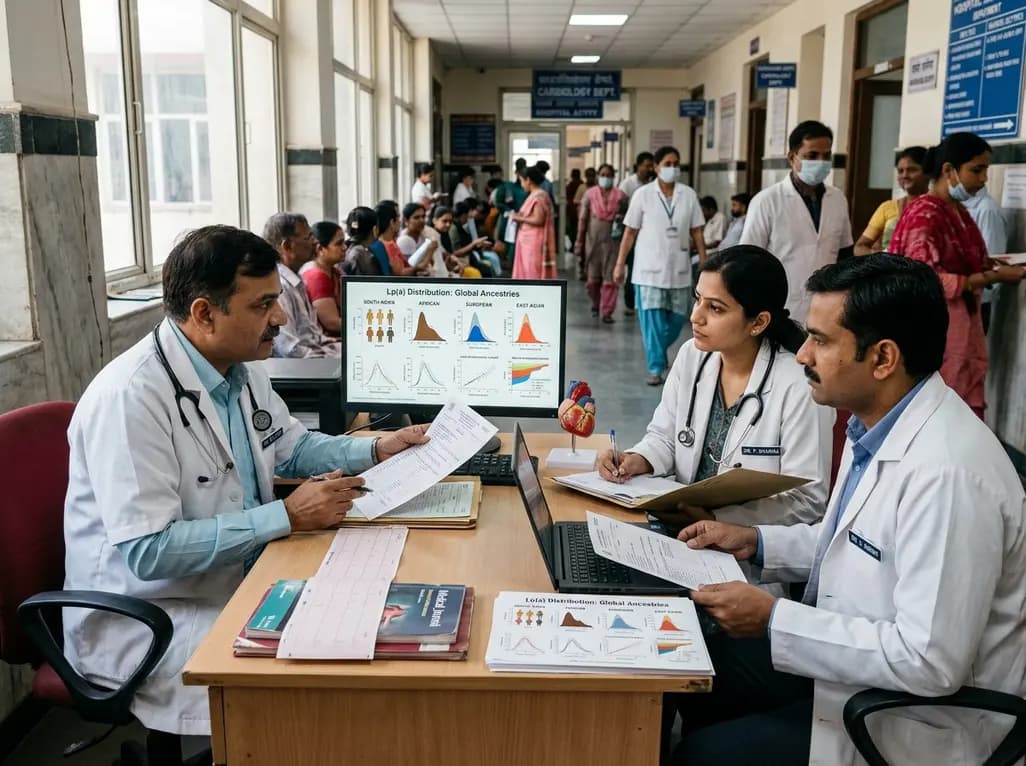
Atherosclerotic cardiovascular disease guidelines often rely on European-derived lipoprotein(a) cutoffs. However, baseline Lp(a) levels vary widely across ancestries, including South Asians and Africans. Clinicians must interpret Lp(a) values within overall absolute cardiovascular risk.
Today
A longitudinal study of 1,055 chronic low back pain patients reveals that higher patient activation fosters constructive pain medication attitudes, reduces disability, and decreases short- and long-term opioid use through collaborative, multimodal care.
Yesterday
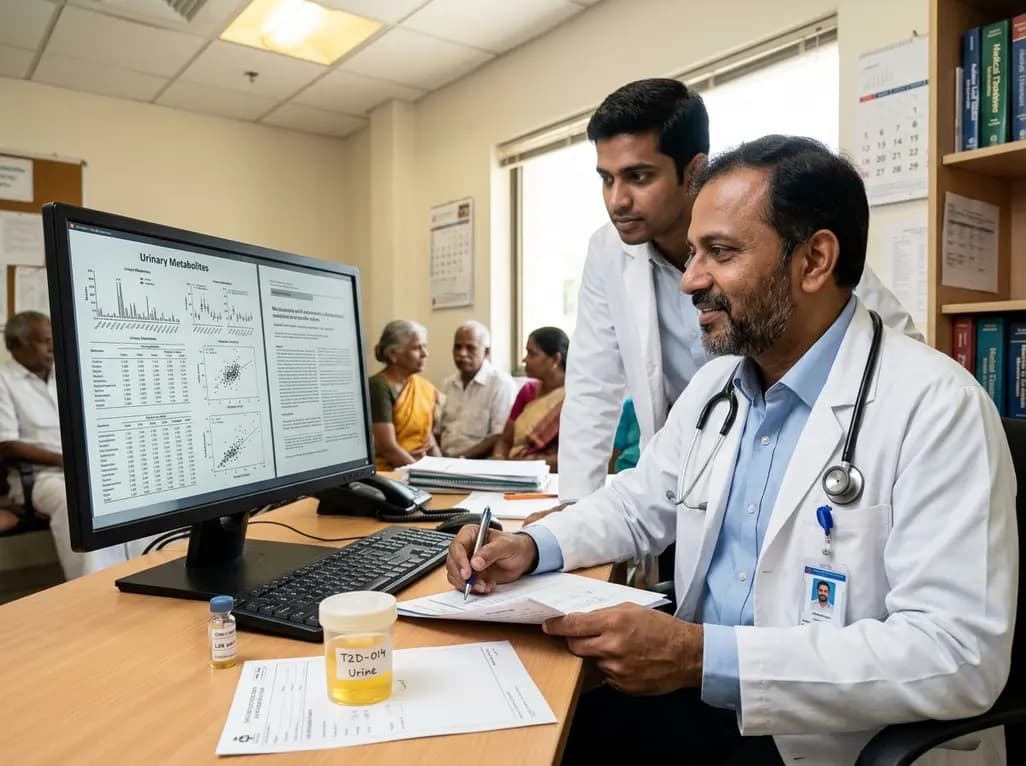
A landmark cross-sectional study in Asian adults with type 2 diabetes identifies novel urinary metabolites linked to mild cognitive impairment. Elevated urinary sucrose and altered metabolites highlight non-invasive pathways for early cognitive risk stratification and targeted metabolic management.
Yesterday
