.webp&w=384&q=75)

Loading, please wait...
Loading, please wait...

The therapeutic paradigm for transplant-ineligible multiple myeloma has evolved rapidly with quadruplet immunotherapy. Historically, clinicians relied on triplet regimens combining bortezomib, lenalidomide, and dexamethasone for newly diagnosed patients. However, many vulnerable older individuals still experienced early disease relapse and suboptimal response depth. To address this clinical hurdle, researchers integrated daratumumab, a targeted human anti-CD38 monoclonal antibody, into frontline therapy. The phase III CEPHEUS trial evaluated whether adding subcutaneous daratumumab to standard triplet therapy improves patient outcomes. Consequently, investigators analyzed depth of response, progression intervals, and safety profiles in this vulnerable population. In addition, deep eradication of clonal plasma cells remains the primary goal of modern myeloma therapy. Achieving sustained clearance correlates directly with prolonged survival across diverse patient subsets. Therefore, oncologists carefully track minimal residual disease kinetics during initial treatment cycles. Furthermore, modern quadruplet therapy targets distinct plasma cell mechanisms simultaneously to prevent clonal resistance. As a result, combining monoclonal antibodies with proteasome inhibitors and immunomodulatory drugs generates potent anti-myeloma synergy. Ultimately, this therapeutic approach delivers durable remissions while maintaining physical well-being in non-transplant candidates. Indeed, initial findings confirm clinical superiority.
The multicenter phase III CEPHEUS trial randomized 395 patients with newly diagnosed disease who were transplant-ineligible or transplant-deferred. Within this population, a prespecified subgroup analysis focused strictly on 289 transplant-ineligible individuals. Specifically, the study allocated 144 patients to receive DVRd and 145 patients to receive standard VRd. Eligible participants were either age 70 years or older, or between 18 and 70 years with substantial comorbidities. Notably, baseline clinical characteristics and frailty scores remained well balanced between both cohorts. Treatment comprised eight 21-day cycles of bortezomib, lenalidomide, and dexamethasone, with or without subcutaneous daratumumab. Subsequently, patients received continuous lenalidomide and dexamethasone maintenance until disease progression or intolerable toxicity occurred. In the experimental arm, patients continued subcutaneous daratumumab alongside maintenance therapy. In addition, investigators evaluated minimal residual disease using highly sensitive next-generation sequencing assays at 10⁻⁵ sensitivity. Consequently, the study captured rigorous longitudinal data regarding clonal clearance. Furthermore, investigators monitored treatment adherence and dose modifications across diverse community and academic centers. Thus, the trial provides meaningful evidence regarding quadruplet feasibility in routine clinical oncology practice. Therefore, these parameters reflect real-world populations.
The trial demonstrated striking improvements in minimal residual disease negativity among patients receiving the quadruplet combination. At a median follow-up of 58.7 months, the MRD negativity rate reached 60.4% with DVRd versus 39.3% with VRd. Consequently, this outcome established a statistically significant benefit favoring the daratumumab arm with a p-value of .0004. Furthermore, patients in the quadruplet group exhibited significantly superior sustained clearance over extended observation periods. Specifically, sustained MRD negativity for 12 months or longer occurred in 47.2% of DVRd patients compared to 28.3% receiving VRd. Moreover, 40.3% of DVRd patients maintained MRD negativity for at least 24 months versus 22.8% of control patients. In addition, achieving deep clonal eradication at the 10⁻⁵ threshold predicts long-term remission in multiple myeloma. These results confirm that adding daratumumab produces unprecedented cytoreduction in older adults. Therefore, clinicians can utilize MRD assessment to confirm disease control and monitor ongoing response depth. Ultimately, durable negativity protects vulnerable patients from early clinical progression and symptomatic end-organ damage. Importantly, clonal suppression remained consistent across high-risk genetic subgroups. Thus, quadruplet therapy effectively overcomes adverse biological disease characteristics.
The marked depth of response with DVRd translated into significant gains in progression-free survival. The subgroup analysis revealed a 49% reduction in the risk of disease progression or death with DVRd. Specifically, the hazard ratio for progression-free survival stood at 0.51, demonstrating profound statistical significance. In addition, long-term survival curves separated early and maintained consistent divergence throughout five years of monitoring. This sustained disease control prevented rapid biochemical relapse and clinical deterioration in vulnerable older individuals. Meanwhile, overall survival analyses continue to show an encouraging favorable trend supporting the quadruplet regimen. Notably, the hazard ratio for overall survival was 0.66, indicating substantial potential life prolongation. Clinicians previously worried that intensified quadruplet therapy might cause late treatment failure due to cumulative toxicities. However, the CEPHEUS data demonstrate that deep frontline cytoreduction confers enduring protective benefits. Consequently, early disease suppression establishes a resilient clinical plateau for transplant-ineligible patients. Therefore, frontloading therapy represents an essential strategic shift in geriatric myeloma care. Ultimately, these robust survival outcomes reinforce DVRd as an exceptional new standard of care. Indeed, avoiding relapse preserves survival.
The safety profile of DVRd in transplant-ineligible individuals proved manageable and consistent with known agent toxicities. Although quadruplet therapy increased rates of hematological adverse events, clinicians successfully managed cytopenias with standard supportive care. Specifically, neutropenia and thrombocytopenia occurred more frequently in the quadruplet cohort but rarely necessitated permanent discontinuation. Furthermore, prophylactic growth factors and antibacterial therapy effectively minimized the risk of severe febrile neutropenia. Subcutaneous administration of daratumumab and bortezomib dramatically reduced infusion-related reactions and peripheral neuropathy rates. Consequently, treatment discontinuation rates secondary to adverse events remained low across the DVRd arm. In addition, clinicians must tailor supportive strategies when managing elderly patients in resource-conscious environments like India. Generic immunomodulatory drugs and biosimilar proteasome inhibitors improve economic feasibility for widespread adoption. However, oncology teams must conduct routine laboratory monitoring and frailty assessments throughout maintenance therapy. For instance, temporary dose adjustments maintain quality of life while preserving long-term therapeutic intensity. Therefore, careful clinical supervision enables oncologists to maximize quadruplet benefits without compromising patient safety. Ultimately, these findings establish DVRd as an effective, tolerable, and transformative frontline standard. Thus, supportive care ensures treatment completion.
In the CEPHEUS trial subgroup analysis, the quadruplet regimen of DVRd demonstrated superior efficacy compared to standard VRd in transplant-ineligible patients. Specifically, DVRd achieved a significantly higher minimal residual disease negativity rate of 60.4% versus 39.3% with VRd. Furthermore, the regimen reduced the risk of disease progression or death by 49%. These profound responses proved durable, with 40.3% of DVRd patients sustaining minimal residual disease negativity for at least 24 months.
Clinicians managing patients on DVRd should anticipate increased frequencies of cytopenias, particularly neutropenia and thrombocytopenia. Therefore, routine monitoring of complete blood counts is essential throughout induction. In addition, oncologists should promptly administer granulocyte colony-stimulating factors and adjust lenalidomide dosages when moderate cytopenias emerge. Subcutaneous bortezomib administration significantly minimizes peripheral neuropathy, while prophylactic antiviral and antibacterial medications effectively prevent severe opportunistic infections. Consequently, proactive supportive interventions allow elderly patients to maintain optimal treatment adherence safely.
Ideal candidates for DVRd include newly diagnosed patients who cannot undergo autologous stem cell transplantation due to age or medical comorbidities but maintain adequate performance status. Specifically, patients classified as fit or intermediate-fit on standardized geriatric scales benefit most from this four-drug induction. In contrast, frail patients requiring gentler approaches may benefit more from doublet therapy or dose-modified regimens. Therefore, comprehensive geriatric assessment helps clinicians balance the superior efficacy of quadruplet regimens against individualized patient vulnerabilities.
Disclaimer: This content is for informational and educational purposes only... Refer to the latest local and national guidelines for clinical practice.
References

Read summarized clinical updates, watch expert medical content, and earn CME certifications right from your smartphone.
Open your smartphone camera to scan and install.





The phase III CEPHEUS trial transplant-ineligible subgroup analysis demonstrates that daratumumab plus VRd (DVRd) significantly improves MRD negativity and progression-free survival compared to VRd alone in newly diagnosed multiple myeloma, reinforcing DVRd as an essential standard of frontline care.
Today
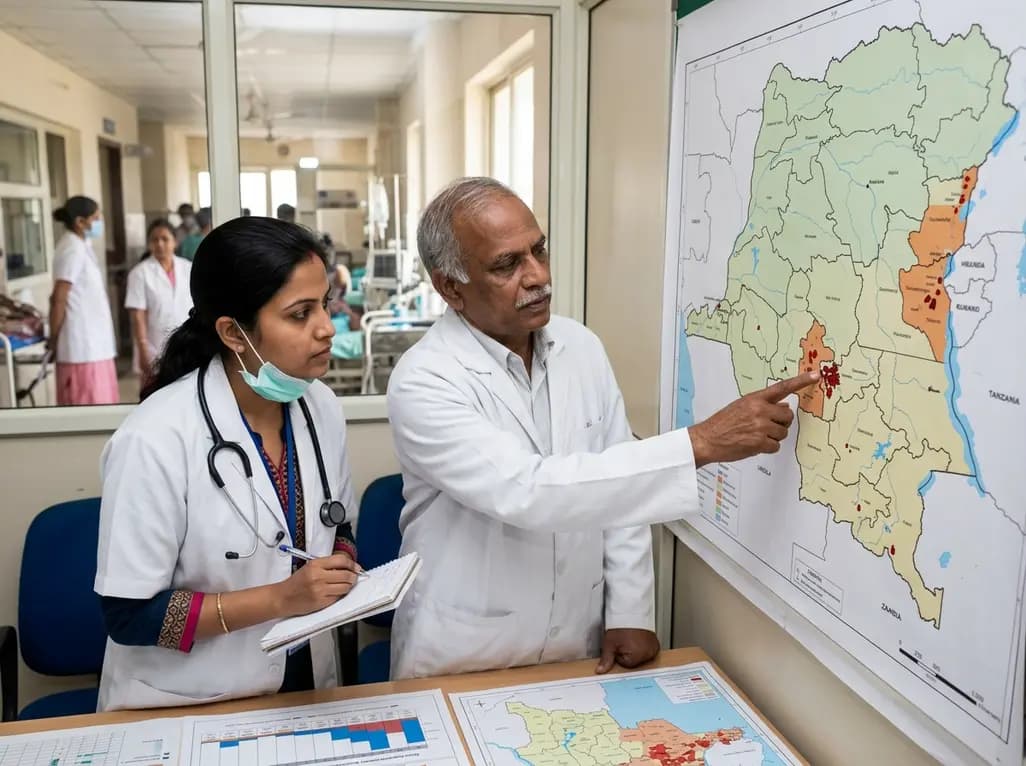
Epidemiologists and health leaders warn that active Ebola virus transmission in the Democratic Republic of Congo remains entrenched within communities. With fewer than ten percent of expected contacts monitored, public health officials urge rapid surveillance scale-up and reinforced healthcare precautions.
Today

A scoping review evaluates 116 studies on AI in women's reproductive health, finding that 83.6% carry high risk of bias. While ensemble models show promise, disparities and lack of validation hinder LMIC deployment.
Today
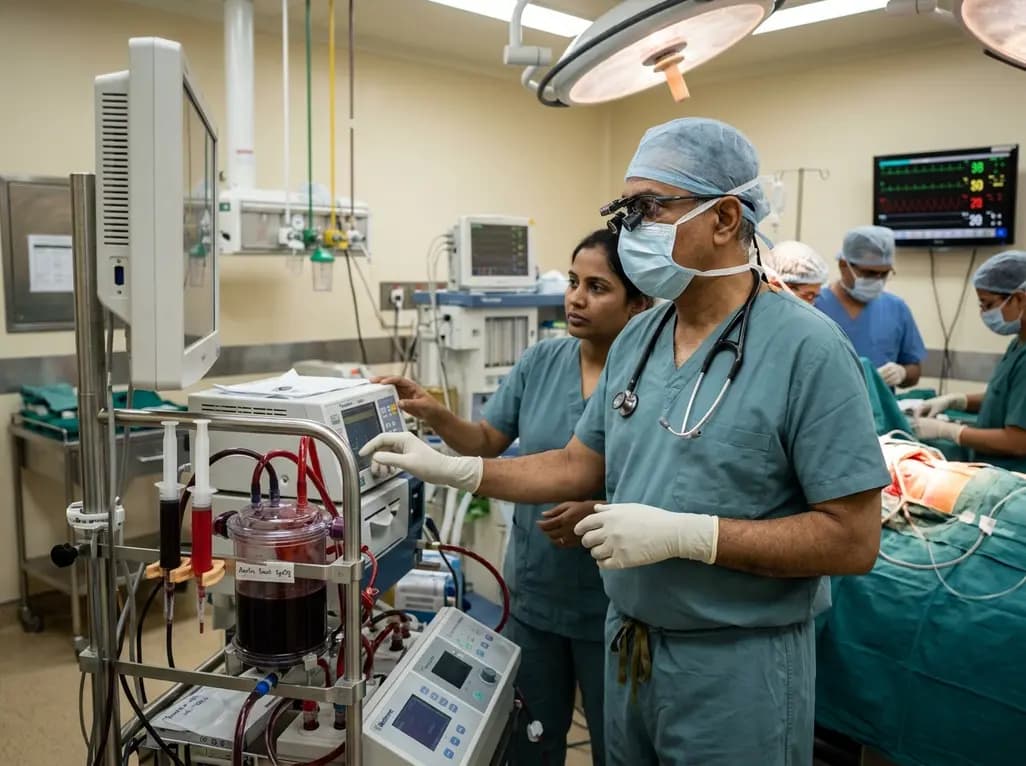
Differential oxygenation during peripheral TA-NRP can cause undetected coronary hypoxemia due to arch vessel clamping. A novel circuit with continuous aortic root monitoring detects desaturation early, facilitating left ventricular unloading and preventing allograft dysfunction and unnecessary heart discard.
Today

India faces significant opportunities to expand medical device exports to high-growth markets like Mexico, Brazil, and the UK. By addressing its trade deficit, advancing domestic component manufacturing, and aligning with global regulatory standards, the country aims to become an international healthcare hub.
Today

A post hoc analysis of the PARM-T2D study shows pemafibrate exerts baseline-dependent effects on LDL-C and particle size in type 2 diabetes and hypertriglyceridemia. It lowers triglycerides and remnants while favorably remodeling atherogenic LDL particles based on initial lipid control status.
Today
