.webp&w=384&q=75)

Loading, please wait...
Loading, please wait...

Pediatric drug-resistant epilepsy poses severe clinical challenges for pediatricians, neurologists, and neurosurgeons. When antiseizure medications fail to control seizures, children frequently suffer from cognitive impairment, physical injuries, and restricted social development. Consequently, surgical neuromodulation has emerged as an essential therapeutic frontier. Investigational therapies like centromedian deep brain stimulation offer new hope for children who are ineligible for curative resective surgery. Evidence from the prospective CHILD-DBS registry provides compelling insights into how targeted neuromodulation can reduce seizure burden while enhancing real-world functional outcomes.
Drug-resistant epilepsy affects approximately one-third of pediatric patients diagnosed with seizure disorders. In these children, seizures persist despite trials of multiple appropriate antiseizure medications. Repeated ictal episodes interrupt neurodevelopment and disrupt education. In addition, frequent seizures severely reduce overall quality of life for both patients and their families. Resective surgery remains the gold standard when a distinct epileptogenic focus exists. However, many pediatric patients present with multifocal or generalized epileptogenic networks. Therefore, resective or ablative procedures cannot safely control their condition.
In such challenging circumstances, neuromodulatory therapies provide an essential palliative alternative. Vagus nerve stimulation and responsive neurostimulation deliver partial relief for some patients, yet many individuals continue to experience disabling drop attacks and generalized convulsions. As a result, neurosurgeons have increasingly investigated deep thalamic targets. The centromedian nucleus functions as an integral relay hub within corticothalamic circuits. Thus, electrical modulation of this structure can disrupt synchrony across extensive cortical networks.
The centromedian nucleus of the thalamus maintains widespread reciprocal connections with the cerebral cortex, premotor areas, and basal ganglia. Because of this connectivity, it plays an indispensable role in regulating cortical excitability and maintaining vigilance. Animal models and human electrophysiological studies show that high-frequency stimulation of the centromedian nucleus desynchronizes pathological cortical activity. Consequently, centromedian deep brain stimulation can abort seizure propagation across diffuse cerebral networks.
Historically, deep brain stimulation primarily targeted the anterior thalamic nucleus for focal onset epilepsies. However, clinicians often prefer the centromedian nucleus for patients with generalized epilepsy, Lennox-Gastaut syndrome, and refractory bifrontal seizure networks. By interrupting thalamocortical synchrony, bilateral stimulation dampens generalized tonic-clonic episodes, atypical absences, and atonic drop attacks. Moreover, recent advancements in neuroimaging and tractography allow clinicians to target the nucleus with unprecedented anatomical accuracy, minimizing collateral current spread to adjacent thalamic structures.
The CHILD-DBS registry is a prospective, multicenter database designed to evaluate chronic neuromodulation outcomes in pediatric cohorts. In a pivotal study from this registry, researchers evaluated 22 children and youth who received bilateral thalamic implants. Caregivers and clinicians recorded seizure frequencies, seizure severity metrics, functional independence, and school attendance rates across a 12-month follow-up period. Furthermore, investigators analyzed patient-specific volumes of tissue activation to identify optimal anatomical stimulation coordinates.
The trial reported that 45% of children experienced at least a 50% reduction in seizure frequency, achieving a mean seizure reduction of nearly 67%. Additionally, one patient experienced a modest reduction of 37.5%. Most notably, 73% of the entire cohort exhibited a clinically meaningful decrease in overall seizure severity. This reduction in severity occurred even in several children who did not demonstrate significant drops in raw seizure counts. Thus, thalamic stimulation modifies the qualitative intensity and post-ictal burden of breakthrough events.
Traditional epilepsy research has often prioritized absolute seizure reduction while overlooking broader functional parameters. However, the CHILD-DBS registry prioritized patient-centered and caregiver-reported endpoints. Children who achieved meaningful reductions in seizure frequency demonstrated statistically significant improvements in general physical health, emotional well-being, and overall quality of life. Furthermore, reduced daytime sleepiness and faster post-ictal recovery enabled these young patients to engage more actively in daily family routines.
Importantly, the registry demonstrated significant gains in school attendance at one year following surgery. Before device implantation, severe seizures, frequent medication adjustments, and emergency hospitalizations frequently caused prolonged school absences. By dampening seizure frequency and severity, centromedian stimulation enabled children to attend classrooms more consistently. This regular participation fosters critical social development, improves peer interaction, and reduces caregiver anxiety. Consequently, therapeutic success extends well beyond numerical seizure diaries.
Accurate anatomical placement within the thalamus directly dictates therapeutic success in neuromodulation. The CHILD-DBS study utilized volume of tissue activation modeling to pinpoint optimal stimulation hotspots within the centromedian complex. Investigators determined that electric fields engaging the lateral and anterior aspects of the nucleus correlated with superior seizure reduction. These regions maintain dense structural connectivity with sensorimotor and frontal association cortices.
Conversely, off-target stimulation near adjacent thalamic nuclei or the internal capsule can provoke motor contractions or sensory paresthesias. By leveraging advanced structural connectomics, surgical teams can now personalize contact selection and current parameters. Furthermore, modern directional leads and closed-loop sensing platforms promise to optimize therapy continuously. Thus, refined surgical planning ensures maximum network engagement while preserving cognitive and neurological functioning in the developing pediatric brain.
For treating physicians, these registry outcomes highlight the importance of timely multidisciplinary evaluation. Pediatric drug-resistant epilepsy causes progressive encephalopathic decline if left unchecked. Therefore, clinicians must identify prospective candidates for palliative neuromodulation early rather than treating surgery as a last resort. When resective surgery is impossible, bilateral centromedian stimulation represents a viable, reversible intervention.
However, clinicians must communicate realistic expectations to caregivers before surgery. Complete seizure freedom remains uncommon with neuromodulation alone. Instead, parents must understand that therapy aims to decrease seizure severity, shorten recovery times, and improve overall life quality. Coordinated care involving pediatric neurologists, neurosurgeons, neuropsychologists, and rehabilitation teams remains essential to monitor neurodevelopmental milestones and manage stimulation settings throughout childhood and adolescence.
Centromedian deep brain stimulation is a surgical neuromodulation therapy. Neurosurgeons implant fine electrodes into the centromedian nucleus of the thalamus. An implanted pulse generator delivers controlled electrical impulses that disrupt pathological brain wave synchronization, reducing seizure frequency and severity in patients with medically refractory epilepsy.
The therapy lessens seizure frequency and dampens overall seizure severity. Consequently, children experience fewer emergency hospitalizations, shorter post-ictal recovery times, and reduced physical injuries. These cumulative clinical improvements help children participate in daily activities, attend school consistently, and enjoy better social engagement and emotional well-being.
Centromedian stimulation is primarily a palliative treatment rather than a definitive cure. Although some patients achieve marked seizure control, complete seizure freedom occurs in only a small minority. The principal therapeutic goals include reducing seizure frequency, minimizing seizure severity, and improving long-term functional development.
Disclaimer: This content is for informational and educational purposes only and does not constitute medical advice, diagnosis, or treatment. Healthcare professionals should exercise their independent clinical judgment when managing patients. Refer to the latest local and national guidelines for clinical practice.
References

Read summarized clinical updates, watch expert medical content, and earn CME certifications right from your smartphone.
Open your smartphone camera to scan and install.





Recent findings from the CHILD-DBS registry reveal that centromedian deep brain stimulation significantly reduces seizure frequency and severity in pediatric drug-resistant epilepsy, driving major gains in quality of life and school attendance for affected children and their caregivers.
Today
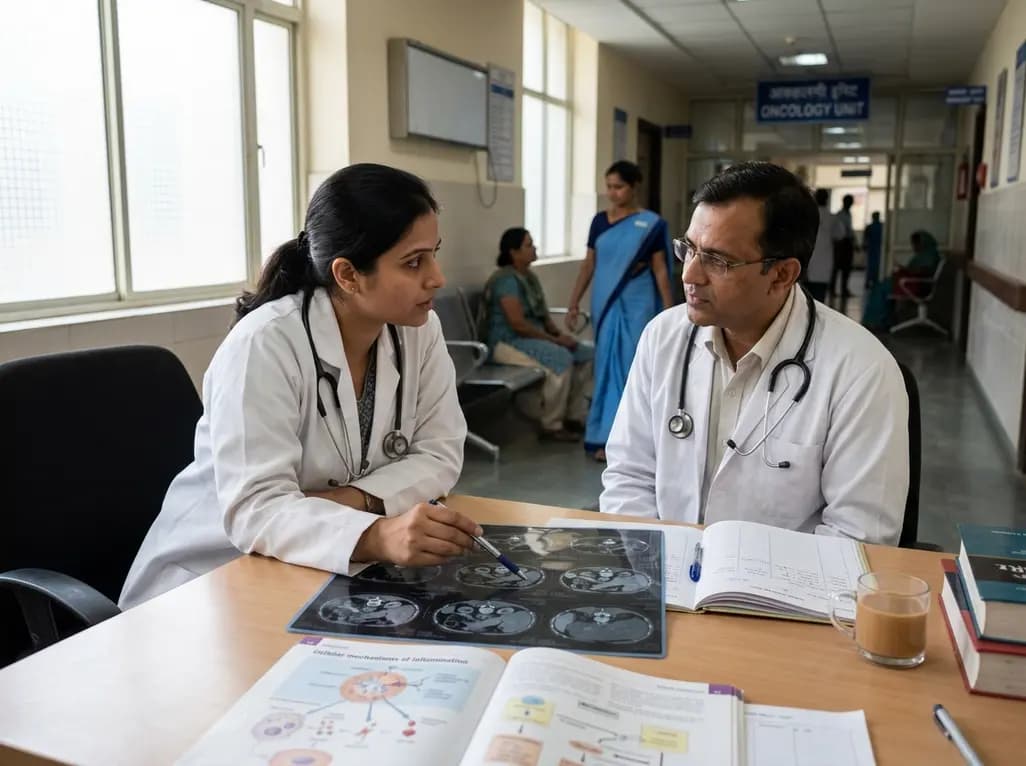
Pancreatic cancer cachexia affects over 80% of patients, driving severe muscle wasting, systemic inflammation, and treatment intolerance. This review highlights key pathophysiological drivers, exocrine insufficiency, objective CT imaging, and emerging therapies like GDF-15 inhibitors to improve clinical outcomes.
Today

A scoping review reveals how pregnancy affects phonation through laryngeal edema and reduced phonation time rather than major acoustic pitch alterations. Learn how to identify, evaluate, and manage vocal symptoms in expectant mothers.
Today

According to WHO data, average lifespan reached 73.3 years in 2023, recovering from pandemic lows. However, healthy life expectancy lags at 62.8 years due to surging noncommunicable conditions like cardiovascular disease and dementia, demanding proactive primary screening and sustained chronic care.
Today
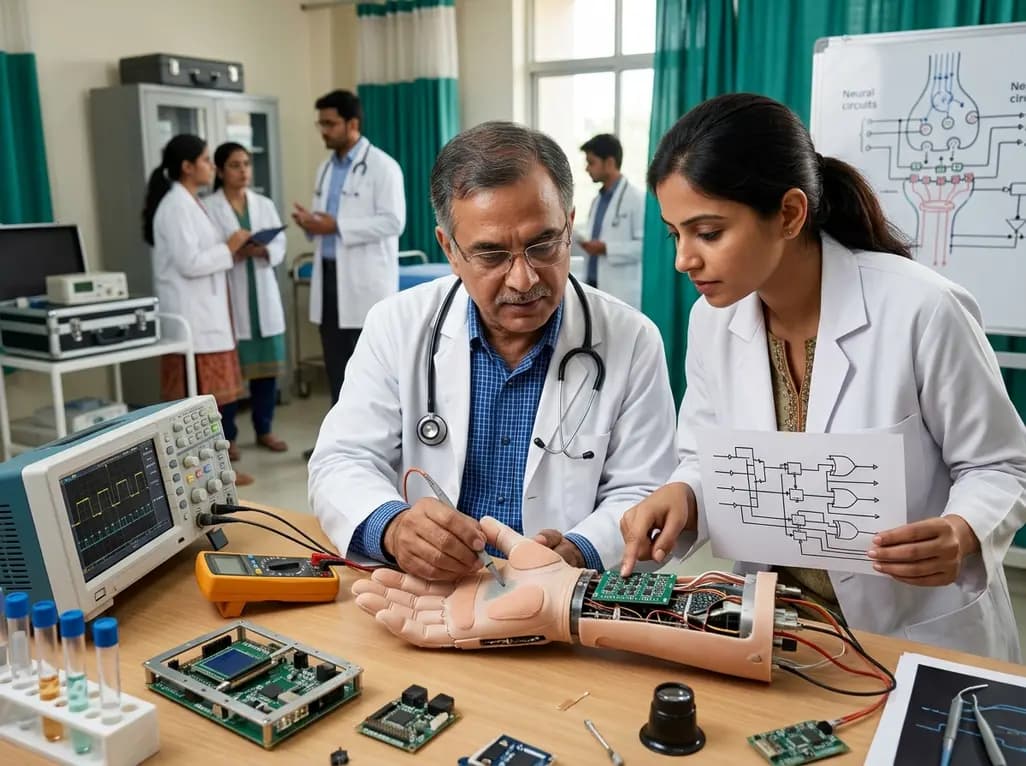
Researchers have engineered an artificial sensory-pain integrated receptor using a multi-threshold organic synaptic transistor. The system distinguishes benign touch from noxious stimuli, enabling safer, more responsive prosthetic limbs with built-in memory and simplified hardware architecture.
Today
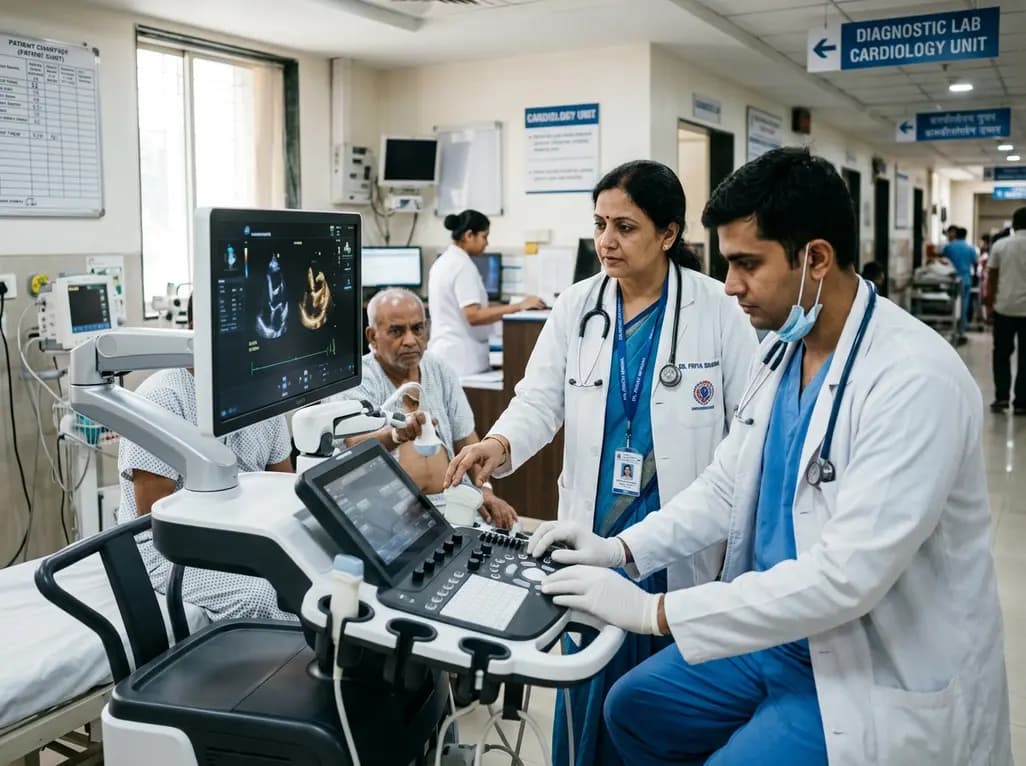
Medical robotics is transitioning beyond operative suites into diagnostics, cardiology, and endocrinology. Explore how innovations in tele-robotics, AI integration, and nanomedicine are overcoming geographical barriers and transforming precision healthcare delivery across India's evolving disease landscape.
Today
