.webp&w=384&q=75)

Loading, please wait...
Loading, please wait...
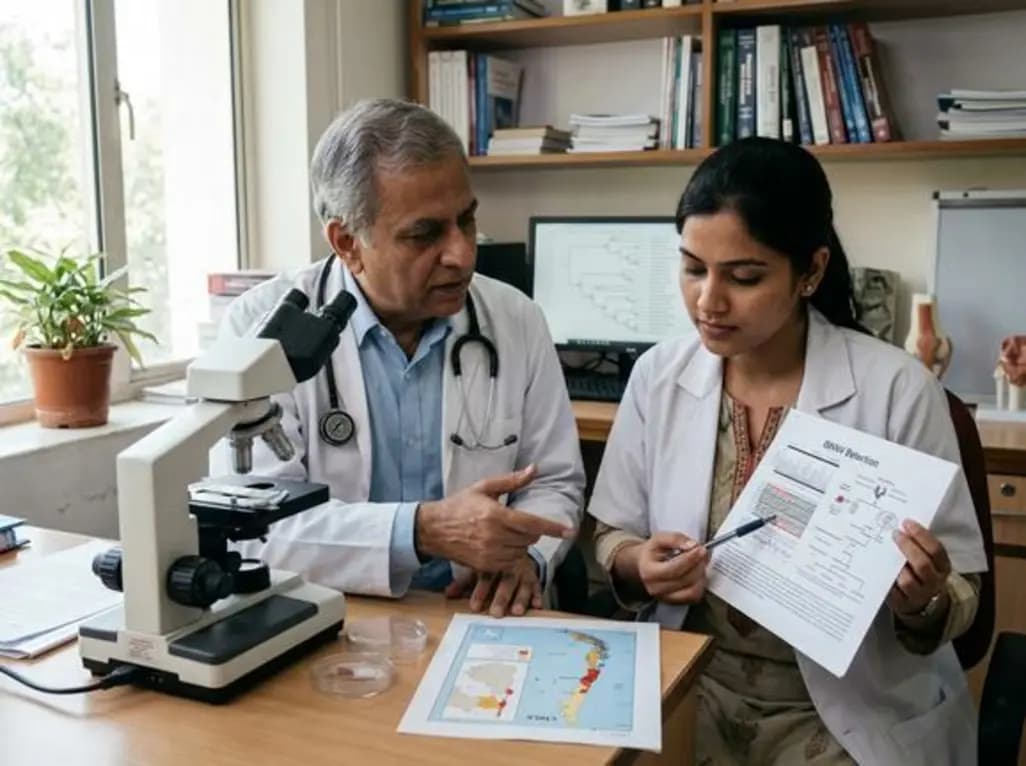
Researchers recently reported the first molecular detection of Infectious Spleen and Kidney Necrosis Virus (ISKNV) and the parasite Centrocestus formosanus in Chile. This discovery is significant because it involves imported ornamental fish, specifically the platy (Xiphophorus maculatus), from Florida, USA. Notably, the study identified these pathogens during routine surveillance in quarantine facilities. The presence of Centrocestus formosanus zoonosis potential in the trade of ornamental species highlights a critical gap in global biosecurity. Therefore, clinicians and public health officials must recognize the risks associated with the international movement of aquatic animals.
Centrocestus formosanus is a digenean trematode that utilizes snails and fish as intermediate hosts. While it is a major veterinary pathogen causing gill damage in fish, it also poses a risk to human health. Centrocestus formosanus zoonosis occurs when humans ingest metacercariae through raw or undercooked fish. Consequently, infected individuals may experience gastrointestinal distress and other heterophyid-related symptoms. In India, this parasite has already been documented in several freshwater fish species, particularly in West Bengal and Kerala. Thus, the detection of this parasite in imported ornamental fish underscores the need for heightened vigilance in both veterinary and clinical settings.
The study also confirmed the presence of ISKNV, a member of the Megalocytivirus genus. This virus is notorious for causing high mortality rates in over 50 species of marine and freshwater fish. Although ISKNV does not directly infect humans, it serves as a marker for biosecurity failures. Furthermore, the co-infection of ISKNV and C. formosanus in the same host suggests that these pathogens may be spreading together through commercial channels. Moreover, the ornamental fish trade acts as a primary vector for transboundary animal diseases. Consequently, stricter regulatory frameworks are essential to mitigate the economic and sanitary impacts of these pathogens.
The findings from Chile emphasize that the ornamental fish industry is a potential source of zoonotic agents. Specifically, practitioners should be aware of fish-borne trematodes when evaluating patients with unexplained abdominal pain or diarrhea, especially if there is a history of handling aquatic pets or consuming raw freshwater fish. Additionally, the study advocates for targeted molecular surveillance to prevent the establishment of these invasive species in new ecosystems. Ultimately, a "One Health" approach is required to manage the intersection of animal health, environmental safety, and human well-being.
Human infection, or centrocestiasis, typically manifests as intestinal discomfort, diarrhea, and epigastric pain. These symptoms result from the attachment of adult flukes to the intestinal mucosa after the ingestion of infected raw fish.
No, there is currently no evidence that Infectious Spleen and Kidney Necrosis Virus (ISKNV) can infect humans. It is exclusively a fish pathogen; however, its presence in pet stores indicates a risk of other zoonotic parasites being present.
Prevention focuses on hygiene and food safety. Always wash your hands thoroughly after handling aquarium water or fish. Additionally, ensure that all freshwater fish are cooked to an internal temperature of at least 63°C (145°F) to kill parasitic metacercariae.
Disclaimer: This content is for informational and educational purposes only. It is not a substitute for professional medical advice, diagnosis, or treatment. Always seek the advice of your physician or other qualified health provider with any questions you may have regarding a medical condition. Refer to the latest local and national guidelines for clinical practice.
References
Solano-Iguaran JJ et al. First Molecular Detection of Infectious Spleen and Kidney Necrosis Virus (ISKNV) and the Parasite Centrocestus formosanus in the Ornamental Fish Platy (Xiphophorus maculatus) in Chile. J Fish Dis. 2026 Jun 21. doi: 10.1111/jfd.70223. PMID: 42324600.

Read summarized clinical updates, watch expert medical content, and earn CME certifications right from your smartphone.
Open your smartphone camera to scan and install.





A new study in Chile reports the first molecular detection of Infectious Spleen and Kidney Necrosis Virus (ISKNV) and the zoonotic trematode Centrocestus formosanus in imported ornamental fish, highlighting significant biosecurity and public health risks.
4 months ago
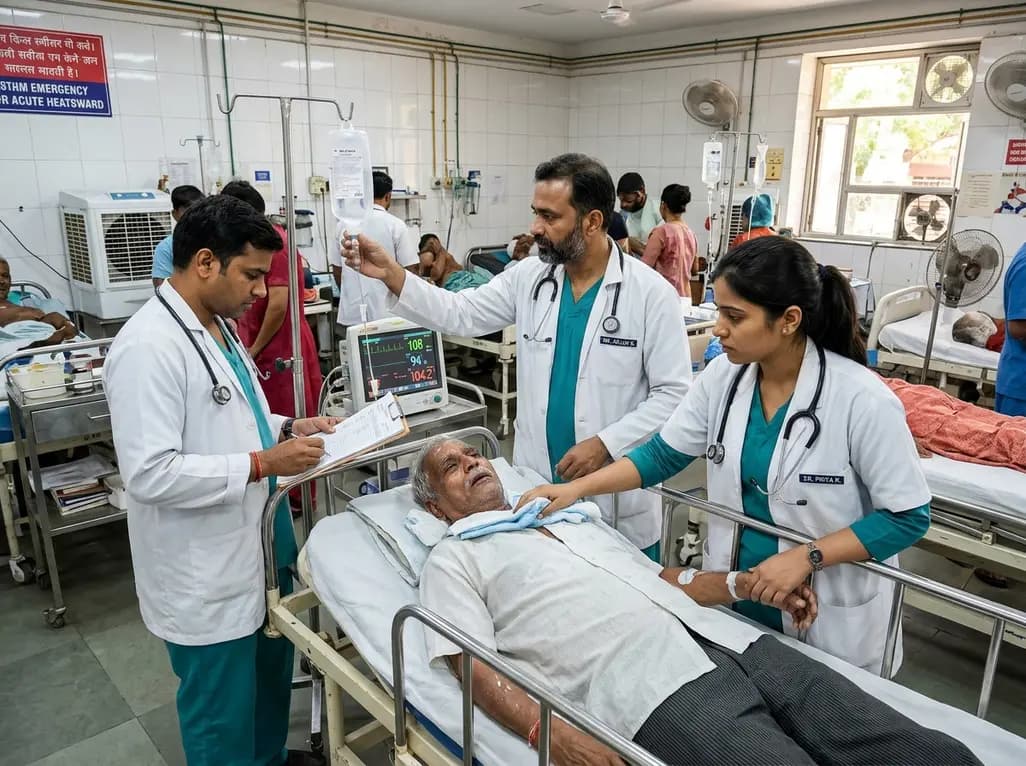
Recent epidemiological data reveals a dramatic surge in summer heat mortality driven by human-induced climate warming. This analysis explores the pathophysiological impacts on cardiac and renal systems, diagnostic dilemmas in death certification, and essential emergency cooling protocols for acute clinical care.
Today

Odisha has established India's first state-level clinical protocol specifically tailored for pregnant women with sickle cell disease. Developed with NHM and UNICEF, the framework provides structured antenatal screening, crisis mitigation, standardized referral pathways, and specialized interdisciplinary care.
Today

India is advancing preventive healthcare by integrating genomics, artificial intelligence, and quantum technologies. With the SANGAM programme sequencing one million Indian genomes, clinicians can unlock personalized therapies, detect cardiometabolic risks early, and curb the burden of diabetes and heart disease.
Today

A randomized controlled trial demonstrates that an eight-week dual-task training intervention significantly improves static and dynamic postural control over standard balance exercises in individuals with chronic ankle instability, addressing critical neurocognitive deficits during athletic and daily activities.
Today

A retrospective cohort study of 7,716 ICU patients from the MIMIC-IV database demonstrates that Gradient Boosting Decision Trees significantly outperform traditional SOFA scores in predicting in-hospital mortality among patients with sepsis and diabetes, with SHAP analysis providing clinical interpretability.
Today
