

Loading, please wait...
Loading, please wait...
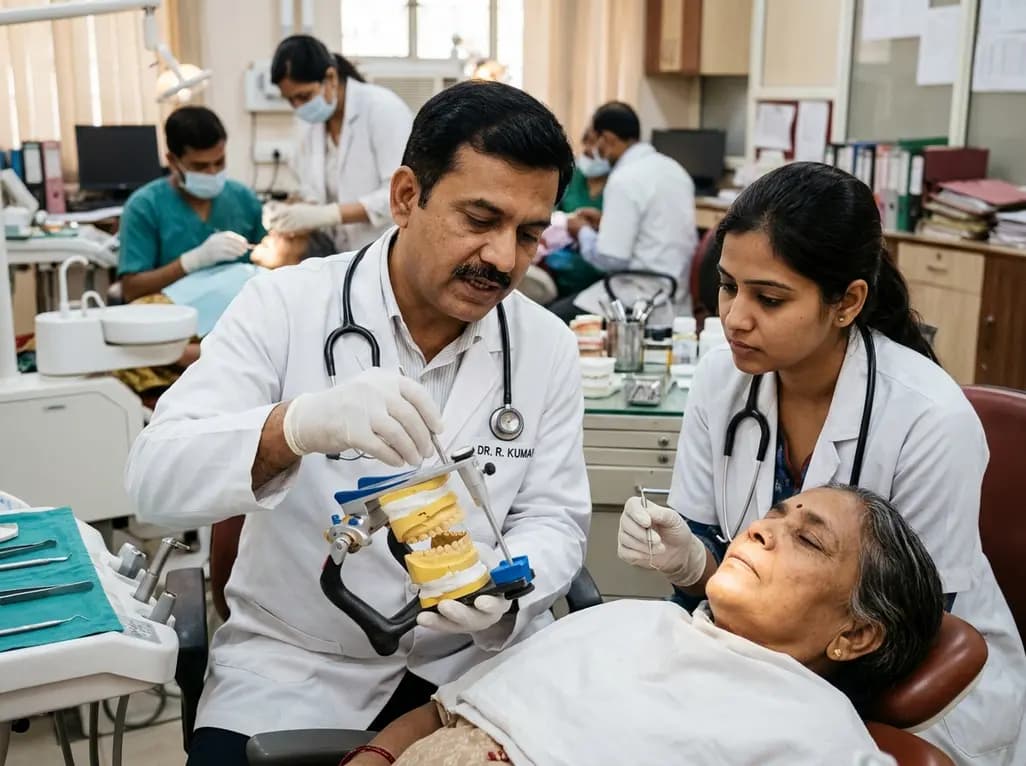
Centric relation remains one of the most debated concepts across contemporary dentistry and prosthodontics. Clinicians often encounter conflicting dogmas regarding its anatomical basis and clinical utility. However, modern scientific evidence shows that centric relation functions primarily as a reproducible reference point rather than an absolute biological mandate. Consequently, clinicians must evaluate when to respect existing stable bites and when to establish new reference positions.
Historically, definitions of centric relation have evolved through successive editions of the Glossary of Prosthodontic Terms. Early definitions placed the mandibular condyles in their most retruded position within the glenoid fossa. Later consensus shifted the target position to the anterior-superior location against the articular disc. This recurring shift created persistent confusion among clinicians and academicians.
Furthermore, defining centric relation by invisible condylar relationships makes chairside anatomical verification impossible. Magnetic resonance imaging demonstrates substantial structural variation among healthy, asymptomatic individuals. Therefore, expecting every patient to exhibit identical condylar morphology or joint seating is biologically unrealistic.
Nevertheless, centric relation retains immense clinical value as an independent reference position. Because it operates independently of tooth contact, it provides a stable baseline when intercuspation is lost or pathological. Clinicians rely on it because trained hands can reproducibly record it across successive appointments. Thus, while historical dogmas exaggerated its biological uniqueness, clinical convenience sustains its everyday restorative necessity.
Dental science continually examines whether centric relation reflects an authentic neuromuscular resting state or an artificial manipulation. When clinicians guide the mandible into an anterior-superior condylar position, they apply external force. Consequently, this guided position may not mirror natural muscular pathways during unconstrained chewing or swallowing. Electromyographic assessments confirm that healthy dentate individuals rarely reach this terminal hinge relationship during regular mastication.
However, clinical convenience does not equate to clinical failure. In complex full-arch rehabilitations, operators cannot rely on compromised tooth contacts or shifting muscular patterns. A stable, repeatable reference is mandatory to design an organized occlusal scheme on an articulator. Therefore, centric relation serves effectively as a standardized geometric coordinate system.
In addition, condylar guidance in centric relation permits predictable rotational movement without eccentric interferences. Clinicians achieve repeatable records using bilateral manipulation, anterior deprogrammers, or gothic arch tracings. Ultimately, scientific scrutiny reveals that centric relation represents an indispensable mechanical tool rather than an immutable biological law.
A frequent misunderstanding in prosthodontics involves the perceived mandate to reconstruct every patient in centric relation. In routine clinical practice, preserving a suitable existing bite is often the most prudent strategy. Indeed, most healthy dentate patients possess a physiologic slide between their seated condylar position and their maximum intercuspation. This discrepancy typically ranges between one and two millimeters without inducing clinical harm or muscular discomfort.
Consequently, attempting to eliminate this natural discrepancy in an asymptomatic patient requiring localized dental treatment is overtreatment. If a patient exhibits stable posterior support, absence of temporomandibular pain, and adequate vertical dimension, the conformative approach remains ideal. Furthermore, restorative dentists should duplicate existing intercuspation using precise index records and conservative preparation protocols.
Moreover, complete occlusal reorganization into centric relation carries technical risks, increased financial burdens, and prolonged adaptation periods. Clinicians should reserve complete reorganization for profound wear, collapsed vertical dimension, or severe occlusal instability. Therefore, preserving stable existing bites protects patients while delivering durable outcomes.
The concept of freedom in centric often generates clinical misunderstanding during prosthetic design. Some practitioners mistakenly view freedom in centric as a natural physiological pathway that patients routinely traverse during mastication. On the contrary, freedom in centric represents a deliberately designed, clinically bounded tooth-contact tolerance engineered at an unchanged bite height. It provides a flat, horizontal area of contact between maximum intercuspation and the retruded contact position.
Additionally, this flat contact zone usually spans 0.5 to 1.0 millimeter. By incorporating this tolerance, clinicians prevent destructive wedging forces against steep cuspal inclines as the mandible closes into occlusion. Thus, the reference contact in centric relation and the intended maximum intercuspation define the strict physical limits of this feature.
However, when maximum intercuspation and centric relation coincide perfectly, such as in complete dentures, no discrepancy is needed. Furthermore, superior clinical outcomes for freedom in centric remain unproven across rigorous clinical trials. Hence, clinicians should view it as an optional restorative refinement rather than an obligatory biological pathway.
Modern prosthodontic guidelines emphasize diagnostic precision and biological conservatism when managing maxillomandibular relationships. Before altering an occlusal scheme, clinicians must conduct a thorough screening of the masticatory muscles, temporomandibular joints, and existing contact patterns. Diagnostic cast mountings on semi-adjustable articulators provide invaluable baseline insight. If the patient functions comfortably without joint clicking, pain, or excessive wear, preserving the conformative relationship remains the safest strategy.
Conversely, when clinicians encounter extensive rehabilitation cases requiring reconstruction of multiple sextants, establishing an organized reference is paramount. Under these conditions, the clinician must select centric relation or another reliably recorded functional reference. This deliberate step guarantees that laboratory technicians design restorations around a stable, repeatable hinge axis. Furthermore, clinicians must ensure that bilateral simultaneous contacts occur smoothly.
In addition, clinicians must avoid dogmatic adherence to rigid gnathological doctrines that promote extensive prophylactic equilibrations. Scientific literature demonstrates that prophylactic occlusal adjustments fail to prevent temporomandibular disorders. Therefore, ethical dental practice demands conservative, evidence-based approaches. Dentists should harness centric relation for reconstructive stability rather than biological correction.
Clinicians should select centric relation whenever a patient lacks a stable, reproducible maximum intercuspation or requires extensive full-arch reconstruction. Specifically, cases involving severe tooth wear, loss of occlusal vertical dimension, or complete edentulism necessitate an independent, repeatable skeletal reference point. Conversely, when a patient presents with an asymptomatic, healthy dentition requiring localized single restorations, preserving the existing maximum intercuspation remains the most conservative and predictable approach.
No, freedom in centric is not an intrinsic anatomical pathway traversed during mastication. Instead, it is a deliberate, mechanically designed occlusal feature that creates a bounded flat area of tooth contact between the retruded contact position and maximum intercuspation. This horizontal tolerance prevents harmful wedging against steep cuspal inclines during mandibular closure. However, high-quality clinical studies have not proven that incorporating freedom in centric produces superior long-term treatment outcomes.
Current scientific evidence indicates that mechanically forcing the condyles into centric relation does not cure temporomandibular disorders. While occlusal splints adjusted in centric relation can alleviate muscle hyperactivity and joint loading, the therapeutic benefit arises primarily from deprogramming hyperactive masticatory muscles and redistributing forces. Therefore, clinicians must not perform irreversible enamel reduction or full-mouth reconstruction solely to eliminate minor occlusal slides in asymptomatic patients.
Disclaimer: This content is for informational and educational purposes only... Refer to the latest local and national guidelines for clinical practice.
References

Read summarized clinical updates, watch expert medical content, and earn CME certifications right from your smartphone.
Open your smartphone camera to scan and install.





This clinical review evaluates centric relation in restorative dentistry, exploring whether it represents an anatomical truth or clinical convenience, with evidence-based guidance.
Today
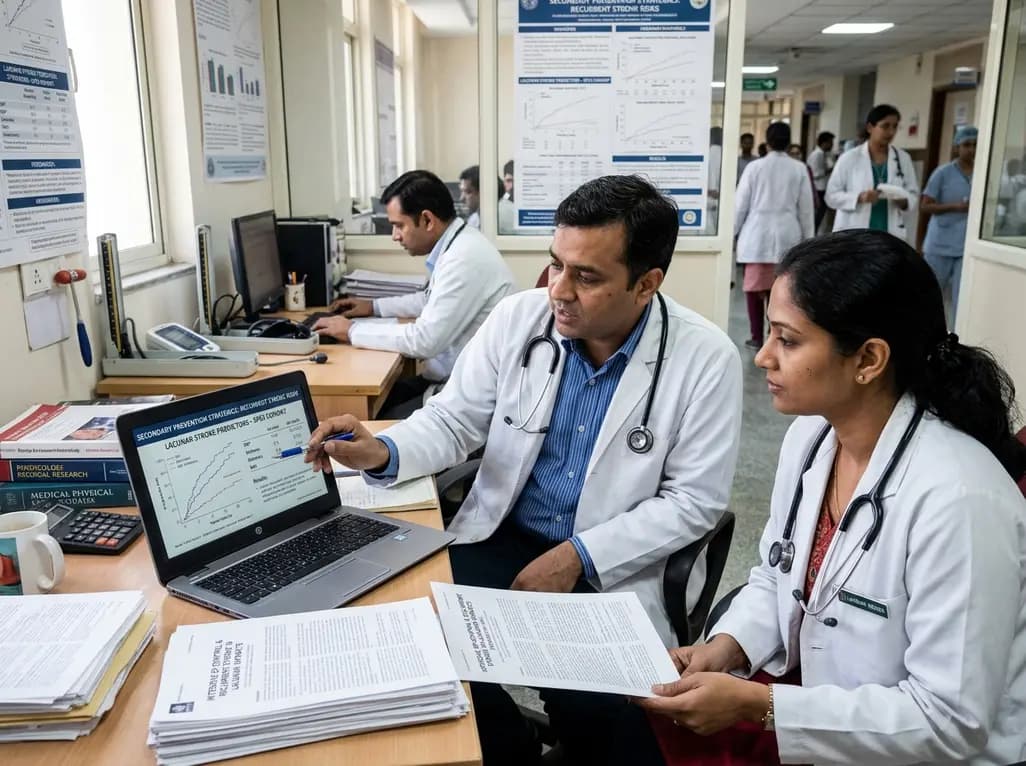
Explore vital recurrent stroke predictors in lacunar stroke patients managed with intensive blood pressure lowering. This analysis examines trial findings from SPS3 to uncover residual vascular risks, metabolic factors, and targeted secondary prevention strategies for high-risk neurological patients.
Today
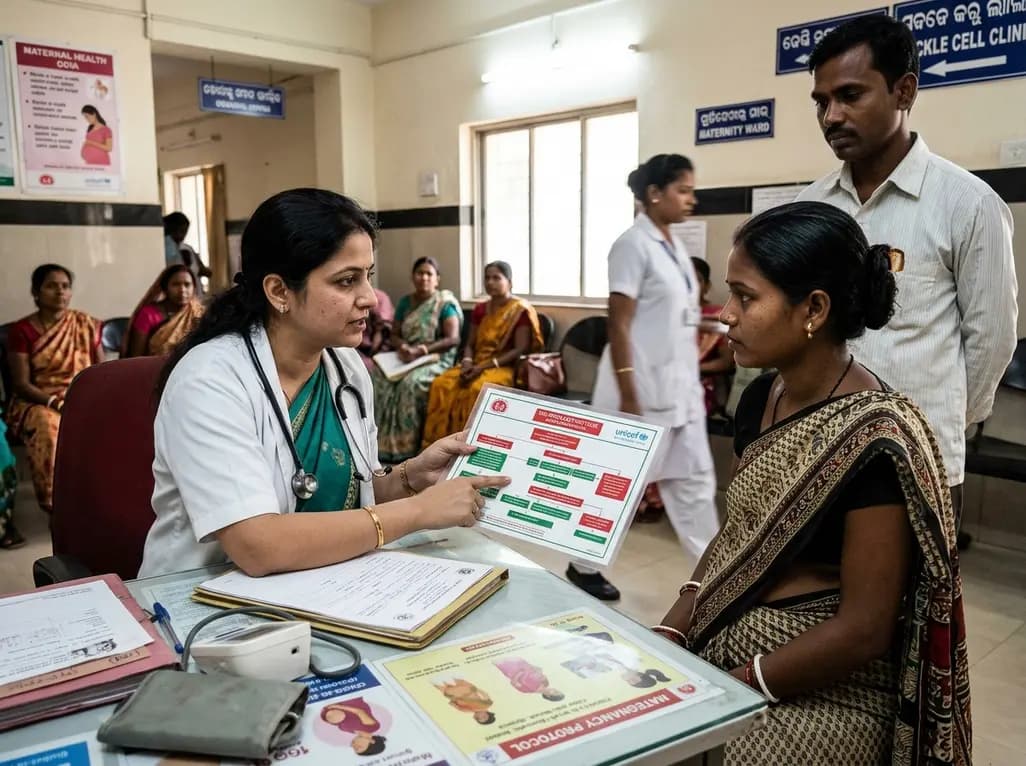
Odisha has established India's first state-level clinical protocol specifically tailored for pregnant women with sickle cell disease. Developed with NHM and UNICEF, the framework provides structured antenatal screening, crisis mitigation, standardized referral pathways, and specialized interdisciplinary care.
Today
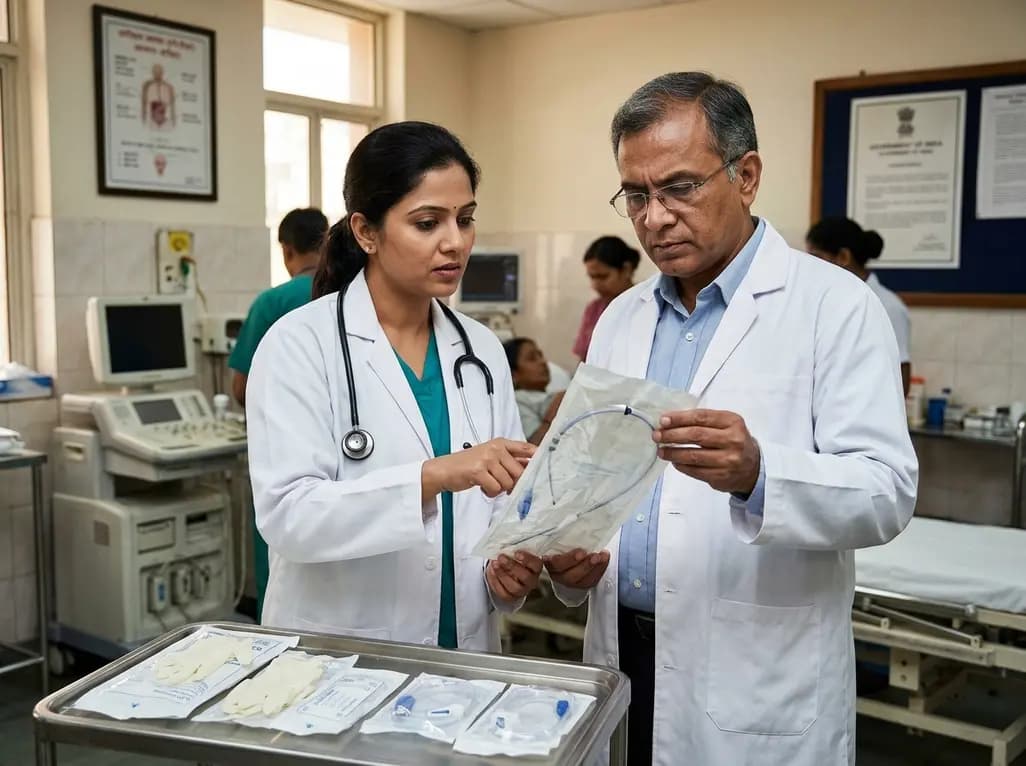
The Directorate General of Health Services directs Indian states to halt the hazardous reuse and reprocessing of single-use medical devices. Discover regulatory implications under the Drugs and Cosmetics Act, critical infection risks, legal liabilities, and operational changes required across clinical specialties.
Today

Mitochondria-targeted nanoparticles self-assembled from EGCG and L-glutamic acid effectively restore mitochondrial homeostasis, suppress synovial inflammation, and attenuate chondrocyte senescence in osteoarthritis, offering a promising disease-modifying nanotherapy.
Today
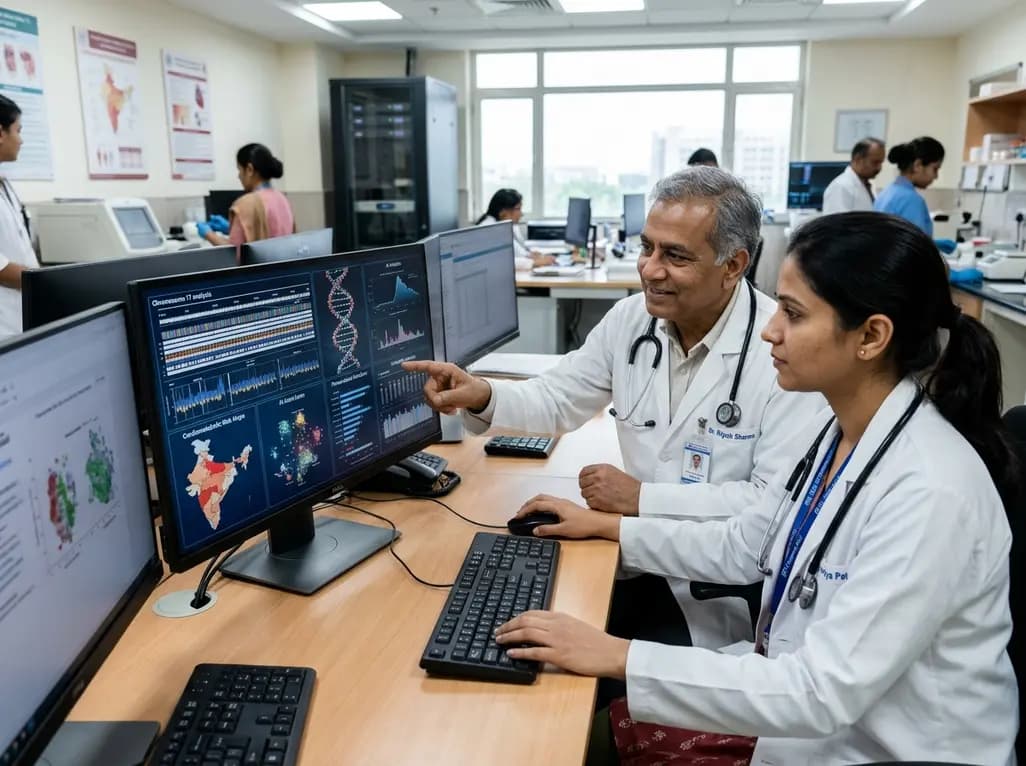
India is advancing preventive healthcare by integrating genomics, artificial intelligence, and quantum technologies. With the SANGAM programme sequencing one million Indian genomes, clinicians can unlock personalized therapies, detect cardiometabolic risks early, and curb the burden of diabetes and heart disease.
Today
