

Loading, please wait...
Loading, please wait...

Displaced femoral neck fractures in elderly individuals present a substantial clinical and socioeconomic challenge worldwide. Orthopaedic surgeons frequently perform cemented hemiarthroplasty to restore early mobility and alleviate severe hip pain. Major international clinical practice guidelines, such as those from NICE and AAOS, consistently recommend cemented femoral stem fixation for displaced intracapsular fractures. These evidence-based guidelines emphasize superior mechanical stability and a significantly reduced incidence of early periprosthetic fractures. Furthermore, cemented stems allow immediate postoperative weight-bearing, which significantly accelerates physical rehabilitation in frail geriatric populations. In contrast, uncemented femoral stems carry a higher rate of intraoperative calcar cracks, progressive subsidence, and persistent thigh discomfort. However, many surgical teams remain hesitant to use polymethylmethacrylate bone cement because of bone cement implantation syndrome. This severe cardiopulmonary collapse can occur during cement pressurization or stem insertion. Consequently, clinical practice patterns vary widely across international healthcare systems, surgical departments, and individual operating theatres. While European centres largely follow guideline recommendations and utilize cemented stems, Asian nations often exhibit divergent surgical trends. Therefore, evaluating large national registries offers essential insights into real-world implant selection and patient outcomes.
A comprehensive observational study investigated surgical management patterns across Japan between 2011 and 2022. Researchers analyzed data from the Diagnosis Procedure Combination database, reviewing nearly three hundred thousand patients who underwent hemiarthroplasty for acute femoral neck fractures. Interestingly, only 11.4 percent of these surgical procedures utilized bone cement for stem fixation. Moreover, this low utilization rate remained virtually static over the entire eleven-year evaluation period. In 2011, Japanese orthopaedic surgeons cemented 13.5 percent of femoral stems, compared to 13.4 percent in 2022. Thus, clinical practice in Japan presents a sharp contrast to established European registry data. In the United Kingdom, Norway, and Sweden, cemented implants constitute over eighty percent of all primary hemiarthroplasties. Japanese clinicians clearly prefer uncemented press-fit femoral components for displaced hip fractures in older patients. In addition, surgeons frequently cite reduced operative duration, less surgical blood loss, and simpler logistics as reasons for avoiding bone cement. This institutional preference persisted despite mounting global trial evidence that favors cemented stems. Consequently, national adoption in Japan has remained flat for over a decade, demonstrating entrenched clinical preferences that resist international guideline updates.
The database analysis revealed profound regional and institutional disparities across Japan. Specifically, hospitals located in the Hokkaido-Tohoku, Chubu, and Kansai prefectures demonstrated noticeably higher proportions of cemented procedures. In contrast, institutions situated in western and southern parts of the country rarely selected cement for hip arthroplasty. Furthermore, a hospital-level examination identified a distinct bimodal distribution in clinical practice. Most hospitals operated as highly polarized environments, utilizing either cemented or uncemented prostheses almost exclusively. Very few acute-care hospitals maintained an adaptable, patient-tailored approach between the two fixation methods. Therefore, institutional culture and historical training pathways dictate implant choice far more than individual patient risk profiles. Similarly, local theatre equipment, scrub nurse familiarity, and anaesthetic comfort heavily steer these institutional patterns. In many facilities, surgical teams simply lack modern cementing guns or pressurization devices. Consequently, younger trainees continue to replicate the uncemented techniques favored by their senior colleagues. This self-perpetuating cycle reinforces regional variations and prevents the widespread adoption of guideline-directed cemented fixation. Bridging this gap requires structured surgical education that actively addresses institutional biases, promotes standardization, and updates clinical protocols across tertiary centres.
Patient safety remains the central controversy in the debate between cemented and uncemented fixation. In the Japanese registry, unadjusted in-hospital mortality was slightly higher among patients who underwent cemented hemiarthroplasty. Specifically, mortality reached 1.5 percent in cemented cases compared to 1.1 percent in uncemented procedures. However, sophisticated multivariable Cox proportional hazards modeling revealed a crucial nuance regarding institutional surgical volume. Institutions with higher cementing frequency demonstrated significantly lower postoperative mortality than low-volume centres. This vital finding indicates that institutional experience and anaesthetic vigilance substantially mitigate perioperative hazards. Bone cement implantation syndrome occurs when high intramedullary pressures force fat and marrow particles into the venous circulation. Therefore, meticulous operative technique and effective communication between surgical and anaesthetic teams prevent cardiorespiratory collapse. Surgeons must employ thorough pulsatile canal irrigation, retrograde cement application, and retrograde venting techniques. Furthermore, anaesthesiologists must maintain hemodynamic stability, pre-oxygenate high-risk patients, and anticipate transient hypotension during cement pressurization. When hospitals implement these standardized surgical and anaesthetic precautions, in-hospital mortality remains extremely low and comparable to uncemented procedures. Consequently, institutional training and volume play decisive roles in ensuring patient safety during cemented procedures.
The Japanese observational findings carry immediate and profound relevance for orthopaedic surgeons practicing throughout India. Across Indian trauma centres and private hospitals, uncemented stems represent the overwhelming majority of primary hemiarthroplasties. Indian orthopaedic surgeons often prefer uncemented fixation due to shorter operating times, limited theatre resources, and fear of cardiopulmonary collapse. However, uncemented stems carry a higher incidence of intraoperative calcar splits and late periprosthetic fractures in osteoporotic bone. As India experiences rapid population aging and a surging prevalence of osteoporosis, surgeons must critically re-evaluate fixation choices. Clinicians must carefully balance acute intraoperative cement risks against long-term implant loosening and revision surgery burden. For medically unstable patients with severe cardiopulmonary compromise, uncemented fixation remains a pragmatic and viable choice. Conversely, for active elderly individuals presenting with wide Dorr type C femoral canals, cemented stems deliver superior mechanical stability and pain relief. In addition, Indian healthcare institutions must establish multidisciplinary orthogeriatric protocols before transitioning toward cemented stems. Implementing structured training in modern cementing techniques will empower Indian surgeons to improve patient mobility while safeguarding perioperative survival. Furthermore, thorough pre-anaesthetic evaluation remains essential for achieving consistent success.
International guidelines endorse cemented hemiarthroplasty because clinical trials demonstrate superior long-term outcomes. Specifically, cemented fixation significantly reduces the incidence of postoperative periprosthetic fractures and early revisions. In addition, cemented stems provide immediate rotational stability and lessen postoperative thigh pain, thereby allowing prompt mobilization. Although uncemented designs offer shorter surgical times, their higher risk of periprosthetic loosening makes cemented fixation the preferred standard of care in frail elderly patients.
Bone cement implantation syndrome describes severe cardiopulmonary collapse occurring during cement pressurization or prosthesis insertion. It results from intramedullary hypertension forcing fat, air, and bone marrow emboli into the venous circulation. To prevent this complication, surgeons must perform thorough pulsatile canal lavage, dry the femoral canal meticulously, and vent the femur. Furthermore, anaesthetists should maximize oxygen delivery and optimize intravascular volume before the surgeon pressurizes the cement mantle.
Indian orthopaedic surgeons should stratify patients by bone quality, pre-fracture functional baseline, and cardiopulmonary stability. Active elderly patients with osteoporotic bone, widened Dorr type C femoral canals, or thin cortices benefit most from cemented stems. Conversely, clinicians should avoid cemented fixation in patients with severe pulmonary hypertension, severe aortic stenosis, or unstable cardiac conditions. Moreover, surgical and anaesthetic teams must communicate closely during every critical cement pressurization phase.
Disclaimer: This content is for informational and educational purposes only and does not constitute medical advice, diagnosis, or treatment. Healthcare professionals must exercise independent clinical judgment and consult official prescribing information, peer-reviewed literature, and relevant medical society guidelines when making decisions regarding patient care. The views expressed do not necessarily reflect the official policies or positions of any healthcare institution or regulatory body. Refer to the latest local and national guidelines for clinical practice.
References

Read summarized clinical updates, watch expert medical content, and earn CME certifications right from your smartphone.
Open your smartphone camera to scan and install.





A nationwide observational study from Japan examines 10-year trends, regional variations, and mortality outcomes of cemented versus uncemented hemiarthroplasty in 296,841 femoral neck fractures, offering critical insights for orthopaedic practice and geriatric trauma care.
Today

A landmark Nature study reveals that only 27% of individuals with obesity have active clinical disease. By incorporating waist circumference and organ dysfunction, this new diagnostic framework moves beyond BMI to prevent widespread misclassification and guide personalized metabolic intervention.
Today

A breakthrough blood test measuring the RNA biomarker Tu-Stroma detects microscopic serous tubal intraepithelial carcinoma (STIC) lesions with remarkable accuracy. This non-invasive diagnostic tool offers crucial biological insight to guide prophylactic surgery decisions for women carrying high-risk genetic mutations.
Today
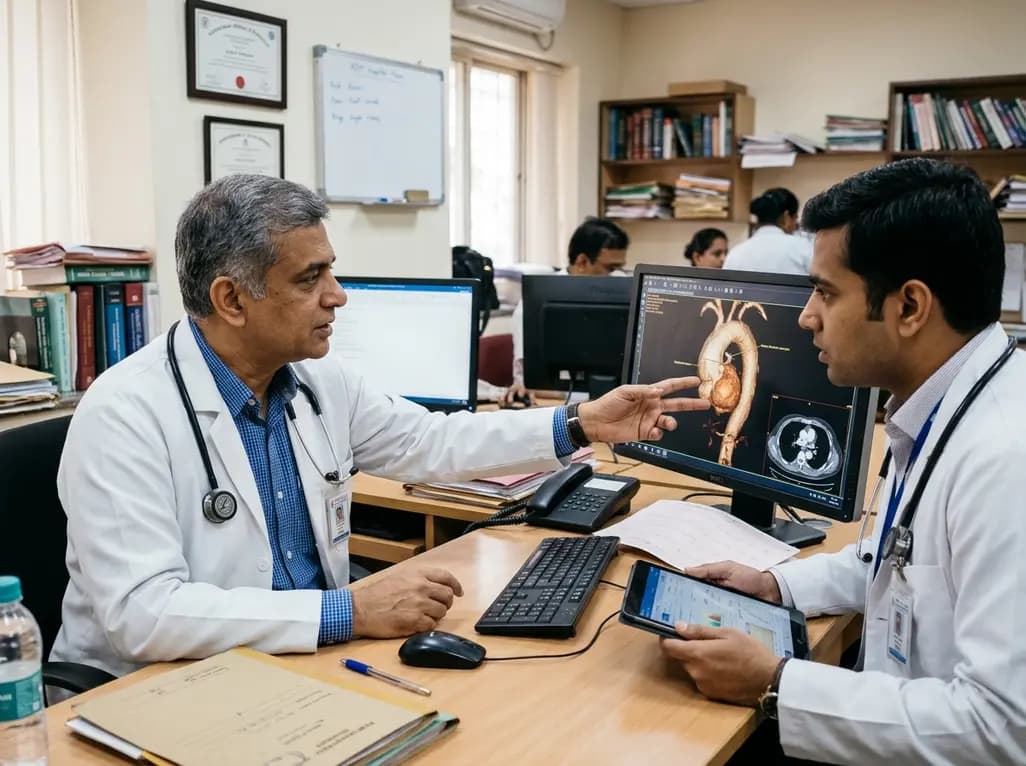
Thoracic aortic aneurysm lacks etiologic medical therapy. A new study reveals that targeting specific αV integrins with Cilengitide attenuates TGF-β and mechanotransduction pathways, effectively limiting pro-fibrotic remodeling and aortic bulb dilation in both syndromic and sporadic disease models.
Today
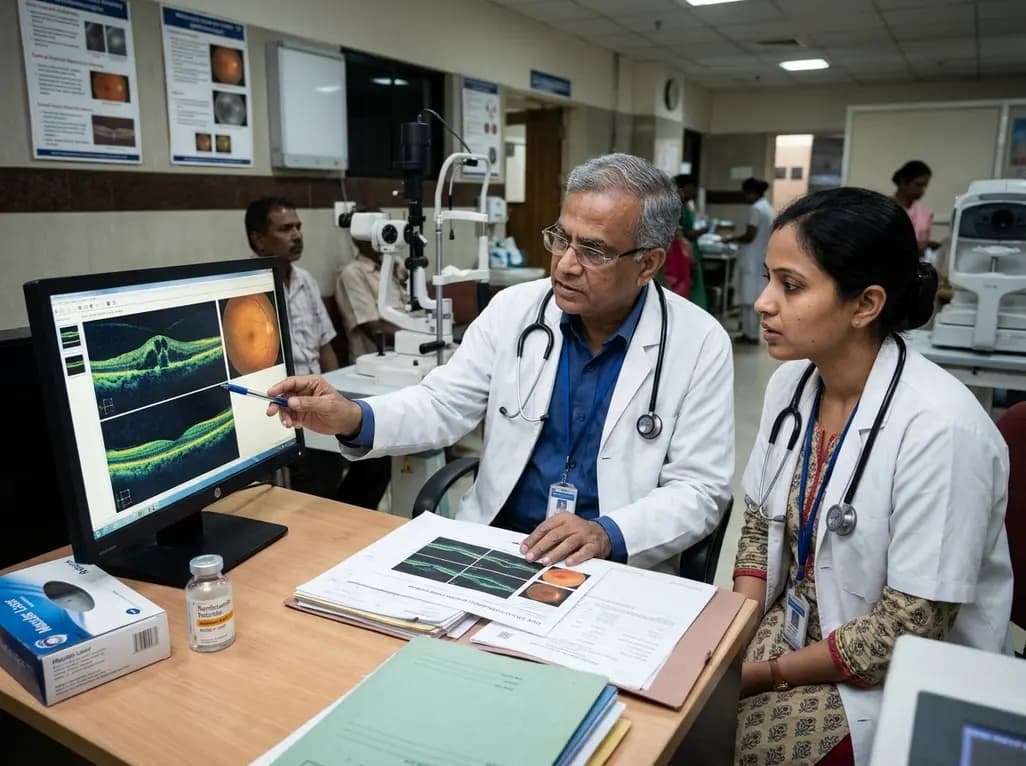
A real-world retrospective study demonstrates that combining intravitreal ranibizumab with focal/grid macular laser significantly improves visual acuity and central macular thickness compared to laser monotherapy in patients with center-involved diabetic macular edema.
Today
