.webp&w=384&q=75)

Loading, please wait...
Loading, please wait...
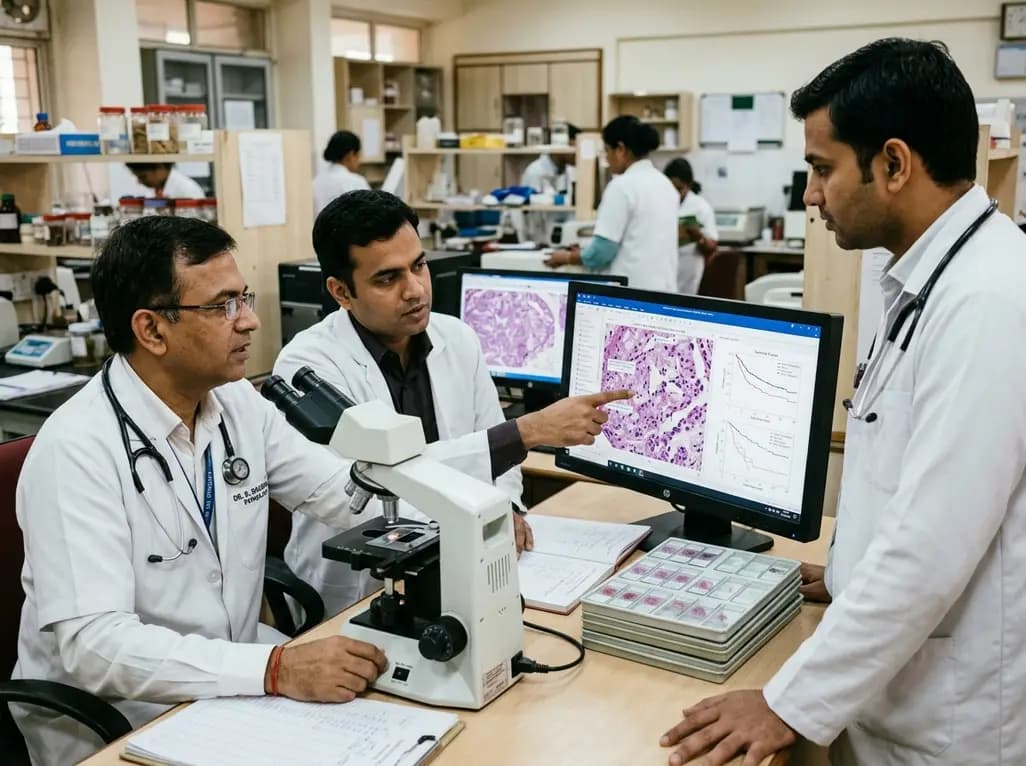
Postoperative management of non-metastatic clear cell renal cell carcinoma remains a major clinical challenge for oncologists and urologists worldwide. Although complete surgical resection provides definitive local control, approximately thirty percent of affected individuals suffer disease relapse or distant metastasis. Consequently, clinicians urgently require an accurate ccRCC recurrence prognostic model to stratify relapse risk and identify patients who truly benefit from postoperative systemic interventions. Traditional staging metrics often lack the precision necessary to differentiate subtle biological variations among high-risk patients. Recent advances in pathological modeling have transformed risk assessment by incorporating tumor-specific histological markers alongside clinical characteristics. By evaluating specific histopathological features, physicians can better predict disease-free survival and tailor postoperative monitoring protocols. This evidence-based paradigm shift enables medical teams to reserve aggressive systemic regimens for patients facing significant relapse probability while avoiding unnecessary treatment burden in lower-risk cohorts.
Surgical resection, whether via partial or radical nephrectomy, represents the cornerstone of management for localized kidney cancer. However, hidden microscopic disease or early vascular invasion frequently leads to late systemic relapse. Historically, clinicians relied almost exclusively on anatomical staging systems, such as the standard TNM criteria, to estimate recurrence probability. While TNM staging offers foundational guidance, it does not fully account for heterogeneous tumor biology within identical stage categories. Consequently, two patients with identical tumor sizes can experience dramatically divergent clinical trajectories following surgery.
Furthermore, the introduction of modern adjuvant treatments, including immune checkpoint inhibitors and targeted tyrosine kinase inhibitors, has heightened the need for precise risk stratification. Administering potent systemic therapies to all postoperative patients introduces substantial financial toxicity and severe immune-related adverse events. Conversely, withholding adjuvant therapy from patients with undetected high-risk features allows aggressive micrometastases to progress unchecked. To address this clinical dilemma, researchers recently conducted a robust multicenter retrospective study encompassing over two thousand patients. By isolating treatment-naive postoperative cohorts, investigators established clear baseline prognostic factors. This systematic approach allows urological oncologists to move beyond conventional anatomic parameters toward comprehensive biological risk profiling.
To construct a reliable ccRCC recurrence prognostic model, researchers analyzed a broad range of clinicopathological characteristics from two large medical centers. Through multivariable survival analysis, seven independent risk factors were identified as significant determinants of disease-free survival. These key variables include biological sex, microvascular invasion, pathological T stage, WHO/ISUP pathological grade, sarcomatoid differentiation, histological tumor necrosis, and capsular involvement. Each individual variable reflects a distinct biological aspect of aggressive renal cell proliferation and invasiveness.
Specifically, microvascular invasion and capsular involvement indicate microscopic disease extension beyond primary anatomical boundaries, predisposing patients to early vascular dissemination. Meanwhile, high pathological grade and sarcomatoid differentiation signal aggressive cellular dedifferentiation and heightened metastatic potential. Tumor necrosis serves as a surrogate marker for rapid, hypoxia-driven tumor growth that outpaces localized vascular supply. By combining these seven pathological features into a unified scoring index, the predictive model captures intricate tumor biology far more effectively than single-parameter staging models. Consequently, pathologically guided risk assignment offers clinicians an objective tool to stratify non-metastatic cases into distinct prognostic categories. This granular stratification helps clinicians differentiate low-risk surgical cures from occult aggressive disease needing immediate adjuvant therapy.
The novel prognostic model underwent rigorous validation using survival data across multiple independent clinical endpoints. Investigators evaluated disease-free survival, overall survival, and cancer-specific survival to verify whether the model consistently separated distinct risk groups. Statistically significant divergence across survival curves confirmed that the model effectively categorizes non-metastatic patients into low-risk and high-risk cohorts. High-risk individuals demonstrated markedly decreased disease-free survival, highlighting an urgent need for post-surgical therapeutic intervention.
Additionally, researchers compared the predictive accuracy of this pathology-based tool against established clinical trial enrollment criteria used in major adjuvant immunotherapy studies. The seven-factor model demonstrated superior overall performance and discriminative ability compared to standard selection parameters. This enhanced accuracy minimizes misclassification, ensuring that low-risk patients are not exposed to unnecessary systemic toxicity. Moreover, robust statistical validation across independent hospital registries highlights the generalizability of the scoring algorithm across diverse healthcare settings. Pathologists and urologists can reproducibly calculate risk profiles using standard post-nephrectomy histopathology reports without requiring expensive genomic assays. Thus, the model bridges the gap between complex tumor biology and everyday clinical decision-making.
Beyond estimating post-surgical relapse probability, the primary clinical utility of this pathology-based model lies in guiding systemic therapeutic choices. Investigators evaluated the therapeutic efficacy of adjuvant immune checkpoint inhibitors and targeted therapies across different model-defined risk strata. The log-rank statistical analyses demonstrated that high-risk patients who received immune checkpoint inhibitor therapy experienced significant improvements in disease-free survival compared to untreated high-risk controls.
In contrast, patients classified within lower-risk strata derived no significant survival benefit from adjuvant immunotherapy or targeted agents. Administering systemic regimens to low-risk cohorts merely increases treatment-related adverse events and healthcare expenditures without altering survival outcomes. Therefore, the prognostic model serves as a decision-support framework to optimize adjuvant treatment selection. By accurately identifying high-risk patients who harbour immune-responsive micrometastatic disease, clinicians can initiate timely immunotherapy to eliminate residual tumor cells. Concurrently, low-risk patients can safely undergo routine surveillance, avoiding toxicities associated with checkpoint inhibition. This personalized strategy ensures that powerful immunotherapeutic agents are deployed precisely where clinical efficacy is maximized.
Implementing this pathology-based prognostic model holds significant value for urologic oncology practice in India. In many Indian tertiary care centers and regional hospitals, advanced multi-gene expression profiling and molecular testing remain economically prohibitive or logistically inaccessible for routine clinical use. Conversely, comprehensive histopathological evaluation following nephrectomy is widely available, standardized, and cost-effective across pathology departments nationwide.
By relying on routinely assessed pathological factors—such as microvascular invasion, necrosis, grade, T stage, capsular involvement, and sarcomatoid differentiation—Indian oncologists can achieve precise risk stratification without increasing financial burdens on patients. This practical approach enables clinicians to optimize healthcare resource allocation. High-risk patients identified by the model can be prioritized for adjuvant immune checkpoint inhibitors or enrolled in clinical trials, maximizing survival benefits. Meanwhile, low-risk individuals can follow structured imaging surveillance schedules, avoiding unnecessary drug expenditures and potential severe immune-related toxicities. Integrating this refined pathology model into Indian clinical algorithms establishes a practical, evidence-based strategy for managing non-metastatic clear cell renal carcinoma.
The model incorporates seven independent prognostic factors identified through multivariable analysis of post-nephrectomy specimens. These variables include biological sex, pathological T stage, WHO/ISUP pathological grade, microvascular invasion, capsular involvement, sarcomatoid differentiation, and histological tumor necrosis. By combining these routinely reported features into a single scoring framework, the model accurately predicts disease-free survival and stratifies patients into low-risk or high-risk relapse categories without requiring costly molecular testing.
The model identifies high-risk non-metastatic clear cell renal carcinoma patients who exhibit significant disease-free survival improvements when treated with adjuvant immune checkpoint inhibitors. Conversely, low-risk patients derive minimal benefit from postoperative systemic therapy while remaining exposed to drug toxicity and financial burden. Consequently, this stratification model outperforms standard trial enrollment criteria, helping oncologists deliver targeted immunotherapy specifically to those patients most likely to achieve clinical benefit.
Yes, the prognostic model relies entirely on standard clinicopathological variables routinely documented during post-nephrectomy histopathological evaluation. Parameters such as microvascular invasion, tumor grade, necrosis, capsular involvement, and T stage are standard components of pathology reports worldwide. Because no special molecular, genetic, or expensive staining techniques are required, surgical pathologists and urologists can readily compute risk scores within existing diagnostic workflows across tertiary and community care centers.
Disclaimer: This content is for informational and educational purposes only and does not constitute medical advice, diagnosis, or treatment. Always seek the advice of a qualified healthcare provider with any questions regarding a medical condition. Refer to the latest local and national guidelines for clinical practice.
References

Read summarized clinical updates, watch expert medical content, and earn CME certifications right from your smartphone.
Open your smartphone camera to scan and install.





A multicenter retrospective study of 2,154 patients developed a 7-factor pathology model for non-metastatic clear cell renal cell carcinoma. The tool predicts postoperative recurrence and identifies high-risk patients who significantly benefit from adjuvant immune checkpoint inhibitors.
last month
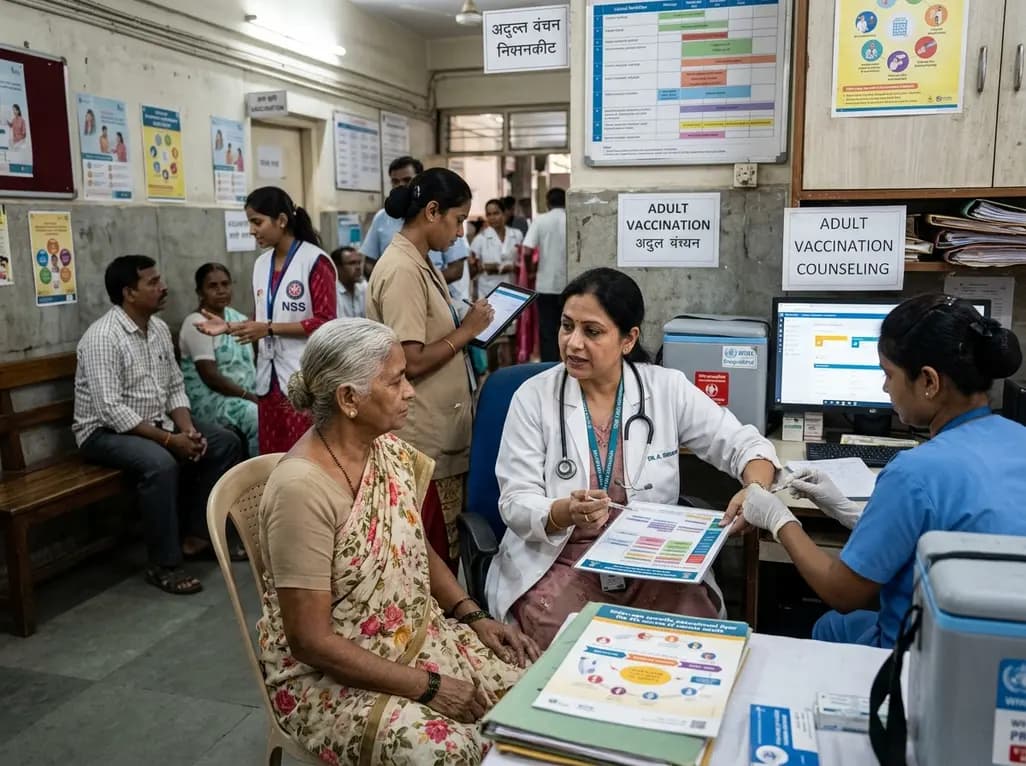
This review outlines multidimensional intervention strategies to enhance adult vaccination coverage, emphasizing behavioral motivation, clinical workflow optimization, community engagement, and digital health tools to protect high-risk populations across their life course.
Today

A school-based intervention using the Health Action Process Approach (HAPA) significantly enhanced adolescents' perceived benefits of consulting healthcare providers and promoted proactive menstrual health behaviors, offering key clinical insights for managing adolescent dysmenorrhea and endometriosis.
Today

A global dose-response meta-analysis of 8.8 million adults reveals that consuming an extra 100 grams of processed food daily raises cardiovascular event risk by 14%. Explore how industrial additives, systemic inflammation, and metabolic disruption heighten long-term multimorbidity and cardiometabolic risks.
Today

A psychometric validation study confirms that the Turkish Copenhagen Hip and Groin Outcome Score (HAGOS-T) offers excellent reliability, construct validity, and interpretability for patients with hip osteoarthritis, providing clinicians with a robust tool for functional assessment.
Today

A landmark dose-response meta-analysis of 8.8 million adults reveals that high ultra-processed food intake significantly elevates risks for cardiovascular disease, cancer, diabetes, depression, and all-cause mortality, highlighting urgent needs for clinical lifestyle interventions.
Today
