.webp&w=384&q=75)

Loading, please wait...
Loading, please wait...
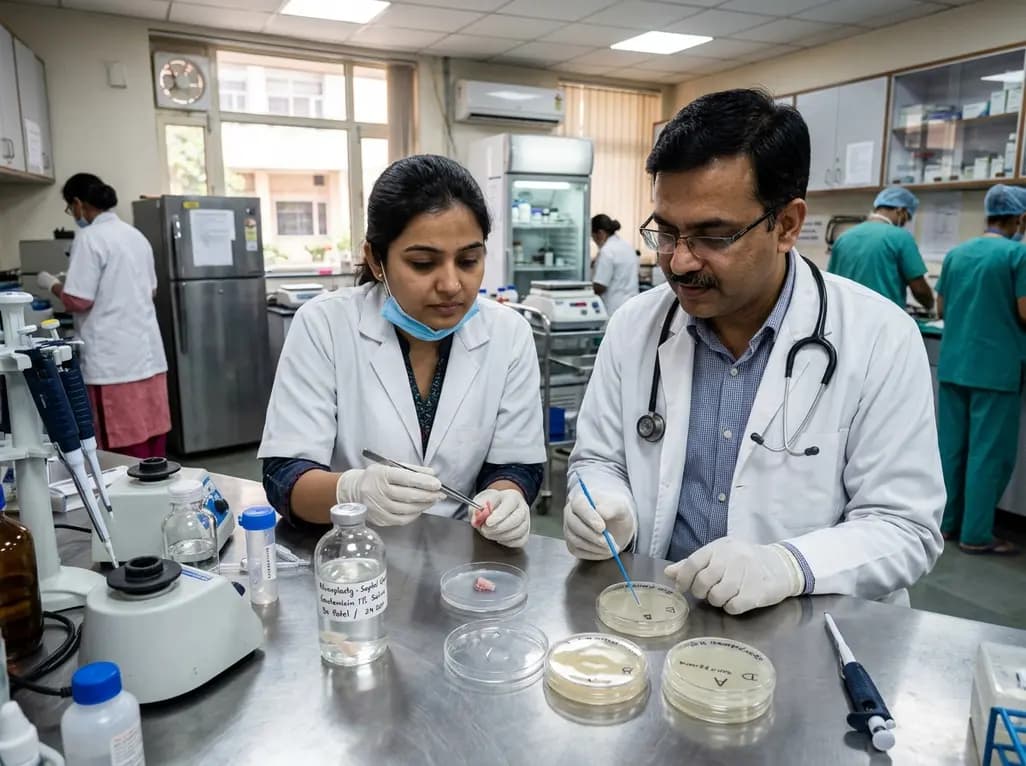
Autologous cartilage grafting represents an indispensable cornerstone in modern functional, reconstructive, and aesthetic rhinoplasty. Otolaryngologists and plastic surgeons routinely harvest septal, auricular, or costal cartilage to reinforce structural frameworks, correct severe asymmetries, and restore normal nasal airway patency. However, preserving tissue viability while ensuring complete sterility throughout prolonged surgical procedures remains a persistent clinical dilemma. In operating rooms worldwide, surgeons frequently utilize antibiotic-infused solutions for intraoperative cartilage graft storage to curb bacterial colonization and maintain hydration. A landmark study published in the Journal of Craniofacial Surgery evaluated the microbiological characteristics of septal cartilage grafts stored in gentamicin-diluted saline, providing critical safety evidence.
Cartilage autografts serve as the gold standard for providing durable architectural support during both primary and revision septorhinoplasty. Septal cartilage remains the preferred graft donor material because surgeons can harvest it directly within the primary operative field without secondary donor-site morbidity. In addition, septal cartilage possesses excellent structural rigidity and predictable long-term resorption profiles. Nevertheless, the intricate process of rhinoplasty often requires surgeons to keep harvested cartilage exposed on the surgical back table for substantial periods during detailed carving, shaping, and structural sizing.
Unfortunately, extended environmental exposure drastically elevates the potential risk of graft contamination from airborne microorganisms, contaminated surgical drapes, and endogenous nasal flora. Bacterial contamination of cartilage grafts can result in devastating post-operative complications, including soft tissue cellulitis, septal abscesses, chondritis, and accelerated graft resorption. Furthermore, structural loss from unresolved infection frequently leads to severe cosmetic deformities such as saddle nose deformity and persistent nasal airway obstruction. To prevent these catastrophic surgical failures, clinicians routinely submerge harvested tissue in antimicrobial solutions. However, the true microbiological efficacy of routine antibiotic storage methods requires continuous clinical validation and standardisation.
To systematically investigate contamination patterns during cartilage graft storage, researchers executed an ambispective observational study analyzing 94 septal cartilage grafts harvested during routine rhinoplasty procedures. The surgical team preserved all harvested specimens under standardized, controlled conditions within sterile saline solutions containing diluted gentamicin. Gentamicin represents a broad-spectrum aminoglycoside antibiotic widely chosen in surgical fields for its potent bactericidal efficacy against aerobic gram-negative bacilli and select staphylococcal strains. The investigation prospectively tracked these specimens using standard aerobic and anaerobic microbiological culture methodologies to assess true contamination frequencies.
Storage duration was specifically calculated as the exact time interval elapsed between initial surgical harvesting and definitive microbiological laboratory inoculation. The researchers conducted rigorous microbiological evaluations on both the solid cartilage matrix and the surrounding storage solution sediment independently. By distinguishing between these two specific compartments, the research team aimed to pinpoint the primary localization of bacterial growth. Statistical comparisons across experimental variables were conducted utilizing the Mann-Whitney U test for continuous data and the Fisher exact test for categorical variables. Consequently, this study design created a robust framework to understand bacterial dynamics during graft preservation.
The comprehensive microbiological culture results demonstrated detectable bacterial growth in 18 of the 94 evaluated cartilage samples, yielding an overall contamination rate of 19.1%. Conversely, 76 samples, representing 80.9% of the cohort, remained completely sterile with no microbial growth. These findings underscore that while immersion in gentamicin-diluted saline provides substantial antimicrobial protection, it does not guarantee absolute sterility. Surgeons must therefore recognize that antibiotic bathing alone cannot fully neutralize every microbial contaminant introduced during routine surgical handling.
Interestingly, the investigators observed a significant disparity regarding the anatomical localization of bacterial growth. Microbial proliferation occurred far more frequently within the storage solution sediment (11 cases) than within the solid cartilage graft matrix itself (8 cases). This important phenomenon suggests that detached cellular debris and planktonic bacterial cells tend to precipitate into the fluid sediment at the bottom of the container. In contrast, the dense extracellular matrix of intact cartilage acts as a physical barrier that resists immediate microbial penetration. Nevertheless, handling grafts within contaminated storage fluid carries high clinical risk. If a surgeon transfers a graft directly into the nasal pocket without prior irrigation, residual fluid containing viable bacteria enters clean tissue planes.
A major clinical question among nasal surgeons centers on whether the length of storage duration directly increases bacterial contamination rates. Surprisingly, the study demonstrated that the mean storage duration did not differ significantly between culture-positive and culture-negative samples, measuring 452.1 days versus 418.3 days respectively (P=0.882). Thus, the chronological duration of graft preservation under controlled refrigeration did not serve as an independent risk factor for bacterial colonization. Instead, initial contamination occurring during harvest or bench manipulation appears to determine subsequent culture positivity.
Microbiological profiling identified common skin and mucosal commensals as well as opportunistic environmental pathogens among the positive isolates. The identified species primarily included coagulase-negative staphylococci, Staphylococcus aureus, and select gram-negative rods. Although gentamicin maintains strong bactericidal activity, certain resistant strains or biofilm-forming phenotypes can survive diluted antibiotic concentrations. Additionally, prolonged liquid immersion without fresh solution exchanges may allow antibiotic potency to diminish over time. Consequently, surgical teams cannot rely on antibiotic storage solutions as a substitute for rigorous operative asepsis. Maintaining stringent sterile protocols throughout every stage of graft harvesting and carving remains the paramount defense against surgical site infections.
The results of this study carry immediate practical implications for otolaryngologists, facial plastic surgeons, and general reconstructive teams. First, clinicians must remember that antibiotic baths reduce bacterial load but do not render graft material permanently sterile. Therefore, surgical teams should implement multi-layered infection control strategies during septorhinoplasty. Surgeons can prepare graft materials within sterile plastic packaging or on dedicated auxiliary back tables to minimize contamination from drapes, gloves, and repeatedly handled instruments.
Second, surgeons should modify their handling techniques immediately before final graft implantation. Because bacterial colonies predominantly concentrate within the fluid sediment at the bottom of storage containers, simply retrieving cartilage from undisturbed solution transfers contaminated droplets into the surgical site. Clinicians should thoroughly rinse cartilage grafts with fresh, sterile saline before inserting them into the nasal framework. This crucial step effectively washes away loose sediment, planktonic bacteria, and concentrated antibiotic residues that could otherwise trigger local tissue irritation. By establishing structured storage protocols and pre-implantation rinsing routines, surgical teams can significantly lower infection rates and ensure optimal aesthetic and functional outcomes.
Gentamicin-diluted saline significantly reduces microbial contamination on harvested cartilage grafts by providing broad-spectrum bactericidal coverage against common pathogens. However, research demonstrates that approximately 19% of stored samples still exhibit bacterial growth. Therefore, while gentamicin offers substantial antimicrobial protection, surgical teams cannot rely solely on the solution to maintain complete sterility. Strict adherence to intraoperative aseptic techniques remains indispensable throughout the procedure.
Bacterial organisms and detached cellular debris naturally settle at the bottom of the storage container due to gravity. Furthermore, the dense extracellular matrix and tightly packed chondrocytes of cartilage present a physical barrier against rapid bacterial penetration. Consequently, planktonic bacteria proliferate more readily in the surrounding fluid sediment, making thorough pre-implantation rinsing of the graft with fresh sterile saline an essential safety step.
Clinical data indicates that storage duration does not significantly differ between culture-positive and culture-negative cartilage samples under controlled conditions. Instead, contamination typically occurs during the initial harvesting, handling, or carving phases on the surgical table. Thus, maintaining meticulous aseptic protocols during primary tissue processing is far more critical for preventing bacterial colonization than the total duration of graft storage.
Disclaimer: This content is for informational and educational purposes only. It is not intended to be a substitute for professional medical advice, diagnosis, or treatment. Always seek the advice of your physician or other qualified health provider with any questions you may have regarding a medical condition. Refer to the latest local and national guidelines for clinical practice.
References

Read summarized clinical updates, watch expert medical content, and earn CME certifications right from your smartphone.
Open your smartphone camera to scan and install.





A study evaluates bacterial growth in septal cartilage grafts stored in gentamicin-diluted saline during rhinoplasty. Findings show a 19.1% contamination rate, predominantly in storage solution sediment, emphasizing strict aseptic handling and pre-implantation graft rinsing.
last month

Pancreatic cancer cachexia affects over 80% of patients, driving severe muscle wasting, systemic inflammation, and treatment intolerance. This review highlights key pathophysiological drivers, exocrine insufficiency, objective CT imaging, and emerging therapies like GDF-15 inhibitors to improve clinical outcomes.
Today

A scoping review reveals how pregnancy affects phonation through laryngeal edema and reduced phonation time rather than major acoustic pitch alterations. Learn how to identify, evaluate, and manage vocal symptoms in expectant mothers.
Today

According to WHO data, average lifespan reached 73.3 years in 2023, recovering from pandemic lows. However, healthy life expectancy lags at 62.8 years due to surging noncommunicable conditions like cardiovascular disease and dementia, demanding proactive primary screening and sustained chronic care.
Today
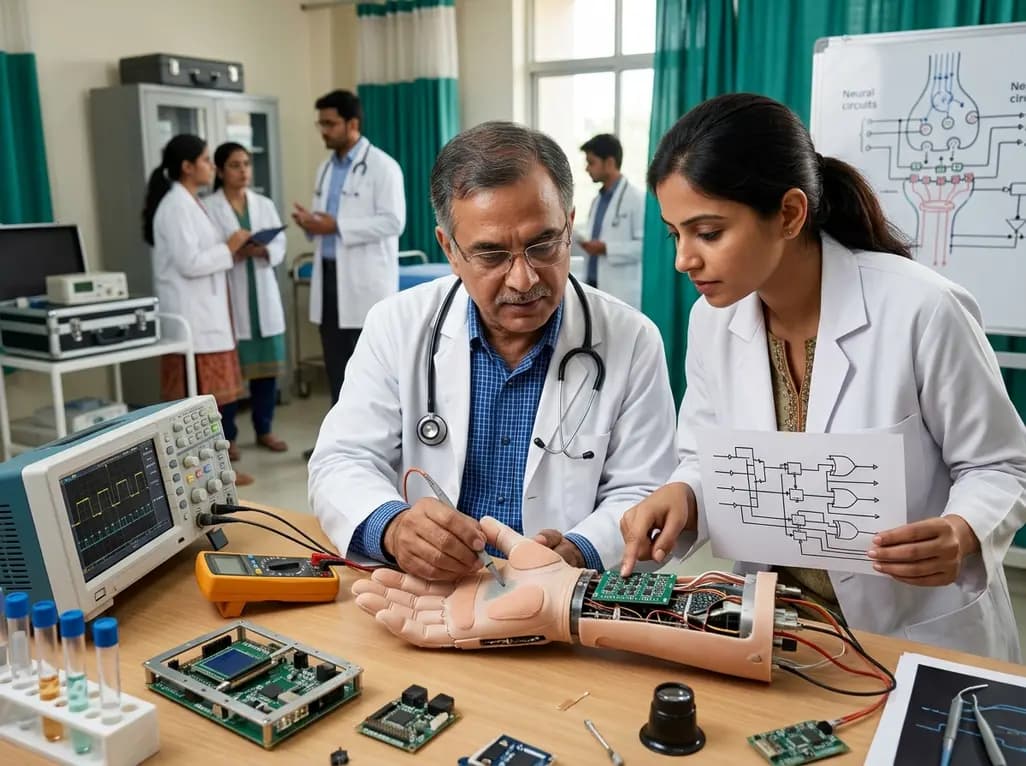
Researchers have engineered an artificial sensory-pain integrated receptor using a multi-threshold organic synaptic transistor. The system distinguishes benign touch from noxious stimuli, enabling safer, more responsive prosthetic limbs with built-in memory and simplified hardware architecture.
Today

Medical robotics is transitioning beyond operative suites into diagnostics, cardiology, and endocrinology. Explore how innovations in tele-robotics, AI integration, and nanomedicine are overcoming geographical barriers and transforming precision healthcare delivery across India's evolving disease landscape.
Today
