.webp&w=384&q=75)

Loading, please wait...
Loading, please wait...
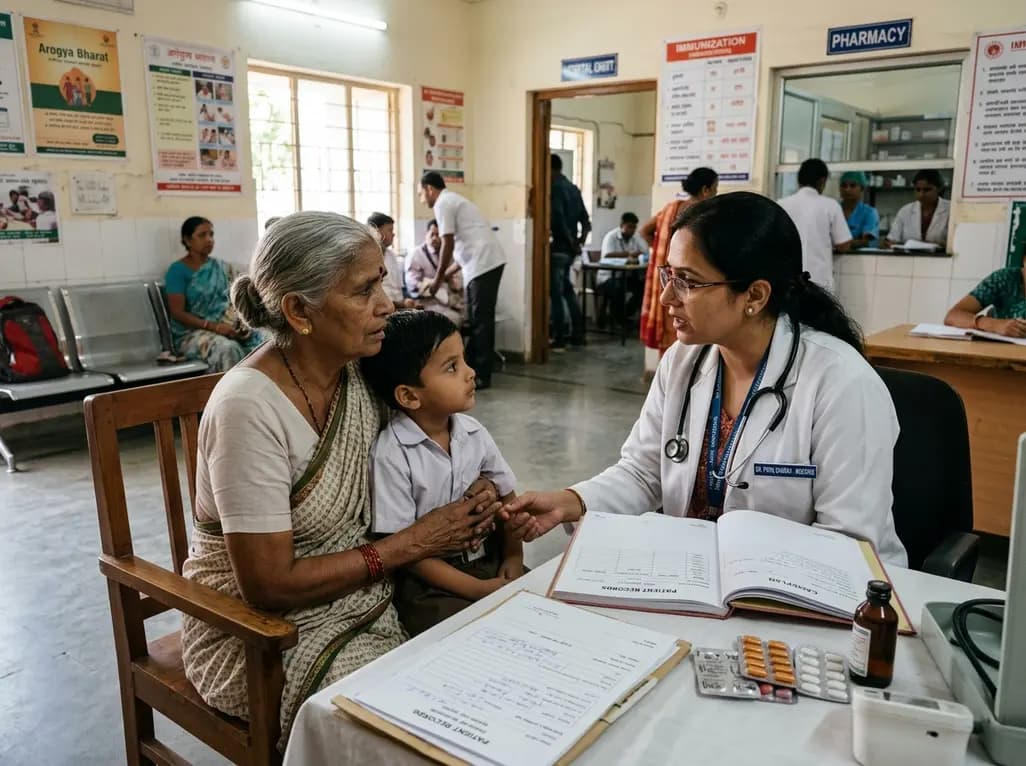
Across the world, rapid demographic changes compel millions of older adults to raise their grandchildren. In geriatric practice, preserving caregiving grandparents health represents a vital clinical priority. Kinship caregiving frequently compromises an aging individual's physical and emotional resilience. While prior studies linked caregiving demands with financial hardship, recent evidence highlights the role of neighborhood distress. Consequently, clinicians must assess how community environments worsen chronic systemic morbidity among elderly caregivers.
Recent empirical research led by Ralston and colleagues evaluated how neighborhood context influences custodial grandparents. Using data from 439 caregiving grandparents, researchers assessed community distress, personal finances, and health outcomes. Community distress reflects severe structural deprivation. For example, it includes concentrated poverty, violent crime, substandard housing, and inadequate public infrastructure. Consequently, older adults in distressed areas struggle to secure pediatric care, nutritious groceries, and educational supplies.
Furthermore, investigators utilized Latent Class Analysis to categorize participants by their perceived access to essential caregiving resources. They then conducted moderated mediation analyses. This modeling examined whether personal financial well-being mediates the link between community distress and caregiver health. Statistical findings demonstrated that community distress severely impairs financial security. Subsequently, this economic strain leads to worse physical and psychological outcomes. Importantly, perceived resource access buffered this detrimental pathway. Caregivers with robust community resources preserved their health despite residing in impoverished neighborhoods. In contrast, those lacking adequate resources suffered substantial clinical deterioration. Therefore, local community support systems serve as vital shock absorbers against severe environmental adversity. Thus, external neighborhood distress harms older individuals primarily by eroding their personal financial buffers. Clinicians must recognize this indirect pathway during routine evaluations.
The study classified caregiving grandparents into distinct profiles based on resource access. Caregivers reporting abundant community support maintained superior physical and mental wellness. Conversely, grandparents situated in low-resource clusters reported marked financial vulnerability and poor health. These empirical distinctions demonstrate that personal perception of local infrastructure profoundly shapes biological vulnerability.
Moreover, financial well-being serves as an essential mediating mechanism. When elderly adults raise grandchildren, sudden expenses rapidly deplete their modest life savings. Many older individuals subsist on fixed monthly pensions or informal daily wages. Therefore, out-of-pocket costs for school supplies, clothing, and pediatric healthcare generate severe monetary strain. Consequently, cash-strapped grandparents often skip their own essential medications to provide for dependent grandchildren. They also postpone necessary outpatient appointments and reduce their nutritional intake. Furthermore, when distressed neighborhoods lack subsidized childcare services, older caregivers bear all operational burdens alone. This prolonged deprivation depletes physical stamina and precipitates caregiver burnout. As a result, socioeconomic deprivation accelerates functional decline across vulnerable aging cohorts. Additionally, unaddressed monetary insecurity intensifies chronic emotional turmoil within extended kinship households. Hence, neighborhood infrastructure directly dictates whether older caregivers withstand sudden financial shocks.
Chronic caregiving stress triggers dangerous neuroendocrine disruptions in aging physiological systems. When older adults endure unrelenting financial distress, prolonged hypothalamic-pituitary-adrenal activation produces chronic hypercortisolemia. Consequently, elevated glucocorticoids promote systemic low-grade inflammation and vascular endothelial dysfunction. As a result, custodial grandparents demonstrate increased vulnerability to essential hypertension, ischemic heart disease, and poorly controlled type 2 diabetes. Furthermore, physical lifting and active childcare exacerbate degenerative lumbar spondylosis and osteoarthritis.
Simultaneously, unbuffered caregiving imposes an immense psychological burden. Custodial grandparents experience high rates of major depressive disorder, generalized anxiety, and chronic insomnia. Because they prioritize their grandchildren's daily welfare, they routinely disregard their own emotional distress. Moreover, societal isolation worsens when aging peers enjoy relaxed retirement activities. In distressed neighborhoods, fear of community violence and lack of green parks further trap elderly caregivers indoors. Therefore, persistent social isolation compounds chronic psychological exhaustion. Additionally, prolonged distress impairs neuroplasticity and hastens subjective cognitive decline. Ultimately, the confluence of financial insecurity and community distress accelerates biological senescence among aging caregivers. Thus, unchecked physiological and psychological strain converts noble kinship caregiving into a hazardous clinical state. Clinicians must evaluate these intertwined somatic and psychiatric sequelae holistically.
These research findings hold vital significance for medical practitioners across India. Rapid urban migration, parental mortality, and economic distress have generated numerous skipped-generation families in rural regions. In these households, elderly grandparents provide primary care for grandchildren while parents work in distant cities. Findings from the Longitudinal Ageing Study in India highlight high rates of multimorbidity among aging rural adults. Unfortunately, community infrastructure in many rural districts remains severely resource constrained.
Consequently, caregiving grandparents in rural India face compounding environmental hardships. They navigate scarce public transport, limited primary healthcare access, and erratic potable water supplies. Because household budgets remain tight, grandmothers frequently sacrifice their own antihypertensive or antidiabetic drugs to pay school fees. Furthermore, cultural norms discourage Indian seniors from expressing emotional exhaustion or parenting fatigue. Instead, older caregivers frequently somaticize psychological distress as persistent tension headaches, vague body aches, or dyspepsia. Primary care physicians often treat these complaints symptomatically without exploring underlying caregiving burdens. Therefore, Indian doctors must investigate domestic living arrangements when managing refractory geriatric symptoms in primary care clinics. Recognizing these hidden caregiving duties allows clinicians to deliver compassionate, context-specific medical care. Thus, clinical inquiries must extend beyond physiological parameters.
To address this escalating challenge, healthcare practitioners must institute structured caregiver assessments during routine medical consultations. Family physicians should specifically inquire about custodial responsibilities and dependent minors during anamnesis. Clinicians can utilize validated instruments, such as the Zarit Burden Interview, to identify caregiver strain early. Similarly, regular screening with the Geriatric Depression Scale detects hidden affective disorders. Furthermore, doctors must assess social determinants of health, evaluating medication affordability, food security, and household support.
In addition to diagnostic screening, clinicians must integrate community-oriented social prescribing into patient care plans. Healthcare workers should link vulnerable elders with local medical social workers and Accredited Social Health Activists. In India, facilitating enrollment in government welfare initiatives, such as the National Social Assistance Programme, provides crucial financial relief. Clinicians should also promote generic drug prescriptions to minimize out-of-pocket medical expenditures. Moreover, establishing hospital-based support groups connects isolated caregivers with empathetic peers. Community health centers can also offer respite daycare services to grant elderly guardians necessary rest. By bridging clinical treatment with robust community resources, healthcare providers effectively protect the health of caregiving grandparents. Ultimately, comprehensive medical care requires active collaboration between hospital teams and community social systems.
Neighborhood deprivation limits access to affordable grocery markets, safe parks, and specialized healthcare clinics. Consequently, caregiving grandparents living in distressed areas face difficulties acquiring chronic medications and balanced nutrition. Furthermore, continuous environmental hazards maintain chronic sympathetic nervous system activation. This sustained neuroendocrine response elevates blood pressure, promotes systemic vascular inflammation, accelerates atherosclerosis, and worsens musculoskeletal disorders such as degenerative osteoarthritis and severe chronic spinal pain.
Older caregivers frequently neglect their personal emotional well-being to support their dependent grandchildren. Consequently, chronic financial strain and extreme social isolation often induce unaddressed major depression and severe anxiety disorders. Because older patients usually report somatic symptoms rather than overt emotional distress, systematic screening with validated clinical tools allows primary care clinicians to identify psychiatric conditions early, initiate timely interventions, and prevent irreversible functional decline.
Indian clinicians should systematically document kinship caregiving duties during routine outpatient consultations. Practitioners can prescribe affordable generic medications to decrease out-of-pocket healthcare expenses. In addition, doctors must coordinate with Accredited Social Health Activists and connect families with government welfare programs like national old-age pensions. Finally, clinicians should recommend local community support groups to alleviate emotional isolation and teach practical stress management techniques.
Disclaimer: This content is for informational and educational purposes only... Refer to the latest local and national guidelines for clinical practice.
References

Read summarized clinical updates, watch expert medical content, and earn CME certifications right from your smartphone.
Open your smartphone camera to scan and install.





A study evaluates how community distress impacts caregiving grandparents health through financial strain and resource access. Clinicians must recognize these social determinants to support geriatric caregivers in primary care and skipped-generation households.
Today

A meta-analysis evaluating leadless pacemaker extraction demonstrated an 89.1% procedural success rate and a 3.8% major complication rate across pooled cohorts. With dwell times extending up to 9 years, the findings offer vital guidance for electrophysiologists managing device end-of-life and clinical revisions.
Today
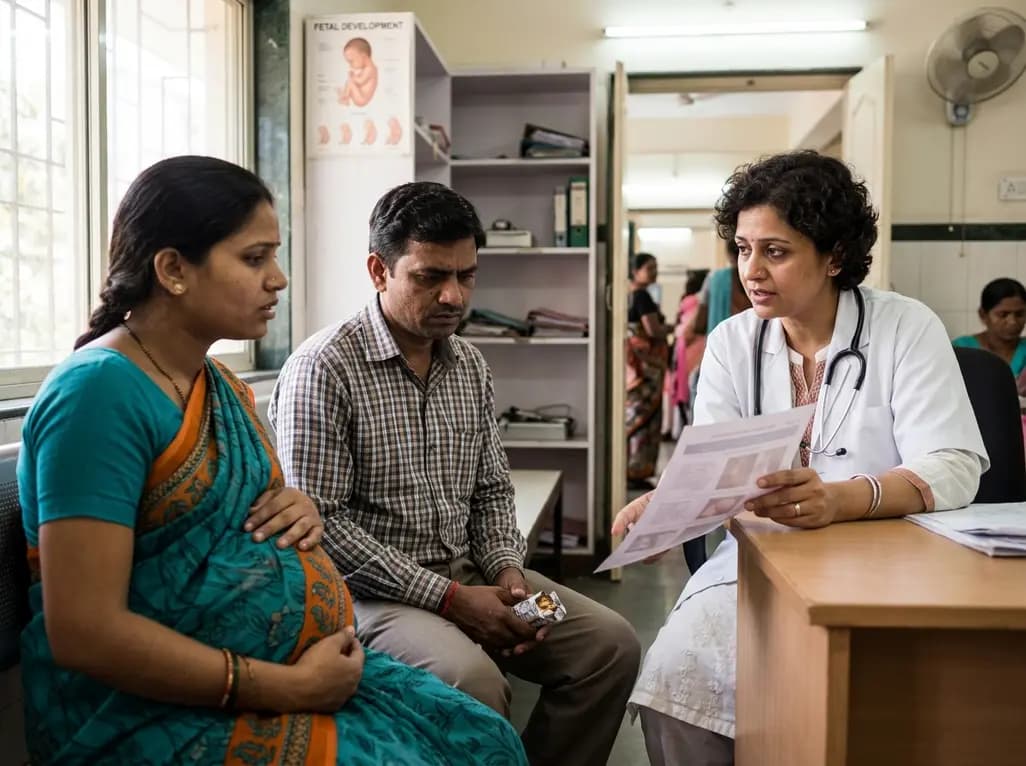
A meta-analysis demonstrates that secondhand smoke exposure significantly elevates fetal loss risk by 21% among nonsmoking pregnant women. Clinicians must implement household screening and family-centered cessation interventions to prevent avoidable miscarriages and stillbirths.
Today
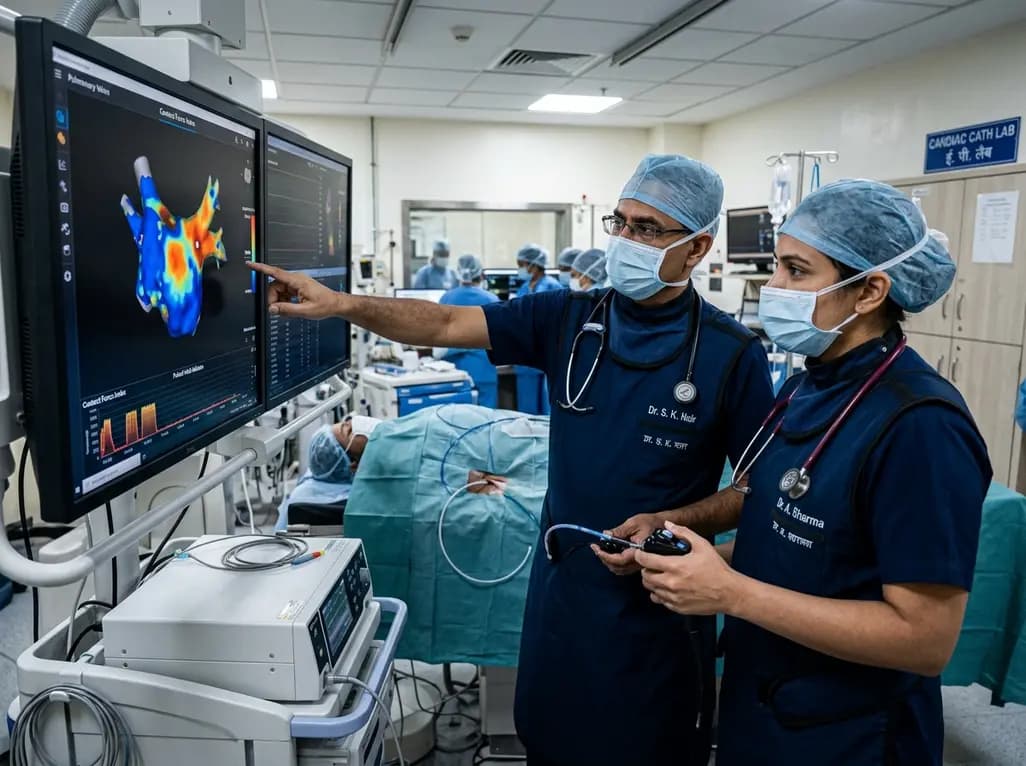
Preclinical validation demonstrates that a novel contact force-integrated pulsed field quantization index accurately predicts lesion depth in real time, achieving 100% durable pulmonary vein isolation without collateral injury.
Today
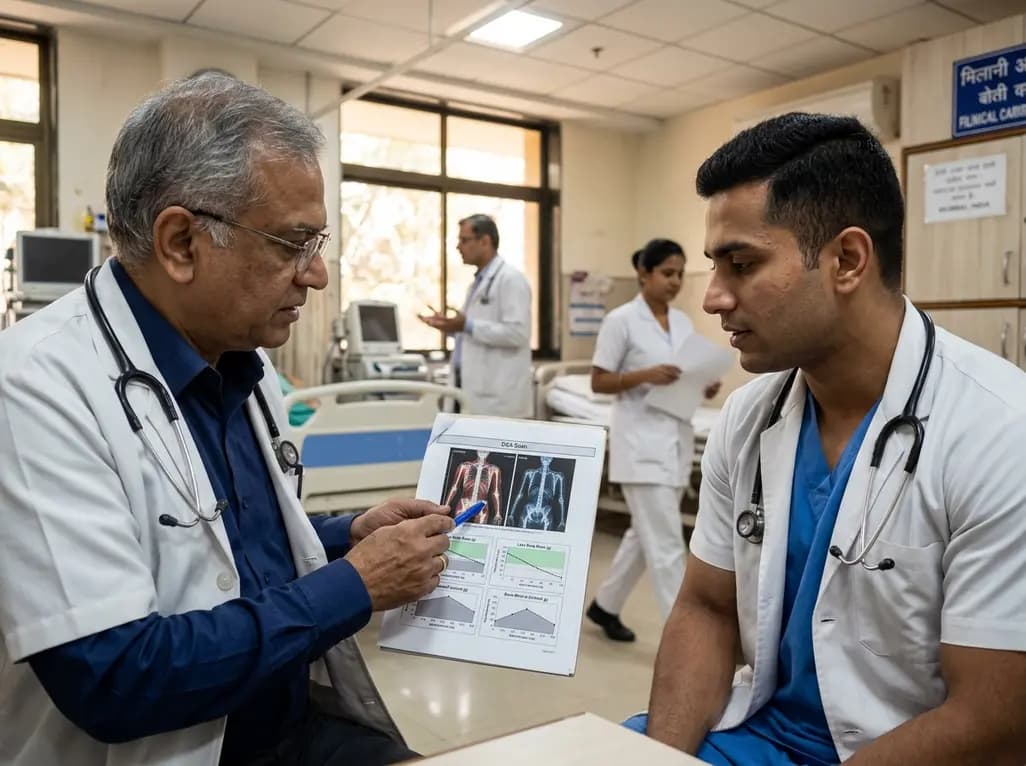
A new cross-sectional evaluation reveals how regional lean mass and bone mineral content interact in resistance-trained men, showing that whole-body size and allometric scaling explain shared musculoskeletal phenotypes and strength relationships.
Today

Explore the emerging role of glucose metabolic reprogramming in exercise-attenuated osteoporosis, examining how physical activity influences osteoblast glycolysis, osteoclast bioenergetics, and skeletal remodeling pathways to improve bone mineral density.
Today
