

Loading, please wait...
Loading, please wait...

Cancer diagnoses affect millions of families globally each year, placing immense physical and emotional demands on informal care partners. Consequently, family members frequently undertake complex responsibilities without formal training or structured clinical guidance. While electronic patient-reported outcomes have transformed modern oncology monitoring, researchers rarely connect these data streams directly to care partners. To address this gap, innovative models now leverage digital symptom tracking to enhance caregiver symptom support. By translating patient-reported metrics into actionable insights, oncology teams can empower relatives to intervene effectively. Moreover, structured support helps prevent severe treatment toxicities and reduces avoidable emergency visits. Therefore, investigating collaborative digital tools represents an essential step forward in comprehensive oncological care.
Informal caregivers serve as the primary frontline support system for patients undergoing intensive cancer therapies. However, these dedicated individuals routinely navigate complex medication schedules, severe side effects, and emotional distress in relative isolation. Although clinicians recognize their indispensable contributions, standard healthcare systems rarely evaluate caregiver preparedness systematically. Consequently, caregivers report substantial anxiety regarding symptom escalation and frequently delay necessary clinical escalation out of uncertainty. Furthermore, chronic caregiver strain correlates directly with adverse patient outcomes and psychological morbidity. Because cancer treatments increasingly shift toward outpatient administration, home-based symptom monitoring has become paramount. Therefore, oncology teams urgently require scalable solutions that equip families with targeted knowledge. When care partners receive clear instructions, they can anticipate complications before acute emergencies arise. Additionally, bridging the communication divide between households and oncology clinics fosters greater trust and clinical coherence. Ultimately, strengthening caregiver capabilities provides a protective safety net for vulnerable oncology patients throughout difficult treatment trajectories.
Electronic patient-reported outcomes (ePROs) have fundamentally revolutionized routine oncology care by capturing real-time patient toxicities. Nevertheless, existing platforms typically restrict data visibility strictly to patients and clinical teams. The FamilyAWARE study addressed this limitation by evaluating how structured data sharing can enhance caregiver symptom support. Specifically, researchers conducted qualitative formative interviews across twenty caregivers, twenty cancer patients, and twenty-five experienced oncology clinicians. Participants explored a novel intervention model that pairs one-on-one professional coaching with a web-based dashboard displaying recent patient ePRO data. Overall, participants reacted positively to the concept, highlighting its potential to demystify complex clinical trajectories. Furthermore, caregivers expressed substantial enthusiasm for receiving tailored management recommendations alongside patient symptom summaries. In contrast, clinicians and patients maintained cautious optimism, emphasizing that digital tools must minimize cognitive burden. Thus, designing intuitive digital interfaces remains critical for sustained user engagement across diverse technological literacy levels.
The FamilyAWARE framework unites individualized nurse coaching with actionable technological insights to optimize daily supportive care. First, the platform delivers summarized patient symptom trajectories through a dedicated, secure web portal. Therefore, caregivers gain objective visibility into emerging issues such as nausea, fatigue, and pain severity. In addition, the system couples symptom tracking with evidence-based management guidance, offering practical interventions for home care. However, technology alone cannot replace human reassurance and tailored problem-solving. Consequently, one-on-one coaching sessions reinforce digital insights by teaching relatives practical problem-solving skills. During these structured sessions, coaches guide family members through real-world scenarios and assist them in establishing clear thresholds for hospital contact. Because participant preferences vary widely, clinicians recommended flexible coaching modalities, including telephone consultations, videoconferencing, and brief in-person appointments. Ultimately, this blended delivery model reinforces caregiver self-efficacy while respecting their demanding daily routines and time limitations.
A pivotal theme emerging from the formative evaluation involves maintaining delicate boundaries between patient autonomy and active caregiver assistance. Although family members desire prompt insights to deliver timely care, patients frequently express valid concerns regarding micromanagement. Therefore, intervention developers must implement transparent data-sharing protocols that require explicit patient consent before granting caregiver dashboard access. Furthermore, coaching content must explicitly instruct caregivers on supporting loved ones without undermining personal independence. Clinicians emphasized that coaching should teach relatives how to encourage open dialogue rather than enforcing unsolicited interventions. Additionally, training should assist families in distinguishing mild, expected side effects from urgent oncologic emergencies requiring rapid medical attention. By establishing these clinical guardrails, the intervention cultivates productive collaboration between patients and their care partners. As a result, digital transparency strengthens interpersonal relationships instead of provoking familial friction or overdependence during vulnerable treatment periods.
Integrating family-centered digital health platforms into conventional oncology workflows presents both tremendous opportunities and practical implementation hurdles. For healthcare systems, remote symptom dashboards provide clinicians with a clearer understanding of household dynamics and home compliance. Moreover, well-prepared caregivers can resolve minor treatment toxicities independently, thereby reducing unnecessary telephone triage calls and hospital readmissions. However, oncologists must ensure that caregiver tools do not generate additional documentation burdens or administrative complexity for clinical staff. In addition, developers must prioritize low-literacy interfaces, plain clinical language, and clear visual cues to prevent digital exclusion. Because many oncology patients reside in rural or socioeconomically disadvantaged communities, mobile device compatibility remains essential. Healthcare providers must also establish rigorous ethical guidelines governing sensitive symptom disclosures. Ultimately, successful adoption will depend on demonstrating cost-effectiveness, clinical safety, and measurable improvements in quality of life across prospective randomized clinical trials.
FamilyAWARE connects directly to electronic patient-reported outcome systems to summarize longitudinal symptom data for authorized family caregivers. Instead of viewing raw medical charts, caregivers review streamlined dashboards displaying symptom severity, recent trends, and evidence-based home interventions. Furthermore, the platform integrates individual coaching sessions that help caregivers interpret these reports accurately. Consequently, relatives gain actionable insights into emerging toxicities, allowing them to provide timely assistance while knowing precisely when to escalate care.
Family caregivers serve as primary partners in outpatient cancer care, observing subtle shifts in physical performance and emotional well-being. However, without proper education, caregivers often experience severe anxiety and struggle to recognize critical clinical emergencies. By actively involving caregivers through structured digital tools and professional coaching, oncology teams significantly bolster household self-efficacy. Consequently, well-prepared caregivers help reduce patient distress, optimize medication compliance, avoid preventable hospitalizations, and maintain a higher overall quality of life.
Sharing sensitive health metrics between patients and family caregivers requires stringent privacy safeguards and mutual consent. Patients occasionally fear losing autonomy or having relatives scrutinize their daily physical limitations unnecessarily. Therefore, digital interventions must incorporate explicit consent protocols that allow patients to control which data points relatives can access. In addition, coaching sessions guide family members on respecting personal boundaries, ensuring that symptom transparency promotes constructive, empathetic caregiving rather than domestic friction.
Disclaimer: This content is for informational and educational purposes only and should not be considered medical advice. Refer to the latest local and national guidelines for clinical practice.
References

Read summarized clinical updates, watch expert medical content, and earn CME certifications right from your smartphone.
Open your smartphone camera to scan and install.





A qualitative study evaluated FamilyAWARE, an innovative intervention combining one-on-one coaching and electronic patient-reported symptom dashboards to empower family caregivers supporting cancer patients.
Today
A comparative analysis of ChatGPT and Google Gemini reveals how generative AI models explain atrial fibrillation and treatment options. The study highlights vital perceptual gaps between cardiologists and laypersons regarding medical bias, formatting, and untreated clinical consequences.
Today
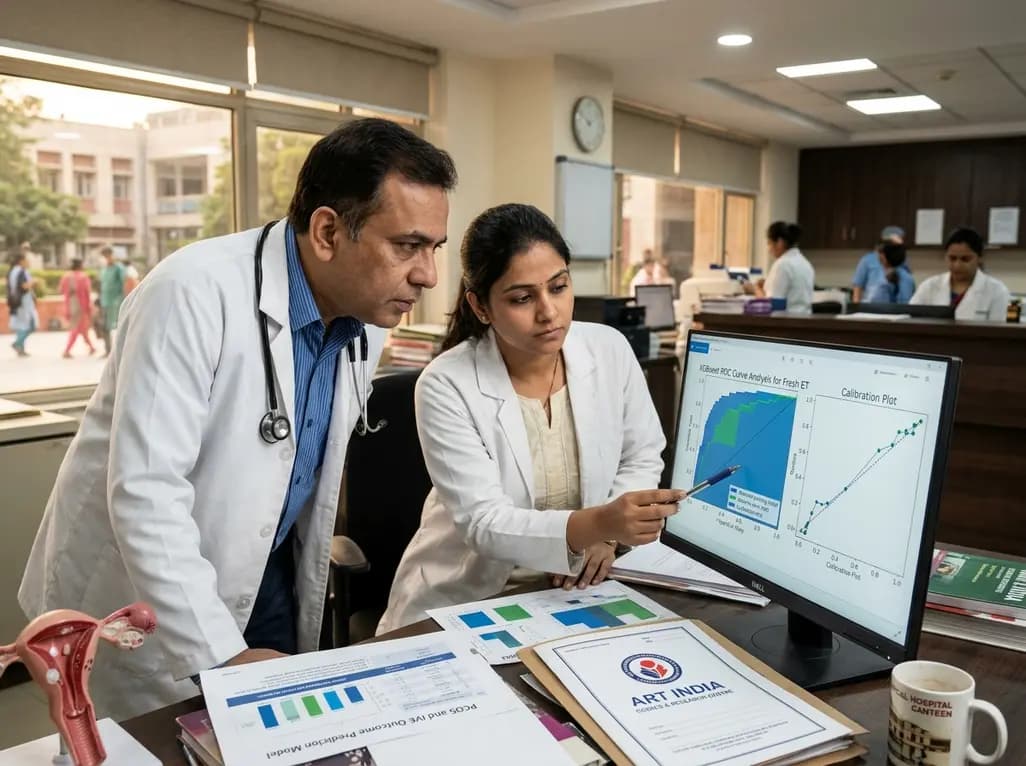
A multicenter study evaluates an XGBoost machine learning model to predict miscarriage risk in PCOS after fresh embryo transfer. While discrimination was strong internally, cross-cohort calibration drift emphasizes its role as a risk-ranking tool rather than a standalone diagnostic instrument.
Today
A landmark study reveals structured variation in daily emotional experiences using mobile cardiac monitoring and machine learning. Uncovering a many-to-many mapping between autonomic states and feelings, this research offers key insights for managing psychosomatic and psychiatric conditions in clinical practice.
Today
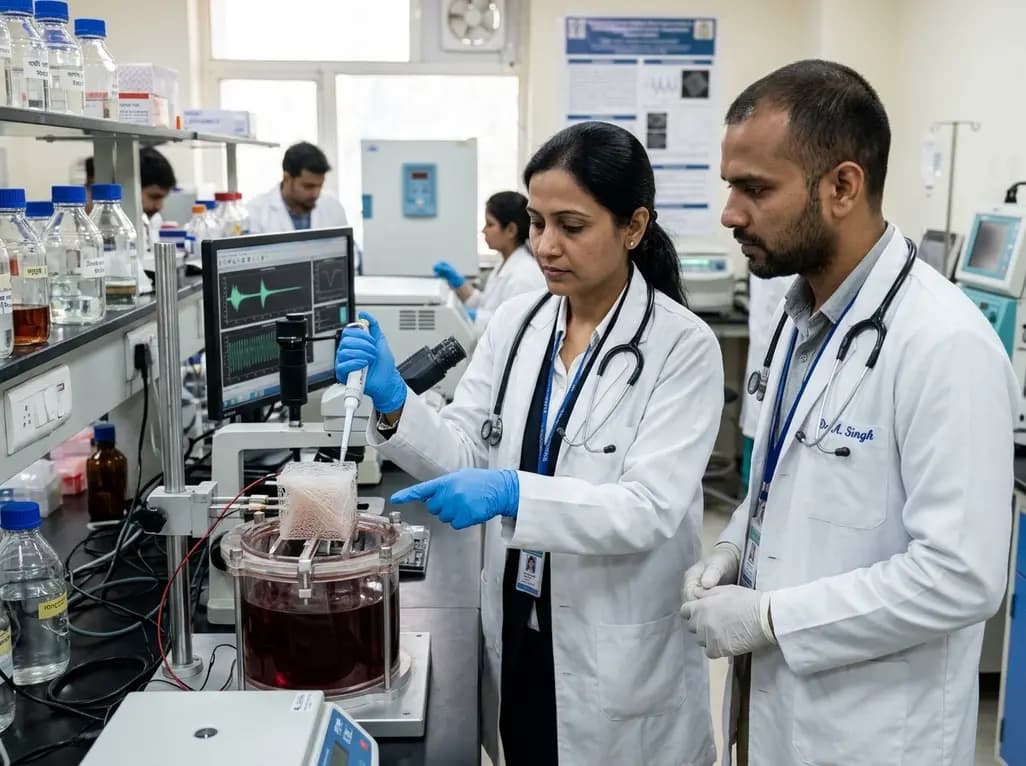
Engineered 3D piezoelectric PHBV scaffolds generate electrical charges during mechanical strain, mimicking native muscle electromechanics to promote cellular alignment, myogenic differentiation, and functional tissue repair in severe volumetric muscle loss.
Today
A study in aged rats reveals that caloric restriction broadly upregulates adipose macrophage genes, whereas concurrent endurance training buffers this response. Despite these tissue-level transcriptional changes, systemic glycemic and lipid markers remain unchanged, highlighting the complexity of geriatric metabolism.
Today
