.webp&w=384&q=75)

Loading, please wait...
Loading, please wait...
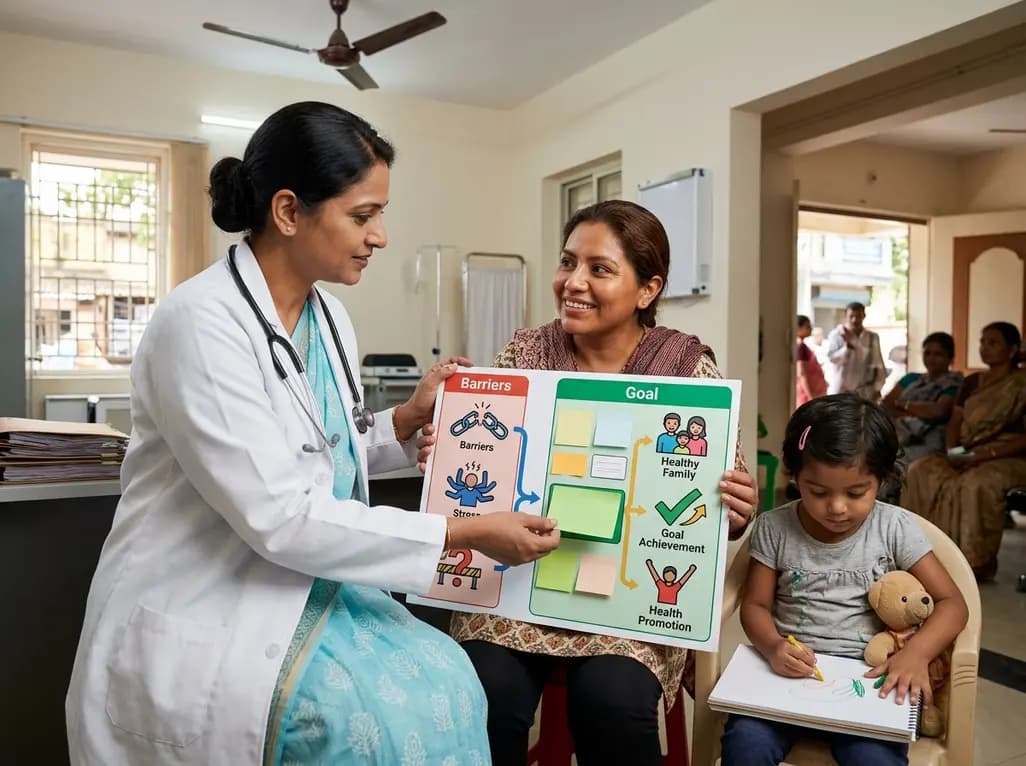
Caring for a child with intellectual and developmental disabilities (IDD) presents unique and often overwhelming challenges that can significantly impact the health of the primary caregiver. Specifically, Latina caregivers frequently face a dual burden of intensive caregiving responsibilities alongside systemic barriers to health services. Therefore, Caregiver Health Promotion has emerged as a vital area of research, aiming to shift the clinical focus from the child alone to the well-being of the entire family unit. Researchers recently conducted a focused study to explore how structured interventions can help these caregivers prioritize their own physical and mental health. By using a qualitative approach within a randomized controlled trial, the study investigated the types of goals these women set and the strategies they used to achieve them. The findings suggest that while caregivers face immense stress, structured support and culturally relevant goal setting can lead to measurable improvements in health behaviors.
The intervention utilized in this study involved a 10-session culturally tailored program delivered by promotoras, or community health workers. These sessions addressed critical wellness pillars including physical activity, healthy eating, and navigating complex healthcare environments. Furthermore, goal setting served as the central mechanism for behavior change. Participants identified a total of 68 goals, with a remarkable 61.7% being either fully achieved or showing significant progress during the study period. Common strategies included the use of reminders, participating in dedicated wellness activities, and making specific adjustments to daily nutrition. Consequently, the study highlights that caregivers are highly motivated to improve their health when provided with the right tools. Clinicians should note that providing a structured framework for health goals can empower caregivers who otherwise feel they have no time for self-care. Moreover, the study demonstrates that even small, incremental changes in physical activity can lead to a sense of accomplishment and improved overall wellness for the mother.
Despite the success of the goal-setting intervention, caregivers reported significant challenges that hindered their progress. Many participants described feeling overwhelmed by the constant demands of caring for a child with IDD, which often leads to chronic stress and burnout. Additionally, a lack of social and emotional support remains a primary barrier for these women. When caregivers feel isolated, they are less likely to adhere to health-related goals, regardless of how well-designed the intervention might be. This study emphasizes that health promotion is not merely about providing information; it requires addressing the emotional landscape of the caregiver. Furthermore, systemic issues such as financial constraints and navigating the complexities of the healthcare system add layers of difficulty. Doctors must recognize that a caregiver's health is intrinsically linked to their environment. Therefore, successful interventions must incorporate strategies to manage stress and build supportive networks. By understanding these barriers, healthcare providers can better tailor their advice to be realistic and achievable for families in high-stress situations.
One of the most successful elements of this study was the use of promotoras to deliver the intervention. These community health workers share the cultural and linguistic background of the participants, which fosters trust and improves engagement. This model is particularly relevant for diverse populations where traditional healthcare settings may feel intimidating or impersonal. In the context of the study, promotoras worked closely with caregivers to develop personalized action plans and provided ongoing emotional support. This peer-led approach ensures that health advice is culturally sensitive and practical for the caregiver's daily life. For instance, nutrition goals were tailored to traditional dietary habits rather than imposing external standards. Similarly, the promotoras understood the specific cultural nuances of the Latina community regarding family roles and caregiving. This culturally tailored support likely contributed to the high rate of goal progress observed in the results. Consequently, integrating similar community-based models could be a highly effective strategy for health promotion in various global contexts, including rural or underserved urban areas.
The results of this study offer important insights for pediatricians and mental health professionals who work with families of children with IDD. Primarily, the high rate of goal achievement suggests that caregivers are receptive to health interventions when they are integrated into the child’s care pathway. Clinicians should consider implementing routine health screenings for caregivers during pediatric visits to identify those at high risk for burnout. Moreover, referring families to support groups or community health worker programs can provide the structural support needed for behavior change. Ultimately, improving the health of the caregiver has a direct positive impact on the quality of care provided to the child. A healthy, well-supported caregiver is better equipped to manage the child's complex medical and developmental needs. This study confirms that Caregiver Health Promotion is not just a secondary concern but a fundamental component of pediatric rehabilitation. By prioritizing the wellness of the caregiver, the medical community can foster more resilient families and improve long-term outcomes for children with intellectual disabilities.
In conclusion, the study demonstrates that structured goal setting is a powerful tool for promoting healthy behaviors among caregivers of children with IDD. While the participants faced significant barriers, including stress and a lack of support, the majority were able to make meaningful progress toward their health goals. The success of the promotora-led intervention highlights the importance of cultural tailoring and community-based support. Future research should focus on scaling these interventions to larger, more diverse populations and exploring the long-term sustainability of the health improvements. Additionally, clinical practice must evolve to recognize the caregiver as a vital participant in the healthcare system who requires dedicated support. By integrating wellness goals into the standard of care for families with IDD, we can move toward a more holistic and effective model of pediatric medicine. The progress reported by these Latina caregivers serves as a testament to the effectiveness of empowered goal setting and the critical need for targeted health promotion strategies in underserved communities.
The caregivers in this study identified a diverse range of 68 health-related goals. The most prevalent objectives focused on improving physical activity and enhancing nutrition through better eating habits. Additionally, many participants prioritized wellness activities and the use of consistent reminders to maintain their health routines. These goals reflect a strong desire to regain control over their physical well-being despite the time-consuming demands of caring for a child with intellectual disabilities.
Caregiver wellness is inextricably linked to the quality of care a child receives. When caregivers prioritize their health and manage stress effectively, they are less likely to experience burnout or irritability. Consequently, this leads to more patient parenting and better adherence to the child’s own medical and developmental interventions. Promoting caregiver health creates a more stable home environment, which is essential for the long-term social and emotional development of children with IDD.
Community health workers, such as the promotoras in this study, act as vital bridges between families and the healthcare system. They provide culturally tailored support, share lived experiences, and offer practical guidance that traditional clinical settings often lack. By working closely with caregivers to set realistic goals and providing emotional encouragement, they help overcome barriers of isolation and confusion. Their involvement is key to the high success rates seen in behavior change interventions for underserved populations.
Disclaimer: This content is for informational and educational purposes only... Refer to the latest local and national guidelines for clinical practice.
References
Suarez-Balcazar Y et al. Promoting Health Behaviors Among Latina Caregivers of Children With Intellectual and Developmental Disabilities Through Goal Setting. Am J Health Promot. 2026 Jul 08. doi: 10.1177/08901171261466066. PMID: 42418255.
Magidigidi-Mathiso L, et al. Caregiver capabilities: Healthcare interventions for children with developmental disabilities. African Journal of Disability. 2025;14(1):1532. doi:10.4102/ajod.v14i1.1532.
Effectiveness of a Community Health Worker-Driven Intervention in Improving the Quality of Life of Caregivers of Children With Disability in Rural Karnataka, India. PMC. 2024. Available from: https://www.ncbi.nlm.nih.gov/pmc/articles/PMC10996841/.

Read summarized clinical updates, watch expert medical content, and earn CME certifications right from your smartphone.
Open your smartphone camera to scan and install.





A new study explores how culturally tailored interventions and goal setting help Latina caregivers of children with intellectual and developmental disabilities improve their health behaviors. Results show high goal achievement despite significant barriers like stress and lack of support.
3 months ago
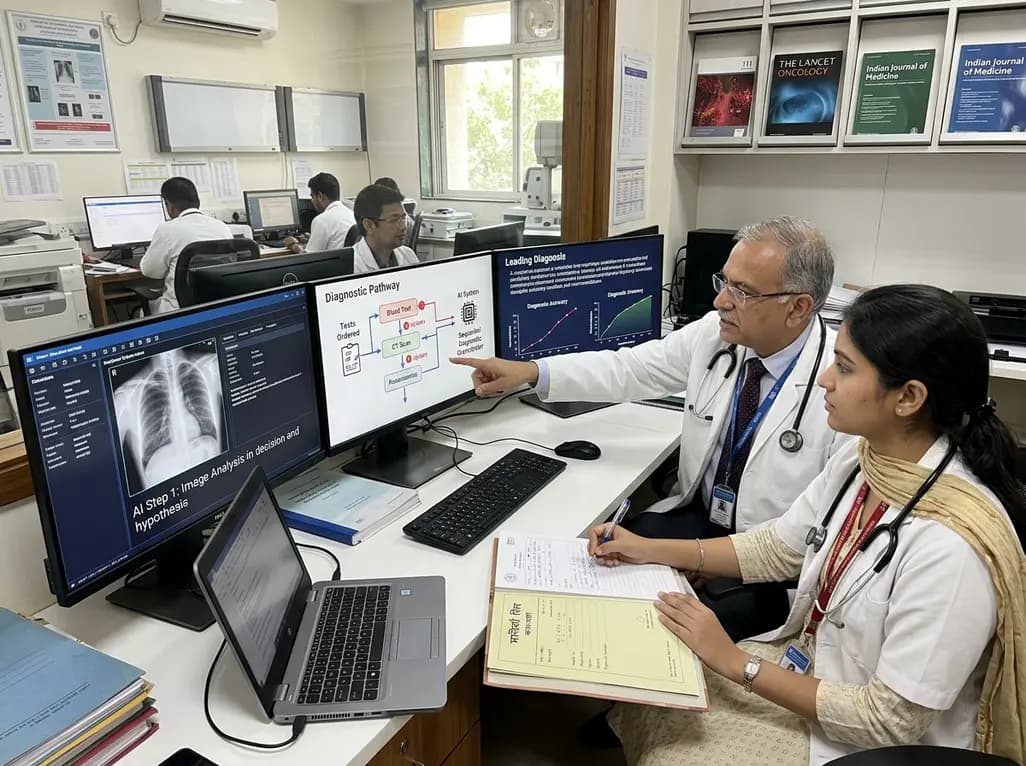
A breakthrough peer-reviewed study demonstrates that a sequential AI diagnosis system can mirror real-world clinical reasoning. By ordering stepwise tests and updating hypotheses dynamically, this multi-agent orchestrator achieved superior diagnostic accuracy while reducing investigative costs.
Today

A prenatal case highlights severe glutaric acidemia type II presenting as bilateral hyperechoic cystic kidneys at 18 weeks. Whole-exome sequencing revealed a novel homozygous ETFDH frameshift variant, demonstrating the power of rapid genetic testing in fetal renal anomalies.
Today

Review how tailored exercise programs benefit frail older patients with heart failure. Explore pathophysiological mechanisms, individualized training prescriptions, and strategies to overcome adherence barriers in clinical practice.
Yesterday

This comparative study evaluates posterior labral tears with and without glenohumeral instability, highlighting distinct demographic patterns, MRI underestimation in stable shoulders, and successful arthroscopic repair outcomes.
Yesterday

A clinical study demonstrates that early intervention with tocilizumab, either as monotherapy or bridged with corticosteroids, achieves significant proptosis reduction and resolves active inflammation in treatment-naive thyroid eye disease.
Yesterday
