

Loading, please wait...
Loading, please wait...
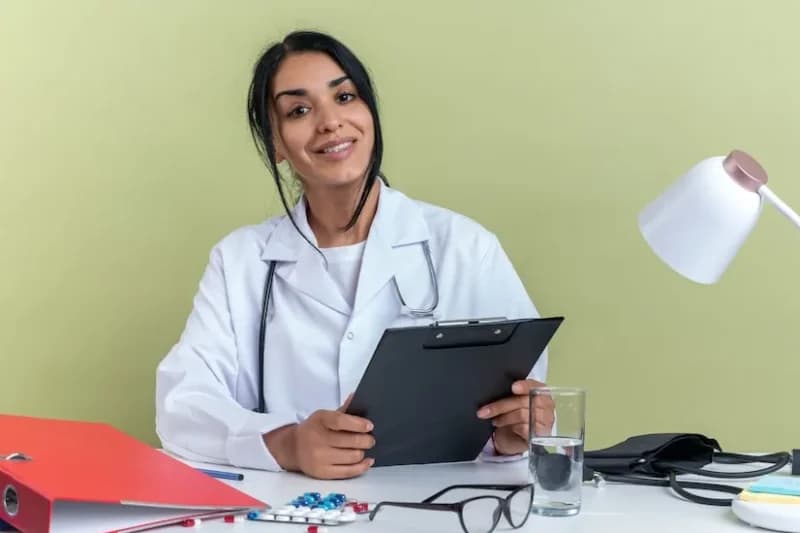
Addressing caregiver burden in cancer is essential for maintaining the health of informal female caregivers in resource-limited environments. Consequently, researchers have explored digital solutions to provide psychosocial support. Specifically, the integration of mobile health (mHealth) psychoeducation and the Benson relaxation technique (BRT) shows great promise. Moreover, this approach addresses the specific needs of women who often balance multiple roles while caregiving. Therefore, clinicians must recognize the value of these accessible interventions.
Furthermore, a recent randomized controlled trial examined these combined interventions among female caregivers. Notably, the study revealed significant improvements in caregiver burden scores over a six-month period. Additionally, participants reported lower levels of anxiety and depression. Therefore, the Benson relaxation technique serves as a cost-effective method to induce the relaxation response. Consequently, combining it with structured psychoeducation enhances self-efficacy. In addition, the digital delivery ensures that caregivers can access support at their convenience. However, clinical implementation requires awareness among oncology professionals. Ultimately, these tools improve the quality of life for the entire family unit. Similarly, healthcare providers should advocate for digital literacy to maximize these benefits.
Specifically, the technique involves repeating a focus word or phrase while breathing deeply to counteract the stress response. Consequently, it helps lower the heart rate and reduce mental fatigue. Thus, it provides a portable tool for stress management.
Notably, while mHealth is highly effective for education and mild distress, it should supplement rather than replace specialized psychiatric care for severe cases. Accordingly, it acts as a scalable first-line support tool. Therefore, it fills a critical gap in oncology care.
Disclaimer: This content is for informational and educational purposes only. It does not constitute medical advice, diagnosis, or treatment. Always seek the advice of a qualified healthcare provider with any questions regarding a medical condition. Refer to the latest local and national guidelines for clinical practice.
References

Read summarized clinical updates, watch expert medical content, and earn CME certifications right from your smartphone.
Open your smartphone camera to scan and install.





Study shows mHealth psychoeducation combined with Benson Relaxation Technique reduces burden and anxiety in female cancer caregivers over six months....
8 months ago
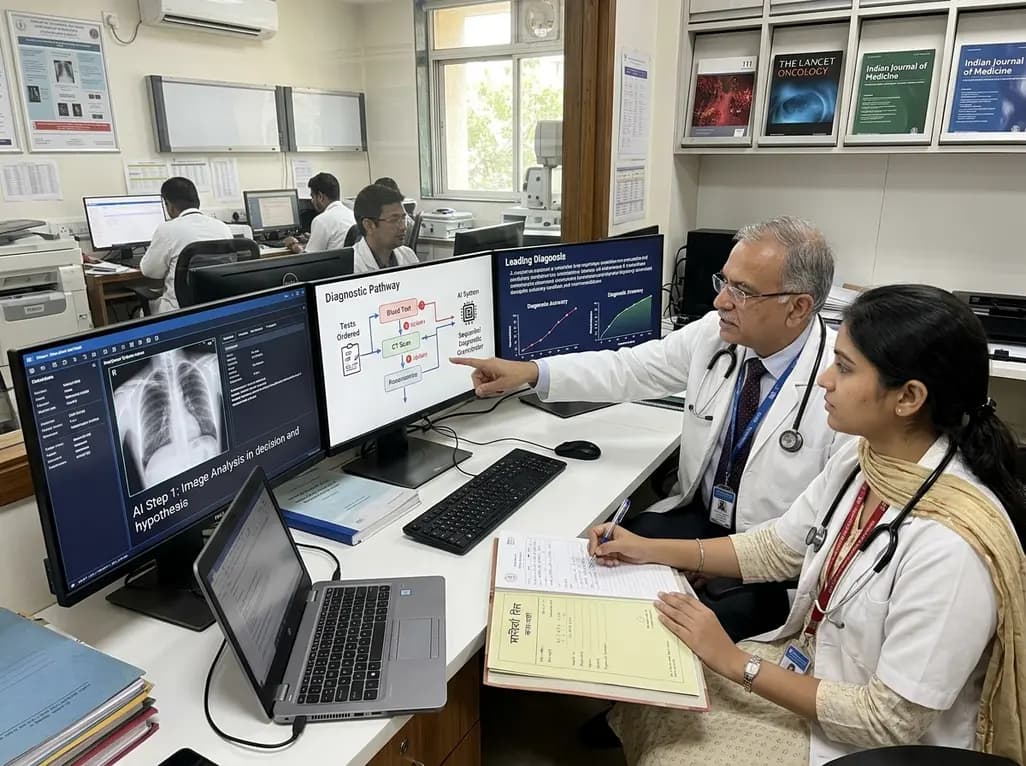
A breakthrough peer-reviewed study demonstrates that a sequential AI diagnosis system can mirror real-world clinical reasoning. By ordering stepwise tests and updating hypotheses dynamically, this multi-agent orchestrator achieved superior diagnostic accuracy while reducing investigative costs.
Today
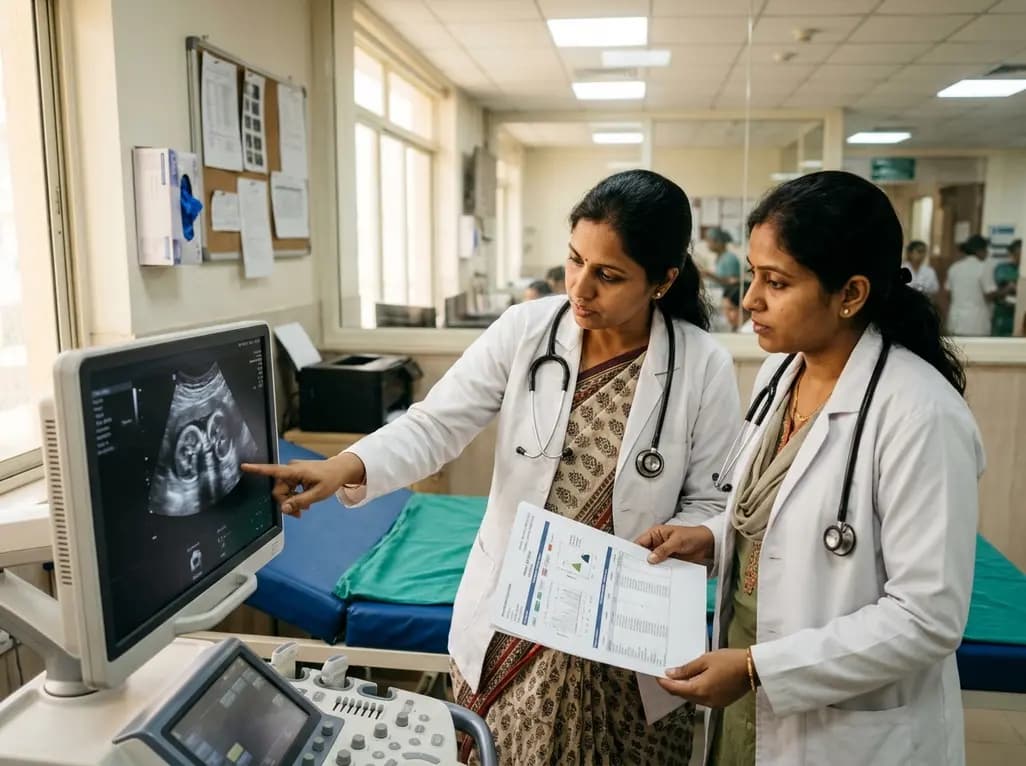
A prenatal case highlights severe glutaric acidemia type II presenting as bilateral hyperechoic cystic kidneys at 18 weeks. Whole-exome sequencing revealed a novel homozygous ETFDH frameshift variant, demonstrating the power of rapid genetic testing in fetal renal anomalies.
Today
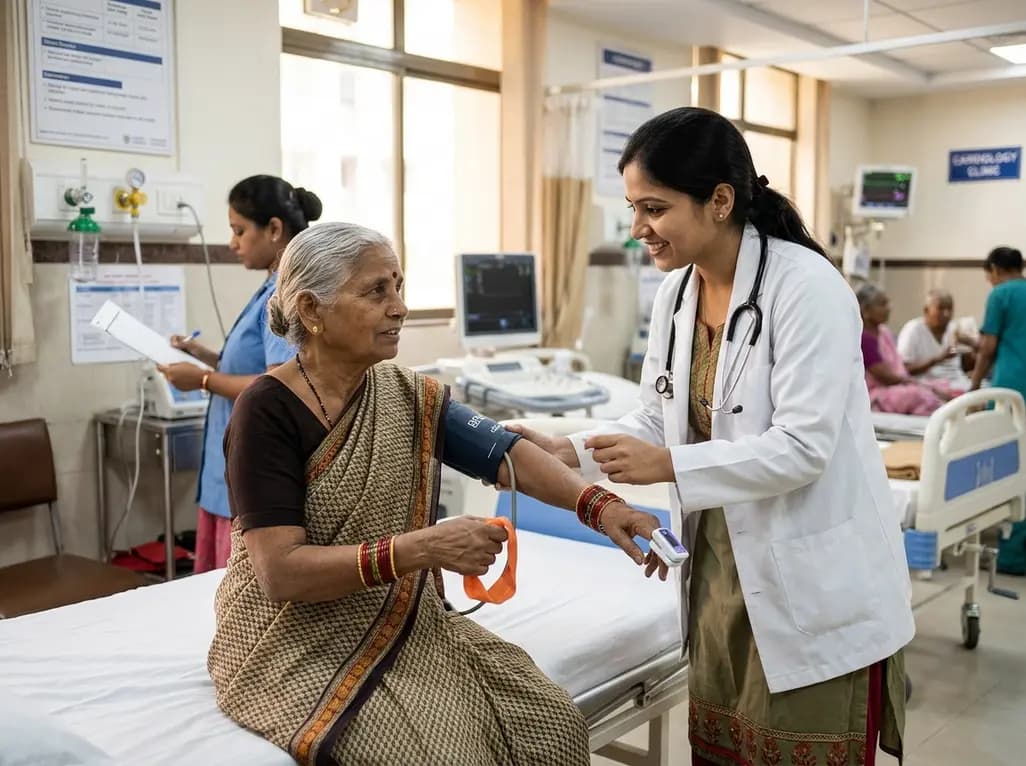
Review how tailored exercise programs benefit frail older patients with heart failure. Explore pathophysiological mechanisms, individualized training prescriptions, and strategies to overcome adherence barriers in clinical practice.
Yesterday
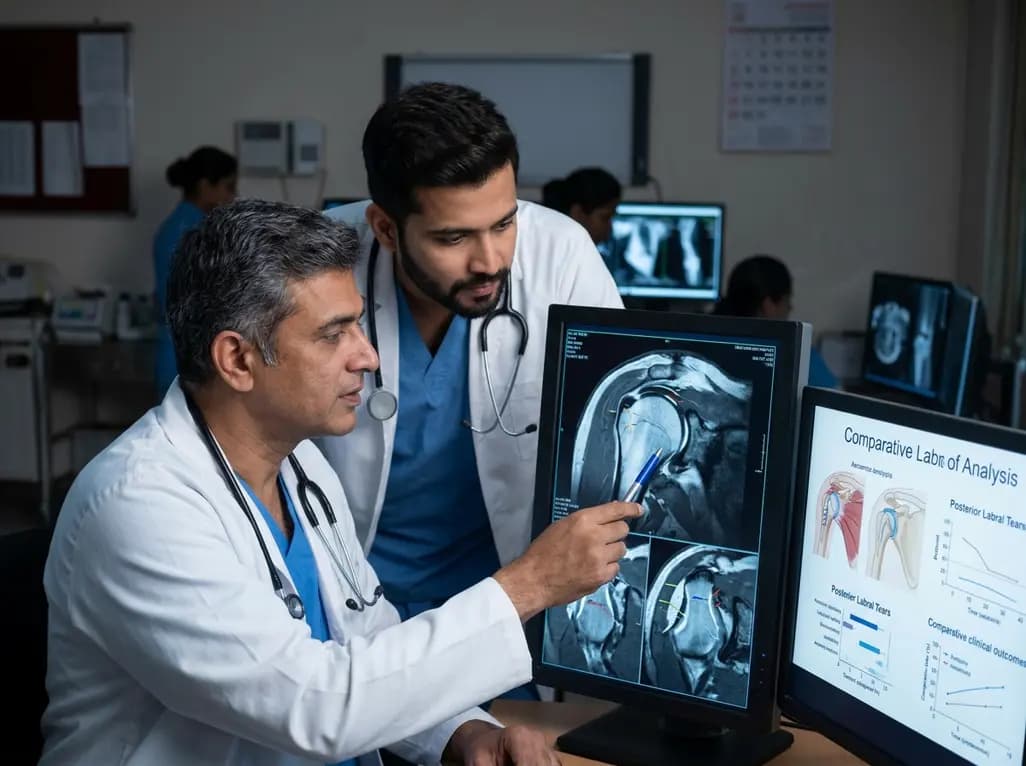
This comparative study evaluates posterior labral tears with and without glenohumeral instability, highlighting distinct demographic patterns, MRI underestimation in stable shoulders, and successful arthroscopic repair outcomes.
Yesterday
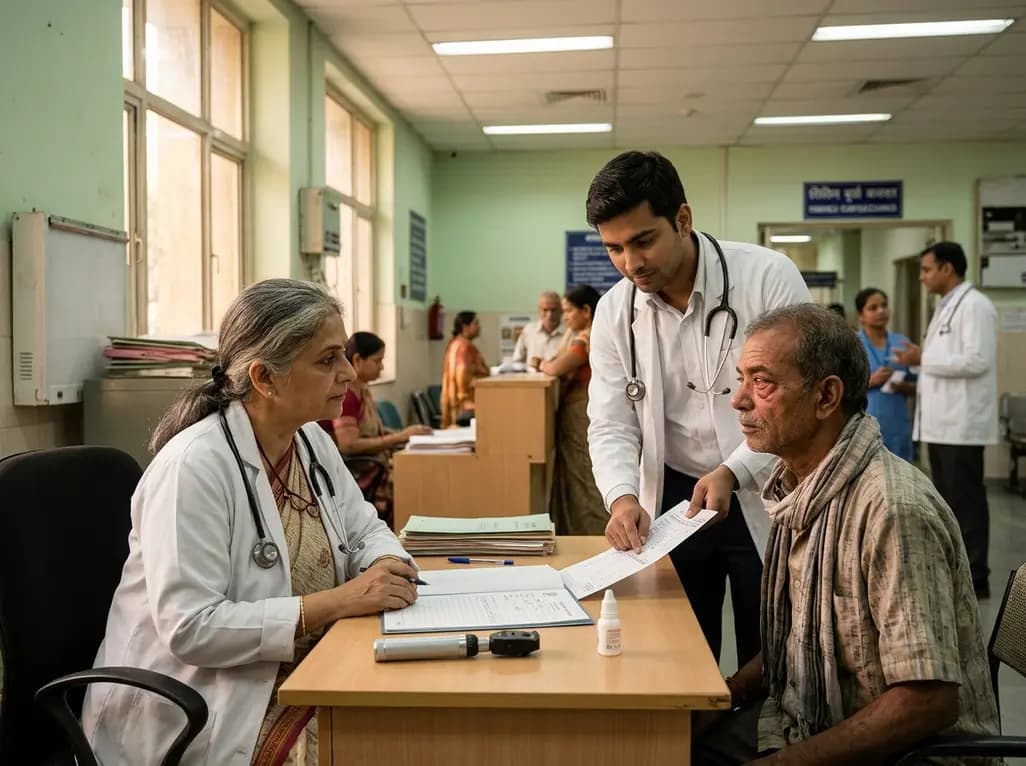
A clinical study demonstrates that early intervention with tocilizumab, either as monotherapy or bridged with corticosteroids, achieves significant proptosis reduction and resolves active inflammation in treatment-naive thyroid eye disease.
Yesterday
