

Loading, please wait...
Loading, please wait...

The landscape of heart and lung care is undergoing a massive transformation. **Cardiothoracic surgery 2025 trends** show a move towards earlier intervention and integrated multidisciplinary strategies. These changes aim to improve long-term survival while reducing the physical toll of traditional surgery. Surgeons and specialists are now navigating a future defined by precision and technological mastery.
In structural heart disease, the TAVR landscape has changed significantly. High-impact randomized data from the EARLY TAVR trial have expanded the consideration for transcatheter valve replacement to asymptomatic patients. This shift moves away from \"watchful waiting.\" Instead, clinicians now focus on preventing silent cardiac damage. Furthermore, lifetime valve management is essential for younger, lower-risk populations. Ensuring long-term durability is the primary concern for these patients.
Heart transplantation is entering a robotic era. For the first time, surgeons are successfully performing fully robotic heart transplants through small incisions. Additionally, the field is expanding through donation after circulatory death (DCD). Improved preservation techniques help manage ischemic times effectively. These innovations increase the donor pool and offer hope to many on waitlists. Meanwhile, endovascular management of complex thoracic aortic disease is evolving with branched devices. These tools allow for safer treatment of the aortic arch and thoracoabdominal segments.
Thoracic oncology has also reached a major milestone. Practice-changing trials like AEGEAN and KEYNOTE-671 support perioperative chemotherapy and immunotherapy. This approach is now standard for resectable lung and esophageal cancers. By administering systemic therapy before and after surgery, teams achieve higher pathologic complete response rates. Consequently, surgical timing and multidisciplinary coordination have become the cornerstones of modern cancer care. Adopting minimally invasive and robotic approaches across all these specialties ensures better outcomes with less surgical morbidity.
New evidence shows that earlier TAVR intervention reduces the risk of stroke, heart failure hospitalization, and silent cardiac damage compared to waiting for symptoms to appear.
Perioperative immunotherapy, given both before and after surgery, significantly increases the chance of a complete pathologic response and improves overall survival in resectable non-small cell lung cancer.
Donation after circulatory death (DCD) allows for the use of hearts that were previously ineligible, significantly expanding the donor pool when supported by advanced organ perfusion systems.
Disclaimer: This content is for informational and educational purposes only. It does not constitute medical advice or substitute for professional judgment. Refer to the latest local and national guidelines for clinical practice.
References
Bashian EJ et al. Noteworthy in Cardiothoracic Surgery 2025. Semin Cardiothorac Vasc Anesth. 2026 Mar 05. doi: 10.1177/10892532261433415. PMID: 41783993.
Généreux P, et al. Transcatheter aortic-valve replacement for asymptomatic severe aortic stenosis. N Engl J Med. 2025;392(3):217-227.
Heymach JV, et al. Perioperative Pembrolizumab for Early-Stage Non–Small-Cell Lung Cancer. N Engl J Med. 2023;389(13):1165-1177.

Read summarized clinical updates, watch expert medical content, and earn CME certifications right from your smartphone.
Open your smartphone camera to scan and install.





Explore 2025 cardiothoracic surgery trends: TAVR for asymptomatic patients, robotic transplants, DCD innovations, and perioperative immunotherapy breakthrou...
7 months ago
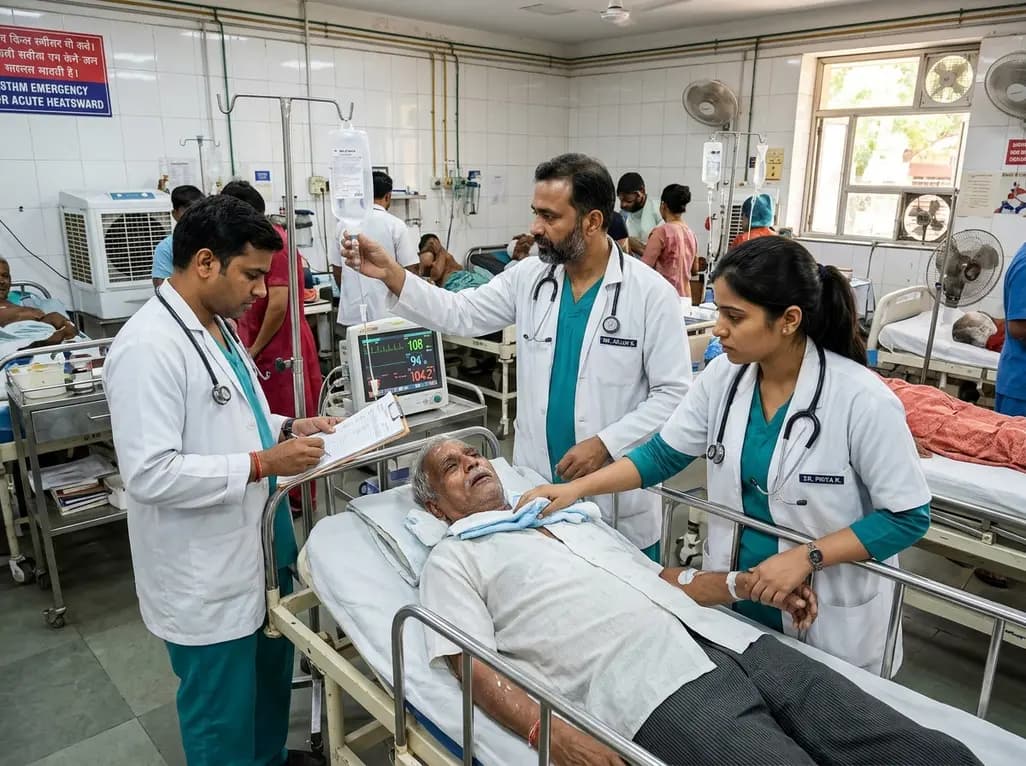
Recent epidemiological data reveals a dramatic surge in summer heat mortality driven by human-induced climate warming. This analysis explores the pathophysiological impacts on cardiac and renal systems, diagnostic dilemmas in death certification, and essential emergency cooling protocols for acute clinical care.
Today
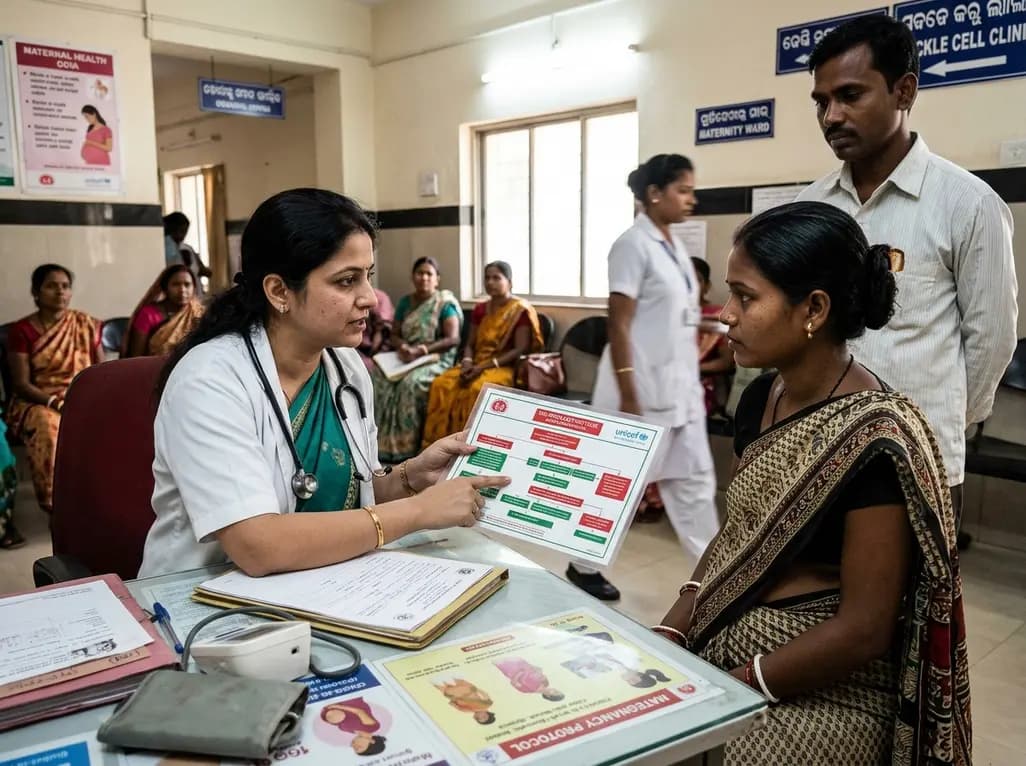
Odisha has established India's first state-level clinical protocol specifically tailored for pregnant women with sickle cell disease. Developed with NHM and UNICEF, the framework provides structured antenatal screening, crisis mitigation, standardized referral pathways, and specialized interdisciplinary care.
Today
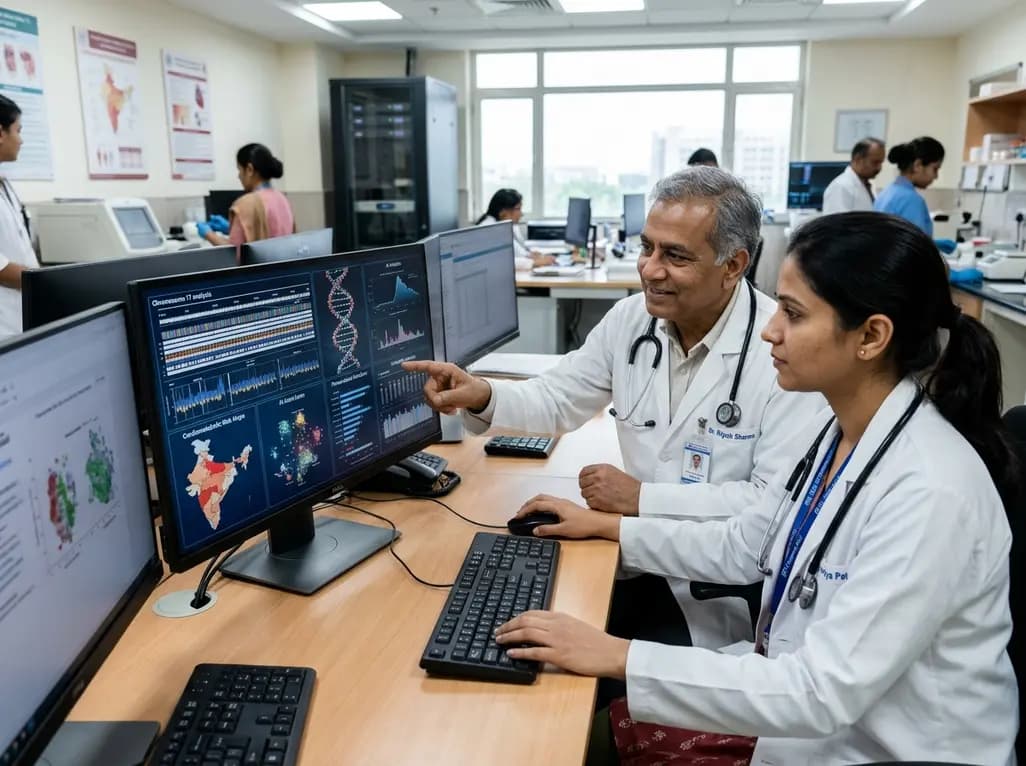
India is advancing preventive healthcare by integrating genomics, artificial intelligence, and quantum technologies. With the SANGAM programme sequencing one million Indian genomes, clinicians can unlock personalized therapies, detect cardiometabolic risks early, and curb the burden of diabetes and heart disease.
Today
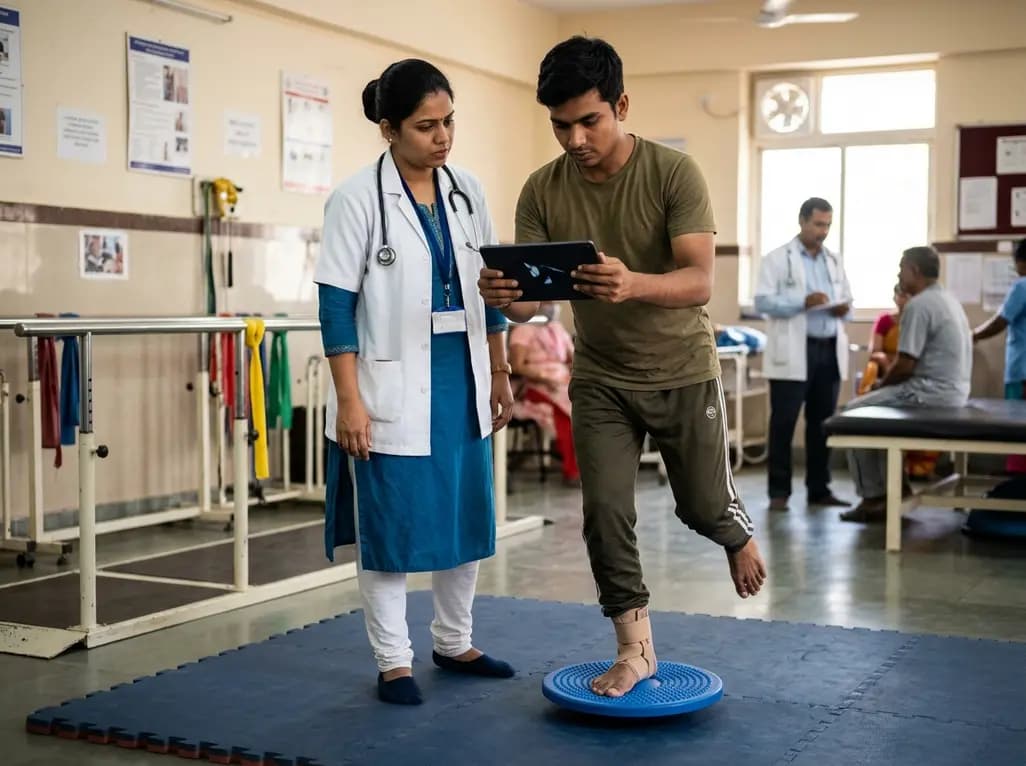
A randomized controlled trial demonstrates that an eight-week dual-task training intervention significantly improves static and dynamic postural control over standard balance exercises in individuals with chronic ankle instability, addressing critical neurocognitive deficits during athletic and daily activities.
Today

A retrospective cohort study of 7,716 ICU patients from the MIMIC-IV database demonstrates that Gradient Boosting Decision Trees significantly outperform traditional SOFA scores in predicting in-hospital mortality among patients with sepsis and diabetes, with SHAP analysis providing clinical interpretability.
Today
