.webp&w=384&q=75)

Loading, please wait...
Loading, please wait...
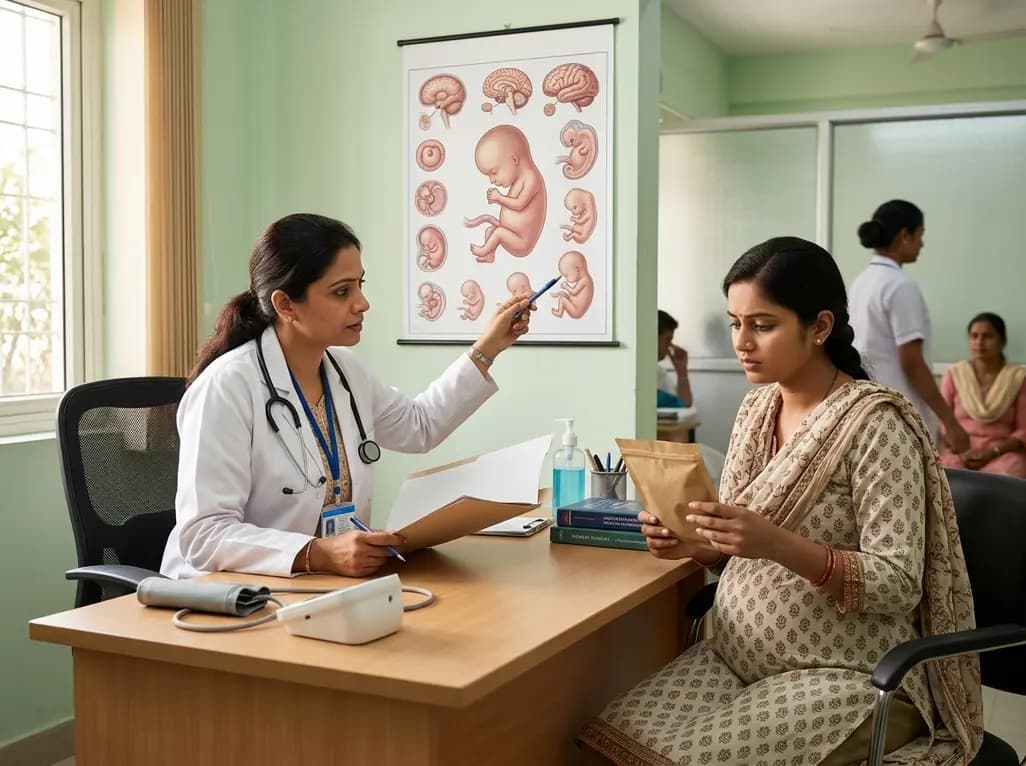
Recent nationwide data indicates a significant and concerning shift in how women of childbearing age perceive the safety of various substances. Specifically, cannabis use during pregnancy has seen a rise in social acceptance, often fueled by regional legalization and a growing but potentially misguided belief in its therapeutic benefits. While public health campaigns have successfully stigmatized the use of tobacco and alcohol during the gestational period, cannabis frequently occupies a different space in the public consciousness. Many patients now view cannabis as a "natural" or "holistic" alternative for managing common pregnancy-related symptoms. Consequently, healthcare providers face a growing challenge in addressing these perceptions with evidence-based clinical facts. Understanding the motivations behind this usage is essential for providing effective prenatal care and ensuring the best possible outcomes for both the mother and the developing fetus. This article examines the latest research regarding patient attitudes and the physiological risks associated with prenatal exposure.
A nationwide survey of U.S. women revealed that many individuals now rate cannabis as significantly safer than alcohol or tobacco during the prenatal period. On a five-point safety scale, participants consistently assigned higher safety scores to cannabis compared to traditional substances. This trend is particularly evident among women who have previously used the substance to manage chronic conditions. Furthermore, the survey highlighted that nearly one in four women who had been pregnant reported using cannabis at some point during their pregnancy. Notably, the frequency of use often reached twice weekly, primarily through joints or blunts. This high prevalence suggests that the perceived safety of cannabis use during pregnancy is directly influencing behavior. However, clinical evidence suggests that this perception does not align with biological reality. While patients may view cannabis as a benign plant-based remedy, the active compounds, particularly tetrahydrocannabinol (THC), possess the ability to cross the placental barrier easily. Therefore, the fetus experiences direct exposure to psychoactive components during critical stages of organogenesis and brain development. Medical professionals must bridge this knowledge gap through proactive education and consistent screening during every prenatal visit.
The physiological consequences of prenatal cannabis exposure are well-documented in recent obstetric literature. Clinical studies consistently link the use of cannabis during the gestational period to adverse birth outcomes, including low birth weight and spontaneous preterm birth. Specifically, THC interferes with the endocannabinoid system, which plays a vital role in placental development and uterine blood flow. When this system is disrupted, the fetus may suffer from restricted nutrient and oxygen delivery. Additionally, research indicates that infants exposed to cannabis in utero are at a higher risk for admission to neonatal intensive care units compared to non-exposed infants. Moreover, the risks are not limited to the immediate postpartum period. Some data suggest that regular exposure can lead to altered neonatal behaviors, such as increased irritability and decreased habituation to stimuli. Although some patients argue that cannabis is a safer alternative to pharmaceutical interventions, the lack of standardized dosing and the presence of contaminants in non-regulated products further complicate the safety profile. Consequently, the medical consensus remains clear: there is no established safe level of cannabis consumption during any stage of pregnancy or lactation.
Beyond immediate physical birth outcomes, the long-term neurodevelopmental impact of cannabis use during pregnancy remains a primary concern for pediatricians and developmental specialists. The fetal brain contains cannabinoid receptors from early in the first trimester, making it highly sensitive to external THC. Chronic exposure during these formative months can lead to subtle but enduring changes in brain architecture and functional connectivity. For instance, longitudinal studies have identified correlations between prenatal exposure and deficits in executive functioning during childhood and adolescence. These deficits often manifest as challenges with attention, memory, and impulse control. Furthermore, some researchers have noted an increased susceptibility to depressive and anxiety disorders as these children reach school age. While certain studies suggest that global intelligence may remain unaffected, the impairment of specific cognitive domains can significantly hinder academic and social success. Therefore, the narrative that cannabis is a harmless remedy for morning sickness ignores the potential for lifelong cognitive challenges. Clinicians should emphasize that the brain's plasticity during gestation makes it uniquely vulnerable to the psychoactive effects of cannabinoids, regardless of the method of administration.
To provide effective counseling, providers must understand why women turn to cannabis in the first place. Survey data indicates that the most common reasons for use include the relief of nausea, anxiety, sleep disturbances, and chronic pain. In many cases, patients feel that traditional medications are either ineffective or carry greater risks. This is particularly true for hyperemesis gravidarum, where patients may feel desperate for relief. However, healthcare providers must highlight that the American College of Obstetricians and Gynecologists (ACOG) does not recognize cannabis as a safe or effective treatment for morning sickness. Instead, clinicians should offer evidence-based alternatives, such as pyridoxine (Vitamin B6) and doxylamine, which have extensive safety profiles in pregnancy. Additionally, non-pharmacological interventions for anxiety and sleep, such as cognitive-behavioral therapy or mindfulness techniques, should be prioritized. By validating the patient's symptoms while firmly steering them toward safer alternatives, providers can build the trust necessary to encourage cessation. Furthermore, addressing the underlying causes of distress can reduce the perceived need for self-medication with cannabis and improve overall maternal well-being.
Modern clinical guidelines now emphasize the importance of universal screening for substance use throughout the reproductive lifespan. The 2025 ACOG Clinical Consensus reinforces that every patient should be screened for cannabis use during pre-pregnancy, pregnancy, and the postpartum period. This screening should ideally utilize validated verbal tools rather than relying solely on biological testing, which can often be perceived as punitive and may deter patients from seeking care. When a patient discloses cannabis use during pregnancy, the provider’s response should be non-judgmental yet medically firm. It is essential to explain the biological mechanisms by which THC affects the fetus without shaming the individual. Furthermore, clinicians should document these discussions and provide resources for cessation support if needed. In cases where cannabis was used for medical purposes prior to pregnancy, the physician should work with the patient to transition to safer, well-studied therapeutic options. Ultimately, the goal is to create a supportive environment where patients feel comfortable discussing their substance use honestly, allowing for early intervention and the mitigation of potential developmental risks.
Current medical guidelines advise against the use of all cannabinoid products, including CBD, during pregnancy. Although CBD is non-intoxicating, research regarding its safety for fetal development is currently insufficient. Scientists remain concerned that CBD could still interfere with critical signaling pathways in the developing brain or interact negatively with other medications. Therefore, patients should avoid all cannabis derivatives until more comprehensive human safety data becomes available for clinical review.
While some patients report subjective relief from nausea when using cannabis, there is no clinical evidence to support it as a safe or superior treatment. In fact, many experts worry that the risks to the fetus far outweigh any temporary symptomatic relief. Doctors recommend using FDA-approved treatments like Vitamin B6 or specific anti-emetics that have been rigorously tested for safety in pregnant populations and do not pose developmental risks to the baby.
The most significant risks involve neurodevelopmental challenges that emerge as the child grows. These often include problems with attention span, memory retention, and executive functions like problem-solving. Some studies also point to an increased risk of behavioral issues and a higher likelihood of developing mental health conditions later in life. Because these effects are often subtle and delayed, they are frequently overlooked during infancy but can impact academic performance significantly.
Disclaimer: This content is for informational and educational purposes only and does not constitute medical advice, diagnosis, or treatment. Always seek the advice of your physician or other qualified health provider with any questions you may have regarding a medical condition. Refer to the latest local and national guidelines for clinical practice.
References
Casavant SG et al. Attitudes and beliefs regarding cannabis use during pregnancy compared to alcohol and tobacco: a nationwide survey of U.S. women of childbearing age. J Cannabis Res. 2026 Jul 04. doi: 10.1186/s42238-026-00466-0. PMID: 42401977.
ACOG Clinical Consensus No. 10: Cannabis Use During Pregnancy and Lactation. Obstet Gynecol. 2025 Oct 1;146(4):600-611. doi: 10.1097/AOG.0000000000006053.
CDC. Cannabis and Pregnancy: Potential Health Effects and Risks. Centers for Disease Control and Prevention. 2025 Jan.
Malone M et al. Perceived Safety of Cannabis Use During Pregnancy and Changes in Perception over Time (2017-2021): A National Survey of US Adults. J Gen Intern Med. 2026 Mar 12. doi: 10.1007/s11606-026-10302-z.
"
Read summarized clinical updates, watch expert medical content, and earn CME certifications right from your smartphone.
Open your smartphone camera to scan and install.





Recent research reveals that many women of childbearing age consider cannabis use during pregnancy safer than alcohol. This article explores the clinical reality of these perceptions and the risks to fetal development based on the latest medical evidence and guidelines.
3 months ago
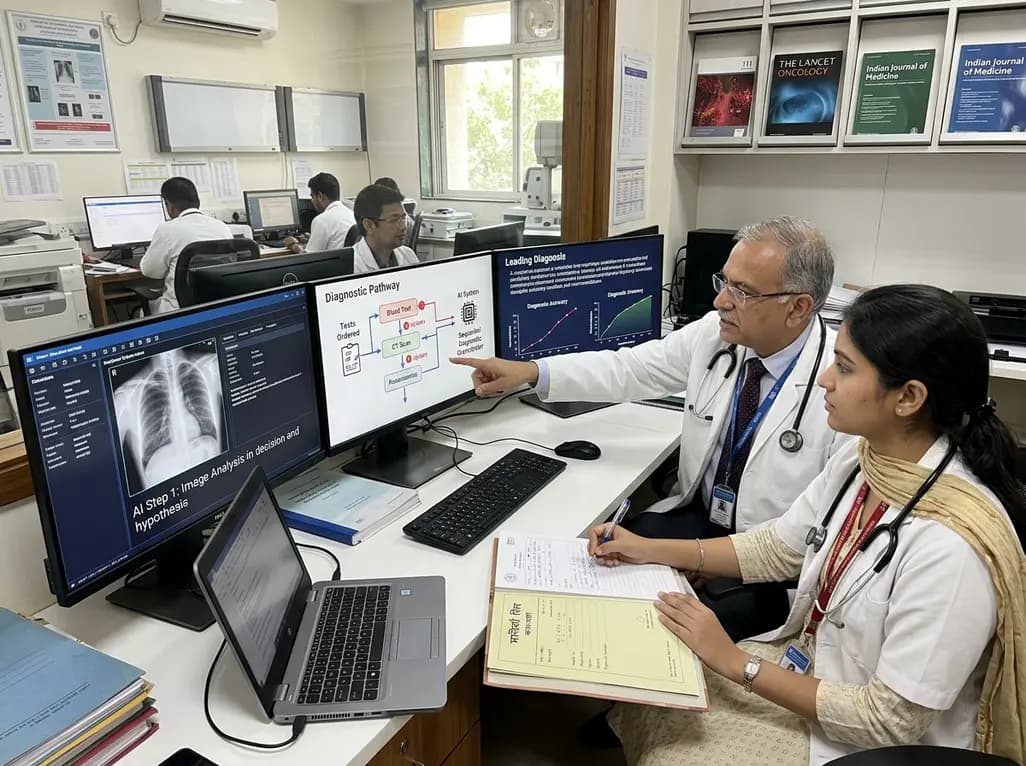
A breakthrough peer-reviewed study demonstrates that a sequential AI diagnosis system can mirror real-world clinical reasoning. By ordering stepwise tests and updating hypotheses dynamically, this multi-agent orchestrator achieved superior diagnostic accuracy while reducing investigative costs.
Today

A prenatal case highlights severe glutaric acidemia type II presenting as bilateral hyperechoic cystic kidneys at 18 weeks. Whole-exome sequencing revealed a novel homozygous ETFDH frameshift variant, demonstrating the power of rapid genetic testing in fetal renal anomalies.
Today

Review how tailored exercise programs benefit frail older patients with heart failure. Explore pathophysiological mechanisms, individualized training prescriptions, and strategies to overcome adherence barriers in clinical practice.
Yesterday

This comparative study evaluates posterior labral tears with and without glenohumeral instability, highlighting distinct demographic patterns, MRI underestimation in stable shoulders, and successful arthroscopic repair outcomes.
Yesterday

A clinical study demonstrates that early intervention with tocilizumab, either as monotherapy or bridged with corticosteroids, achieves significant proptosis reduction and resolves active inflammation in treatment-naive thyroid eye disease.
Yesterday
