.webp&w=384&q=75)

Loading, please wait...
Loading, please wait...
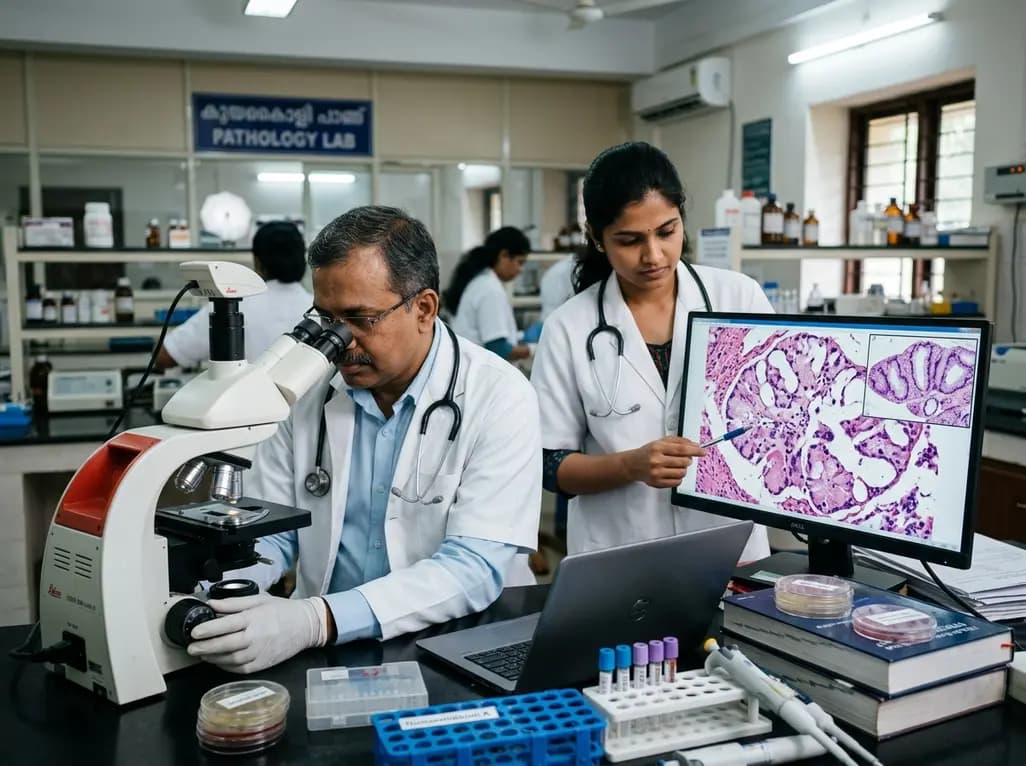
Therapeutic cannabis formulations have gained remarkable traction across global healthcare landscapes, including India's expanding AYUSH and integrative pain management sectors. However, while cannabinoids deliver recognized analgesia and neuroprotection, emerging biotechnological delivery systems present unforeseen biological challenges. Nanoemulsions significantly enhance the oral bioavailability of lipophilic phytocannabinoids such as cannabidiol (CBD) and delta-9-tetrahydrocannabinol (THC). Consequently, higher tissue concentrations reach peripheral organs, where unexpected adverse reactions can manifest. A pioneering toxicological investigation highlights serious concerns regarding cannabis nanoemulsion salivary toxicity. This critical preclinical study reveals that subchronic exposure damages glandular architecture, providing vital mechanistic insights into persistent dry mouth and glandular dysfunction.
Modern pharmaceutical development relies heavily on lipid nanoemulsions to overcome the poor aqueous solubility of cannabinoids. These nanoscale carrier systems disperse lipophilic compounds into minute droplets, thereby augmenting gastrointestinal absorption and avoiding rapid first-pass clearance. As a result, patients achieve elevated plasma cannabinoid levels with substantially smaller ingested doses. Nevertheless, this enhanced cellular permeability directly exposes peripheral organ systems to potent bioactive compounds. The major salivary glands, particularly the submandibular gland, represent exceptionally vulnerable targets for circulating xenobiotics. Historically, clinicians viewed cannabis-related dry mouth as a transient autonomic side effect stemming from central neuroreceptor interactions. However, local glandular tissue also expresses abundant cannabinoid receptors, specifically CB1 and CB2 subtypes. When bioavailable nanoemulsions penetrate parenchymal compartments, they interact directly with secretory cells and neurovascular bundles. Therefore, lipid nanoformulations may exacerbate cellular stress rather than offering safe, inert delivery. Understanding these direct tissue effects helps clinicians differentiate between benign receptor-mediated hyposalivation and true structural parenchymal injury. Consequently, healthcare providers must evaluate advanced formulation pharmacology with rigorous vigilance.
To establish definitive structural consequences, researchers designed a rigorous subchronic toxicological trial using adult male Wistar rats. Specifically, investigators randomized forty animals into five distinct oral treatment arms across a twenty-one-day protocol. The experimental cohorts received either a vehicle control, combined CBD and THC nanoemulsions, or isolated CBD nanoemulsions. Furthermore, the scientists evaluated two separate dosing tiers of 2.5 milligrams per kilogram and 5.0 milligrams per kilogram for each cannabinoid arm. This comprehensive design enabled direct comparisons between combination extracts and purified single molecules. Following the intervention period, researchers harvested the submandibular glands to perform extensive histopathological and biochemical analyses. They utilized hematoxylin and eosin staining alongside acinar histomorphometry to quantify architectural disruption. In addition, periodic acid-Schiff histochemistry evaluated glandular mucin content and secretory preservation. The scientific team also deployed polarized light microscopy to assess stromal collagen birefringence and interstitial fibrosis. Through this multimodal framework, the authors uncovered definitive evidence confirming cannabis nanoemulsion salivary toxicity across both single and combination formulations.
The microscopic evaluation demonstrated profound architectural devastation throughout the submandibular gland parenchyma. Specifically, all cannabinoid-treated groups displayed statistically significant structural alterations compared to the untreated vehicle controls. Normal salivary tissue features compact clusters of serous and mucous acini supported by delicate connective septa. In contrast, animals receiving cannabis nanoemulsions exhibited widespread acinar atrophy, vacuolization, and marked cellular disorganization. Histomorphometric quantification confirmed substantial reductions in active acinar surface area across both low and high dosages. Moreover, periodic acid-Schiff staining revealed pronounced depletion of intracellular secretory granules. This loss indicates severe impairment of normal mucin production and compromised glandular exocytosis. Polarized light microscopy further exposed disorganized collagen birefringence, indicating aberrant extracellular matrix remodeling and progressive interstitial fibrosis. Interestingly, isolated CBD formulations caused architectural distortion comparable to the CBD-THC combinations. Consequently, these findings challenge the common belief that isolated cannabidiol avoids peripheral organ harm. Instead, subchronic exposure directly disrupts glandular tissue integrity, impairing both the quality and volume of salivary secretions.
Beyond overt microscopic damage, the research highlighted significant biochemical disruptions driving cellular deterioration. The investigators performed targeted immunohistochemical staining to identify key molecular mediators of toxicity. First, they measured 8-hydroxy-2'-deoxyguanosine, a reliable biomarker reflecting oxidative DNA damage. Treated glands exhibited elevated immunoreactivity for this oxidative marker, demonstrating severe cellular free radical injury. Because lipid nanoemulsions facilitate deep intracellular penetration, phytocannabinoids disrupt mitochondrial electron transport, sparking excessive reactive oxygen species production. Furthermore, the research team detected marked upregulation of cleaved caspase-3, confirming the activation of programmed cell death pathways within acinar cells. This apoptotic surge explains the parenchymal volume loss and acinar shrinkage observed during histomorphometry. Concurrently, the glands demonstrated intense cyclooxygenase-2 expression, which underscores sustained inflammatory signaling within the glandular interstitium. Together, these molecular findings indicate that cannabinoid nanoemulsions inflict multifaceted damage. The combination of oxidative stress, sustained inflammation, and accelerated apoptosis systematically destroys salivary functional units. Therefore, phytocannabinoid toxicity extends far beyond transient receptor antagonism, representing true molecular cytotoxicity.
These preclinical discoveries hold immense significance for practicing physicians, dentists, and AYUSH clinicians across India. As commercial cannabis formulations gain popularity for chronic musculoskeletal pain, palliative oncology, and sleep disorders, practitioners frequently encounter treatment-emergent xerostomia. Saliva provides indispensable antimicrobial protection, neutralizes acidic challenges, facilitates mastication, and maintains mucosal barrier defense. When salivary flow diminishes chronically, patients face elevated risks of aggressive cervical dental caries, oral candidiasis, and painful stomatitis. Consequently, dental practitioners must elicit thorough medication histories, inquiring specifically about cannabis oils, tinctures, and AYUSH-approved Vijaya formulations. Similarly, prescribing doctors should not dismiss dry mouth as an inconsequential nuisance. Instead, clinicians must recognize that nanoemulsions might exert active parenchymal stress upon salivary tissues. Healthcare providers should implement proactive oral health monitoring before and during phytocannabinoid therapy. Practitioners can recommend topical fluorides, sugar-free sialagogues, and frequent water sips to mitigate mucosal complications. Furthermore, interdisciplinary collaboration between prescribing physicians and dental specialists will ensure early detection of glandular hypofunction, protecting long-term oral and systemic well-being.
Cannabis nanoemulsions enhance cannabinoid absorption, driving sustained systemic delivery to glandular tissues. Consequently, cannabinoids engage local CB1 and CB2 receptors, blunting parasympathetic secretomotor transmission. Furthermore, these formulations induce direct cellular damage through oxidative DNA injury, cyclooxygenase-2 activation, and cleaved caspase-3-mediated apoptosis. Therefore, the tissue suffers acinar atrophy and structural remodeling. These combined neurochemical and morphological disruptions suppress fluid transport, culminating in severe hyposalivation and debilitating clinical xerostomia for patients.
Although CBD lacks psychoactivity, it exerts potent pharmacodynamic actions across peripheral organ systems. Moreover, isolated CBD formulations alter parenchymal architecture by triggering oxidative stress and inflammatory signaling pathways. Furthermore, CBD enhances free radical generation, which elevates 8-OHdG levels and accelerates cellular apoptosis via caspase-3 cleavage. In addition, CBD modifies tissue extracellular matrix components, promoting interstitial collagen deposition. Therefore, CBD independently disrupts glandular homeostasis and reduces functional salivary output without THC.
Clinicians must conduct comprehensive oral baseline assessments before initiating medicinal cannabis or AYUSH-based cannabinoid regimens. Additionally, practitioners should perform routine follow-up examinations to evaluate mucosal hydration, salivary flow rates, and cervical caries progression. When xerostomia develops, doctors must prescribe topical fluoride varnishes, encourage sugar-free saliva stimulants, and recommend frequent water intake. Furthermore, clinicians should adjust the cannabinoid dose or modify formulations if persistent mucosal irritation or tenderness emerges during therapy.
Disclaimer: This content is for informational and educational purposes only... Refer to the latest local and national guidelines for clinical practice.
References

Read summarized clinical updates, watch expert medical content, and earn CME certifications right from your smartphone.
Open your smartphone camera to scan and install.





A recent preclinical investigation reveals that subchronic exposure to cannabis-based lipid nanoemulsions causes marked histopathological remodeling, oxidative DNA damage, and apoptosis in submandibular salivary glands, providing new mechanistic insights into phytocannabinoid-induced xerostomia and oral hypofunction.
Today
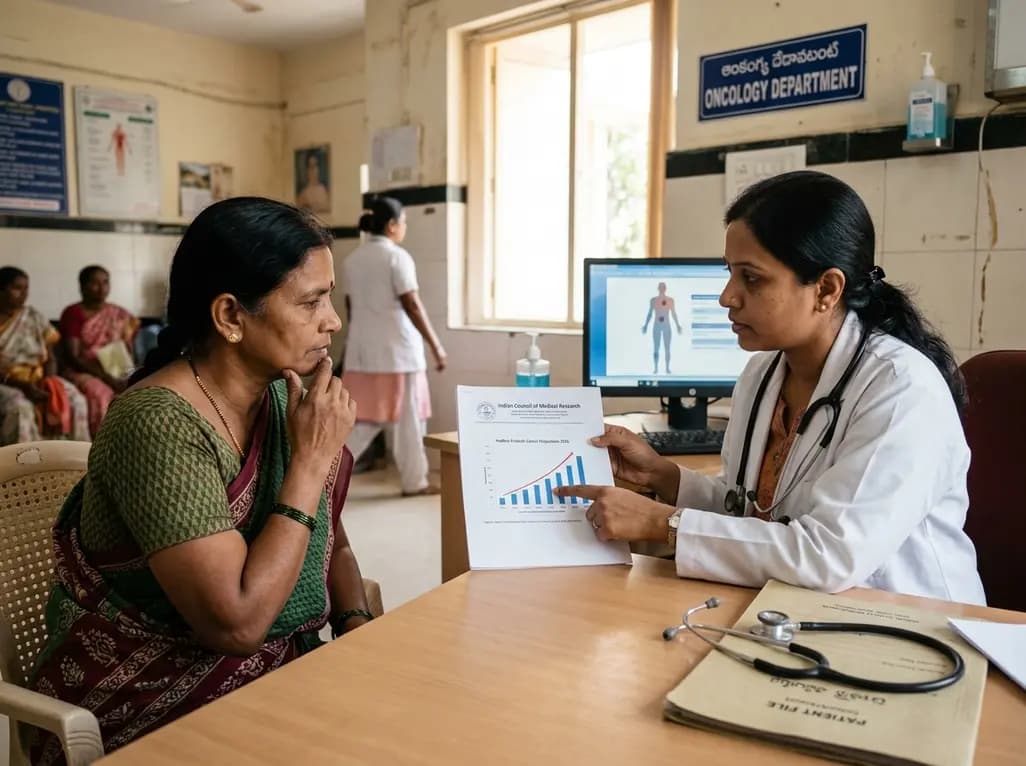
A new ICMR-NINE profile projects 65,000 new adult cancer cases in Andhra Pradesh for 2026, with women carrying the highest burden. The findings underscore an urgent need for oncological infrastructure, early detection initiatives, and public awareness campaigns addressing widespread tobacco and metabolic risk factors.
Today

The FEBE study investigates the prevalence of post-traumatic stress disorder symptoms in women receiving high-dose-rate brachytherapy for cervical cancer, highlighting the critical role of procedural sedation and trauma-informed clinical care.
Today
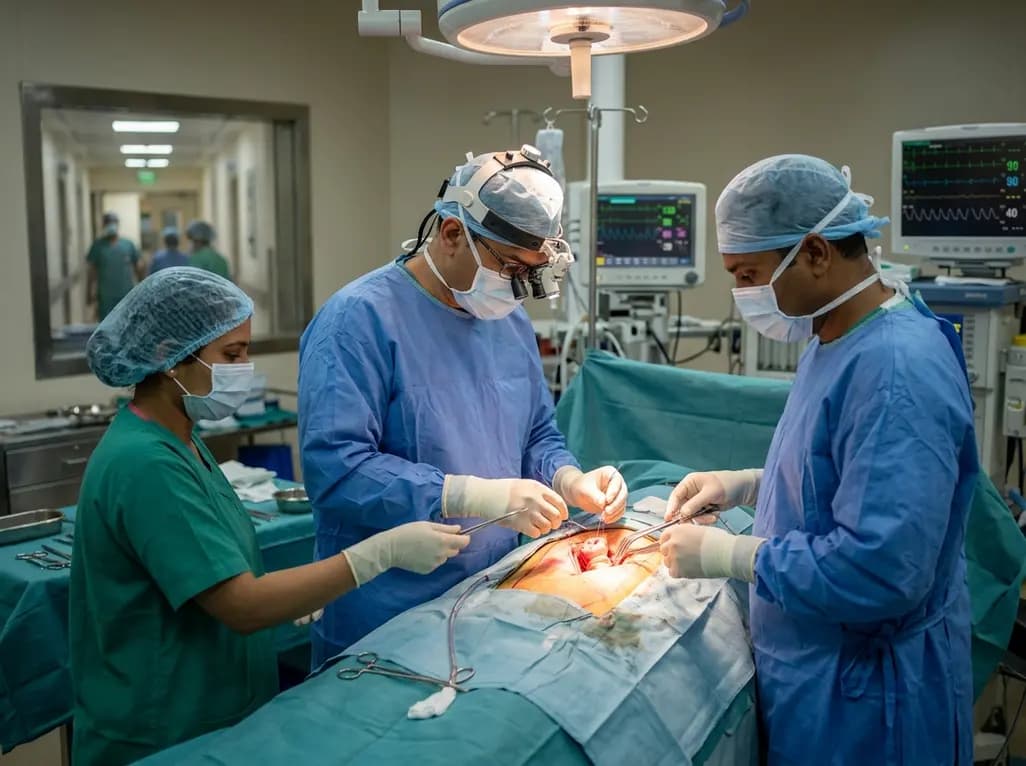
Aortic root aneurysms often develop silently, yet timely intervention provides a critical window to salvage the native aortic valve. Preserving the patient's own anatomy avoids lifelong anticoagulation, provided clinicians identify root dilatation before secondary leaflet distortion and ventricular failure occur.
Today

A Level I trauma center study shows a brief bedside mental health intervention boosts 30-day follow-up screening adherence by 84% in nonviolent injury patients. However, outcomes for violence survivors reveal critical care gaps, underscoring the urgent need for specialized community violence intervention programs.
Today
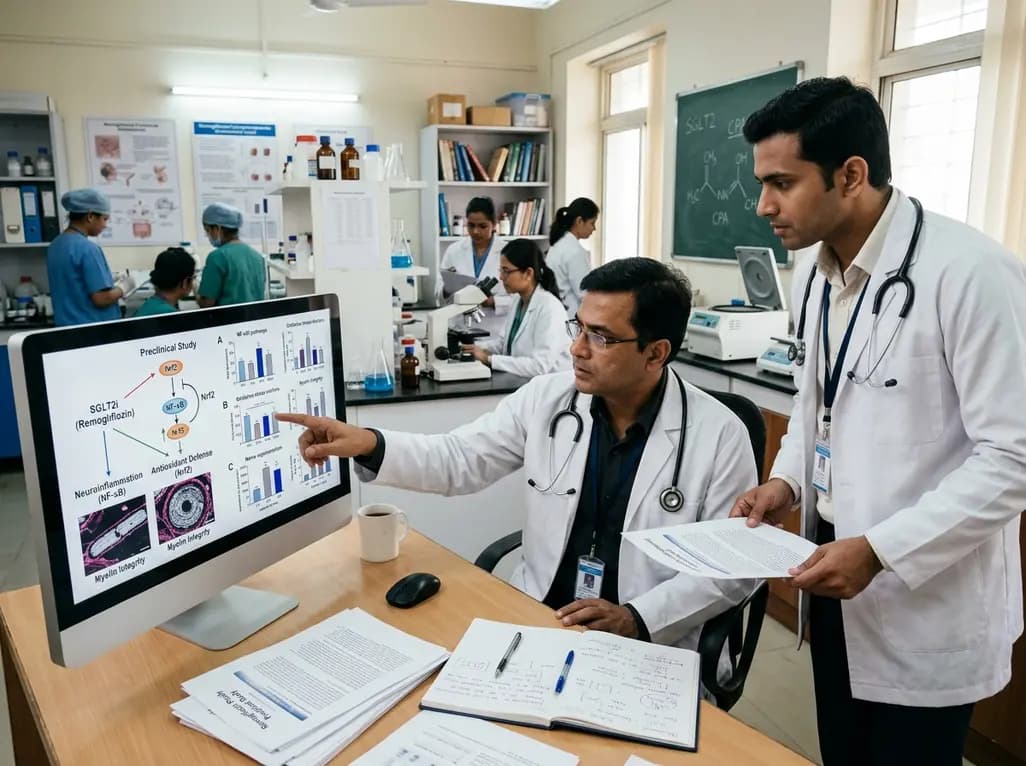
A preclinical study demonstrates that the SGLT2 inhibitor remogliflozin attenuates cyclophosphamide-associated peripheral neurotoxicity in rats. Remogliflozin restores antioxidant balance via Nrf2, suppresses NF-κB-driven neuroinflammation, activates PI3K/Akt survival signaling, and preserves structural myelin integrity.
Today
