.webp&w=384&q=75)

Loading, please wait...
Loading, please wait...
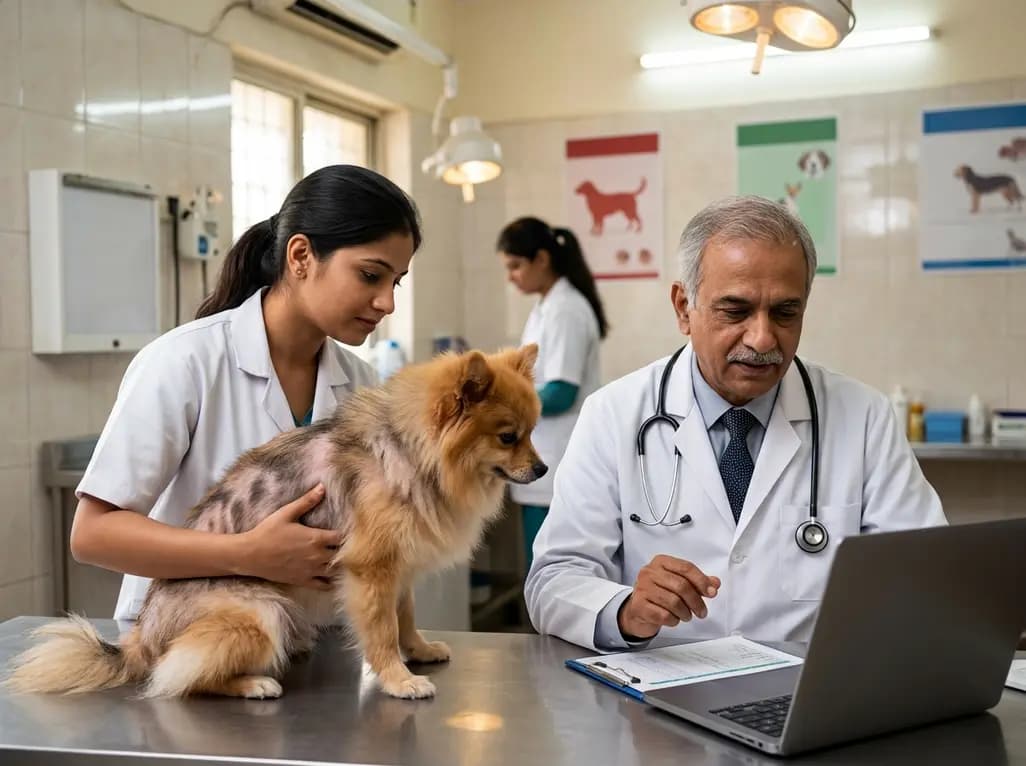
Alopecia X remains one of the most perplexing conditions in veterinary dermatology, primarily affecting plush-coated breeds such as Pomeranians. This non-inflammatory disorder, also recognized as hair cycle arrest, presents a unique challenge for practitioners due to its complex and poorly understood etiopathogenesis. Because the condition results in symmetrical non-pruritic hair loss, finding reliable Canine Alopecia X diagnostics has become a priority for researchers. Historically, the medical community referred to this syndrome by various names, including growth hormone-responsive alopecia and castration-responsive alopecia. These varied nomenclatures reflect the historical attempts to link the condition to endocrine imbalances. While the clinical signs are often striking, the lack of systemic illness makes it a primarily cosmetic concern. However, for pet owners, the psychological impact of their pet's appearance is significant. Consequently, clinicians frequently seek minimally invasive biomarkers to confirm the diagnosis and rule out other endocrine diseases. Unfortunately, the current diagnostic path remains arduous, often requiring the exclusion of hyperadrenocorticism and hypothyroidism before a presumptive diagnosis is reached. Therefore, identifying a single, serum-based biomarker like Insulin-like growth factor-1 (IGF-1) could have revolutionized the approach to these cases in clinical veterinary medicine.
Insulin-like growth factor-1 (IGF-1) plays a fundamental role in the regulation of mammalian hair follicle cycling. Specifically, this potent growth factor is known to promote the transition of follicles from the telogen (resting) phase into the anagen (growth) phase. In addition to its role in hair growth, IGF-1 is a key mediator of growth hormone (GH) action throughout the body. Therefore, researchers hypothesized that a systemic deficiency in this axis might be the underlying cause of the follicular arrest observed in affected dogs. Notably, IGF-1 is produced primarily in the liver in response to GH stimulation, but it is also synthesized locally within the hair follicle itself. Because previous studies in other species demonstrated that IGF-1 signaling is essential for keratinocyte proliferation, it was logical to assume that reduced levels might correlate with alopecia. Furthermore, the GH/IGF-1 axis is sensitive to various internal and external factors, including nutrition, age, and reproductive status. This sensitivity complicates the interpretation of serum levels in diverse populations. Although the hypothesis was compelling, the biological complexity of hair cycle arrest suggests that local follicular receptor sensitivity may be more relevant than systemic concentrations. Consequently, focusing solely on serum levels might overlook the intracrine or paracrine mechanisms that drive hair loss in Pomeranians.
To investigate the utility of IGF-1 in Canine Alopecia X diagnostics, researchers conducted a case-control study involving thirty client-owned Pomeranians. The cohort included eleven dogs diagnosed with Alopecia X and nineteen healthy controls to provide a robust comparison. Specifically, the researchers utilized a human competitive ELISA kit that had been meticulously validated in-house for use with canine serum samples. This methodological rigor ensured that the data collected were accurate and reproducible. During the study, serum samples were collected and analyzed to detect any significant variations between the groups. Additionally, the researchers recorded detailed demographic data, including age, weight, and neuter status, to control for potential confounding variables. While the study was focused on Pomeranians, the findings offer broader insights into the follicular health of other plush-coated breeds. Moreover, the prospective nature of the study allowed for a controlled environment where the clinical status of each dog was verified by dermatology specialists. Instead of relying on anecdotal evidence, this systematic approach aimed to provide definitive answers regarding the GH/IGF-1 axis. Ultimately, the study sought to determine if clinicians could rely on a simple blood test to distinguish between normal hair cycles and those arrested by Alopecia X.
The results of the study indicated that the data followed a non-normal distribution, which necessitated the use of the Mann-Whitney U test for statistical comparison. Notably, the analysis revealed no significant difference in serum IGF-1 concentrations between the alopecic group and the healthy controls. Specifically, the median IGF-1 concentration for dogs with Alopecia X was 62.0 ng/mL, while the healthy group showed a median of 51.8 ng/mL. Because the p-value was 0.200, the researchers could not reject the null hypothesis, suggesting that systemic IGF-1 deficiency is not a hallmark of this condition. Furthermore, the range of values observed in both groups was quite broad, with significant overlap between healthy and affected individuals. Consequently, this high degree of variability makes serum IGF-1 a poor candidate for a diagnostic biomarker. Additionally, the study found no significant correlation between IGF-1 levels and the age or body weight of the dogs. This finding is particularly interesting because, in other mammals, these factors typically influence growth factor production. Therefore, the lack of correlation suggests that the GH/IGF-1 axis in Pomeranians may operate differently or is subject to unique breed-specific regulatory mechanisms. Thus, the clinical utility of measuring these levels for diagnostic purposes appears to be minimal.
One of the most significant findings in the study was the imbalance of neuter status between the two groups. Specifically, 63.6% of the alopecic dogs were neutered compared to only 10.5% of the healthy controls. This imbalance is noteworthy because gonadectomy has been historically linked to the onset or resolution of hair loss in this breed. Although neutered dogs in the alopecic group exhibited numerically higher mean IGF-1 values than intact dogs, the difference did not reach statistical significance. Moreover, the researchers noted that the interaction between sex hormones and the GH/IGF-1 axis is complex and requires further exploration. Because castration-responsive alopecia is a recognized subset of this syndrome, the role of sex steroids in modulating growth factors remains a viable area of interest. However, the current study highlights that neuter status alone does not explain the IGF-1 levels observed in these dogs. Therefore, clinicians must consider that while neutering may influence hair growth through various pathways, it does not appear to do so by significantly altering systemic IGF-1 concentrations. Consequently, future studies should aim to utilize larger, more balanced cohorts to isolate the specific effects of gonadectomy on the endocrine environment of the hair follicle.
Based on the comprehensive findings of this study, the routine measurement of serum IGF-1 is not recommended for Canine Alopecia X diagnostics. Since the study demonstrated no significant difference between affected and healthy dogs, the test provides little value in confirming a diagnosis. Instead, clinicians should continue to focus on established diagnostic protocols, including skin biopsies and the exclusion of other metabolic or endocrine disorders. While the GH/IGF-1 axis remains a fascinating area of research, systemic levels do not reflect the localized follicular arrest characteristic of Alopecia X. Furthermore, practitioners should be cautious when interpreting IGF-1 results in Pomeranians, as the breed appears to have naturally variable levels. Instead of relying on this biomarker, management should focus on owner education regarding the cosmetic nature of the disease. Ultimately, the search for a minimally invasive diagnostic tool continues, but this study successfully rules out one potential candidate. Consequently, medical resources can now be directed toward investigating other hormonal or genetic pathways that might better explain this complex dermatological condition.
Alopecia X is a non-inflammatory hair loss disorder characterized by symmetrical baldness and hyperpigmentation, primarily seen in plush-coated breeds. Pomeranians are the most frequently affected, but Alaskan Malamutes, Chow Chows, and Poodles also show susceptibility. Because the exact cause is unknown, it is often called hair cycle arrest. The condition is largely cosmetic, as affected dogs remain otherwise healthy without systemic illness or skin irritation.
Insulin-like growth factor-1 (IGF-1) is a critical regulator of the hair growth cycle, specifically promoting the growth phase of follicles. Since Alopecia X involves a permanent resting phase of the follicle, researchers hypothesized that a deficiency in IGF-1 might be the cause. Additionally, because the condition was once called growth hormone-responsive alopecia, and GH stimulates IGF-1, it was logical to investigate this systemic link.
Diagnosis currently relies on a combination of clinical presentation, breed history, and the exclusion of other endocrine diseases like Cushing's disease or hypothyroidism. Skin biopsies are often performed to confirm follicular arrest and the absence of inflammation. While this study confirms that IGF-1 testing is not useful, clinicians must focus on a thorough workup to rule out treatable systemic conditions before concluding a diagnosis of Alopecia X.
Disclaimer: This content is for informational and educational purposes only and does not constitute medical or veterinary advice. It is not intended to be a substitute for professional diagnosis, treatment, or clinical judgment. Always seek the advice of a qualified healthcare provider or veterinarian with any questions regarding a medical condition. Refer to the latest local and national guidelines for clinical practice.
References
Halajian Z et al. Serum insulin-like growth factor-1 concentrations are not reduced in Pomeranian dogs with Alopecia X: a case-control study. BMC Vet Res. 2026 Jul 13. doi: 10.1186/s12917-026-05724-0. PMID: 42443886.
"
Read summarized clinical updates, watch expert medical content, and earn CME certifications right from your smartphone.
Open your smartphone camera to scan and install.





A case-control study on Pomeranian dogs reveals that serum IGF-1 concentrations do not significantly differ between those with Alopecia X and healthy controls. These findings suggest that routine IGF-1 testing is not a useful tool for canine Alopecia X diagnostics or management in clinical practice.
3 months ago
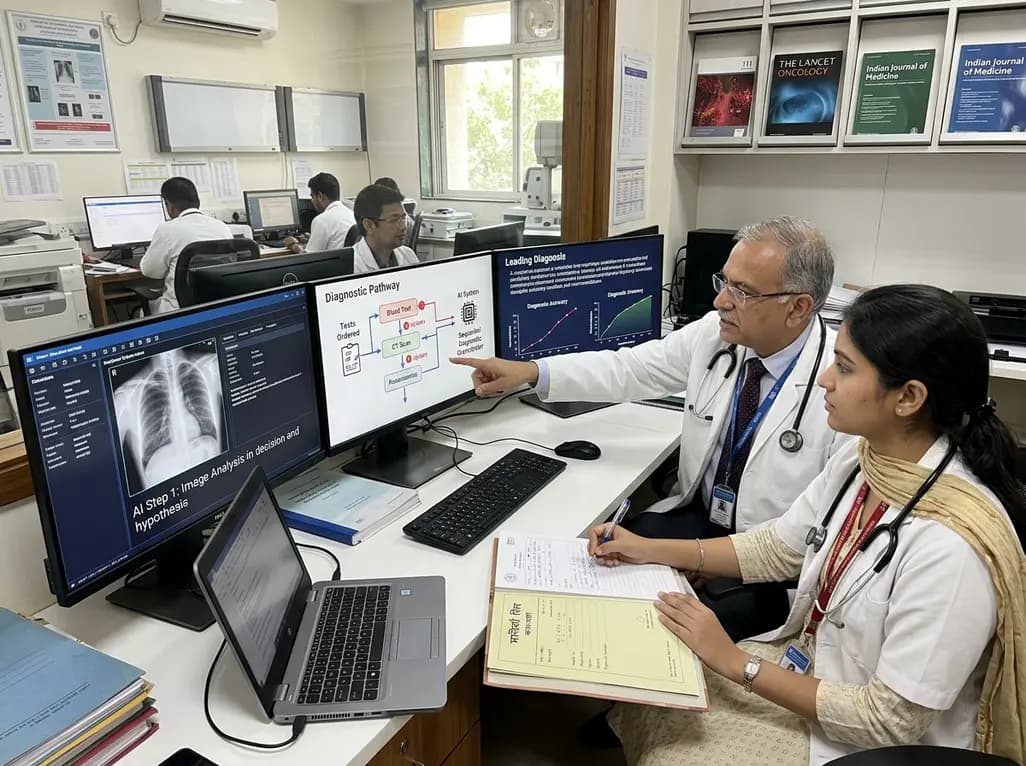
A breakthrough peer-reviewed study demonstrates that a sequential AI diagnosis system can mirror real-world clinical reasoning. By ordering stepwise tests and updating hypotheses dynamically, this multi-agent orchestrator achieved superior diagnostic accuracy while reducing investigative costs.
Today

A prenatal case highlights severe glutaric acidemia type II presenting as bilateral hyperechoic cystic kidneys at 18 weeks. Whole-exome sequencing revealed a novel homozygous ETFDH frameshift variant, demonstrating the power of rapid genetic testing in fetal renal anomalies.
Today

Review how tailored exercise programs benefit frail older patients with heart failure. Explore pathophysiological mechanisms, individualized training prescriptions, and strategies to overcome adherence barriers in clinical practice.
Yesterday

This comparative study evaluates posterior labral tears with and without glenohumeral instability, highlighting distinct demographic patterns, MRI underestimation in stable shoulders, and successful arthroscopic repair outcomes.
Yesterday

A clinical study demonstrates that early intervention with tocilizumab, either as monotherapy or bridged with corticosteroids, achieves significant proptosis reduction and resolves active inflammation in treatment-naive thyroid eye disease.
Yesterday
