.webp&w=384&q=75)

Loading, please wait...
Loading, please wait...
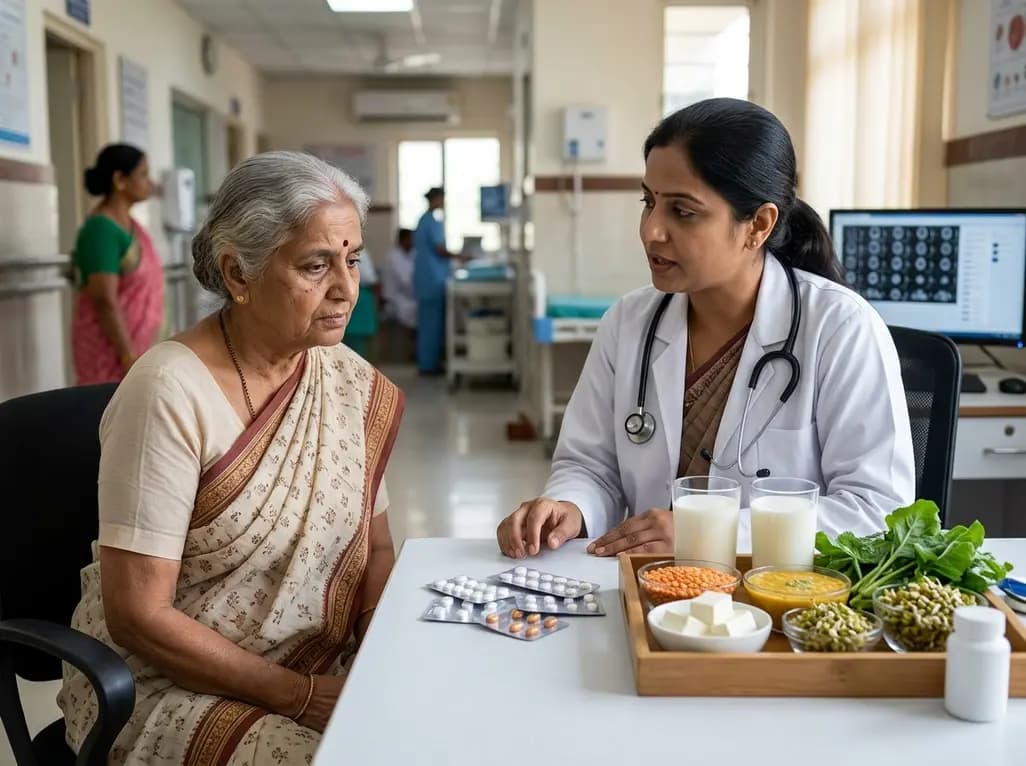
Managing bone health in postmenopausal women requires a delicate balance of pharmacological intervention and nutritional support. For years, clinicians have routinely prescribed calcium supplements alongside various medications. Recent clinical evidence regarding antiresorptive osteoporosis treatment suggests that this blanket approach may need refinement. While calcium is undeniably a cornerstone of bone architecture, its supplemental form might not always be necessary for every patient. A significant longitudinal study has recently shed light on how dietary adequacy influences the efficacy of common osteoporosis medications. The research focuses on whether older women actually benefit from additional calcium when their baseline intake is already sufficient. Furthermore, the study highlights an often-overlooked factor: the role of dietary protein. For many patients, the success of their antiresorptive osteoporosis treatment may depend more on their protein consumption than on their pill bottle. This shift in perspective encourages a more personalized approach to geriatric bone care. Understanding these nutritional nuances allows healthcare providers to optimize outcomes while reducing the burden of unnecessary polypharmacy.
Calcium is the most abundant mineral in the human body, with 99% of it stored in the skeleton. During antiresorptive osteoporosis treatment, the primary goal is to inhibit the activity of osteoclasts, which are responsible for bone resorption. When these medications, such as bisphosphonates or denosumab, reduce bone turnover, the body requires a steady supply of calcium to maintain bone mineral density. However, if a patient is already "calcium-replete" through their diet, adding more via supplements does not necessarily result in stronger bones. The Geneva Retirees Cohort study demonstrated that women with a total calcium intake of approximately 1500 mg/day saw no significant additional benefit from calcium supplements. In these cases, the bone's capacity to integrate extra calcium appears to reach a plateau. Consequently, the focus should shift from simply reaching a numerical target to ensuring the body can effectively utilize the minerals already present. High dietary intake from sources like dairy, green leafy vegetables, and fortified foods often provides a more bioavailable form of the mineral. Thus, clinicians should prioritize a thorough dietary assessment before assuming that every patient requires a prescription for calcium carbonate or citrate.
While calcium often dominates the conversation about bone health, dietary protein plays a critical synergistic role in antiresorptive osteoporosis treatment. Protein is essential for the production of Insulin-like Growth Factor 1 (IGF-1), a hormone that stimulates bone formation and enhances the action of vitamin D. The recent study found that low protein intake—specifically less than 0.8 grams per kilogram of body weight—significantly blunted the bone-strengthening effects of antiresorptive drugs. This finding is particularly relevant for older women who may have reduced appetites or difficulty consuming adequate protein. Without sufficient protein, the bone matrix cannot effectively reorganize or strengthen, even when bone resorption is slowed by medication. Therefore, a diet deficient in protein can lead to a state of "anabolic resistance" in the skeleton. This suggests that the focus of nutritional counseling for osteoporosis should expand beyond just minerals. Clinicians should emphasize the importance of high-quality protein sources, such as lean meats, legumes, and dairy, to ensure that the pharmacological benefits of antiresorptive osteoporosis treatment are fully realized. Integrating protein-rich meals into a patient's daily routine could be the missing link in preventing fragility fractures.
The distinction between dietary calcium and supplemental calcium is becoming increasingly important in clinical practice. For many older women, the "more is better" philosophy regarding calcium supplements can lead to complications without providing extra bone protection. Excessive supplementation has been linked to gastrointestinal issues, such as constipation, and potentially a higher risk of kidney stones. The Geneva study clearly showed that in women who were already meeting the recommended daily allowance (RDA) through their diet, supplements did not improve total hip bone mineral density or bone strength. Interestingly, the study observed that the benefits of menopausal hormone therapy (MHT) and antiresorptives remained consistent regardless of whether the calcium came from a pill or a plate. This suggests that the body does not discriminate between sources, provided the total amount is adequate. However, since supplements carry a higher risk of side effects and increase the pill burden, dietary sources are preferred. Practitioners should encourage patients to track their dietary intake using standardized tools. If the intake reaches at least 1000 to 1200 mg/day, the routine addition of supplements may be unnecessary and could even be counterproductive for long-term adherence.
In the Indian clinical context, the management of osteoporosis presents unique challenges due to diverse dietary patterns. Many Indian women consume a diet high in cereals but relatively low in dairy and animal protein. According to the Indian Menopause Society, the RDA for calcium is often set slightly lower at 800 mg/day, reflecting local physiological data. However, many patients fall far short of even this modest goal. When initiating antiresorptive osteoporosis treatment in this population, a "one size fits all" supplement strategy may still be common, but it is not always optimal. Clinicians must account for the high prevalence of Vitamin D deficiency in India, which impairs calcium absorption regardless of intake levels. Furthermore, the role of protein cannot be ignored, as many traditional Indian diets may be protein-deficient. Therefore, an effective strategy involves a two-pronged nutritional approach: ensuring adequate Vitamin D levels and encouraging higher protein intake alongside dietary calcium. By focusing on these elements, doctors can improve the real-world effectiveness of medications. Educating patients about local, cost-effective protein sources like dal, paneer, and sprouts can make a significant difference in their treatment success.
Successful antiresorptive osteoporosis treatment requires more than just a prescription; it demands ongoing monitoring of both bone density and nutritional status. Longitudinal studies indicate that bone mineral density (BMD) changes can take years to manifest significantly. During this time, a patient's nutritional needs may evolve. For instance, an elderly woman might decrease her physical activity or change her eating habits, potentially leading to a decline in protein intake. Regular follow-ups should include a review of the patient's diet and any new supplements they might have started. Additionally, weight-bearing exercise remains a vital component of holistic bone health, as it works in tandem with nutrition and medication to stimulate bone remodeling. Healthcare providers should also remain vigilant about the potential for over-supplementation. If a patient starts consuming more calcium-rich foods, their supplement dosage should be adjusted downward to avoid exceeding the upper tolerable limit. By maintaining this dynamic and holistic approach, clinicians can ensure that antiresorptive osteoporosis treatment remains safe and effective throughout the patient's later years. Ultimately, the goal is to provide the most effective treatment with the least amount of unnecessary intervention.
Not necessarily. If your daily diet already provides about 1,200 mg of calcium through foods like milk, yogurt, and leafy greens, additional supplements may not offer extra benefits. Recent research indicates that calcium-replete women do not see better bone density results from supplements while on antiresorptive therapy. It is essential to calculate your current dietary intake with a doctor before starting routine supplementation to avoid unnecessary side effects.
Protein is a vital building block for the bone matrix and helps your body produce growth factors like IGF-1, which promote bone health. Studies have shown that a low-protein diet can actually blunt the positive effects of antiresorptive medications. By ensuring you consume adequate protein—about 0.8 to 1 gram per kilogram of body weight—you provide your bones with the necessary environment to strengthen and respond effectively to your prescribed medication.
Yes, taking excessive amounts of calcium supplements, especially when your diet is already sufficient, can lead to complications. Common issues include significant constipation, bloating, and an increased risk of developing kidney stones. There is also some ongoing debate regarding the impact of high-dose calcium supplements on cardiovascular health. Therefore, it is safer and more effective to meet your calcium needs through a balanced diet whenever possible rather than relying solely on high-dose pills.
Disclaimer: This content is for informational and educational purposes only and does not constitute medical advice or a professional relationship. Always seek the advice of your physician or other qualified health provider with any questions you may have regarding a medical condition. Refer to the latest local and national guidelines for clinical practice.
References
Papageorgiou M et al. Dietary and supplemental calcium intake and bone changes during antiresorptive osteoporosis treatment in older women: a longitudinal observational study. Osteoporos Int. 2026 Jul 17. doi: 10.1007/s00198-026-08154-8. PMID: 42463975.
Indian Menopause Society. Clinical Practice Guidelines on Postmenopausal Osteoporosis: An Executive Summary and Recommendations – Update 2019–2020. J Mid-life Health. 2020.
International Osteoporosis Foundation. Nutrition and Bone Health: The Role of Calcium and Protein in Fracture Prevention. 2024.

Read summarized clinical updates, watch expert medical content, and earn CME certifications right from your smartphone.
Open your smartphone camera to scan and install.





A longitudinal study suggests that for older women on antiresorptive osteoporosis treatment, routine calcium supplementation provides little extra benefit if dietary intake is already sufficient. However, low protein intake significantly blunts the effectiveness of these bone-strengthening medications.
3 months ago

A prospective multicenter trial demonstrates that a 15-day factory-calibrated continuous glucose monitoring system provides high analytical accuracy (MARD ~7.7%) and safety in pregnant women with gestational diabetes mellitus.
Today
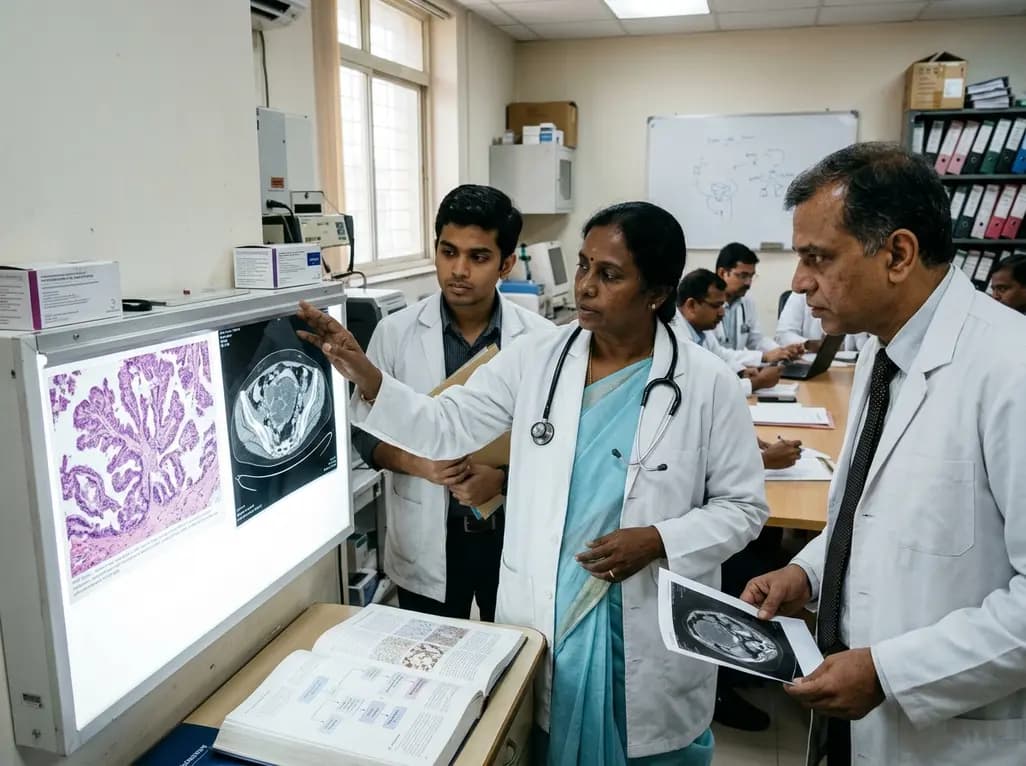
A rare presentation of cervical villoglandular adenocarcinoma metastasizing to the ovary mimicked a borderline ovarian tumor. Multimodal testing with immunohistochemistry and HPV16 DNA confirmed metastatic origin, guiding optimal surgical and chemoradiotherapy intervention.
Today
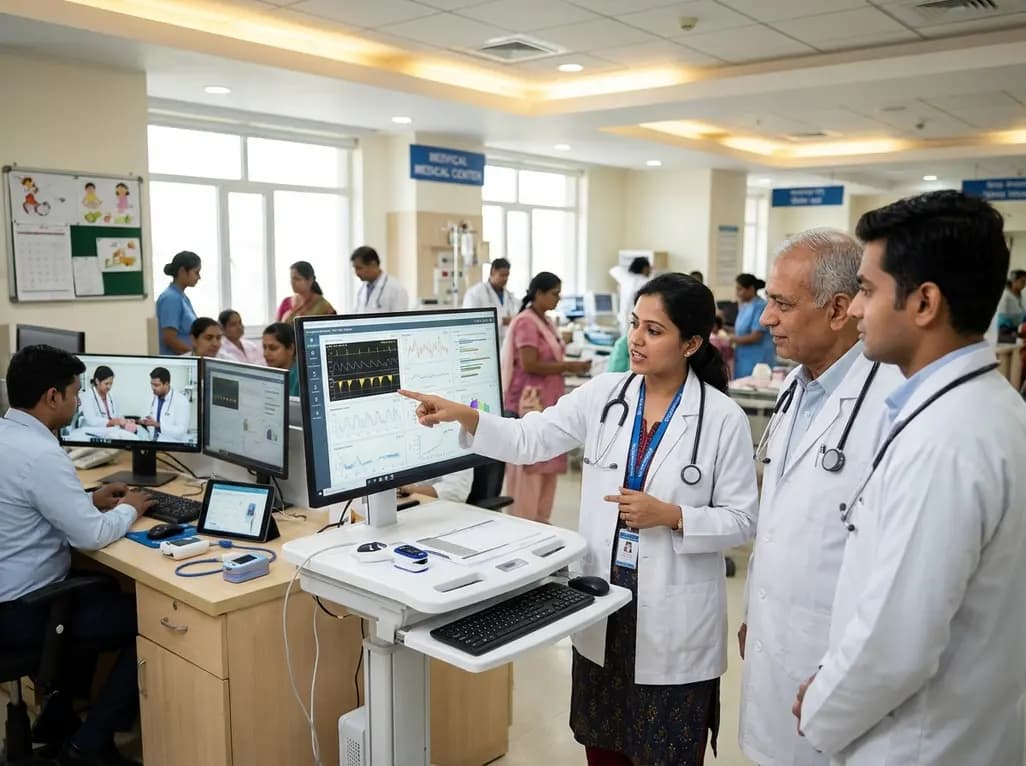
A landmark study details how an enterprise pediatric remote patient management model expanded from a single cardiology pilot to 16 diverse specialty programs by combining centralized digital operations with specialty clinical leadership.
Yesterday
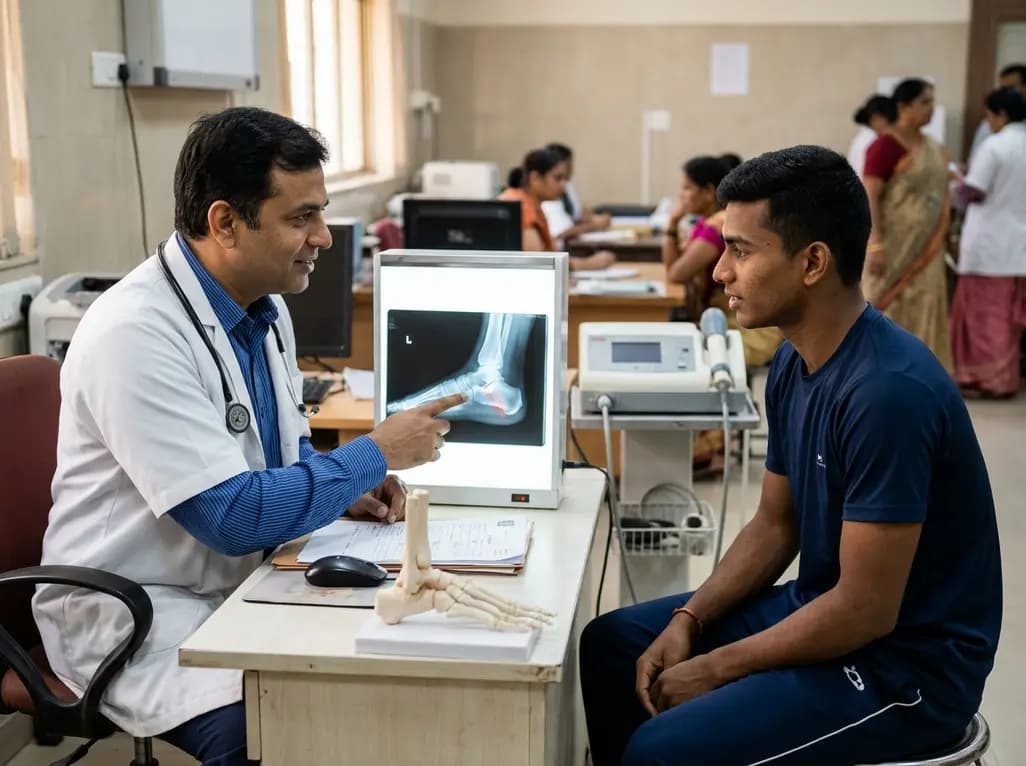
A collegiate hurdler with a 2-year neglected Degan type III anterior process calcaneus fracture achieved complete pain resolution and bony bridging using focused extracorporeal shock wave therapy, returning to competition without invasive surgery.
Today
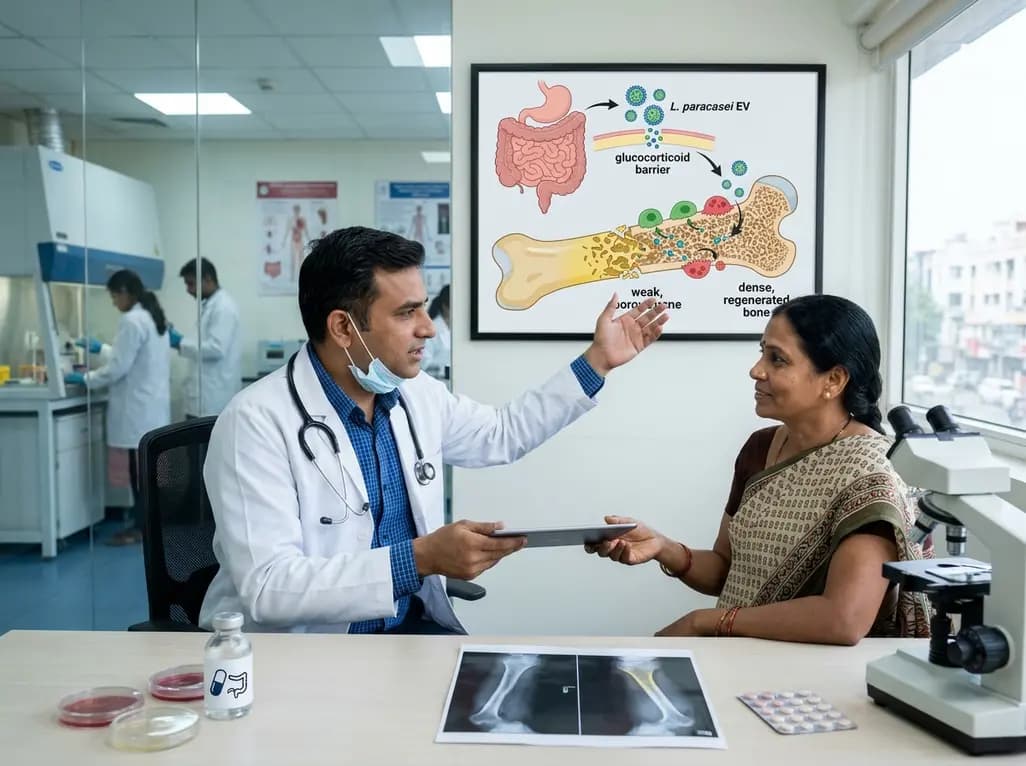
A novel oral nanoplatform using Lacticaseibacillus paracasei-derived extracellular vesicles delivers alendronate, reversing glucocorticoid-induced bone loss and restoring gut-immune-bone homeostasis.
Today
