.webp&w=384&q=75)

Loading, please wait...
Loading, please wait...

In inflammatory bowel disease (IBD), microbial dysbiosis typically causes a significant drop in intestinal butyrate levels. This reduction compromises the intestinal barrier. Consequently, opportunistic pathogens like Candida albicans can invade the tissue and worsen inflammation. As a result, researchers developed a human immunocompetent colitis-on-chip (CooC) model. This system effectively highlights the critical role of Butyrate in Gut Defense by mimicking the complex interactions of the inflamed mucosa.
Furthermore, the study identifies that butyrate performs two primary protective roles. In addition to stabilizing epithelial adherens junctions, it promotes the renewal of the epithelial layer. Similarly, these mechanisms effectively restrict fungal invasion into the tissue. By contrast with untreated cells, those with butyrate exposure prevent the translocation of C. albicans that usually occurs during colitis flares.
Additionally, butyrate significantly modulates immune cell behavior within the gut environment. Specifically, it enhances the antifungal activity of macrophages while attenuating excessive inflammation. Moreover, the metabolite achieves this by inhibiting histone deacetylase (HDAC) and suppressing the NLRP3 inflammasome. Therefore, butyrate maintains macrophage viability and reduces the damage caused by inflammatory signaling. In conclusion, these findings suggest that restoring butyrate levels could be a vital strategy for clinicians. Specifically, butyrate pretreatment helps maintain mucosal resilience and prevents fungal exacerbations. Consequently, this research supports the therapeutic potential of butyrate-producing probiotics in clinical practice.
Butyrate strengthens the gut lining by stabilizing adherens junctions and promoting epithelial renewal. This prevents Candida albicans from crossing the tissue barrier.
Butyrate enhances the ability of macrophages to kill fungi. It also suppresses the NLRP3 inflammasome, which reduces harmful inflammation in the gut.
Yes, this model accurately mimics the human gut mucosa. It allows researchers to study how metabolites like butyrate interact with epithelial and immune cells during disease.
Disclaimer: This content is for informational and educational purposes only. It does not constitute medical advice or a professional relationship. Refer to the latest local and national guidelines for clinical practice.
References
Allwang M et al. Human Colitis-on-Chip Model Reveals Dual Roles of Butyrate in Epithelial and Macrophage Defense Against Candida albicans Tissue Invasion. Small. 2026 May 15. doi: 10.1002/smll.202600074. PMID: 42138066.
Bakshi J et al. Sodium butyrate prevents lipopolysaccharide induced inflammation and restores the expression of tight junction protein in human epithelial Caco-2 cells. Cell Immunol. 2025 Feb;408:104912. doi: 10.1016/j.cellimm.2024.104912.
Donkers JM et al. A host-microbial metabolite interaction gut-on-a-chip model of the adult human intestine demonstrates beneficial effects upon inulin treatment of gut microbiome. Front Mol Biosci. 2024 Mar 25;11:1374534. doi: 10.3389/fmolb.2024.1374534.

Read summarized clinical updates, watch expert medical content, and earn CME certifications right from your smartphone.
Open your smartphone camera to scan and install.





A human colitis-on-chip model shows butyrate prevents Candida albicans invasion by strengthening epithelial barriers and enhancing macrophage function....
5 months ago

An observational study from the NIH All of Us Research Program reveals that adding a multi-ancestry polygenic risk score to machine learning models provides only modest improvements in predicting adult weight gain, underscoring the enduring significance of routine clinical and lifestyle factors.
Today

A study in JAMIA Open shows lightweight open-source reasoning LLMs achieve up to 95% sensitivity and accelerate evidence synthesis screening by nearly twentyfold, presenting a cost-effective, scalable AI solution for biomedical research and systematic reviews.
Today
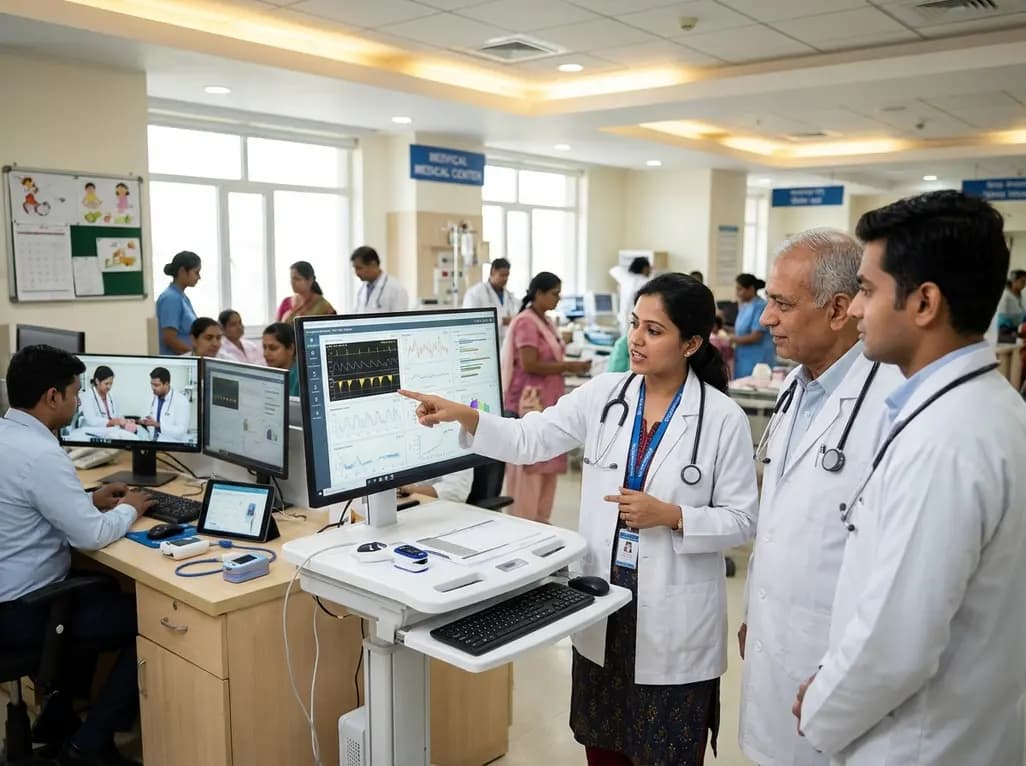
A landmark study details how an enterprise pediatric remote patient management model expanded from a single cardiology pilot to 16 diverse specialty programs by combining centralized digital operations with specialty clinical leadership.
Yesterday

A comparative review of tension band wiring and intramedullary screw fixation in thumb metacarpophalangeal arthrodesis, evaluating union rates, hardware complications, and clinical outcomes.
Yesterday
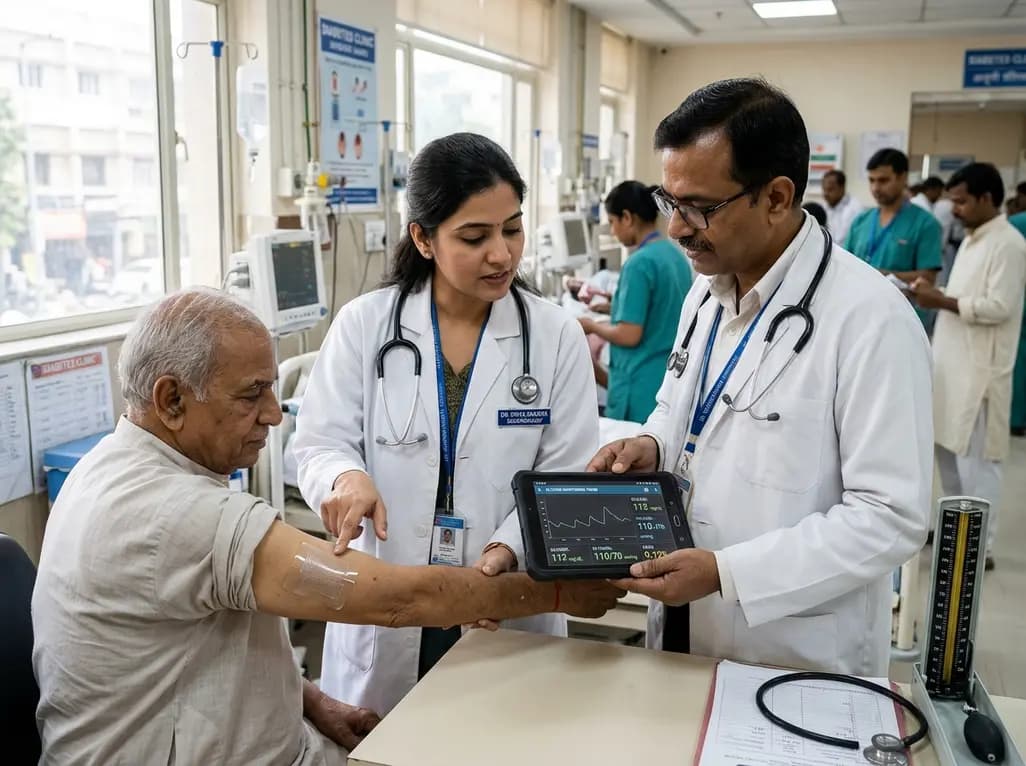
A breakthrough ultrathin multimodal sensor decouples physical hemodynamic monitoring from disposable electrochemical calibration, achieving long-term wearable glucose prediction with 81.36% accuracy and a 9.12% MARD. This offers a robust, drift-free solution for outpatient metabolic surveillance.
Yesterday
