.webp&w=384&q=75)

Loading, please wait...
Loading, please wait...

Chronic occupational stress presents a formidable challenge to modern healthcare systems across the globe. Specifically, burnout in neurology has reached an alarming threshold, threatening clinician wellbeing and compromising patient outcomes. Neurologists frequently care for complex patients suffering from progressive neurodegenerative conditions and acute emergencies. Consequently, relentless cognitive demands, irregular on-call schedules, and mounting documentation requirements generate profound psychological strain. Recent investigations confirm that neurology specialists report remarkably high rates of career distress and substandard work-life satisfaction compared to peer disciplines.
Furthermore, this pervasive distress destabilizes the foundation of academic medicine. When academic faculty endure chronic occupational exhaustion, their clinical diagnostic precision and empathetic patient communication inevitably decline. In addition, persistent fatigue discourages valuable mentoring relationships, dampens scholarly innovation, and accelerates early workforce attrition. Therefore, healthcare leaders must urgently examine the root causes of clinician distress. Recognizing the multi-factorial nature of workplace adversity allows academic centers to construct targeted interventions that safeguard physician health. Moreover, understanding these operational realities enables department chairs to design balanced workflow models. Proactive administrative reforms will revive clinical engagement and institutional longevity. Ultimately, prioritizing clinician health preserves the intellectual vitality of academic medical centers.
To quantify these professional challenges, the Women in Neurology Collaborative Study administered an abbreviated Maslach Burnout Inventory across nineteen academic neurology departments in the United States. The researchers analyzed detailed survey responses from 311 faculty members between December 2020 and March 2022. Among all respondents, 59.5% identified as women and 89.1% served primarily as clinical faculty. Furthermore, the cohort reported a substantial mean practice duration of 14.4 years, illustrating deep immersion in clinical training and patient management.
Remarkably, the study revealed that 98.4% of surveyed neurologists experienced moderate-to-high levels of overall occupational burnout. In addition, depersonalization scores remained persistently elevated across 96.6% of faculty, irrespective of their career stage. These staggering numbers demonstrate that workplace distress does not merely affect isolated individuals. Instead, excessive administrative burdens, inefficient electronic health record systems, and compressed appointment times systematically drain clinical providers. Therefore, medical institutions must view these results as a clear signal of structural dysfunction rather than individual vulnerability. Consequently, academic departments face significant retention risks when faculty encounter sustained operational friction. Addressing these chronic deficits requires coordinated administrative interventions that restore meaningful clinical autonomy. Furthermore, national specialty societies must collaborate to establish actionable benchmarks for clinical workload sustainable over full careers.
Although depersonalization appeared universally high across all professional milestones, the study highlighted notable divergence in emotional exhaustion. Specifically, emotional exhaustion rose significantly by the late-career stage among academic neurologists. Early-career clinicians often grapple with acute stressors, such as establishing clinical practices, mastering specialized billing codes, and balancing early-family demands. However, late-career physicians frequently shoulder cumulative administrative responsibilities, complex institutional governance, and escalating patient volumes over decades. Consequently, the compounding weight of chronic unmitigated stress manifests as profound mental and physical depletion in senior faculty.
Moreover, these findings challenge the conventional belief that senior clinicians automatically develop protective immunity against professional fatigue through accumulated experience. In contrast, prolonged exposure to bureaucratic friction and loss of autonomy erodes professional resilience over time. Furthermore, senior academic neurologists often manage difficult departmental transitions while providing supervision for trainees. Thus, when veteran educators experience severe exhaustion, institutional knowledge transfers and resident teaching suffer immensely. Medical centers must therefore establish career-stage specific support frameworks to nurture physicians from residency through senior leadership. Additionally, tailored mentorship and phased clinical transitions can preserve the vital contributions of experienced clinicians. Consequently, institutional leaders should actively consult senior specialists when designing operational policies.
The survey data highlighted meaningful distinctions between male and female faculty experiences in academic medicine. In particular, women comprised nearly sixty percent of the survey cohort and reported disproportionately higher levels of severe emotional fatigue. Historically, female physicians navigate pronounced domestic responsibilities, greater parental leave penalties, and persistent disparities in academic compensation. In addition, female faculty frequently carry heavier burdens of uncompensated institutional service, commonly known as internal citizenship tasks. Consequently, these structural imbalances accelerate chronic exhaustion and exacerbate dissatisfaction with work-life integration.
Conversely, the study demonstrated that higher academic rank, formal leadership roles, and dedicated research time significantly reduced burnout risk among male faculty. These protected academic privileges often afford male neurologists greater day-to-day autonomy and administrative assistance. However, female faculty frequently encounter systemic obstacles when pursuing equitable advancement into departmental chairmanships and tenured positions. Therefore, academic institutions must dismantle inequitable promotion barriers and re-evaluate compensation models. Implementing transparent workload allocation and supporting parental leave policies will foster genuine equity across neurology departments. Furthermore, regular institutional equity audits ensure fair recognition for all academic contributions. Ultimately, closing gender equity gaps creates a more sustainable academic environment for all specialists.
Resolving systemic fatigue requires comprehensive institutional solutions rather than superficial wellness lectures or personal resilience seminars. Academic departments must proactively streamline electronic documentation workflows and deploy trained medical scribes to reduce repetitive administrative tasks. In addition, leadership teams should adjust clinical productivity targets to accommodate complex outpatient consultations and multidisciplinary rounds. When health systems grant clinicians protected time for scholarly research and teaching, professional fulfilment improves dramatically. Consequently, providing physicians with operational flexibility helps restore their core clinical enthusiasm.
Furthermore, medical organizations should establish structured peer-support initiatives and confidential mental health resources. Normalizing discussions around professional vulnerability reduces prevailing social stigma among physicians. Similarly, leadership training for department heads must emphasize empathetic management, transparent decision-making, and fair scheduling practices. Although systemic restructuring requires financial and organizational commitments, the cost of inaction remains far higher. Unaddressed distress leads to medical errors, clinician turnover, and compromised patient satisfaction. Therefore, prioritizing provider wellness represents a vital strategic investment that directly strengthens institutional clinical excellence. Ultimately, sustainable institutional reforms empower neurology specialists to deliver exceptional patient care without sacrificing their personal health. Thus, healthcare institutions must commit sustained resources to protect the dedicated professionals who guide neurology forward.
High patient volumes, complex neurodegenerative pathologies, and demanding call schedules drive substantial stress among academic neurologists. Furthermore, excessive electronic documentation, uncompensated administrative tasks, and shrinking consultation times compound this exhaustion. In addition, female faculty frequently navigate career advancement disparities and domestic responsibilities, whereas senior faculty endure cumulative administrative burdens over decades. Consequently, these structural and cultural challenges steadily undermine autonomy, leading to widespread depersonalization and emotional depletion across departments.
Severe occupational burnout directly impairs diagnostic vigilance, clinical judgment, and bedside empathy in complex neurological cases. Furthermore, fatigued physicians exhibit higher rates of prescribing errors, delayed evaluations, and unnecessary testing. In addition, chronic depersonalization damages clinician-patient communication, which significantly lowers treatment compliance and patient satisfaction. Ultimately, prolonged distress accelerates faculty turnover, reduces clinic availability, and destabilizes clinical training programs, severely compromising overall healthcare delivery within academic medical centers.
Healthcare institutions must redesign clinical workflows by integrating medical scribes, streamlining electronic documentation, and capping patient loads during intensive clinics. In addition, leadership must allocate protected time for academic scholarship and provide transparent, equitable compensation models. Furthermore, departments should establish confidential peer-support networks and leadership training that emphasizes compassionate governance. Therefore, structural reorganization offers the most effective antidote to professional distress, fostering sustained career longevity and physician wellbeing.
Disclaimer: This content is for informational and educational purposes only... Refer to the latest local and national guidelines for clinical practice.
References
Guo J et al. Burnout Factors in Neurology: A Survey Assessing Key Factors Among US Academic Faculty. Neurol Clin Pract. 2026 Dec undefined. doi: 10.1212/CPJ.0000000000200668. PMID: 42842863.
Busis NA, Shanafelt TD, Keran CM, et al. Burnout, Career Satisfaction, and Well-Being Among US Neurologists in 2016. Neurology. 2017;88(8):797-808.
West CP, Dyrbye LN, Shanafelt TD. Physician burnout: contributors, consequences and solutions. J Intern Med. 2018;283(6):516-529.

Read summarized clinical updates, watch expert medical content, and earn CME certifications right from your smartphone.
Open your smartphone camera to scan and install.





A nationwide survey reveals alarming rates of burnout in neurology among academic faculty. The study identifies emotional exhaustion, depersonalization, and gender disparities across career stages, highlighting the urgent need for organizational reforms and physician wellness strategies.
Today

Small airway dysfunction affects over 64% of asthma patients across GINA steps. Utilizing impulse oscillometry provides crucial diagnostic insight, revealing persistent peripheral resistance linked to frequent exacerbations, suboptimal asthma control, and impaired patient quality of life.
Today

A large UK cohort study of 1.4 million women shows that pregnancy complications, including gestational diabetes, hypertension, and preterm birth, substantially raise long-term risks for hypertension, chronic kidney disease, type 2 diabetes, and cardiovascular events, highlighting early postpartum intervention needs.
Today
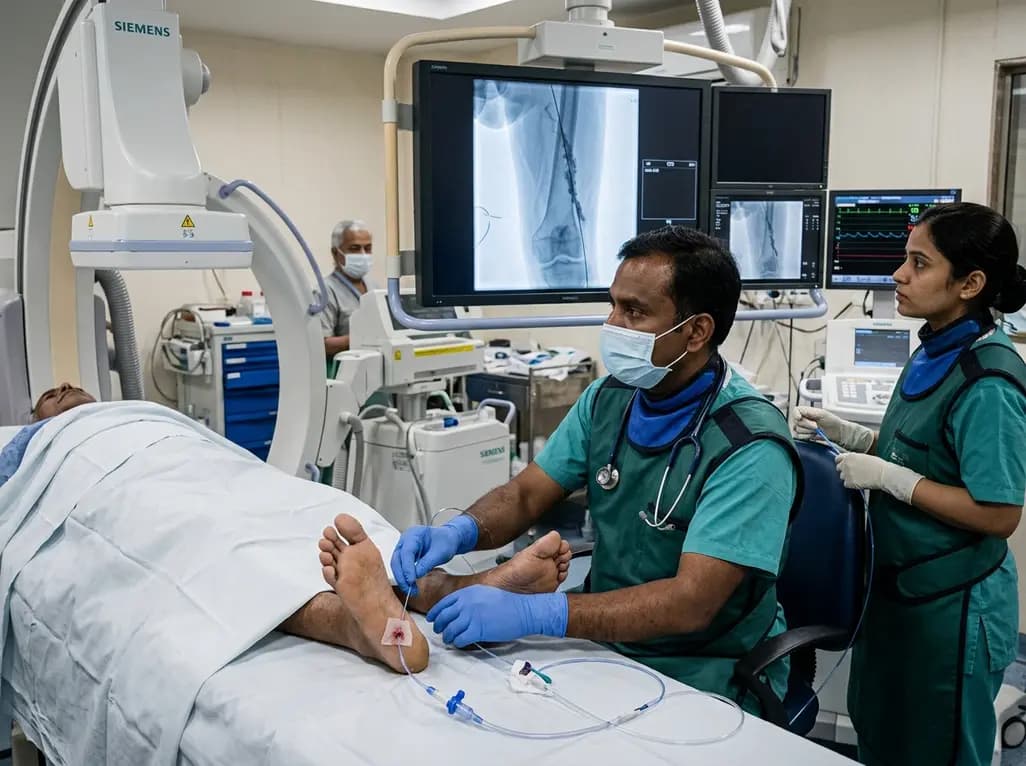
A clinical study demonstrates that retrograde pedal access achieves a 90.9% technical success rate for intraluminal crossing in complex infrainguinal chronic total occlusions, securing outstanding limb salvage, complete wound healing, and durable patency in patients with chronic limb-threatening ischemia.
Today
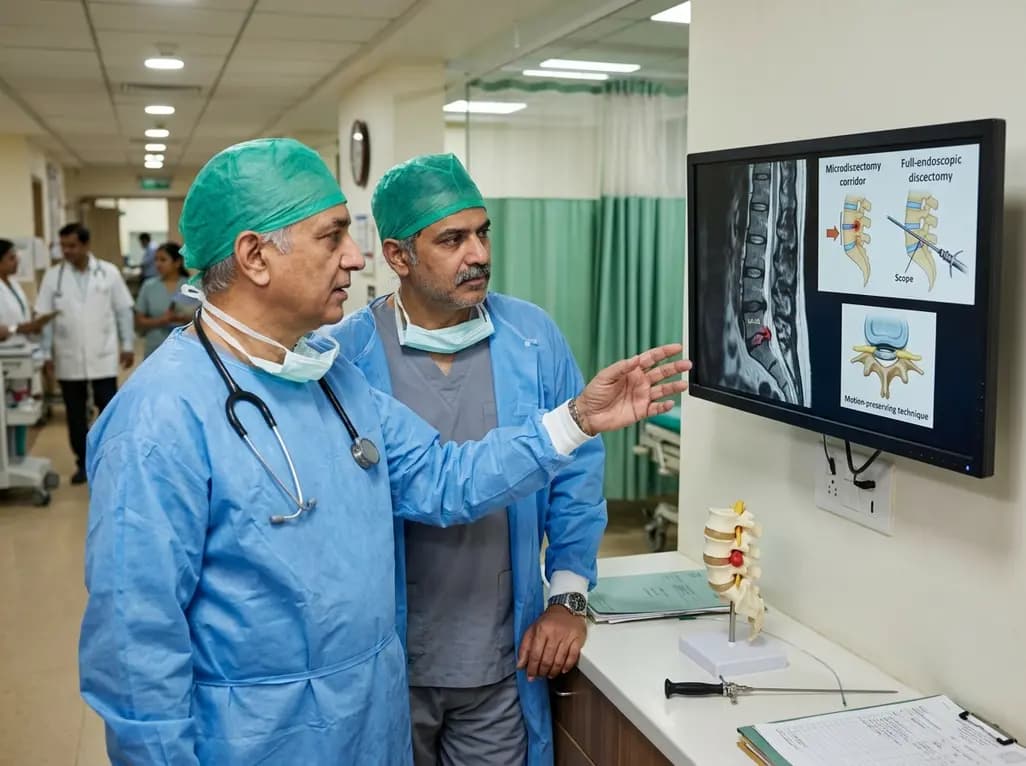
This clinical overview examines recent advancements in lumbar disc herniation surgery, comparing microscopic and full-endoscopic discectomy while highlighting biportal techniques and emerging motion-preserving innovations for spine specialists.
Today

The World Health Organization has issued its first global guidelines for managing child and adolescent obesity. The recommendations strongly endorse family-based dietary interventions, regular physical activity, and behavioral support as frontline therapy, reserving GLP-1 therapies and surgery for select cases.
Today
