

Loading, please wait...
Loading, please wait...
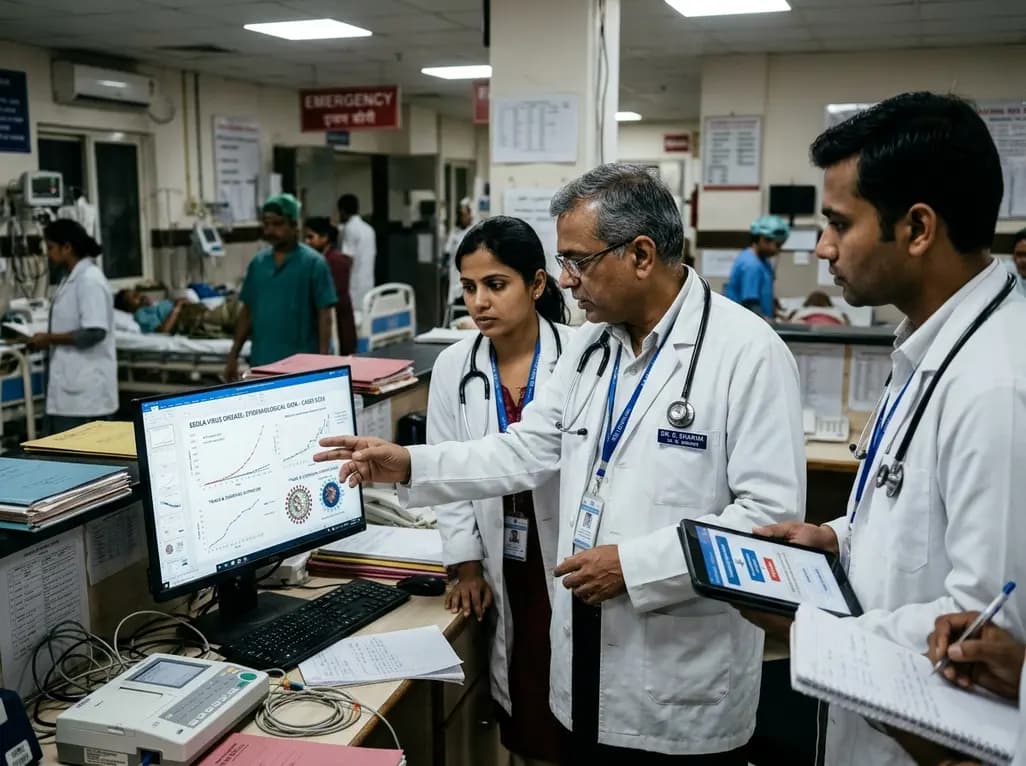
The expanding Bundibugyo Ebola outbreak in the Democratic Republic of Congo has crossed a grave threshold. Official health reports indicate that confirmed infections have exceeded 10,000 cases, with fatalities approaching 5,000. Furthermore, international public health surveillance teams have identified secondary cases in Kenya and Nigeria. Consequently, medical professionals worldwide must confront the reality of expanding regional dissemination. For clinicians in India and other high-volume transit hubs, global mobility accelerates infectious disease vulnerabilities. Therefore, acute care teams must refresh their diagnostic acumen regarding viral hemorrhagic fevers. Early symptom detection and rapid isolation remain pivotal in preventing hospital-acquired outbreaks. Healthcare workers must remain alert to atypical presentations in returning travelers. This clinical review evaluates the current epidemiological trajectory, pathophysiological nuances, diagnostic approaches, and practical infection control strategies.
The current epidemiological surge represents the deadliest filovirus event within the borders of the Democratic Republic of Congo. Moreover, this crisis stands as the second-largest Ebola event documented in global medical history. Previous outbreaks in Uganda and Congo involved relatively small clusters that rapid contact tracing contained quickly. However, the current situation demonstrates sustained community transmission across multiple provincial zones. In addition, cross-border movements have already transported active cases into neighboring East African countries. A recent fatal case in Nairobi and an imported diagnosis in Nigeria highlight these significant geographic vulnerabilities. Consequently, the World Health Organization declared this event a public health emergency requiring coordinated international interventions.
Health authorities face multifaceted operational barriers in the epicenter, including logistical hurdles and remote terrain. Furthermore, civil insecurity and community mistrust impede primary surveillance efforts. As a result, public health teams often detect cases late in the course of illness. This delay substantially elevates household exposure and tertiary community spread. Therefore, regional surveillance networks must enforce strict 21-day quarantine protocols for high-risk contacts. Clinicians must understand that porous borders and international flights can rapidly transform a regional epidemic into a worldwide clinical challenge. Constant inter-facility communication remains indispensable for international pathogen containment.
Bundibugyo ebolavirus produces severe systemic illness characterized by rapid clinical deterioration. Following an incubation interval of 2 to 21 days, patients typically present with non-specific constitutional symptoms. Initially, infected individuals report abrupt high fever, severe myalgia, profound asthenia, and persistent frontal headache. Subsequently, gastrointestinal manifestations develop within three to five days after symptom onset. Patients experience intractable vomiting, watery diarrhea, and intense abdominal cramping that cause rapid volume depletion. Furthermore, maculopapular cutaneous eruptions and conjunctival injection frequently accompany this phase.
Because these early manifestations closely mimic malaria, typhoid fever, and severe dengue, misdiagnosis frequently occurs. Therefore, clinicians must maintain a high index of suspicion whenever evaluating returning travelers. As the disease advances, vascular endothelial injury triggers capillary leakage and severe coagulopathy. Consequently, patients develop petechiae, ecchymosis, mucosal oozing, and life-threatening gastrointestinal hemorrhage. Progressive metabolic acidosis, severe electrolyte derangements, and multi-organ failure quickly follow. For this reason, prompt real-time reverse transcription polymerase chain reaction testing provides the definitive diagnostic standard. Serologic testing and antigen-detection assays offer adjunctive value when molecular platforms face operational constraints. Clinicians must avoid unnecessary invasive diagnostic procedures before confirming or ruling out filovirus infection.
Unlike infections caused by Zaire ebolavirus, the Bundibugyo species lacks approved vaccines or specific antiviral therapeutics. Notably, the standard Ervebo vaccine offers no proven cross-protection against Bundibugyo antigens. Similarly, monoclonal antibody therapies such as ansuvimab and the REGN-EB3 combination do not neutralize this distinct viral species. Therefore, clinical management relies entirely upon aggressive, early supportive critical care. Clinicians must focus primarily on targeted fluid resuscitation to replace massive gastrointestinal volume losses. Furthermore, careful hemodynamic monitoring prevents both hypovolemic collapse and accidental pulmonary edema.
Point-of-care biochemical testing plays an indispensable role during intensive supportive management. In particular, clinicians must aggressively identify and correct severe hypokalemia, hyponatremia, and metabolic acidosis. In addition, healthcare teams should administer empiric broad-spectrum antibiotics to counteract bacterial translocation from damaged gut mucosa. Antipyretics such as paracetamol help alleviate debilitating pain, whereas clinicians must strictly avoid nonsteroidal anti-inflammatory drugs. Novel candidate vaccines and small-molecule oral antivirals like obeldesivir are currently undergoing emergency clinical evaluation. Nevertheless, until regulatory authorities approve definitive countermeasures, optimized physiologic support remains the cornerstone of survival. Early supportive intervention significantly reduces overall case fatality rates during filovirus outbreaks.
Nosocomial amplification represents one of the greatest dangers during viral hemorrhagic fever outbreaks. Bundibugyo ebolavirus transmits through direct contact with infected blood, bodily fluids, vomit, feces, and contaminated environmental fomites. Therefore, healthcare facilities must establish rigorous infection prevention and control protocols immediately. Dedicated triage screening zones must intercept febrile patients before they enter general outpatient areas. Furthermore, suspected cases require immediate physical transfer to negative-pressure isolation suites with dedicated sanitary facilities. Clinicians must enforce universal precautions, strict hand hygiene, and restricted visitor policies.
Healthcare personnel providing direct bedside care must wear comprehensive personal protective equipment without exception. Specifically, staff must don fluid-resistant coveralls, dual nitrile gloves, waterproof aprons, N95 respirators, and full-face shields. Moreover, dedicated observers must supervise all donning and doffing procedures to prevent accidental self-contamination. Facilities must decontaminate environmental surfaces using freshly prepared sodium hypochlorite solutions at appropriate concentrations. In addition, safe handling of clinical waste and strict burial protocols eliminate downstream transmission risks. Laboratory personnel must handle diagnostic specimens under biosafety level 4 conditions or validated viral inactivation systems. Protecting healthcare teams preserves institutional capacity during sustained community epidemics.
India's substantial commercial ties and international aviation connections necessitate vigilant public health preparedness. The National Centre for Disease Control and airport health organizations have implemented enhanced entry screening protocols. However, airport thermal scanners cannot detect incubating individuals who remain asymptomatic during transit. Therefore, primary care physicians and emergency room doctors across India serve as the true frontline defense. Clinicians must routinely elicit detailed travel histories from every patient presenting with acute undifferentiated febrile illness. Inquiring about travel to Central or East Africa within the preceding 21 days is vital.
If an acute patient reports recent exposure, clinicians must execute isolation protocols before proceeding with physical examinations. Furthermore, hospitals must avoid routine phlebotomy until securing appropriate protective gear and biohazard containment transport. Clinicians should alert state epidemiological surveillance officers immediately whenever encountering a compatible clinical presentation. Meanwhile, physicians must provide clear risk-communication guidance to travelers departing for endemic regions. Advise travelers to avoid crowded healthcare facilities, abstain from animal bushmeat consumption, and maintain scrupulous hand hygiene. Rapid institutional reporting ensures coordinated public health responses, preserving domestic health security against imported hemorrhagic pathogens.
Q1: What distinguishes Bundibugyo ebolavirus from the more common Zaire species?
Bundibugyo ebolavirus is a distinct viral species within the Orthoebolavirus genus that historically causes case fatality rates between 30 and 50 percent. Crucially, licensed countermeasures formulated for Zaire ebolavirus, including the Ervebo vaccine and monoclonal antibody cocktails, do not confer clinical protection against Bundibugyo. Consequently, outbreak management depends on supportive intensive therapy, rigorous barrier nursing, and experimental clinical trial interventions.
Q2: How should Indian emergency departments triage a febrile traveler from an affected country?
Emergency departments must immediately place any patient presenting with fever and travel to an outbreak zone within the past 21 days into designated isolation. Clinicians should minimize direct contact, don comprehensive personal protective equipment, and notify hospital infection control teams alongside public health authorities. In addition, medical staff must avoid unnecessary invasive testing until biosafety protocols and dedicated molecular diagnostics are ready.
Q3: Which supportive therapeutic interventions most effectively reduce mortality in hospitalized patients?
Early, goal-directed aggressive fluid resuscitation provides the most significant survival benefit against filoviral hypovolemic shock. Clinicians must continuously monitor hemodynamic parameters while systematically correcting severe electrolyte disturbances like hypokalemia and hypomagnesemia. Furthermore, administration of empiric broad-spectrum antibiotics treats secondary bacterial translocation through damaged intestinal mucosa, while safe antiemetics and analgesics significantly improve overall physiological tolerance.
Disclaimer: This content is for informational and educational purposes only. It does not constitute medical advice or replace professional judgment. Refer to the latest local and national guidelines for clinical practice.
References

Read summarized clinical updates, watch expert medical content, and earn CME certifications right from your smartphone.
Open your smartphone camera to scan and install.





With confirmed filovirus infections climbing across Central and West Africa, healthcare teams worldwide must maintain heightened vigilance. Learn the core diagnostic indicators, emergency triage algorithms, supportive critical care standards, and point-of-entry screening workflows to stop secondary transmission.
Today
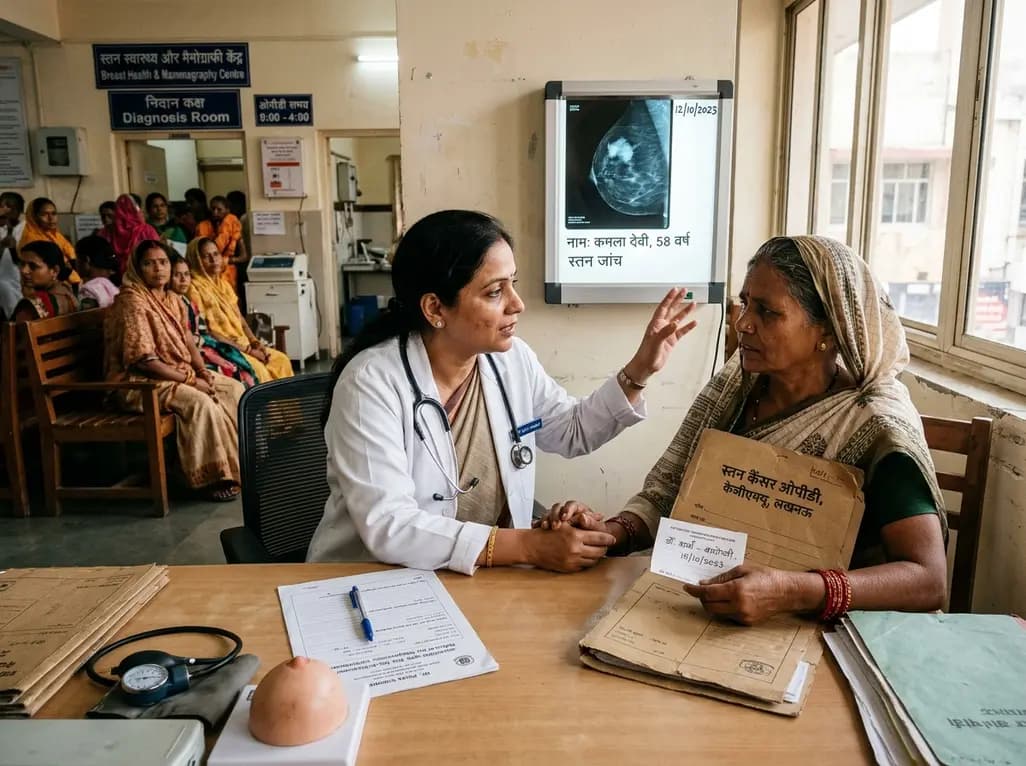
A KGMU study reveals over half of women with breast abnormalities fail to undergo diagnostic confirmation, leading to advanced-stage detection. Discover the socio-cultural barriers, clinical risks of incomplete resection, and community-level solutions needed to bridge the critical screening-to-diagnosis gap in India.
Yesterday
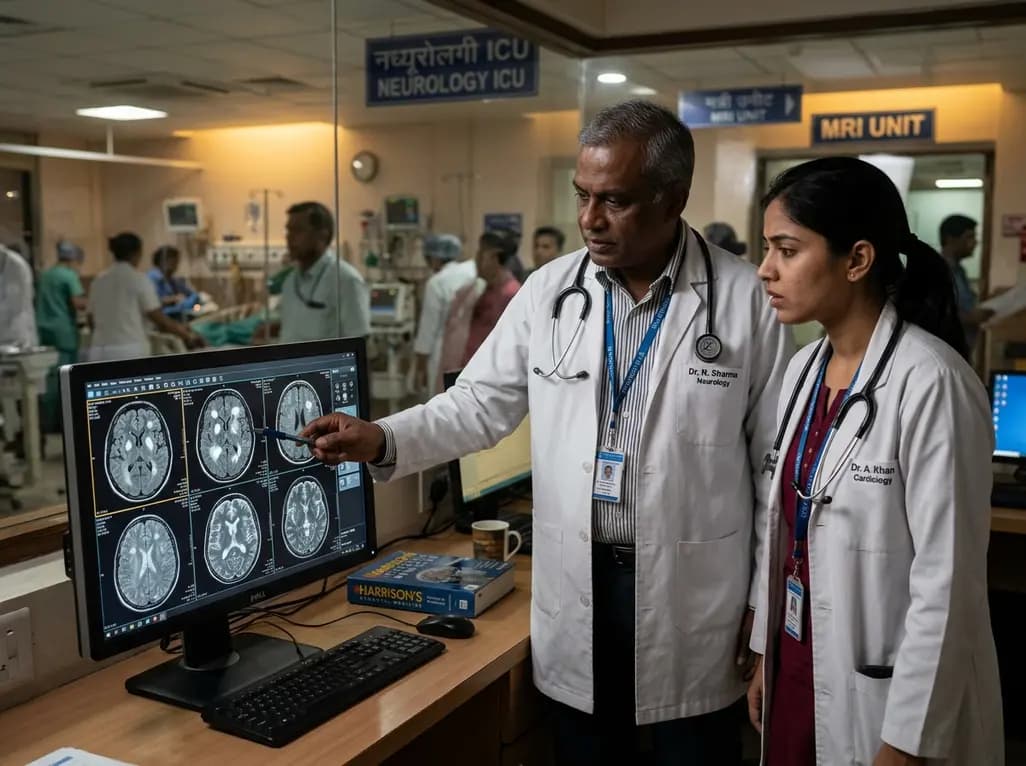
Recent findings from the VESUVE study demonstrate that brain MRI detects intracranial lesions in over 76% of patients with infective endocarditis. Acute ischemic stroke and subarachnoid hemorrhage independently elevate six-month mortality, underscoring the critical prognostic utility of neuroimaging.
Today
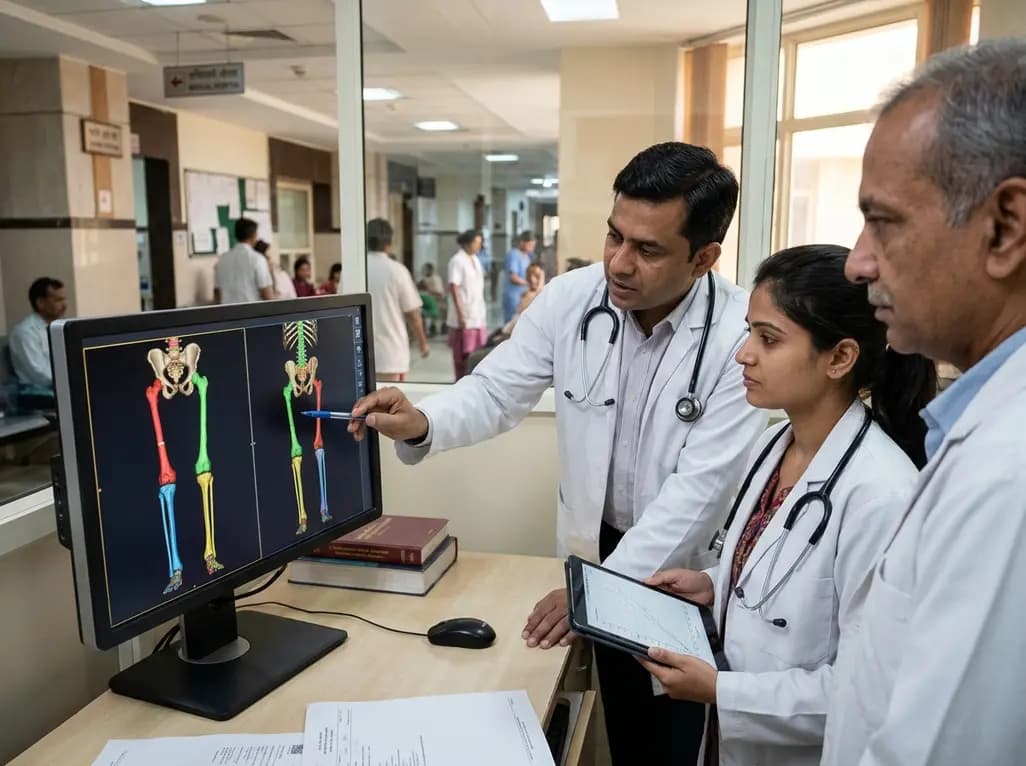
Modern 3D anthropometry reveals that pediatric leg growth ceases years before spinal elongation, exposing the clinical illusion of the classical Anderson-Green model. Learn how segmental growth dissociation improves surgical timing for epiphysiodesis in adolescent leg length discrepancy.
Today

A meta-analysis of 18 studies reveals that bariatric surgery does not significantly alter circulating homocysteine levels, regardless of follow-up duration. Clinicians must maintain vigilance over post-surgical micronutrient supplementation to prevent hyperhomocysteinemia.
Today
