

Loading, please wait...
Loading, please wait...

Training programs are essential for anyone using earplugs or muffs in high-risk environments. Research indicates that hearing protection training can effectively restore the spatial awareness that these devices typically disrupt. Hearing protection devices (HPDs) interfere with the auditory cues we use to locate sounds. Consequently, users often experience "front-back confusion," where they cannot distinguish whether a sound originates from ahead or behind. This study proves that even three short sessions of performance feedback can significantly bridge this sensory gap.
The researchers conducted a randomized trial involving young adults split into training and control groups. Specifically, the training group received immediate feedback after spatial hearing trials for three consecutive days. By the fifth day, these participants showed a substantial reduction in localization errors. Furthermore, researchers found that sound localization followed an exponential improvement curve. Sounds in the front hemispace showed faster recovery compared to those in the back. Interestingly, the training also provided some benefits even when the participants were not wearing any hearing protection.
Brain activity measurements provided deeper insight into how the brain adapts to altered hearing. While sensory potentials like N100 and P200 remained stable, training increased the P3b wave amplitude significantly in the experimental group. This specific change suggests that the training enhances spatial attention rather than just basic sensory processing. Moreover, participants did not report increased listening effort or fatigue despite the intensive sessions. Therefore, brief training offers a high-impact, low-effort solution for improving safety in noisy professional settings.
According to the study, significant improvements in sound localization can occur after only three days of targeted training with performance feedback.
Yes, by reducing front-back confusions and improving the ability to locate sounds, hearing protection training enhances situational awareness, which is critical for workplace safety.
The research noted some "transfer" effects, meaning the skills gained during training also slightly improved spatial hearing even in open-ear conditions.
Disclaimer: This content is for informational and educational purposes only. It does not constitute professional medical advice, diagnosis, or treatment. Always seek the advice of your physician or other qualified health provider with any questions you may have regarding a medical condition. Refer to the latest local and national guidelines for clinical practice.
References
Golob EJ et al. Brief training can reduce spatial hearing deficits when wearing hearing protection. J Neurophysiol. 2026 Mar 27. doi: 10.1152/jn.00107.2025. PMID: 41893864.
Morata TC, Gong W, Brogan A. Enhancing Workplace Safety: A Systematic Review of Hearing Protection Fit-Testing Systems and Training. NIOSH Science Bulletin. 2024.
Walasek JA, Speer SA, Nelson JT. The effects of hearing protection devices on spatial awareness in complex listening environments. PMC. 2023.

Read summarized clinical updates, watch expert medical content, and earn CME certifications right from your smartphone.
Open your smartphone camera to scan and install.





New research shows that just three training sessions can significantly improve sound localization and spatial awareness while wearing hearing protection dev...
6 months ago
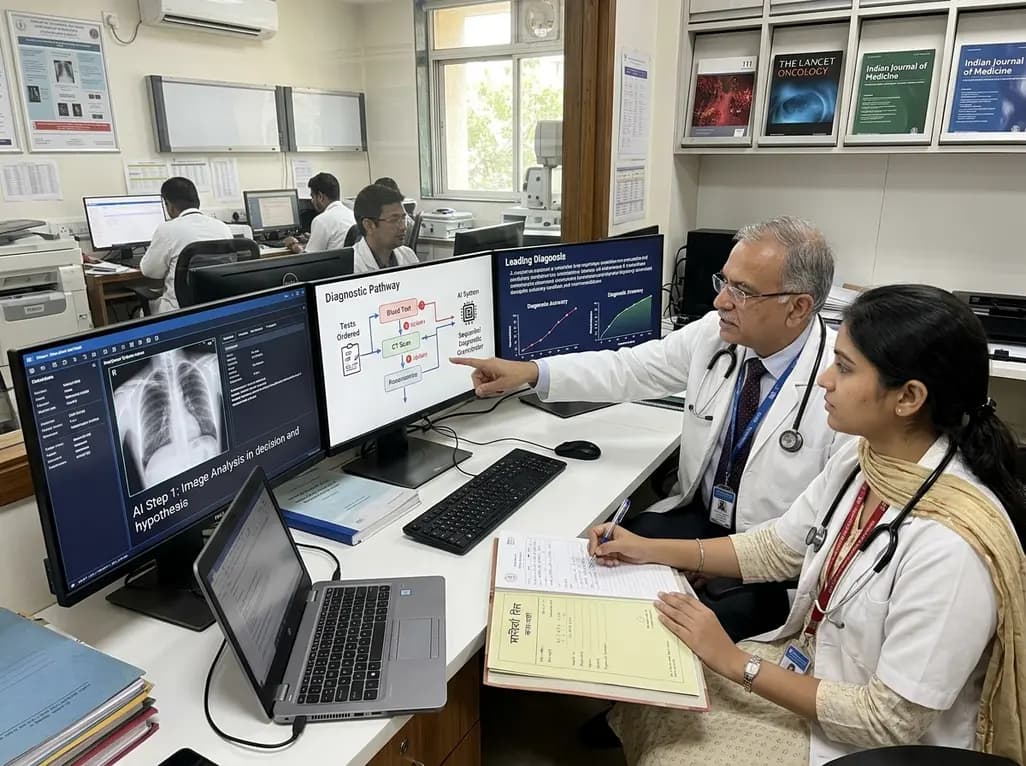
A breakthrough peer-reviewed study demonstrates that a sequential AI diagnosis system can mirror real-world clinical reasoning. By ordering stepwise tests and updating hypotheses dynamically, this multi-agent orchestrator achieved superior diagnostic accuracy while reducing investigative costs.
Today
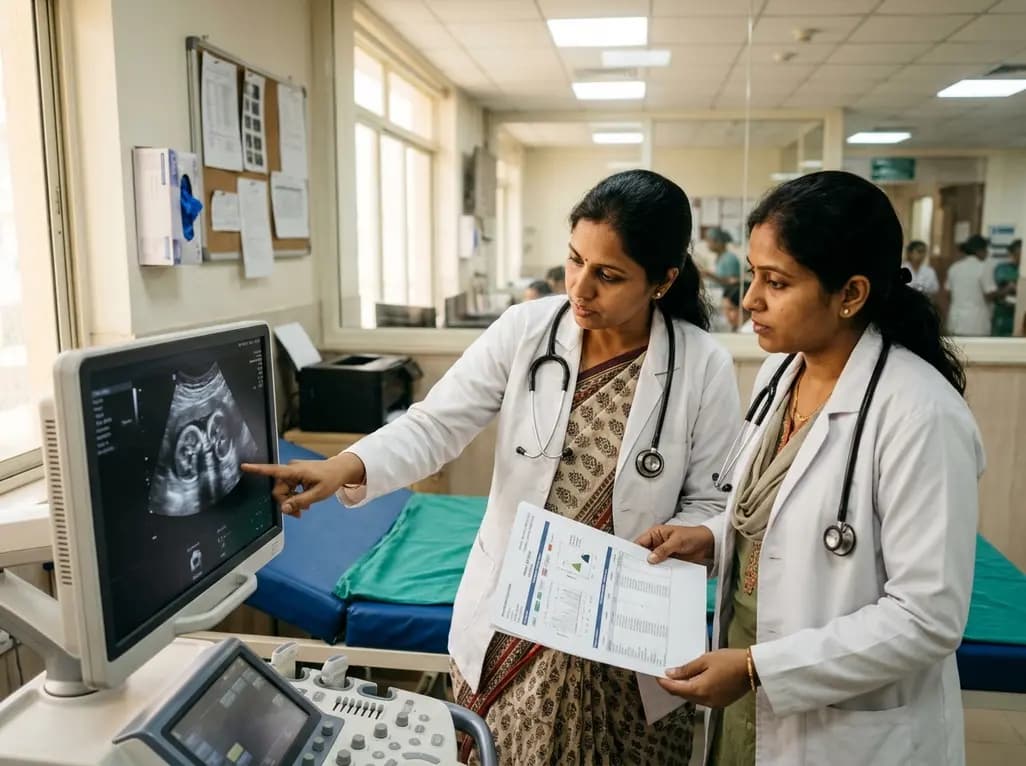
A prenatal case highlights severe glutaric acidemia type II presenting as bilateral hyperechoic cystic kidneys at 18 weeks. Whole-exome sequencing revealed a novel homozygous ETFDH frameshift variant, demonstrating the power of rapid genetic testing in fetal renal anomalies.
Today

Review how tailored exercise programs benefit frail older patients with heart failure. Explore pathophysiological mechanisms, individualized training prescriptions, and strategies to overcome adherence barriers in clinical practice.
Yesterday
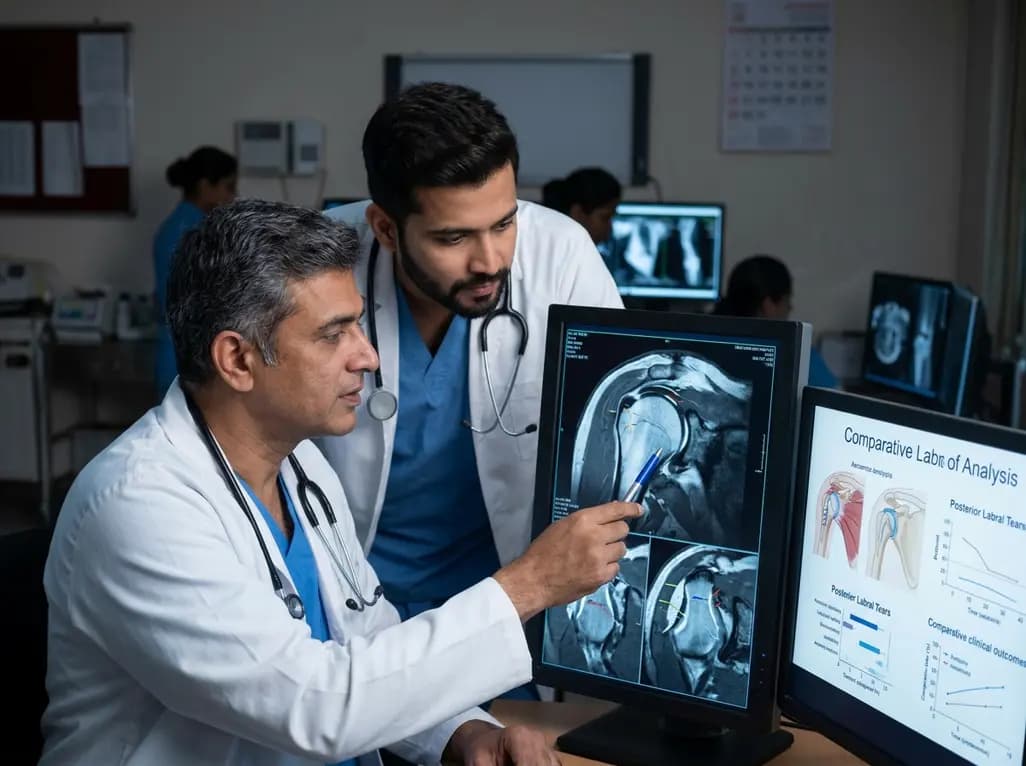
This comparative study evaluates posterior labral tears with and without glenohumeral instability, highlighting distinct demographic patterns, MRI underestimation in stable shoulders, and successful arthroscopic repair outcomes.
Yesterday

A clinical study demonstrates that early intervention with tocilizumab, either as monotherapy or bridged with corticosteroids, achieves significant proptosis reduction and resolves active inflammation in treatment-naive thyroid eye disease.
Yesterday
