.webp&w=384&q=75)

Loading, please wait...
Loading, please wait...
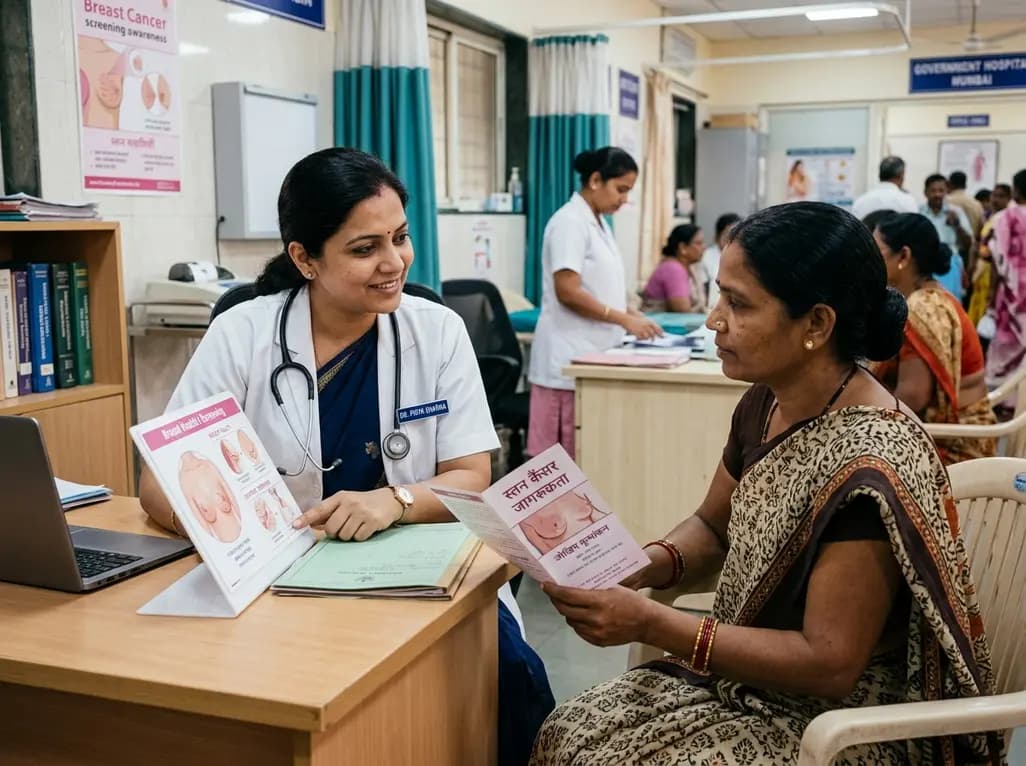
Breast cancer remains the most frequently diagnosed malignancy among women worldwide, yet persistent health disparities continue to compromise early detection outcomes in marginalized populations. Implementing a personalized breast cancer risk assessment for women aged 30 to 49 represents a critical paradigm shift in preventive oncology. Historically, organized screening programs focus primarily on individuals aged 50 and older. Consequently, younger women with heightened genetic or familial susceptibility frequently miss essential opportunities for early risk-reducing medication, tailored surveillance, and lifestyle counseling. A recent qualitative study explored the perspectives of women across six historically under-served communities regarding proactive risk identification. Encouragingly, participants expressed widespread enthusiasm for early risk stratification programs. Nevertheless, they also highlighted significant logistical, cultural, and psychological barriers that healthcare systems must proactively address to achieve health equity.
Modern clinical oncology increasingly prioritizes personalized prevention over generalized age-based screening thresholds. Validated mathematical models now evaluate an individual's risk by synthesizing family history, reproductive milestones, breast density, and genetic markers. Identifying elevated oncologic susceptibility between the ages of 30 and 49 allows clinicians to deliver targeted risk-reducing interventions. For instance, high-risk individuals can access preventive pharmacotherapy, including selective estrogen receptor modulators or aromatase inhibitors, which significantly lower invasive cancer incidence. Furthermore, these patients qualify for intensified surveillance using contrast-enhanced breast magnetic resonance imaging and digital tomosynthesis. However, conventional healthcare delivery models rarely engage socially vulnerable demographics effectively. Women living in low-income neighborhoods, minoritized ethnic groups, and neurodivergent individuals face structural inequalities that delay timely oncologic evaluation. Therefore, assessing the acceptability of preventive services among under-served populations is essential. Healthcare systems must actively design proactive screening pathways that ensure equitable access for every patient demographic.
The qualitative investigation captured insights from 52 women across six distinct under-served communities: South Asian Muslim women, Black women, Roma women, socio-economically disadvantaged individuals, women with autism or learning disabilities, and women managing chronic mood disorders. Interestingly, all participant groups demonstrated high acceptance and enthusiasm for early risk stratification. Most women viewed risk estimation as an empowering health resource that enables informed autonomy. However, each unique group highlighted specific systemic hurdles that complicate routine medical engagement. For example, neurodivergent women reported frequent communication barriers and sensory overload during clinical encounters. Similarly, individuals with pre-existing psychiatric conditions expressed valid concerns about procedural distress and diagnostic anxiety. In addition, economically disadvantaged participants emphasized that inflexible working hours, transportation costs, and childcare obligations frequently impede clinic attendance. Consequently, healthcare providers must deliver risk evaluation protocols through flexible, patient-centered avenues that accommodate diverse cognitive, functional, and social realities.
A prominent finding of the study involved cultural norms surrounding cancer discussion and pedigree documentation. Specifically, ethnic minority participants, including South Asian and Roma women, explained that malignant disease often carries severe social stigma. Within some communities, cancer diagnoses remain deeply guarded family secrets due to fear of fatalism or social ostracism. Consequently, younger relatives rarely learn about their maternal or paternal cancer histories. This communication void significantly undermines the accuracy of conventional family history questionnaires in clinical practice. When clinicians prompt young women for detailed multi-generational pedigrees, many patients simply cannot provide comprehensive details. Moreover, fear of community judgment can deter young women from participating in genetic screening initiatives altogether. To overcome these deep-seated cultural taboos, health institutions must partner with respected community leaders and local grassroots organizations. Furthermore, employing female healthcare providers and delivering culturally resonant educational resources can normalize discussions about familial risk.
Receiving intermediate or high-risk oncologic estimates inevitably provokes emotional vulnerability and psychological distress. Study participants voiced legitimate concerns regarding the emotional toll of risk score disclosures. Women with pre-existing anxiety and depression expressed anxiety about worsening their baseline mental health without proper psychological support. Therefore, clinicians must deliver risk communications using non-alarmist, compassionate, and straightforward language. Clinicians should always present numerical risk scores alongside concrete, actionable management options to restore patient agency. In addition, healthcare organizations must embed rapid-access psychological support directly within the screening pathway. Patients should readily access specialized cancer genetic counselors and dedicated oncology nurse navigators immediately after receiving their risk profiles. Transparent data security also plays a paramount role in fostering patient trust. Assuring women that their confidential genetic and biometric data will remain secure encourages higher participation among historically marginalized communities.
Achieving widespread uptake requires transitioning risk assessment delivery into accessible, community-grounded settings. Participants strongly preferred completing risk assessments within trusted local general practices rather than unfamiliar tertiary cancer hospitals. In addition, local accessibility reduces travel expenses and minimizes logistical friction for socio-economically disadvantaged families. Furthermore, women consistently requested female healthcare practitioners for consultations involving sensitive reproductive topics and physical examinations. Digital health tools offer convenient self-assessment surveys, but health systems must avoid digital exclusion. Consequently, clinics must provide translated print materials, interpreter support, and simplified Easy Read formats for neurodivergent individuals. Community awareness campaigns and educational pop-up events at neighborhood centers can effectively demystify preventive oncology. By embedding systematic risk assessment into routine primary care consultations, clinicians can successfully bridge long-standing healthcare divides and foster lasting patient trust.
These findings provide clear guidance for primary care physicians, gynecologists, and oncologists seeking to optimize preventive care pathways. Healthcare teams should actively initiate risk assessment conversations with younger adult women during routine primary care consultations. Routine checks offer an ideal opportunity to review family histories, discuss modifiable lifestyle risks, and recommend personalized screening timelines. In addition, medical organizations must invest in comprehensive cultural sensitivity and neurodiversity-affirming training for clinical staff. Establishing streamlined referral networks between primary care practices and specialized high-risk breast clinics ensures prompt delivery of risk-reducing medications and supplemental imaging. Ultimately, closing disparities in cancer outcomes requires proactive, empathetic, and culturally responsive clinical systems that empower all patients equally.
Assessing risk early identifies women with elevated lifetime susceptibility to breast cancer before routine screening begins. This early stratification allows clinicians to offer targeted interventions, including chemoprevention, lifestyle modifications, and supplemental screening with breast magnetic resonance imaging, substantially improving early detection rates and long-term survival outcomes.
Clinicians can overcome cultural taboos by engaging with local community advocates, utilizing culturally tailored educational materials, and employing female healthcare workers. Creating safe, confidential clinical environments helps normalize conversations regarding family medical histories and reduces social stigma associated with hereditary oncologic disease.
Providers should deliver risk results using clear, compassionate, non-alarmist communication paired with actionable preventive options. Integrating access to dedicated nurse navigators, professional genetic counselors, and psychological support services directly within the clinical pathway ensures patients feel empowered, supported, and well-informed throughout the management journey.
Disclaimer: This content is for informational and educational purposes only. It does not constitute medical advice, diagnosis, or treatment. Healthcare professionals should exercise independent clinical judgment. Refer to the latest local and national guidelines for clinical practice.
References

Read summarized clinical updates, watch expert medical content, and earn CME certifications right from your smartphone.
Open your smartphone camera to scan and install.





A qualitative study in PLoS One reveals that under-served women aged 30–49 find breast cancer risk assessment acceptable, provided services offer local delivery, female clinicians, clear communication, and culturally tailored support to overcome taboos and disparities.
last month
Discover how to identify superimposed entrapment neuropathy in diabetic patients. This review details clinical evaluation, surgical decompression evidence, and a structured algorithm for primary care referrals to prevent ulcers and preserve limb function.
Today

A retrospective cohort study evaluated 1,000 low-risk singleton births to assess maternal and neonatal outcomes during office-hours versus off-hours. Off-hours deliveries were significantly associated with higher odds of intrapartum cesarean sections and episiotomies, highlighting critical obstetric staffing considerations.
Today
New clinical evidence demonstrates a shift away from strict exercise restrictions in genetic heart disease. While patients with channelopathies engage in more vigorous activity than those with cardiomyopathies, shared decision-making and individualized risk assessments ensure safe, beneficial exercise participation.
Today

Researchers have engineered an artificial sensory-pain integrated receptor using a multi-threshold organic synaptic transistor. The system distinguishes benign touch from noxious stimuli, enabling safer, more responsive prosthetic limbs with built-in memory and simplified hardware architecture.
Today
Medical robotics is transitioning beyond operative suites into diagnostics, cardiology, and endocrinology. Explore how innovations in tele-robotics, AI integration, and nanomedicine are overcoming geographical barriers and transforming precision healthcare delivery across India's evolving disease landscape.
Today
