

Loading, please wait...
Loading, please wait...
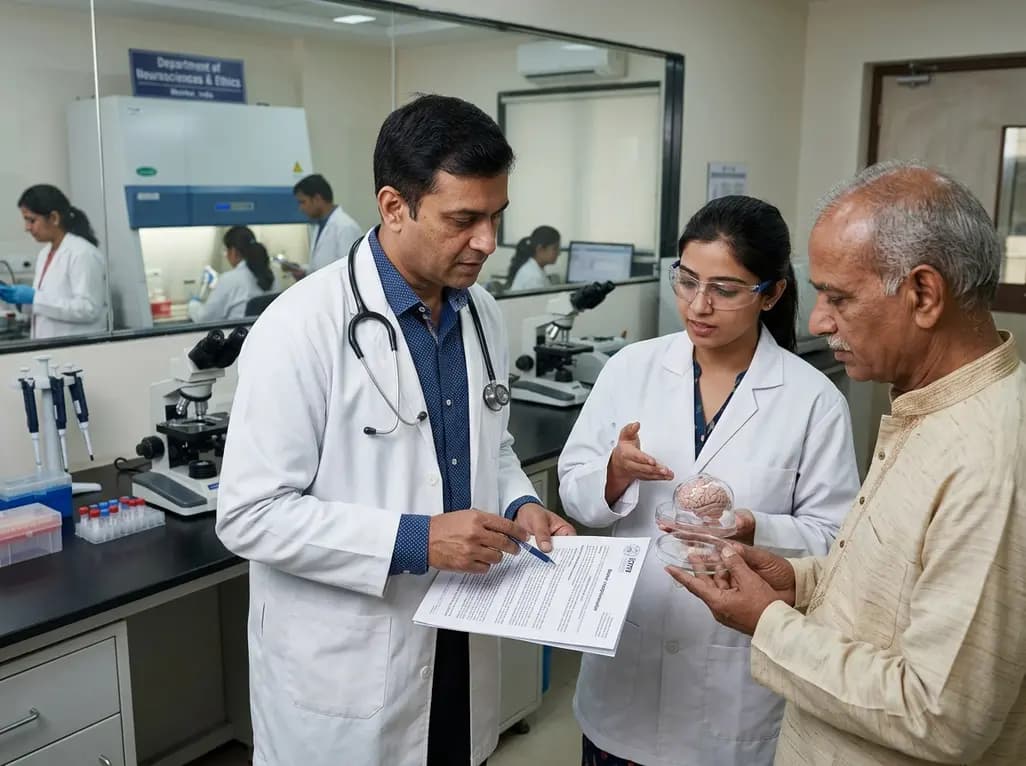
Modern neuroscience is experiencing rapid progress through cellular reprogramming and three-dimensional tissue modeling. However, the expansion of brain organoid research creates complex ethical questions surrounding donor comprehension and biological stewardship. When individuals donate somatic cells to generate induced pluripotent stem cells (iPSCs), they rarely anticipate the creation of miniature cerebral tissue models. Consequently, obtaining meaningful consent remains difficult for clinical investigators worldwide. A recent evaluation of twenty institutional review board-approved informed consent documents highlighted significant communication gaps between scientific teams and prospective donors. Although most protocols addressed generic biospecimen safety, they consistently failed to explain neural organoid specifications and long-term scientific trajectories. Therefore, clinicians and research scientists must re-evaluate their communication standards to protect patient autonomy.
Researchers utilize induced pluripotent stem cells to generate cerebral organoids that recapitulate early human neurodevelopment. Consequently, these micro-tissues allow investigators to study intricate neurogenetic disorders, pharmacodynamics, and neurodegenerative pathways without invasive brain biopsies. However, donors frequently misunderstand the physiological distinction between flat cellular monolayers and self-organizing three-dimensional neural tissue. Many individuals provide blood or dermal samples believing that their specimens serve basic genetic mapping. Instead, researchers may expand their cells into self-patterning organoids that produce functional synapses and neural oscillations. Furthermore, donor perceptions often involve unrealistic expectations regarding direct personal therapeutic benefit. Clinicians must explain that these organoid platforms primarily serve pre-clinical exploratory science rather than immediate patient treatments. Because biological materials can proliferate indefinitely, donors also need clarity regarding perpetual cell culture and long-term biological storage. Thus, transparent communication must begin during the initial clinical encounter before any tissue harvesting occurs.
A recent cross-sectional content analysis examined twenty active consent documents across prominent biomedical research registries. Interestingly, the investigation discovered that most documents satisfactorily detailed standard biobanking clauses. For instance, protocols reliably outlined sample de-identification, storage repositories, and commercial potential. However, the descriptions of current and secondary research applications demonstrated striking vagueness. Most forms only mentioned broad stem cell biology without specifying neural tissue generation or electrophysiological modeling. In addition, consent templates rarely discussed the potential longevity of derived cell lines. Donors were therefore unable to gauge whether their tissues might undergo genetic modification or cross-species chimeric integration. Furthermore, investigators rarely clarified data-sharing practices associated with genomic sequencing. When consent materials omit specific technical trajectories, they undermine the ethical foundation of informed voluntariness. Consequently, ethicists urge research teams to articulate explicit procedural boundaries within all study documents.
Effective informed consent relies entirely on donor comprehension, yet textual readability remains a widespread hurdle. The study revealed that current documentation targets reading comprehension levels far beyond those of the general population. Specifically, most institutional forms scored at postgraduate or collegiate reading metrics due to dense neuroscientific nomenclature. Consequently, lay participants struggle to grasp specialized terminology such as pluripotency, epigenetics, and neural differentiation. This disparity disproportionately affects patients from underprivileged socio-demographic backgrounds who may feel intimidated by academic legal jargon. Furthermore, donors frequently sign lengthy documents without fully processing the underlying ethical implications. To overcome this barrier, research institutions must rewrite their consent forms in plain language with intuitive visual aids. Investigators can also incorporate interactive digital modules that explain cellular reprogramming in accessible modules. Ultimately, improving readability ensures that participant consent represents authentic understanding rather than passive acquiescence.
In India, biomedical stem cell applications operate under strict governance established by national regulatory authorities. The Indian Council of Medical Research (ICMR) and the Department of Biotechnology (DBT) delineate unambiguous standards in the National Guidelines for Stem Cell Research. Accordingly, investigators must register clinical studies with the National Apex Committee for Stem Cell Research and obtain institutional clearance. Furthermore, Indian regulations mandate tiered consent mechanisms when handling human somatic cells for prospective biobanking. Under ICMR guidelines, researchers must explicitly disclose potential commercialization, intellectual property rights, and third-party data distribution. Moreover, investigators cannot promise speculative clinical cures to vulnerable patient cohorts when obtaining tissue for basic neuroscience. Clinicians participating in international collaborations must also ensure cross-border compliance regarding material transfer agreements. Therefore, Indian medical institutions must align their local consent forms with both domestic statutory obligations and emerging global bioethical standards.
Healthcare professionals and clinical investigators can implement practical workflows to improve consent fidelity. First, research teams should adopt dynamic consent platforms that allow participants to revisit their preferences over time. Through digital portals, donors can track how researchers deploy their biological samples in ongoing neural studies. Second, clinicians must incorporate structured teach-back techniques during consent discussions to assess genuine understanding. For example, asking donors to summarize the fate of their cellular specimens immediately exposes dangerous misconceptions. Additionally, bioethicists recommend providing tiered consent choices regarding specific experimental directions, including brain organoid generation and xenotransplantation. Investigators must also describe intellectual property disclosures clearly, confirming whether participants retain commercial royalties. Finally, institutional review boards must routinely audit informed consent documents using standardized readability software before granting clinical trial approval. By adopting these measures, academic medical centers can preserve donor trust while accelerating transformative neuroscientific discovery.
Informed consent documents must clearly specify whether somatic cells will generate self-organizing three-dimensional neural tissue. Furthermore, investigators should explain the intended scientific objectives, including disease modeling, drug testing, and prolonged biobanking. Consent templates must disclose intellectual property rights, potential commercialization, and genomic sequencing data-sharing protocols. Finally, researchers must outline whether derived organoids will undergo genetic modification or transplantation into animal models to ensure complete donor awareness.
The ICMR National Guidelines for Stem Cell Research classify basic in vitro stem cell work under specific oversight mechanisms. Accordingly, research teams must secure approvals from Institutional Committees for Stem Cell Research and Institutional Ethics Committees. The regulations mandate explicit, voluntary consent without coercive financial incentives. Furthermore, investigators must disclose future commercial applications and specify biological repository duration to safeguard donor autonomy and maintain robust bioethical compliance across India.
High reading difficulty impairs health literacy and prevents prospective participants from fully understanding complex experimental protocols. When documents feature excessive academic legal terminology, donors frequently sign consent agreements without comprehending how scientists will use their cells. Consequently, this barrier invalidates the ethical principle of informed voluntariness. Institutions must simplify language and adopt visual educational tools so that donors from diverse educational backgrounds can make genuinely informed decisions.
Disclaimer: This content is for informational and educational purposes only and does not substitute professional medical advice, diagnosis, or treatment. It is intended to support healthcare professionals in clinical decision-making. Refer to the latest local and national guidelines for clinical practice.
References

Read summarized clinical updates, watch expert medical content, and earn CME certifications right from your smartphone.
Open your smartphone camera to scan and install.





A recent analysis of informed consent documents for brain organoid research highlights significant gaps in donor comprehension, technical readability, and future use descriptions. We examine these findings and discuss clinical and ethical implications under Indian Council of Medical Research (ICMR) guidelines.
Today
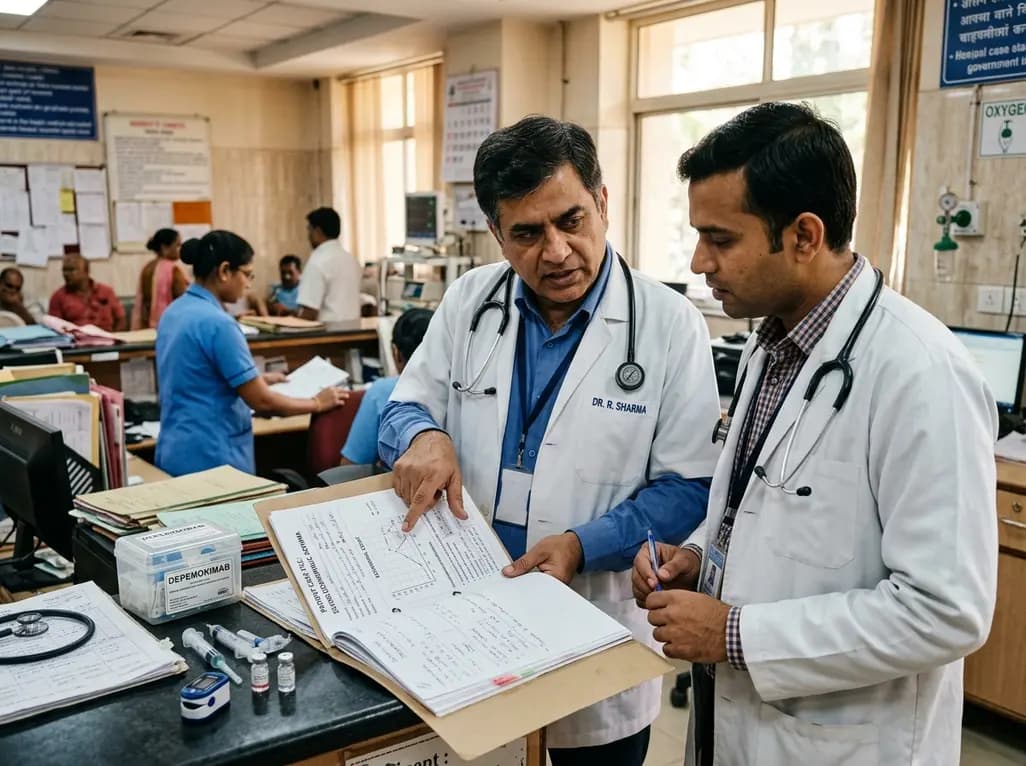
Depemokimab offers twice-yearly dosing for severe eosinophilic asthma and chronic rhinosinusitis with nasal polyps, significantly cutting exacerbations and hospital admissions.
Today
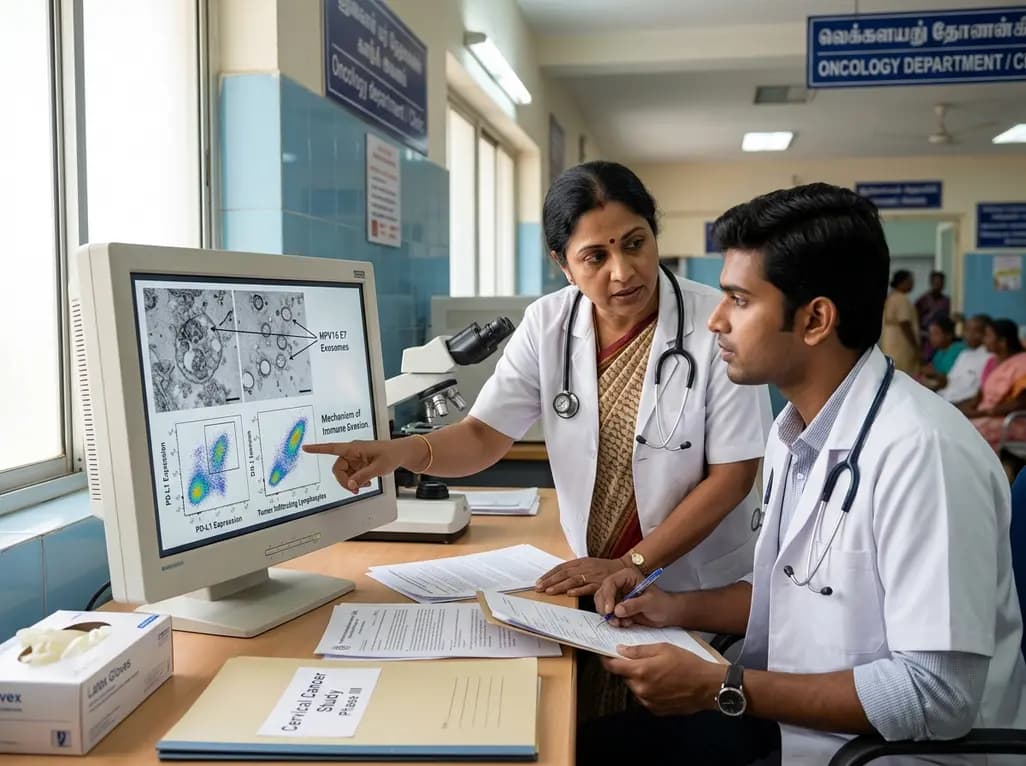
New research reveals that HPV16 E7 exosomes significantly upregulate PD-L1 on tumor-infiltrating lymphocytes in cervical cancer, driving local immune suppression and correlating with poorer patient survival. These findings expose key mechanisms of immune evasion with direct relevance to checkpoint blockade therapies.
Today

Partial heart transplantation offers living, growth-capable cardiac valve replacements for children. While orthotopic heart transplantation faces severe logistical barriers in low-resource settings, partial transplantation presents lower graft ischemia sensitivity and simplified immunosuppression protocols.
Today

A comparative pilot study reveals that wearable smart compression sleeves provide continuous, objective kinematic data, matching video-based RULA scores in automotive assembly lines. This innovation enables clinicians and ergonomists to identify repetitive strain risks early and prevent occupational injuries.
Today
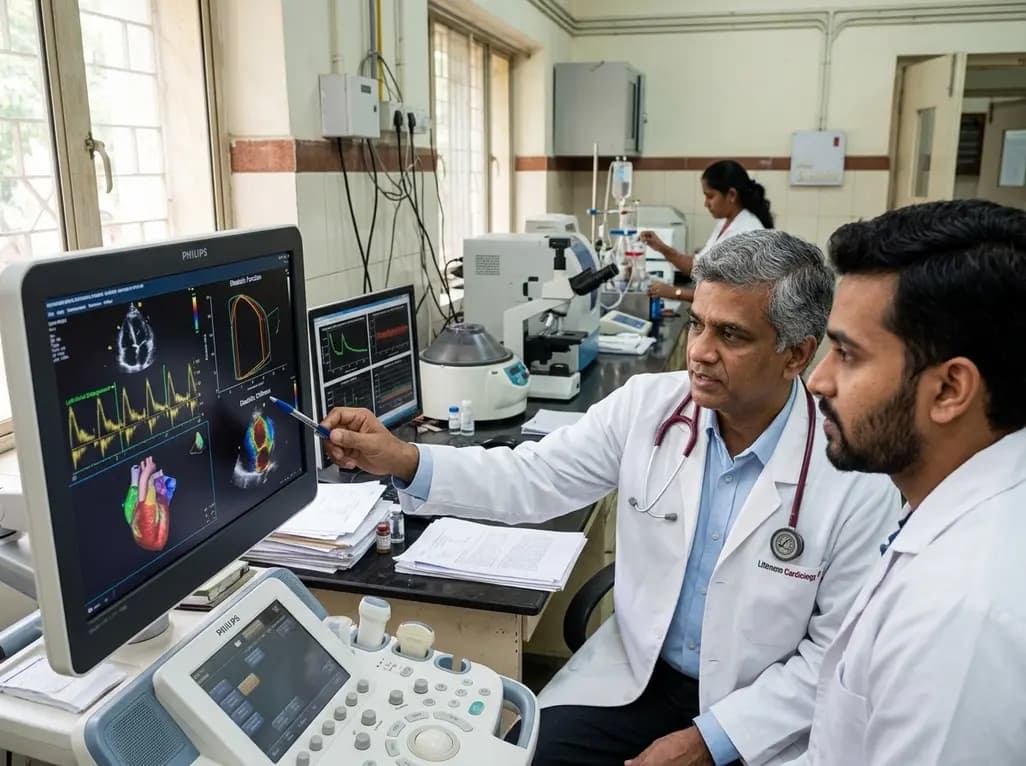
A study evaluates a cardiometabolic HFpEF model combining metabolic stress with chronic mineralocorticoid excess. The findings reveal profound diastolic stiffness, endothelial dysfunction, and pulmonary hypertension, illuminating key pathophysiological mechanisms for targeted cardiopulmonary therapies.
Today
