

Loading, please wait...
Loading, please wait...
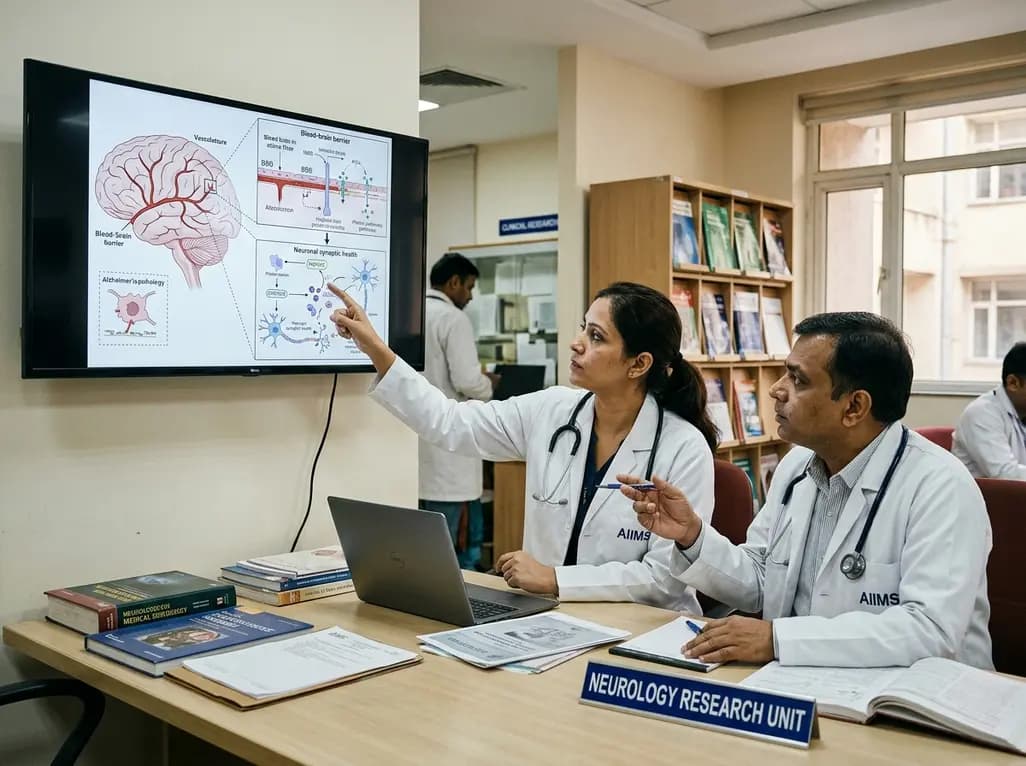
For decades, clinicians viewed the central nervous system border as an impenetrable vascular wall that shielded brain tissue from circulating pathogens. However, groundbreaking discoveries in blood-brain barrier transport show this interface operates as an active, highly selective molecular filter. Researchers have demonstrated that peripheral organs communicate directly with the brain by delivering vital regulatory macromolecules. Consequently, this shift from an exclusionary shield to an intelligent conduit challenges long-held medical doctrines. Furthermore, this dynamic exchange illuminates entirely unexpected therapeutic pathways for progressive neurodegenerative diseases.
For more than a century, neuroscientists conceptualized the vascular lining of the central nervous system as a static seal. This traditional model emphasized endothelial tight junctions that prevent circulating toxins, peripheral leukocytes, and foreign pathogens from infiltrating cerebral tissue. However, novel preclinical investigations led by the Gladstone Institutes demonstrate that this barrier functions as an intelligent metabolic clearinghouse. Rather than remaining passive, specialized receptors actively scan the peripheral bloodstream to identify indispensable proteins. The cellular interface plucks specific molecules out of systemic circulation with remarkable fidelity. Furthermore, it shepherds these vital compounds directly across the endothelium into the parenchymal space. As a result, this process reveals a continuous physiological dialogue between peripheral organs and distinct brain structures. Investigators established that cerebral health depends heavily upon this molecular lifeline extending from distant anatomical tissues. When researchers mapped these vascular dynamics, they observed that transport mechanisms operate under strict spatial and temporal regulation. Consequently, any interruption within this delicate sorting machinery can deprive delicate neurons of critical trophic signals. This profound paradigm shift redefines cerebrovascular physiology from simple mechanical containment into dynamic metabolic orchestration. Therefore, neurovascular specialists must now reconsider how systemic organ health directly governs central neurological vitality. Specifically, preserving vascular filtration efficiency may represent an indispensable pillar for sustaining lifelong neurocognitive performance in aging populations.
To characterize this complex sorting machinery, investigators deployed advanced chemical biology tools in murine models. Specifically, they utilized precise protein-labeling chemistry to tag 861 distinct circulating plasma proteins. The team subsequently re-introduced these labeled markers into systemic circulation to track their destination across the cerebrovasculature. Remarkably, detailed brain tissue analyses revealed that exactly 92 proteins crossed the threshold intact. This finding proves that blood-brain barrier transport relies on selective biological gatekeeping rather than non-specific leakage. In addition, transported molecules did not diffuse randomly throughout the parenchyma after entering neural territory. Instead, specific proteins homed directly to designated cell populations with cellular precision. Astrocytes, microglia, and distinct neuronal subsets received specific molecular cargos tailored to their distinct physiological requirements. Moreover, genomic analyses confirmed that most of these transported macromolecules originated within distant visceral structures, particularly the liver. Thus, the vascular border acts as an intelligent routing station that directs organ-specific chemical messengers. Consequently, researchers now possess the first comprehensive atlas charting systemic protein delivery into the mammalian central nervous system. This molecular blueprint provides unprecedented opportunities to design targeted neuropharmaceutical shuttles for previously intractable cognitive conditions. Furthermore, understanding these specific receptor interactions enables bioengineers to synthesize molecular mimics capable of crossing intact cerebral microvessels with extraordinary accuracy.
Among the identified plasma proteins, hepatic apolipoprotein A1 emerged as an indispensable regulator of neural connectivity. The liver synthesizes this key macromolecule before releasing it into systemic circulation for vascular distribution. Subsequently, apolipoprotein A1 crosses the cerebral endothelial barrier via scavenger receptor pathways to reach parenchymal astrocytes. Once inside, it interacts with astrocytic ATP-binding cassette transporters to mediate local lipid homeostasis and cholesterol clearance. As a consequence, this metabolic cooperation preserves dendritic spine stability and reinforces structural connections between vulnerable neurons. However, when researchers examined murine models of dementia, they noted an alarming breakdown in this supply line. In early-stage disease, the cerebrovascular endothelium selectively halted the inward transport of apolipoprotein A1. Crucially, this transport failure preceded any overt mechanical leakage or physical degradation of the vascular seal. Deprived of hepatic apolipoprotein A1, experimental models exhibited rapid erosion of synaptic bridges, profound neuroinflammation, and measurable behavioral deficits. Conversely, genetically upregulating hepatic production restored cerebral protein levels and halted neurodegenerative changes. Therefore, peripheral lipid carriers maintain cognitive function by preserving vital synaptic junctions through constant systemic replenishment. Consequently, restoring systemic lipid carrier levels offers a rational mechanistic strategy to prevent early cognitive decline before permanent neuronal death ensues.
These remarkable observations support an unconventional hypothesis regarding the primary origins of chronic neurodegeneration. For decades, prevailing theories held that Alzheimer's pathology originates exclusively within the cerebrum due to toxic amyloid accumulation. In contrast, the novel outside-in model proposes that cognitive decline may begin when peripheral molecular supply chains fail. When endothelial transport systems fail, neurons starve of vital organ-derived factors long before microscopic plaques appear. Furthermore, this mechanistic perspective explains why classic anti-amyloid monoclonal antibodies often achieve only modest clinical benefits in symptomatic patients. If underlying synaptic decay stems from severed systemic supply lines, solely clearing parenchymal debris remains insufficient for recovery. Consequently, clinical investigators must explore whether systemic interventions can rescue cerebral health before irreversible structural loss occurs. Sustaining hepatic synthesis or engineering peripheral carrier molecules could potentially fortify neural resilience against metabolic stress. Moreover, this perspective bridges internal medicine and neurology by linking systemic metabolic fitness directly to dementia risk. Therefore, clinicians must view neurodegenerative conditions through a systemic lens rather than treating the brain in complete physiological isolation. Accordingly, future dementia screening panels might evaluate circulating metabolic biomarkers to detect impending neurovascular failure prior to symptomatic clinical presentation.
This newfound mechanistic knowledge creates extraordinary opportunities for next-generation neurological drug development. Currently, central nervous system pharmacotherapy encounters immense hurdles because dense endothelial walls exclude over ninety-eight percent of therapeutics. However, scientists can now harness these newly mapped natural transport receptors to ferry complex biotherapeutics across the barrier. By conjugating therapeutic payloads to recognized ligands, researchers can design trojan-horse delivery vectors that penetrate cerebral parenchyma. Furthermore, treating neurodegenerative pathology from outside the brain circumvents invasive neurosurgical administration and avoids serious parenchymal adverse reactions. Clinicians could theoretically administer systemic infusions that bolster protective circulating proteins to rescue starving cerebral circuits. In parallel, regenerative medicine is expanding peripheral strategies to resolve refractory diabetic microvascular complications. Recent human trials demonstrate that allogeneic placental stem cells effectively heal chronic diabetic foot ulcers and restore peripheral sensation. Additionally, pediatric cohorts confirm that in utero environmental exposures significantly elevate subsequent pulmonary morbidity. Together, these interdisciplinary findings highlight how peripheral physiology, vascular integrity, and environmental factors govern human organ resilience. Consequently, harnessing systemic biology will fundamentally transform future treatment algorithms across neurological, endocrine, and pulmonary specialties. Ultimately, integrating systemic molecular delivery with advanced regenerative therapies will inaugurate a sophisticated era of collaborative interdisciplinary medicine.
Q1: How does the new blood-brain barrier transport model differ from traditional neurovascular concepts?
Historically, neuroscientists viewed the blood-brain barrier solely as a rigid mechanical shield that excluded toxic circulatory molecules. However, the new discovery proves this vascular border operates as an active, highly selective biological filter. By selectively importing 92 distinct protective proteins, the barrier shuttles essential systemic macromolecules directly to designated neural cells. Consequently, this dynamic transport network maintains synaptic connectivity and cellular metabolism rather than serving merely as a passive anatomical barrier.
Q2: What specific role does hepatic apolipoprotein A1 play in preventing cognitive decline?
Apolipoprotein A1 originates primarily in the liver and travels through the peripheral circulation toward cerebral capillaries. Once transported across the endothelial barrier, it interacts with astrocytic lipid clearance pathways to facilitate cholesterol homeostasis. Furthermore, this physiological process supports structural integrity across neuronal synapses. In experimental Alzheimer's models, failure of this import pathway triggers synaptic degradation and cognitive dysfunction, whereas elevating circulating levels restores neuronal connectivity and mitigates neurodegenerative symptoms.
Q3: How might this discovery influence future therapeutic development for Alzheimer's disease?
This discovery provides a transformative blueprint for developing outside-in therapies that treat dementia through peripheral interventions. Rather than attempting direct intracerebral delivery, clinicians may soon administer systemic therapies that restore depleted plasma proteins. In addition, bioengineers can leverage these newly identified transport receptors to construct next-generation shuttles that safely deliver potent pharmaceuticals past the blood-brain barrier. Consequently, this systemic approach offers less invasive, highly targeted treatment paradigms for progressive neurodegeneration.
Disclaimer: This content is for informational and educational purposes only. It does not constitute medical advice or replace professional judgment. Refer to the latest local and national guidelines for clinical practice.
References

Read summarized clinical updates, watch expert medical content, and earn CME certifications right from your smartphone.
Open your smartphone camera to scan and install.





Groundbreaking research from the Gladstone Institutes demonstrates that the blood-brain barrier functions as an active molecular filter rather than a static wall. By identifying systemic proteins like APOA1 that preserve neuronal synapses, investigators unveil promising outside-in therapeutic targets for dementia.
Today

A landmark study reveals that lipid-rich malignant ascites alters the T-cell metabolic transcriptome, causing cholesterol efflux and impaired fatty acid oxidation. This suppresses TCR signalling and blocks BiTE immunotherapy, while lipid depletion restores antitumour cytotoxicity in ovarian cancer.
Today

Novel clinical evidence demonstrates the feasibility of combining VA-ECMO with the NyokAssist self-expanding transvalvular pump for active left ventricular unloading in infarct-related cardiogenic shock, achieving successful stabilization and decannulation.
Today

Recent crash analyses demonstrate significant variations in traffic injury severity across vehicle seating positions. Electric vehicle passengers face disproportionately higher trauma risks than drivers, particularly during airbag deployments, demanding adapted emergency assessment and clinical vigilance.
Today

Understand the causal role of Lipoprotein(a) in cardiovascular disease, why international guidelines recommend once-in-a-lifetime molar testing, and the clinical implications of recent phase 3 RNA outcome trials.
Today
