.webp&w=384&q=75)

Loading, please wait...
Loading, please wait...
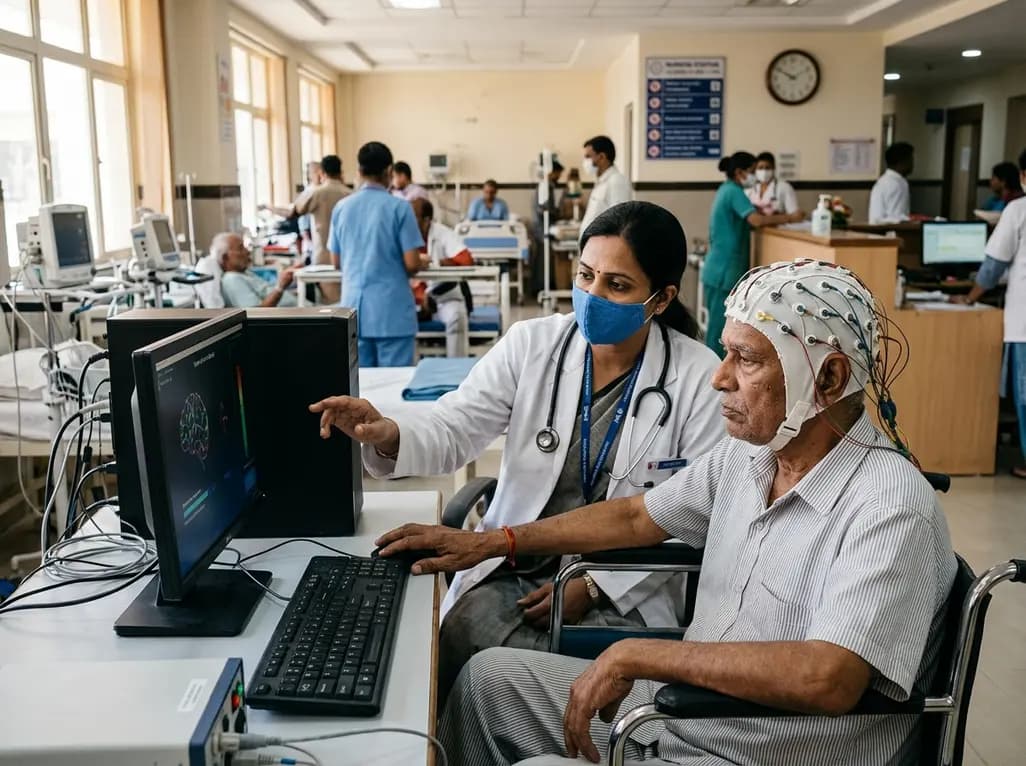
Cognitive impairment represents a major post-stroke complication that hinders recovery and compromises independent living. Consequently, neurorehabilitation specialists continually evaluate targeted interventions to accelerate neural restoration. Recent clinical investigations demonstrate that brain-computer interface training provides an innovative closed-loop modality for restoring lost neurocognitive abilities. By translating real-time neuroelectric signals into targeted visual, auditory, or haptic feedback, these systems directly foster adaptive neuroplasticity. Furthermore, clinicians increasingly recognize that addressing cognitive deficits early during stroke recovery dramatically improves long-term functional prognosis. Therefore, establishing the precise quantitative benefits of neural interface platforms has become a key priority in modern neurological rehabilitation.
Traditional rehabilitation approaches often struggle to maintain active cortical engagement in patients with severe post-stroke neurological deficits. In contrast, electroencephalography-based feedback actively engages frontoparietal networks during task execution. As a result, patients practice sustained mental intent even before overt behavioral performance returns. Moreover, combining closed-loop neurofeedback with conventional therapy provides meaningful synergistic effects. This paradigm shift offers clinicians an objective, non-invasive method to stimulate damaged cerebral pathways. Recent meta-analytic evidence now confirms the robust efficacy of this approach across distinct patient populations.
To establish a definitive evidence base, researchers conducted a comprehensive systematic review and meta-analysis of randomized controlled trials. They methodically searched major global biomedical databases, including PubMed, Embase, Web of Science, the Cochrane Library, and CNKI. Furthermore, investigators analyzed twelve rigorous randomized controlled trials evaluating stroke survivors who received neurofeedback protocols. The primary analytical objective focused on determining standardized mean differences across global cognitive scores, domain-specific measures, and activities of daily living.
Additionally, the researchers conducted detailed subgroup analyses to identify critical moderators of therapeutic efficacy. Specifically, they stratified outcomes according to stroke chronicity, feedback modalities, training paradigms, and standardized psychometric instruments. Because heterogeneity often arises from divergent intervention protocols, this rigorous stratification clarified which patient cohorts benefit most. Importantly, the meta-analysis applied strict quality assessment criteria to ensure that methodological risk of bias remained minimal across the synthesized trials. Consequently, the pooled findings deliver actionable, high-quality clinical guidance for rehabilitation teams.
The pooled statistical synthesis revealed that brain-computer interface training produces significant improvements in global cognitive performance compared to standard therapy alone. Specifically, pooled standardized mean differences demonstrated robust enhancements across validated cognitive batteries, including the Mini-Mental State Examination and the Montreal Cognitive Assessment. Furthermore, domain-specific evaluations showed significant gains in selective attention and processing speed. Because attention forms the fundamental gateway for higher-order learning, strengthening these foundational networks promotes broader cognitive recovery.
Moreover, patients demonstrated noticeable improvements in executive functioning and working memory metrics following completed training regimens. Subgroup analyses indicated that interventions initiated during the subacute phase of stroke yielded particularly substantial cognitive gains. Nevertheless, chronic stroke patients also achieved statistically meaningful improvements, confirming persistent neuroplastic potential late in recovery. Therefore, neurofeedback interventions successfully engage preserved neural reserves across multiple distinct post-stroke timelines. These objective neurocognitive gains provide strong physiological justification for incorporating digital brain interfaces into mainstream neurorehabilitation protocols.
The therapeutic efficacy of neural interfaces depends heavily on the specific feedback mechanism and system design. For instance, multimodal feedback combining visual and proprioceptive stimuli produced superior cognitive outcomes compared to unimodal displays. Consequently, engaging multiple sensory channels simultaneously enhances sensorimotor integration and strengthens cortico-cortical connections. In addition, immersive virtual reality environments provided enriched interactive contexts that significantly boosted patient motivation and cognitive effort during sessions.
Furthermore, the meta-analysis compared distinct neurological control paradigms, including motor imagery-based systems and visual evoked potential protocols. Notably, motor imagery paradigms elicited robust frontoparietal activation, which directly reinforced executive control networks. Meanwhile, steady-state visually evoked potential paradigms proved highly accessible for patients with severe motor or expressive deficits. Therefore, matching the specific neural interface design to the patient's individual neurological profile optimizes therapeutic response. Clinicians should carefully assess baseline cognitive deficits to select the most appropriate biofeedback parameters.
Beyond isolated psychometric improvements, restoring functional independence in activities of daily living remains the ultimate goal of stroke rehabilitation. Importantly, the meta-analysis demonstrated that cognitive gains achieved through neural interface training translated directly into higher scores on validated functional independence scales, such as the Modified Barthel Index. Consequently, patients exhibited greater competence in performing self-care, personal hygiene, and complex domestic tasks.
Moreover, this functional carryover highlights the critical clinical relationship between cognitive clarity and physical independence. When stroke survivors regain executive control and spatial attention, they navigate their environments safely and execute motor sequences more effectively. As a result, the risk of accidental falls and caregiver burden decreases substantially. Therefore, integrating targeted cognitive biofeedback creates meaningful downstream benefits for general motor rehabilitation and functional autonomy.
These meta-analytic findings provide compelling evidence for stroke care teams to incorporate electrophysiological feedback systems into clinical care pathways. However, successful real-world implementation requires addressing practical considerations, including equipment accessibility, clinical training, and standardized protocol selection. Fortunately, recent advances in dry-sensor electroencephalography headsets and portable computing hardware make clinical deployment increasingly practical. Clinicians can now implement focused biofeedback sessions in rehabilitation centers and outpatient clinics without prohibitive setup times.
Additionally, future clinical investigations should focus on defining optimal session durations, total treatment doses, and long-term retention of cognitive gains. Researchers must also explore home-based telerehabilitation models to expand access for underserved communities. In summary, structured neurofeedback stands as an evidence-based, transformative intervention for post-stroke cognitive impairment. As technology matures, these closed-loop digital systems will likely become indispensable elements of personalized neurological rehabilitation.
Brain-computer interface systems record real-time cortical electrical activity and deliver immediate sensory feedback when patients generate targeted brain states. This closed-loop process stimulates frontoparietal networks, enhances attention, and drives adaptive neuroplastic reorganization in injured brain regions, thereby restoring cognitive processing speed and executive function.
Current clinical evidence indicates that global cognition, sustained attention, and processing speed achieve the most pronounced and consistent gains. Additionally, patients demonstrate meaningful improvements in working memory and executive planning, which collectively facilitate greater functional autonomy in routine daily activities.
Yes, although subacute stroke patients typically exhibit the largest cognitive gains due to heightened spontaneous plasticity, chronic stroke survivors also achieve statistically significant improvements. Closed-loop biofeedback successfully engages dormant neural pathways, confirming that cognitive neuroplasticity remains responsive even years after stroke onset.
Disclaimer: This content is for informational and educational purposes only and does not constitute medical advice. It is not intended to replace clinical judgment, professional medical consultation, diagnosis, or treatment. Always consult qualified healthcare providers with any questions regarding a medical condition and follow institutional protocols. Refer to the latest local and national guidelines for clinical practice.
References

Read summarized clinical updates, watch expert medical content, and earn CME certifications right from your smartphone.
Open your smartphone camera to scan and install.





A systematic review and meta-analysis reveals that brain-computer interface training significantly enhances global cognition, attention, executive function, and activities of daily living in post-stroke patients, offering a potent non-invasive tool for neurorehabilitation.
last month

Pancreatic cancer cachexia affects over 80% of patients, driving severe muscle wasting, systemic inflammation, and treatment intolerance. This review highlights key pathophysiological drivers, exocrine insufficiency, objective CT imaging, and emerging therapies like GDF-15 inhibitors to improve clinical outcomes.
Today

A scoping review reveals how pregnancy affects phonation through laryngeal edema and reduced phonation time rather than major acoustic pitch alterations. Learn how to identify, evaluate, and manage vocal symptoms in expectant mothers.
Today

According to WHO data, average lifespan reached 73.3 years in 2023, recovering from pandemic lows. However, healthy life expectancy lags at 62.8 years due to surging noncommunicable conditions like cardiovascular disease and dementia, demanding proactive primary screening and sustained chronic care.
Today
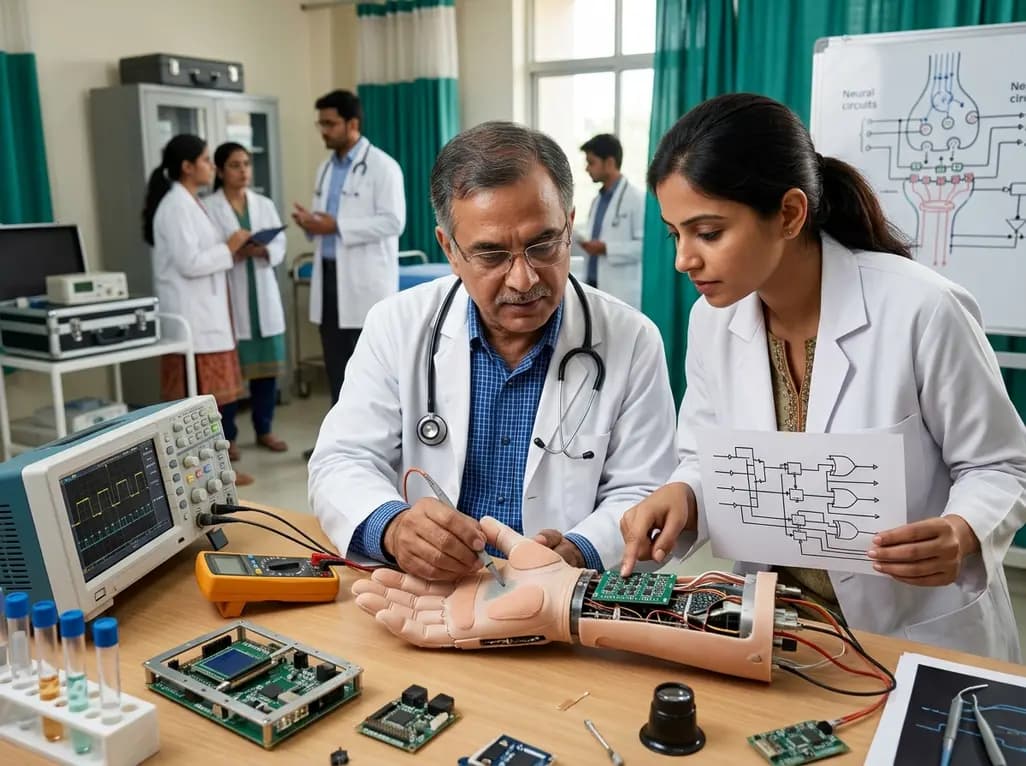
Researchers have engineered an artificial sensory-pain integrated receptor using a multi-threshold organic synaptic transistor. The system distinguishes benign touch from noxious stimuli, enabling safer, more responsive prosthetic limbs with built-in memory and simplified hardware architecture.
Today
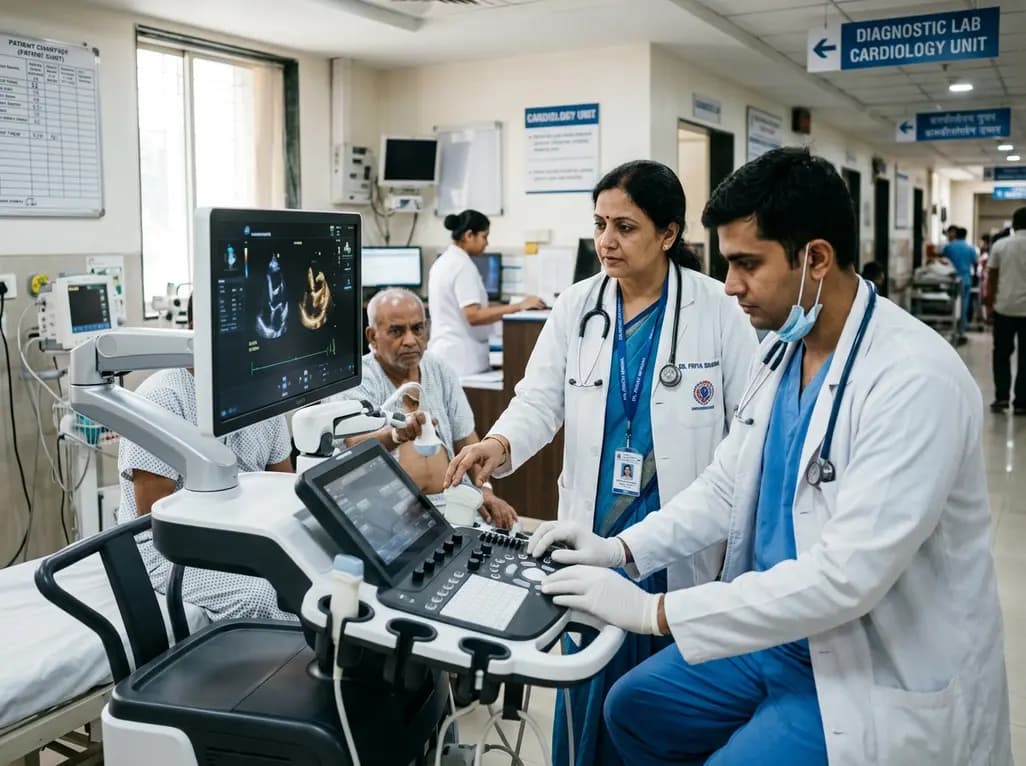
Medical robotics is transitioning beyond operative suites into diagnostics, cardiology, and endocrinology. Explore how innovations in tele-robotics, AI integration, and nanomedicine are overcoming geographical barriers and transforming precision healthcare delivery across India's evolving disease landscape.
Today
