.webp&w=384&q=75)

Loading, please wait...
Loading, please wait...
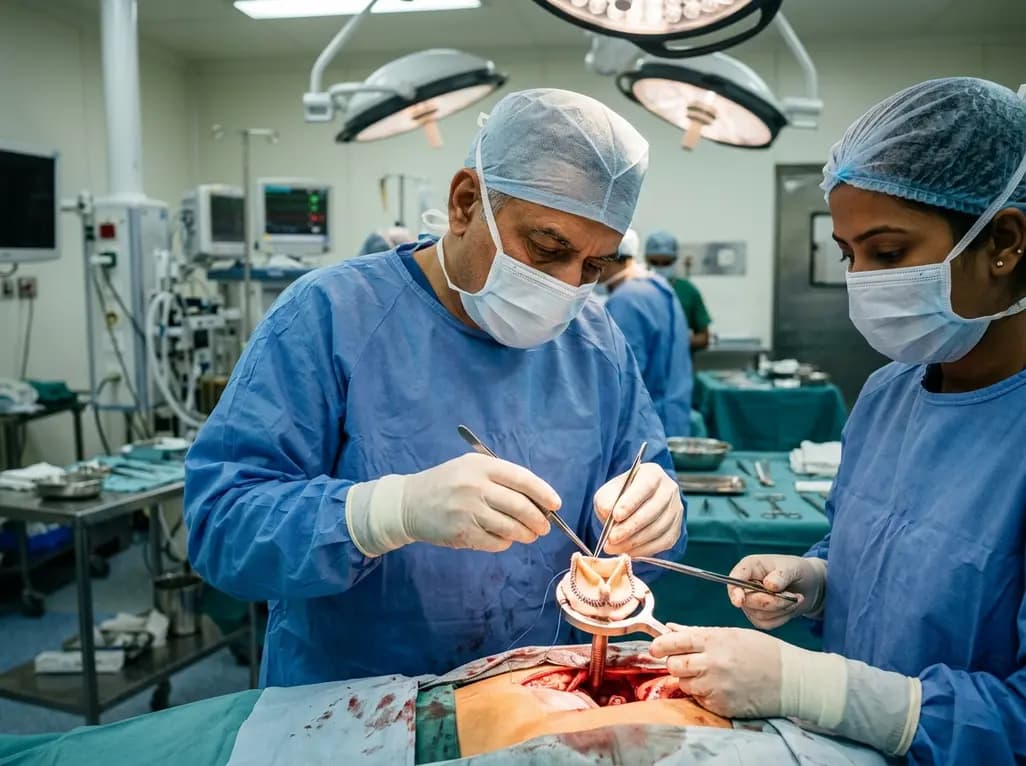
Modern cardiovascular surgery relies heavily on advanced implantable biomaterials to restore normal hemodynamics and extend patient survival. While automation defines much of current medical technology, bioprosthetic heart valves still demand unmatched manual dexterity during assembly. Every individual valve requires meticulous assembly, rigorous quality checks, and human precision under high-magnification microscopy.
The fabrication of tissue-based surgical heart valves demands an exceptional degree of artisanal skill. In modern cleanroom facilities, specialized technicians assemble bovine pericardial tissue leaflets onto precise alloy or polymer frames. Each implant typically requires up to one thousand individual hand-sewn stitches. Furthermore, operators must manipulate delicate biological tissue while maintaining consistent suture tension. Machines cannot readily duplicate the tactile feedback needed to handle wet, glutaraldehyde-treated pericardium without causing structural trauma. Consequently, human hands execute each critical suture to preserve tissue geometry and ensure leaflet coaptation.
Manufacturing teams divide the assembly workflow into modular steps. Specifically, multiple trained technicians handle distinct phases of the construction process. New technicians undergo rigorous training for two to three months before working on clinical implants. In addition, learning an alternative valve model requires another extensive training period. Supervisors continuously monitor operator performance over a six-month learning curve. Therefore, this modular craftsmanship ensures that every suture meets exact regulatory and mechanical tolerances.
Stringent environmental controls protect bioprosthetic heart valves from contamination throughout the assembly process. Technicians operate inside tightly regulated cleanrooms where personal electronic devices and extraneous materials are prohibited. Moreover, staff undergo routine visual acuity and color vision screenings to guarantee acute visual discrimination under high magnification. Because technicians manipulate small structures for hours, ergonomic workstation design remains essential. Shifts alternate between distinct assembly tasks to maintain focus and prevent operator fatigue.
Quality control protocols operate concurrently at every manufacturing station rather than relying solely on post-production testing. If an operator identifies any suture irregularity or structural discrepancy, the line lead immediately reviews the unit. Consequently, the team discards compromised components rather than attempting corrective shortcuts. After completing the sewing steps, the device undergoes hydrodynamic functional evaluations and comprehensive quality assurance inspections. Thus, continuous multi-stage verification guarantees that every bioprosthesis meets stringent hydrodynamic and safety specifications before packaging.
Congenital bicuspid aortic valve represents one of the most common congenital cardiac anomalies in adults. In this condition, the aortic valve develops with two functioning leaflets instead of three normal cusps. Consequently, asymmetrical mechanical stress accelerates leaflet calcification, progressive stenosis, or regurgitation over decades. Many patients remain asymptomatic throughout early adulthood because the left ventricle compensates for increased afterload. However, as the orifice area decreases, patients may develop exertional dyspnea, fatigue, angina, or syncope.
Physicians must maintain a high index of suspicion when evaluating unexplained exertional symptoms in active adults. For instance, sudden presyncope or blackouts during high-intensity exercise warrant immediate cardiovascular investigation rather than attribution to simple dehydration. Clinicians should perform thorough transthoracic echocardiography to assess transvalvular gradients, aortic valve area, and aortic root dimensions. In addition, exercise treadmill testing is strictly contraindicated in severe symptomatic aortic stenosis due to hemodynamic collapse risks. Therefore, prompt diagnostic imaging ensures timely referral for surgical or transcatheter intervention.
When patients require aortic valve replacement, the Heart Team must conduct structured shared decision-making. Clinicians evaluate multiple factors, including patient age, lifestyle, bleeding risk, and personal preferences. Mechanical prostheses offer excellent durability exceeding several decades. However, they require lifelong anticoagulation with vitamin K antagonists, necessitating frequent monitoring and dietary vigilance. For active individuals or sports enthusiasts, anticoagulation poses significant concerns regarding hemorrhagic trauma.
In contrast, bioprosthetic valves do not require long-term systemic anticoagulation, offering patients greater freedom in daily physical activities. Nevertheless, biological tissues face structural valve degeneration over ten to twenty years due to calcification and mechanical fatigue. Younger recipients experience more rapid bioprosthetic degeneration compared to elderly populations. Fortunately, the emergence of valve-in-valve transcatheter aortic valve replacement provides viable reintervention options for future degenerative failure. Thus, informed discussions help patients align valve selection with their personal values and lifestyle priorities.
Following surgical aortic valve replacement, structured cardiac rehabilitation facilitates physical and psychological recovery. Patients often spend initial postoperative days in critical care units under continuous hemodynamic and respiratory monitoring. During early convalescence, clinicians encourage gradual mobilization, deep breathing exercises, and supportive nutritional hydration. Furthermore, emotional reassurance from family members and care teams helps alleviate postoperative anxiety and feelings of helplessness.
Within several months after successful surgery, many patients can safely resume physical exercise and professional coaching under clinical guidance. However, individuals must adopt sustainable exercise regimes that emphasize cardiovascular longevity rather than unmonitored physical strain. Regular long-term follow-up remains vital for all bioprosthetic valve recipients. Specifically, annual clinical evaluations and serial echocardiograms monitor prosthetic hemodynamics, leaflet mobility, and transvalvular gradients. As transcatheter techniques advance, clinicians can effectively plan lifetime management strategies, including staged future catheter-based interventions when degeneration occurs.
Complex cardiothoracic surgical procedures require substantial financial resources and comprehensive healthcare coverage. In developing healthcare markets, total expenses encompass prosthetic device procurement, operating room utilization, intensive care stays, and specialized rehabilitation. Therefore, comprehensive health insurance and supplementary coverage play a pivotal role in shielding families from catastrophic out-of-pocket expenses. Adequate coverage allows patients to access premium tissue prostheses and high-volume surgical centers without delay.
Furthermore, medical practitioners should educate community members about regular preventive health check-ups and early cardiac risk assessment. Comprehensive health screening identifies asymptomatic valvular anomalies before acute decompensation occurs. In addition, financial counseling during preoperative planning reduces emotional distress for patients and their families. Ultimately, combining early diagnostic detection, robust health insurance planning, and advanced surgical craftsmanship delivers optimal clinical and socioeconomic outcomes for valvular heart disease.
Q1: Why are bioprosthetic heart valves still sewn by hand rather than automated by robotics?
Bioprosthetic heart valves require hand sewing because flexible bovine pericardial tissue leaflets vary in natural thickness and elasticity. Human operators possess tactile sensitivity and visual discernment that robotic automation cannot replicate. Skilled technicians adjust suture tension and position wet tissue under microscopes, preventing micro-tears and ensuring optimal leaflet coaptation for reliable clinical performance.
Q2: How do clinicians guide young active patients in choosing between mechanical and bioprosthetic valves?
Clinicians evaluate patient lifestyle, bleeding risks, and long-term anticoagulation compliance during shared decision-making. While mechanical valves offer lifetime durability, they mandate lifelong vitamin K antagonist therapy, increasing bleeding risks during vigorous sports. Bioprosthetic valves eliminate long-term blood thinners, providing lifestyle flexibility, while future transcatheter valve-in-valve procedures offer viable reintervention pathways if structural valve degeneration occurs.
Q3: What clinical symptoms indicate the progression of bicuspid aortic valve to severe aortic stenosis?
Patients with bicuspid aortic valve disease often present with exertional dyspnea, unprovoked fatigue, angina, lightheadedness, or sudden syncopal blackouts during physical exertion. These symptoms signal severe left ventricular outflow obstruction. When these red flags appear, clinicians should immediately perform comprehensive transthoracic echocardiography and avoid strenuous exercise stress testing to prevent acute and catastrophic hemodynamic decompensation in active patients.
Disclaimer: This content is for informational and educational purposes only. It does not constitute medical advice or replace professional judgment. Refer to the latest local and national guidelines for clinical practice.
References

Read summarized clinical updates, watch expert medical content, and earn CME certifications right from your smartphone.
Open your smartphone camera to scan and install.





Aortic valve disease often requires surgical intervention with bioprosthetic valves. Understanding the intense manual precision of hand-sewn bovine pericardial valves offers clinicians and patients a profound appreciation for prosthetic engineering, durable hemodynamic design, and informed valve selection.
last month

Psychometric validation of the WHO BeSD survey identifies vaccine importance and social responsibility as primary drivers of adult influenza vaccination uptake, offering clinicians actionable strategies to overcome hesitancy.
Today
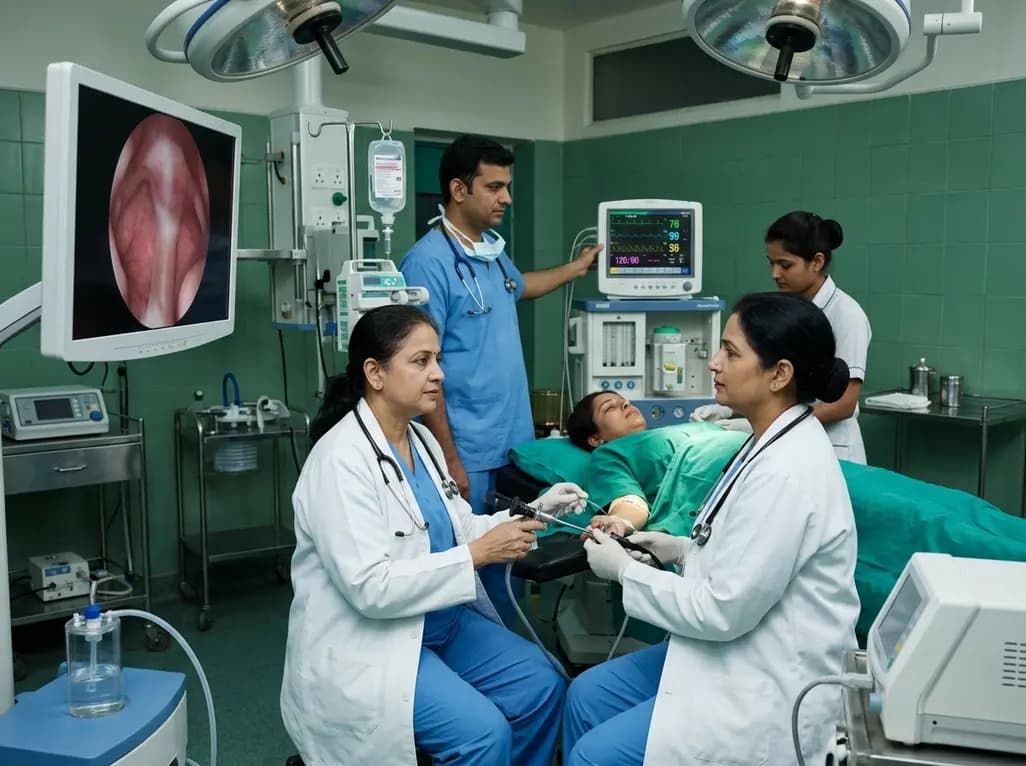
A meta-analysis of nine RCTs comparing remimazolam versus propofol in hysteroscopy reveals remimazolam significantly reduces injection pain, hypotension, and respiratory depression while maintaining comparable sedation success, recovery times, and procedural duration.
Today
Radiofrequency catheter ablation of the cavotricuspid isthmus successfully terminates typical atrial flutter. This article reviews the mechanisms driving coronary sinus electrogram changes, wavefront activation pathways, and clinical criteria to verify bidirectional block during electrophysiology studies.
Today
A new study reveals that MRI-based meniscal coverage and cartilage thickness explain mechanical axis alignment in knee osteoarthritis comparably to joint line convergence angle. These soft-tissue insights improve preoperative planning for osteotomies and arthroplasty.
Today
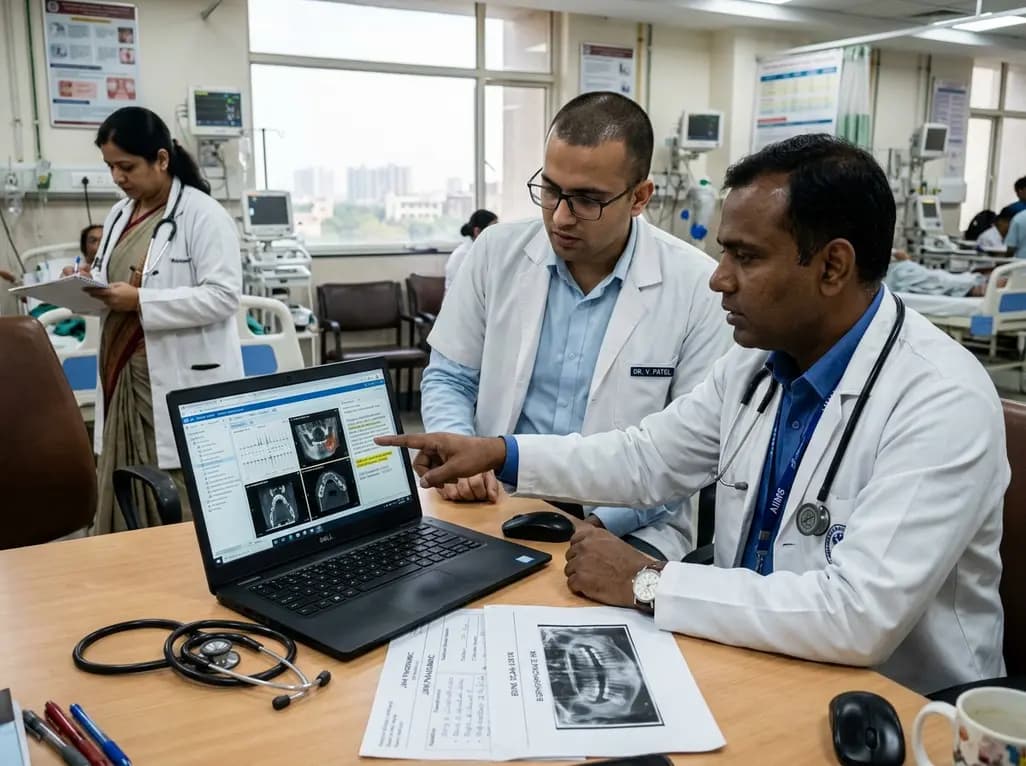
A breakthrough study leverages natural language processing to accurately identify incident medication-related osteonecrosis of the jaw and track antiresorptive drug holidays from clinical narratives in electronic health records, advancing osteoporosis pharmacovigilance and dental safety.
Today
