.webp&w=384&q=75)

Loading, please wait...
Loading, please wait...
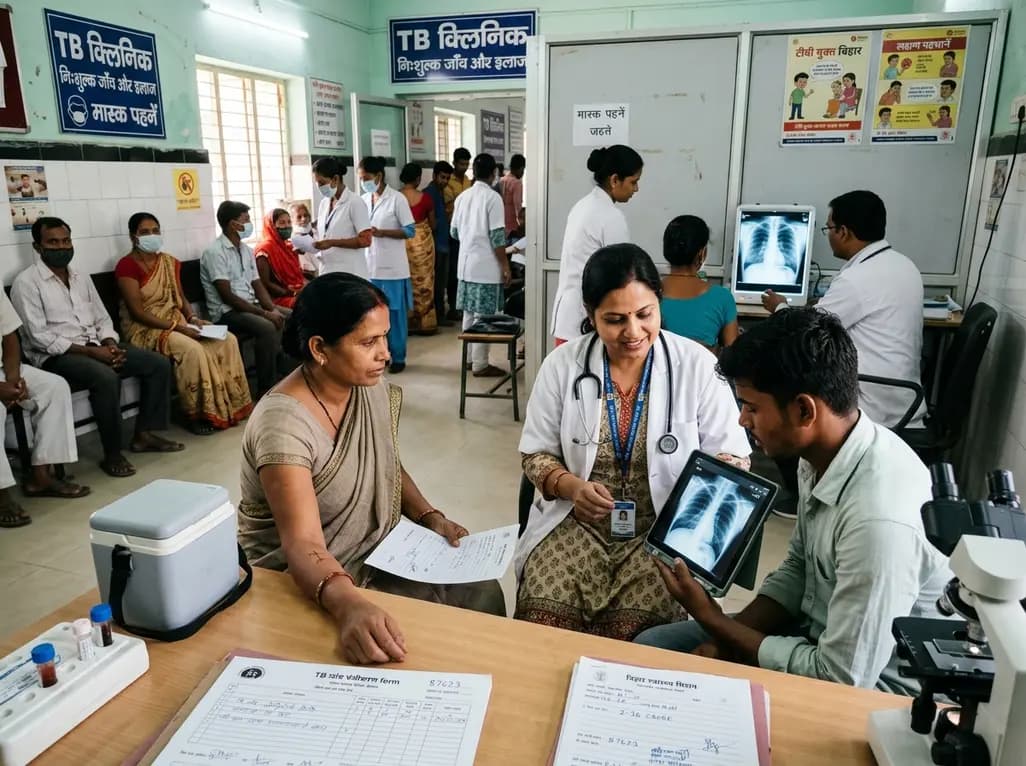
A recent state-level healthcare initiative in eastern India highlights the transformative impact of systematic disease surveillance. Bihar recently completed an intensive TB screening drive across all 38 districts between July 2 and August 14. During this ambitious public health initiative, frontline teams screened over 2.36 crore individuals against an initial target of one crore. Consequently, healthcare workers identified more than 87,623 confirmed tuberculosis cases across diverse urban and rural communities. Importantly, this campaign highlights the programmatic shift from passive clinical presentation to aggressive, community-wide active case finding. Furthermore, identifying undetected cases allows clinicians to initiate early therapy, interrupt transmission chains, and reduce population-level morbidity.
The state health department achieved unprecedented population coverage during this six-week public health initiative. Health workers organized more than 5.4 lakh community health camps since March 2026 to ensure deep grassroots penetration. In addition, officials prioritized 11,055 high-risk villages where vulnerable populations face heightened disease transmission risks. Consequently, dedicated field teams reached remote rural settlements, crowded industrial clusters, and socioeconomically marginalized communities. Sustained administrative leadership and political commitment underpinned this massive statewide mobilization effort across all districts. For example, the state governor, chief minister, and chief secretary conducted regular weekly operational reviews to monitor progress. Furthermore, multi-departmental coordination ensured the rapid deployment of Accredited Social Health Activists and auxiliary nurse midwives. Frontline personnel collected sputum samples directly from households and transported them swiftly to designated testing centers. In addition, public health teams integrated intensive community sensitization campaigns into routine screening activities. As a result, local community participation increased dramatically, reducing social stigma and encouraging voluntary testing among presumptive patients. Thus, this extensive outreach established a robust foundation for universal healthcare access in high-burden regions.
One of the most striking findings from the screening campaign is the high proportion of subclinical infections. Among the 87,623 detected cases, clinicians identified 21,550 individuals who showed no apparent symptoms of active disease. Historically, conventional tuberculosis control programs relied heavily on self-reporting by patients experiencing prolonged cough, weight loss, or fever. However, asymptomatic individuals can harbor viable Mycobacterium tuberculosis bacilli and quietly transmit the airborne pathogen to close contacts. Consequently, active screening using digital chest radiography and molecular tools successfully uncovers these hidden transmission reservoirs. Clinicians must recognize that subclinical tuberculosis can progress rapidly if left unmanaged, causing irreversible pulmonary parenchymal destruction. Furthermore, early therapeutic intervention prevents secondary transmission to household contacts, young children, and immunocompromised individuals. Primary care physicians should maintain a high index of clinical suspicion even when patients present without classic constitutional symptoms. Therefore, integrating routine imaging and sensitive molecular testing into community screening protocols remains vital for achieving disease eradication. Clinicians must actively counsel these asymptomatic patients regarding adherence to avoid early loss to follow-up.
To support this massive case-finding effort, the state significantly strengthened its laboratory and imaging infrastructure. Bihar deployed 491 digital X-ray machines, including 140 artificial intelligence-powered ultraportable handheld devices across peripheral health centers. These AI-driven handheld units allow radiographers to conduct rapid triage in rural and hard-to-reach terrains. Moreover, the state operationalized 89 Cartridge-Based Nucleic Acid Amplification Test machines and 562 Truenat platforms statewide. In addition, 768 binocular microscopes and specialized Culture Drug Susceptibility Testing laboratories provide continuous diagnostic backup. Notably, rapid molecular testing offers high diagnostic sensitivity while simultaneously identifying rifampicin resistance within two hours. Consequently, clinicians can initiate appropriate first-line or second-line regimens without facing prolonged and hazardous diagnostic delays. Furthermore, centralized Line Probe Assay facilities streamline the detection of complex second-line anti-tubercular drug resistance. This robust technological network bridges the longstanding diagnostic divide between urban tertiary hospitals and remote rural health centers. As a result, patients in underserved districts receive prompt, laboratory-confirmed diagnoses and immediate access to targeted chemotherapy.
Diagnosing tuberculosis represents only the initial step in achieving a complete cure; structured clinical management remains equally vital. Accordingly, health officials assessed 74,871 patients, representing 85 percent of detected cases, for differentiated TB care. This differentiated care model comprehensively evaluates individual clinical severity, nutritional status, and existing comorbidities such as diabetes and HIV. Consequently, high-risk individuals receive timely specialist referral, inpatient stabilization, and customized supportive care. Furthermore, Bihar achieved an impressive 88 percent treatment success rate across treated cohorts in 2024. Simultaneously, estimated tuberculosis mortality declined significantly from 21 per lakh population in 2023 to 20 per lakh in 2024. Clinicians also ensure regular nutritional supplementation through direct benefit transfers under the national Nikshay Poshan Yojana. Additionally, close clinical monitoring and digital adherence tools minimize treatment default among high-risk outpatient cohorts. Regular follow-up sputum examinations ensure timely identification of treatment failure or emerging drug resistance. Thus, combining individualized clinical assessment with socioeconomic support significantly improves long-term survival, functional recovery, and microbiological cure rates.
Eliminating tuberculosis requires aggressive preventive strategies alongside active case finding and modern diagnostic scaling. Consequently, health authorities are expanding TB Preventive Treatment across all 38 districts of the state. This prophylactic approach protects household contacts, children under five, and immunocompromised cohorts from developing active disease. In addition, administrative units are working diligently toward community-level elimination benchmarks across local self-government institutions. Notably, 547 panchayats have achieved certified TB-free status after fulfilling all six rigorous national criteria. These criteria assess case notification rates, treatment success benchmarks, drug susceptibility testing coverage, and preventive therapy rollout. Furthermore, private healthcare providers play an essential role, contributing substantially to total statewide disease notifications. Private-public partnerships ensure standardized treatment regimens and seamless electronic reporting on the national Nikshay portal. Therefore, sustained community ownership, widespread preventive therapy, and unified public-private engagement will drive long-term elimination success. Ultimately, these integrated interventions bring India closer to fulfilling its vision of a tuberculosis-free nation.
Q1: Why is active community screening more effective than passive case finding for tuberculosis?
Active community screening systematically searches for undiagnosed tuberculosis cases among vulnerable and high-risk populations through door-to-door outreach and field camps. In contrast, passive case finding depends entirely on symptomatic individuals seeking healthcare voluntarily. Consequently, active screening uncovers asymptomatic and early-stage infections that would otherwise transmit disease undetected for months. Early identification halts transmission chains, prevents severe lung pathology, and accelerates national disease elimination targets effectively.
Q2: What role do AI-powered handheld X-ray machines play in decentralized TB diagnosis?
AI-powered handheld X-ray machines provide rapid, portable, and ultra-low-radiation thoracic imaging directly at the community level. These digital devices utilize automated deep-learning algorithms to detect subtle pulmonary abnormalities and assign presumptive tuberculosis risk scores instantly. Consequently, frontline workers can triage thousands of individuals in remote areas, immediately directing high-risk patients to confirmatory molecular diagnostic testing without logistical delays or transport barriers.
Q3: What is differentiated TB care and how does it improve patient outcomes?
Differentiated TB care is a clinical stratification strategy that evaluates every diagnosed tuberculosis patient for disease severity, comorbidities, and malnutrition. Patients identified with severe illness, respiratory compromise, severe undernutrition, or uncontrolled diabetes receive immediate hospitalization or specialized clinical management. Consequently, this targeted approach prevents early mortality, reduces treatment default rates, and significantly elevates overall therapeutic success rates across diverse patient cohorts.
Disclaimer: This content is for informational and educational purposes only. It does not constitute medical advice or replace professional judgment. Refer to the latest local and national guidelines for clinical practice.
References

Read summarized clinical updates, watch expert medical content, and earn CME certifications right from your smartphone.
Open your smartphone camera to scan and install.





Bihar's intensive statewide tuberculosis campaign screened 2.36 crore citizens, detecting 87,623 infections, including 21,550 asymptomatic patients. Enhanced molecular testing, AI digital X-rays, differentiated TB care, and TB preventive treatment are accelerating progress toward a TB-free India.
last month
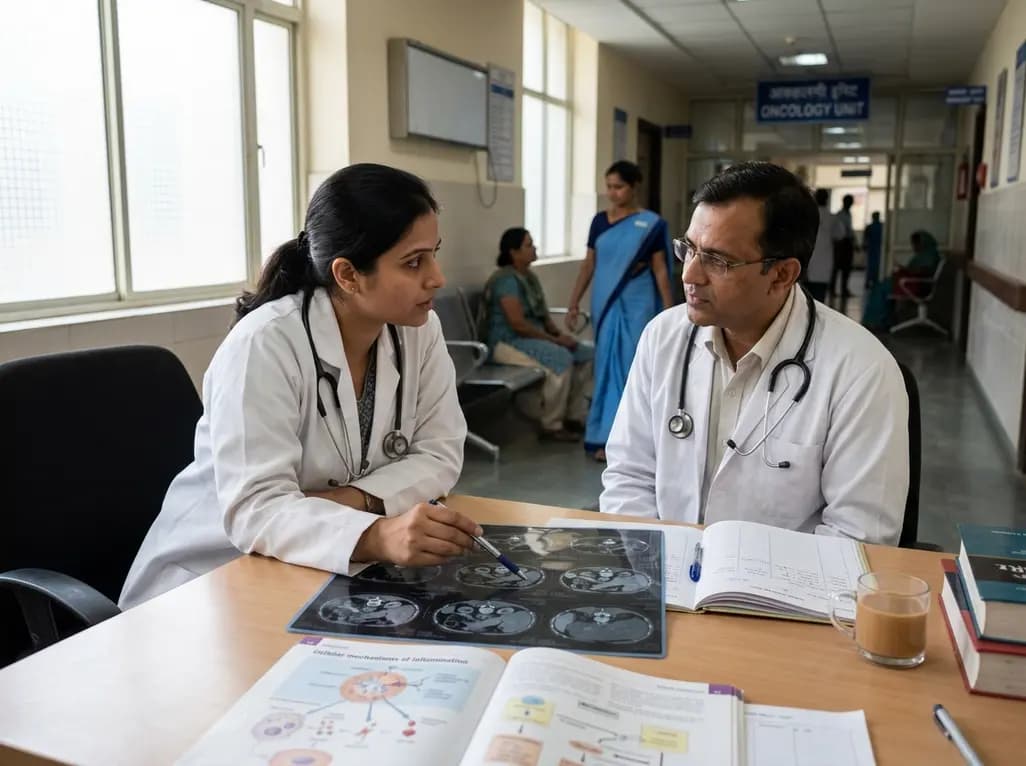
Pancreatic cancer cachexia affects over 80% of patients, driving severe muscle wasting, systemic inflammation, and treatment intolerance. This review highlights key pathophysiological drivers, exocrine insufficiency, objective CT imaging, and emerging therapies like GDF-15 inhibitors to improve clinical outcomes.
Today
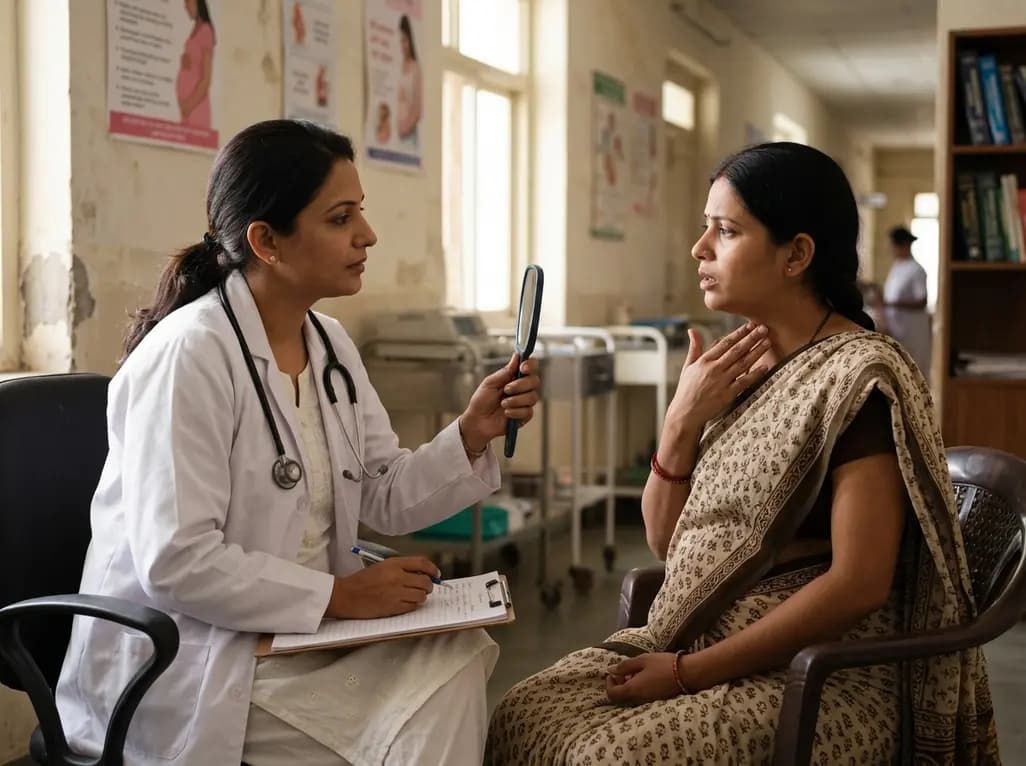
A scoping review reveals how pregnancy affects phonation through laryngeal edema and reduced phonation time rather than major acoustic pitch alterations. Learn how to identify, evaluate, and manage vocal symptoms in expectant mothers.
Today
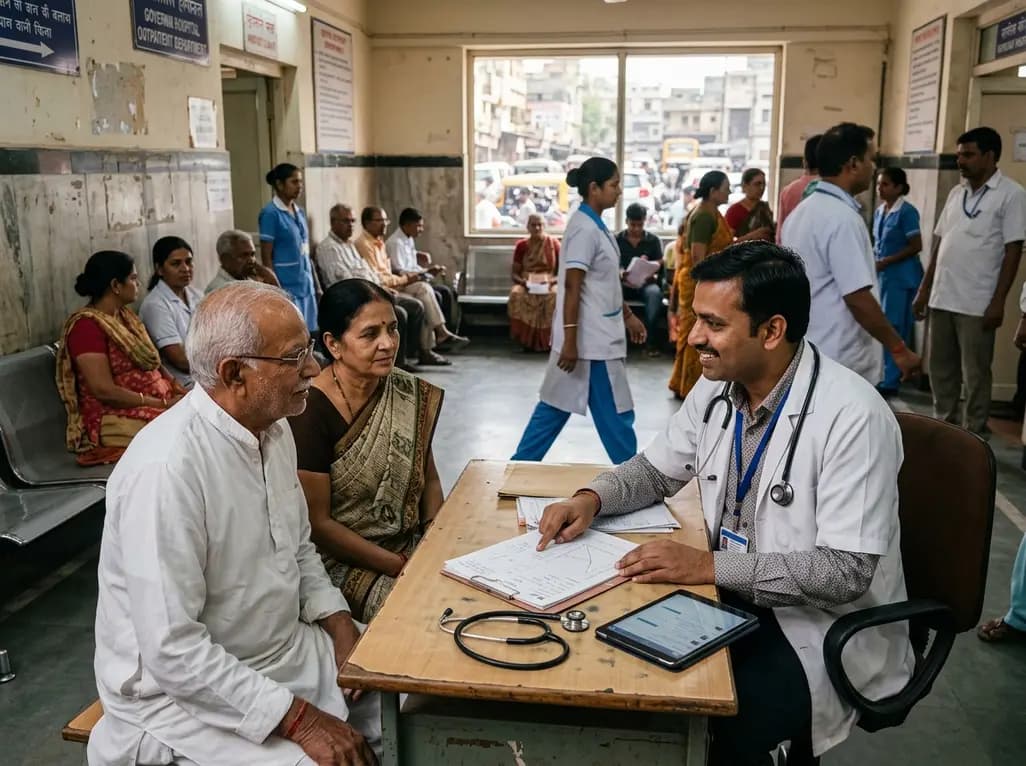
According to WHO data, average lifespan reached 73.3 years in 2023, recovering from pandemic lows. However, healthy life expectancy lags at 62.8 years due to surging noncommunicable conditions like cardiovascular disease and dementia, demanding proactive primary screening and sustained chronic care.
Today
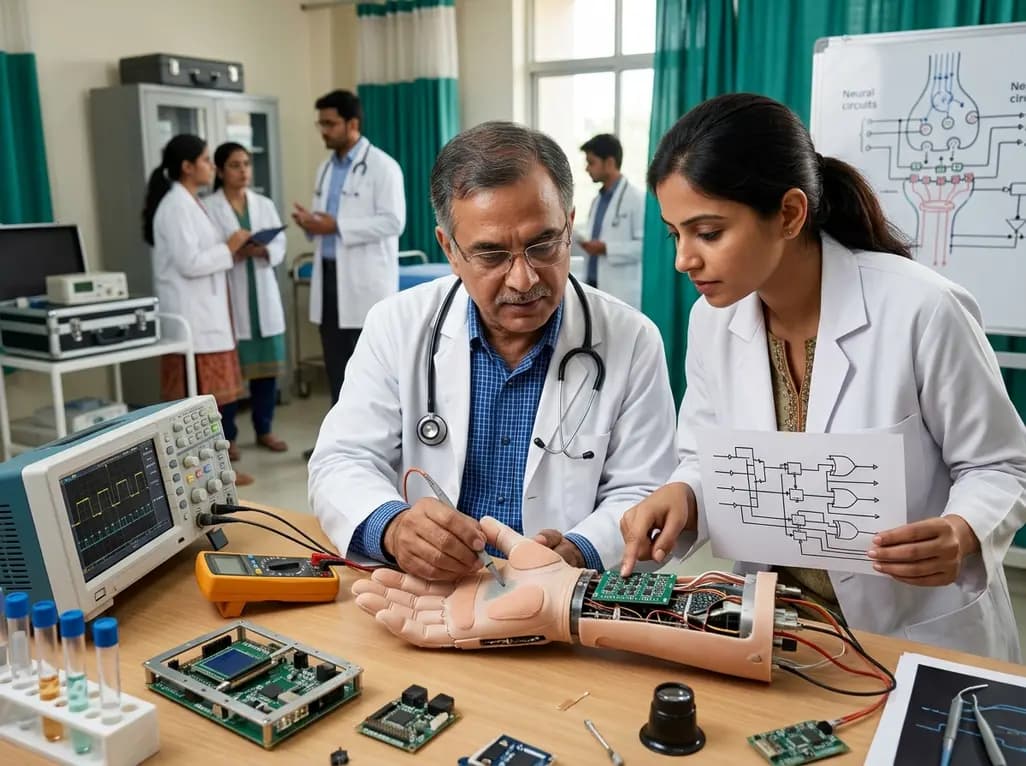
Researchers have engineered an artificial sensory-pain integrated receptor using a multi-threshold organic synaptic transistor. The system distinguishes benign touch from noxious stimuli, enabling safer, more responsive prosthetic limbs with built-in memory and simplified hardware architecture.
Today
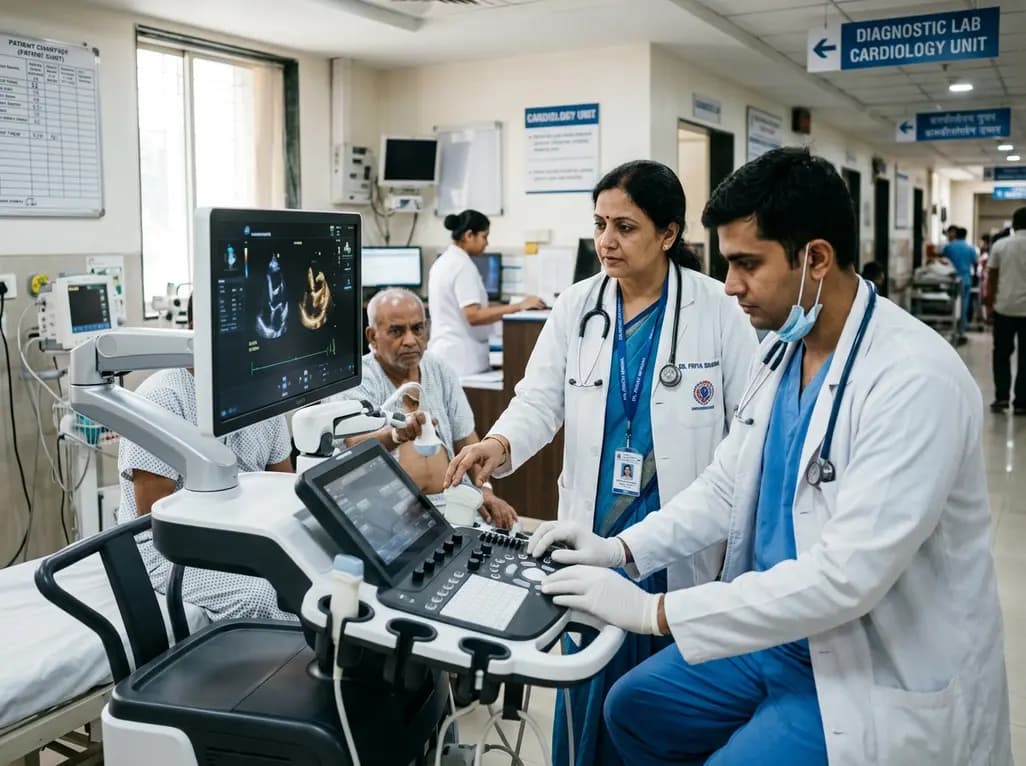
Medical robotics is transitioning beyond operative suites into diagnostics, cardiology, and endocrinology. Explore how innovations in tele-robotics, AI integration, and nanomedicine are overcoming geographical barriers and transforming precision healthcare delivery across India's evolving disease landscape.
Today
