

Loading, please wait...
Loading, please wait...
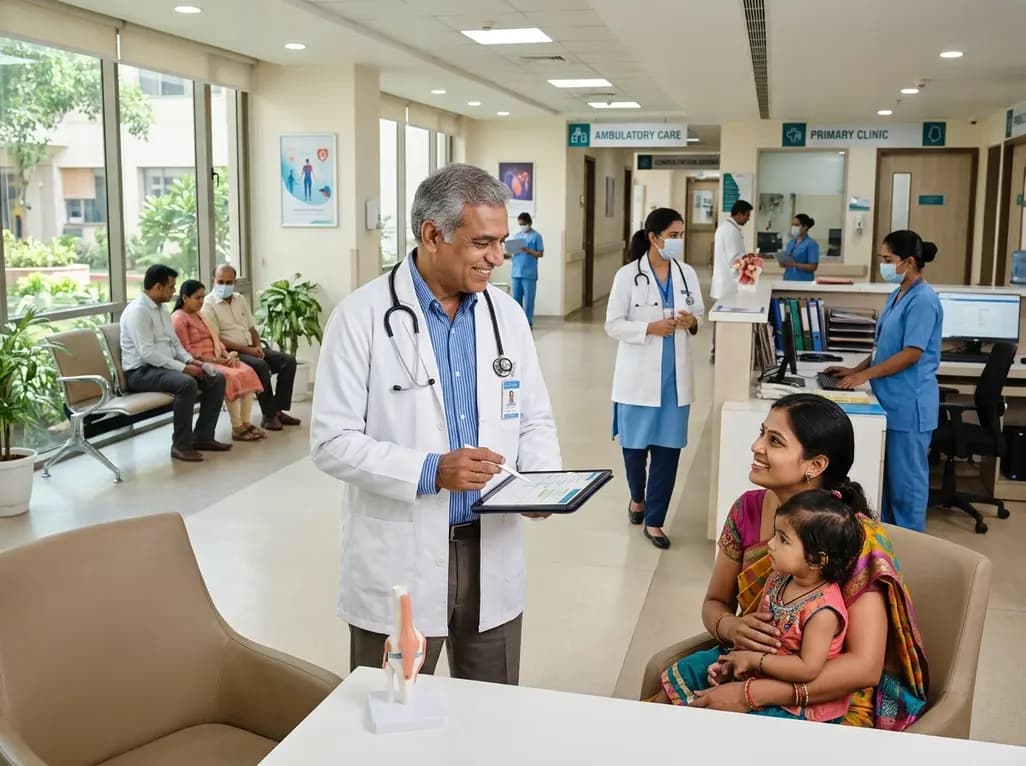
The Indian healthcare landscape is experiencing an unprecedented structural shift toward integrated, patient-centered care models. Bajaj Integrated Health System, backed by the venerable Bajaj Group, recently announced a landmark foray into the healthcare sector. The organization plans an initial capital commitment of Rs 2,000 to Rs 2,500 crore centered in Pune. The conglomerate introduced Nivara, an ambitious integrated healthcare ecosystem designed to dismantle fragmented medical delivery and streamline patient pathways. Rather than relying solely on traditional inpatient hospital beds, this comprehensive initiative connects multiple healthcare formats. Consequently, the strategic blueprint unites primary medical centres, ambulatory care units, diagnostic infrastructure, and tertiary hospital care. Furthermore, this progressive approach aims to fundamentally reshape clinical practice patterns across urban India.
Healthcare delivery in India has historically operated under reactive, episodic paradigms that fail to manage long-term wellbeing. Consequently, patients frequently endure fragmented care as they navigate separate diagnostic laboratories, independent clinics, and isolated inpatient facilities. Nivara directly addresses this structural inefficiency by establishing a longitudinal care management model. Derived from the Sanskrit word for safety and protection, Nivara signifies a secure clinical environment for patients. Furthermore, the organization aims to expand this interconnected clinical continuum across more than ten metropolitan hubs over the next fifteen years. Nirav Bajaj, Managing Director and Chief Executive Officer of the enterprise, articulated their long-term institutional commitment to measurable clinical outcomes and pricing transparency. In addition, the group selected Pune as its foundational anchor due to historical generational ties with the community. By synchronizing substantial financial investments with robust clinical governance, the enterprise intends to bridge longstanding chasms between primary diagnosis and advanced hospital care. Therefore, clinicians gain reliable referral pipelines and shared medical records that support precise decision-making. Ultimately, this strategic vision establishes an accountable care framework prioritizing preventive surveillance and sustained patient engagement.
The operational framework of Nivara relies on three distinct yet synergistic physical care delivery formats. Specifically, the network deploys neighborhood medical centres, advanced ambulatory care facilities, and full-scale tertiary hospitals. Emerging healthcare data indicates that up to seventy percent of medical conditions can be resolved outside tertiary hospital walls. Consequently, this system channels significant financial resources toward accessible outpatient clinics and day-care surgical centres. The initial Pune rollout includes six to seven comprehensive clinics alongside a proposed 500-bed multispecialty hospital. Ambulatory centres will manage outpatient surgical interventions, advanced radiology, structured physiotherapy, and occupational rehabilitation. Furthermore, integrated pharmacies and digital teleconsultations will ensure rapid therapeutic access for chronic disease management. Clinicians often observe therapy abandonment when patients must navigate separate diagnostic centres and pharmacies. Therefore, uniting consultations, laboratory investigations, and medication dispensing within single local hubs dramatically reduces diagnostic delays. As a result, family physicians can initiate targeted therapeutic regimens earlier in the disease trajectory. Moreover, this decentralized format relieves intense crowding across acute emergency departments and intensive care beds. Accordingly, secondary and tertiary facilities can concentrate their high-level expertise on critical, life-threatening pathologies.
Patient journeys across urban Indian centers frequently resemble an uncoordinated labyrinth of independent commercial healthcare providers. Typically, patients consult multiple unrelated doctors, standalone imaging centers, and unlinked pharmacies without centralized medical documentation. This lack of communication frequently causes duplicate diagnostic testing, dangerous drug interactions, and delayed specialist interventions. However, Nivara actively counters these systemic vulnerabilities by deploying a unified, interoperable clinical information backbone. Medical practitioners across every care touchpoint gain immediate access to comprehensive patient records and diagnostic results. Furthermore, shared clinical governance frameworks enforce standardized treatment guidelines across outpatient clinics and inpatient hospital wards. Consequently, general practitioners can monitor disease progression while collaborating smoothly with tertiary super-specialists. In addition, dedicated homecare teams extend clinical observation directly into the domestic setting following hospital discharge. Patients recovering from complex surgical procedures or acute coronary episodes receive coordinated nursing and physical therapy at home. As a result, 30-day hospital readmission rates decline while functional recovery improves substantially. Ultimately, dismantling administrative and diagnostic silos enables physicians to deliver reliable, evidence-based medical care. Hence, healthcare systems achieve lower overall operational waste while maximizing clinical efficacy for every patient cohort.
Non-communicable diseases such as type 2 diabetes, arterial hypertension, and chronic respiratory disorders represent India's fastest-growing health crises. Nevertheless, conventional episodic hospital systems rarely incentivize continuous metabolic tracking or proactive risk reduction. Nivara explicitly transforms this clinical dynamic by shifting priorities from acute episodic treatments toward continuous health management. For example, the ecosystem integrates routine physiological screenings, structured nutritional counseling, and lifestyle modifications within neighborhood medical centres. Consequently, primary care physicians can identify subtle biochemical alterations years before symptomatic microvascular complications develop. Furthermore, connected digital tools allow clinicians to monitor patient biomarkers remotely between scheduled clinical appointments. Doctors can adjust antihypertensive regimens or insulin dosages promptly when physiological parameters drift away from therapeutic targets. In addition, integrated rehabilitation professionals collaborate closely with treating physicians to support patients with degenerative musculoskeletal conditions. Therefore, geriatric patients receive proactive balance training and mobility rehabilitation that prevent debilitating accidental falls. Ultimately, moving from reactive emergency intervention to sustained physiological oversight preserves vital organ reserves and promotes longevity. Similarly, routine cardiovascular stratification helps clinical teams intercept acute ischemic episodes before irreversible myocardial necrosis occurs.
The rapid commercialization of Indian private healthcare has often introduced difficult ethical tensions into daily clinical workflows. Many private institutions enforce high inpatient bed occupancy metrics, procedural targets, and aggressive surgical volumes. In contrast, Nivara introduces a modern, primary-care-first practice model that emphasizes salaried physician appointments and value-oriented patient relationships. By prioritizing lifetime patient health over transactional hospital admissions, this operational structure noticeably mitigates professional burnout among physicians. Consequently, clinicians can allocate appropriate consultation time toward comprehensive clinical evaluations, empathetic communication, and preventive counseling. Furthermore, multidisciplinary care teams practice under uniform, transparent clinical guidelines rather than functioning in isolated commercial silos. In addition, inpatient hospitalists communicate directly with outpatient generalists to develop rigorous post-discharge care protocols. Clinicians also benefit from access to point-of-care diagnostics, digital clinical decision support, and streamlined laboratory reporting. Therefore, medical decisions remain anchored strictly in clinical evidence, objective guidelines, and individualized patient needs. Ultimately, this collaborative professional framework fosters sustainable doctor-patient trust while enhancing career satisfaction among medical practitioners. Importantly, transparent institutional governance creates a stable practice environment where clinical excellence supersedes commercial throughput.
Q1: What is the primary clinical objective of the Nivara healthcare initiative?
The primary clinical objective of Nivara is to transition healthcare delivery from episodic treatment to continuous health management. By integrating neighborhood clinics, ambulatory centers, and inpatient hospitals, the network delivers synchronized care across prevention, diagnosis, therapy, and recovery. Furthermore, this connected framework provides clinicians with shared medical records. Consequently, unified clinical data enhances diagnostic accuracy and prevents fragmented patient management across different medical specialties.
Q2: How does the ₹2,500 crore Pune expansion benefit outpatient clinical practice?
The initial ₹2,500 crore investment establishes six to seven outpatient clinics and dedicated ambulatory care centers across Pune. Consequently, clinicians gain access to modern diagnostic imaging, integrated pharmacies, and specialized day-care surgical suites outside crowded hospitals. This decentralized network allows practitioners to manage seventy percent of clinical presentations locally. Therefore, patients receive prompt therapeutic interventions while inpatient hospital beds remain preserved for critical, high-acuity medical admissions.
Q3: In what ways does an integrated healthcare ecosystem improve chronic disease outcomes?
An integrated ecosystem improves chronic disease outcomes by linking early biochemical screening, digital biomarker tracking, and coordinated lifestyle interventions. Rather than waiting for acute metabolic emergencies, family physicians detect subtle pathological shifts during routine community visits. In addition, integrated homecare and structured physiotherapy ensure long-term patient compliance. As a result, microvascular complications decrease substantially while patient adherence to individualized pharmacological treatment plans improves across all cohorts.
Disclaimer: This content is for informational and educational purposes only. It does not constitute medical advice or replace professional judgment. Refer to the latest local and national guidelines for clinical practice.
References

Read summarized clinical updates, watch expert medical content, and earn CME certifications right from your smartphone.
Open your smartphone camera to scan and install.





Bajaj Integrated Health System has unveiled Nivara with a ₹2,500 crore rollout in Pune. The initiative introduces ambulatory centres, primary clinics, and tertiary care to shift India's medical model from episodic treatments to continuous health management and integrated ambulatory solutions.
Today
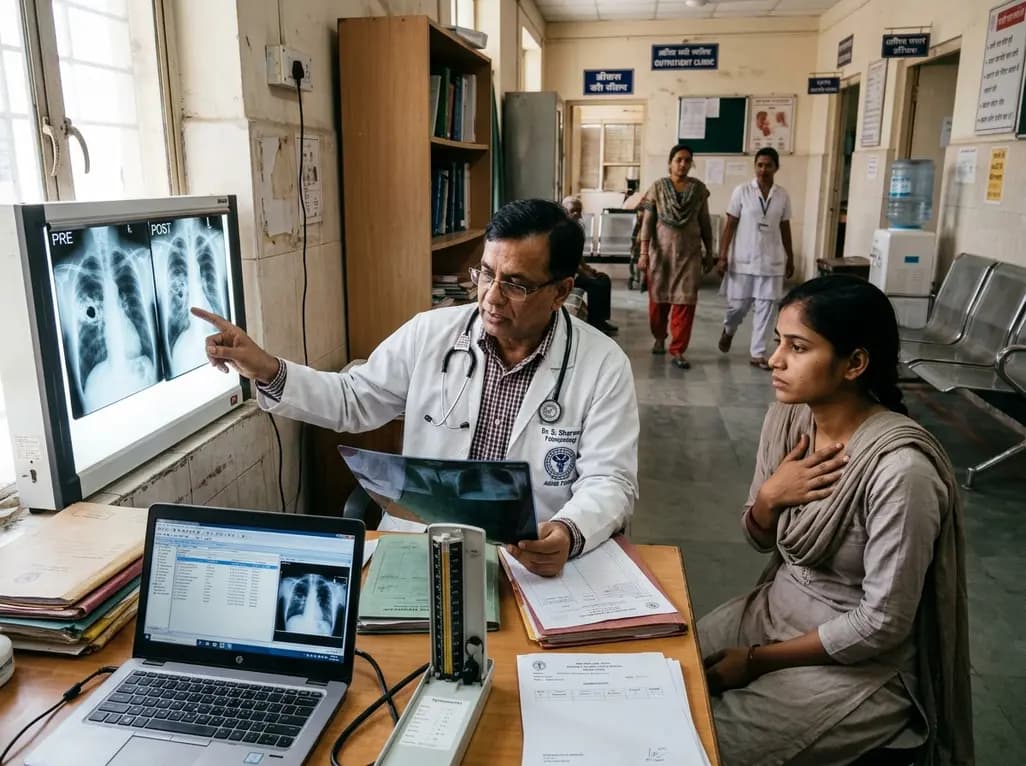
A landmark AIIMS Patna study highlights that microbiological cure in pulmonary tuberculosis does not equal functional recovery. Clinicians must actively evaluate patients for structural damage, persistent airflow limitation, and comorbid psychological distress to deliver comprehensive post-cure respiratory rehabilitation.
Today

The GESS-AEEM consensus establishes a clear clinical implementation framework for testosterone therapy in postmenopausal women with hypoactive sexual desire disorder, focusing on transdermal dosing, precise laboratory monitoring, and safety communication.
Today

A multicenter observational study evaluated an 8-week digital health monitoring platform using wearable sensors in ambulatory heart failure. While participants achieved high daily wear-time of 11.7 hours and 80% completion, initial recruitment revealed significant technology-related onboarding barriers.
Today

A paired cadaveric study compared triple and quintuple percutaneous Achilles tendon lengthening. While quintuple hemisection showed numerically greater elongation, differences were not statistically significant.
Yesterday

A clinical decision-support framework using health checkup data from 231,683 adults predicts incident obesity with high discrimination (AUROC 0.918). The system integrates temporal survival analysis and risk-factor explanations to prioritize individualized preventive interventions.
Today
