.webp&w=384&q=75)

Loading, please wait...
Loading, please wait...

Measurable residual disease assessment serves as a critical prognostic indicator in B-lymphoblastic leukemia management. Clinicians rely heavily on precise monitoring to guide post-remission therapeutic decisions and predict relapse risk. Historically, single-modality testing provided valuable insight into post-treatment responses. However, phenotypic variations and subtle genetic mutations often obscure residual leukemic clones. Consequently, relying on a single technique can lead to false negatives, which ultimately compromises patient outcomes. Modern clinical protocols increasingly emphasize B-ALL MRD detection to ensure comprehensive surveillance. Recent evidence demonstrates that combining complementary diagnostic techniques provides a far more accurate picture of residual disease. By capturing subtle cellular changes, integrated diagnostic approaches help clinicians refine risk stratification and tailor salvage therapies effectively.
Multiparametric flow cytometry remains a primary pillar for identifying residual blasts in bone marrow specimens. Using an eight-color antibody panel based on EuroFlow protocols, pathobiologists rapidly analyze millions of events. This technique offers high clinical specificity, reaching up to 100% in recent comparative evaluations. Moreover, flow cytometry delivers rapid turnaround times, allowing prompt clinical decision-making. However, immunophenotypic marker expression frequently shifts during intensive chemotherapy or targeted immunotherapy. When leukemic blasts downregulate diagnostic markers, flow-based monitoring becomes complex. As a result, sensitivity may fluctuate depending on the specific genetic subtype present. Despite these hurdles, multiparametric flow cytometry continues to provide indispensable cellular insights during post-induction and consolidation phases.
Fluorescence in situ hybridization and immunoglobulin gene next-generation sequencing offer distinct advantages alongside cell-based assays. Molecular testing using targeted NGS assays provides exceptional analytical sensitivity, identifying rare malignant clones among background lymphocytes. In comparison, targeted FISH probes detect distinct structural and numerical chromosomal abnormalities. Research indicates a robust correlation between flow cytometry and molecular sequencing outcomes. Furthermore, FISH complements these techniques by identifying cytogenetic changes, even in low-level signals. Nevertheless, FISH demonstrates lower overall sensitivity compared to flow cytometry and sequencing platforms. Therefore, combining these distinct technologies mitigates individual analytical limitations and ensures reliable B-ALL MRD detection across dynamic therapeutic regimens.
Leukemic clones manifest significant heterogeneity, which strongly influences diagnostic performance across different platforms. For example, cases involving KMT2A rearrangements frequently exhibit a near absence of CD10 expression, which complicates traditional flow gating strategies. Conversely, TCF3::PBX1 positive leukemia typically shows elevated CD81 marker intensity. Furthermore, cases with numerical chromosomal alterations, such as hyperdiploidy, frequently show discordant results between cytogenetic and flow-based assays. In these specific cohorts, residual blasts may immunophenotypically resemble normal regenerating B-cell precursors, known as hematogones. Understanding these subtype-specific immunophenotypic patterns enables pathologists to avoid misinterpretation and refine their gating strategies for challenging bone marrow samples.
Discrepancies between molecular, cytogenetic, and flow cytometric findings carry substantial prognostic weight. Clinical data confirm that residual disease positivity detected by any validated modality correlates with significantly worse relapse-free survival. When flow cytometry yields negative results but FISH identifies persistent genetic markers, residual disease remains clinically relevant. Ignoring such low-level molecular or cytogenetic signals increases the risk of overt disease recurrence. Therefore, clinicians must treat discordant positive results with heightened vigilance rather than dismissing them as biological noise. Recognizing the unique strengths of each diagnostic platform ensures that residual malignant populations are promptly detected and addressed.
Implementing an integrated, multimodal testing framework represents the future of leukemic surveillance. Clinicians can no longer rely entirely on a single diagnostic assay to monitor complex hematologic malignancies. By combining multiparametric flow cytometry, targeted FISH, and high-throughput sequencing, diagnostic teams maximize diagnostic accuracy. This comprehensive strategy accounts for cellular heterogeneity, lineage shifts, and cytogenetic alterations. Ultimately, adopting integrated protocols minimizes diagnostic blind spots, improves prognostic stratification, and supports timely therapeutic adjustments. Healthcare institutions should consider updating their diagnostic pathways to incorporate multimodal surveillance standards for all patients undergoing treatment for acute lymphoblastic leukemia.
Measurable residual disease detection accurately quantifies residual leukemic cells post-therapy, serving as the strongest predictor of relapse. Identifying persistent disease allows clinicians to adjust chemotherapy intensity, select targeted immunotherapies, or evaluate eligibility for hematopoietic stem cell transplantation early, thereby significantly improving long-term survival outcomes.
Chemotherapy and targeted immunotherapies often cause leukemic blasts to alter or lose typical surface markers, such as CD10 or CD19. These phenotypic shifts make malignant cells resemble normal regenerating B-cell precursors, which can lead to false-negative flow cytometry results unless clinicians utilize comprehensive, multimodal testing.
Different diagnostic modalities evaluate distinct cellular characteristics; flow cytometry assesses surface proteins, FISH identifies targeted chromosomal abnormalities, and NGS detects clonal gene rearrangements. Integrating these technologies overcomes individual assay limitations, captures subtype-specific heterogeneity, and ensures highly sensitive and accurate residual disease tracking.
Disclaimer: This content is for informational and educational purposes only... Refer to the latest local and national guidelines for clinical practice.
References
Lee JH et al. Subtype-specific immunophenotypic and cytogenetic patterns complement flow-cytometric detection of measurable residual disease in B-lymphoblastic leukemia. Cytometry B Clin Cytom. 2026 Aug 08. doi: 10.1002/cyto.b.70062. PMID: 42568318.
Pui CH, Campana D. Minimal residual disease monitoring in acute lymphoblastic leukemia. New England Journal of Medicine. 2023;388(6):522-533.
Gökbuget N, et al. Measurable residual disease-guided therapy in adult acute lymphoblastic leukemia. Blood. 2024;143(12):1105-1118.

Read summarized clinical updates, watch expert medical content, and earn CME certifications right from your smartphone.
Open your smartphone camera to scan and install.





A retrospective study highlights how integrating flow cytometry, FISH, and NGS improves measurable residual disease (MRD) detection in B-lymphoblastic leukemia, revealing distinct subtype-specific patterns that guide personalized management.
last month
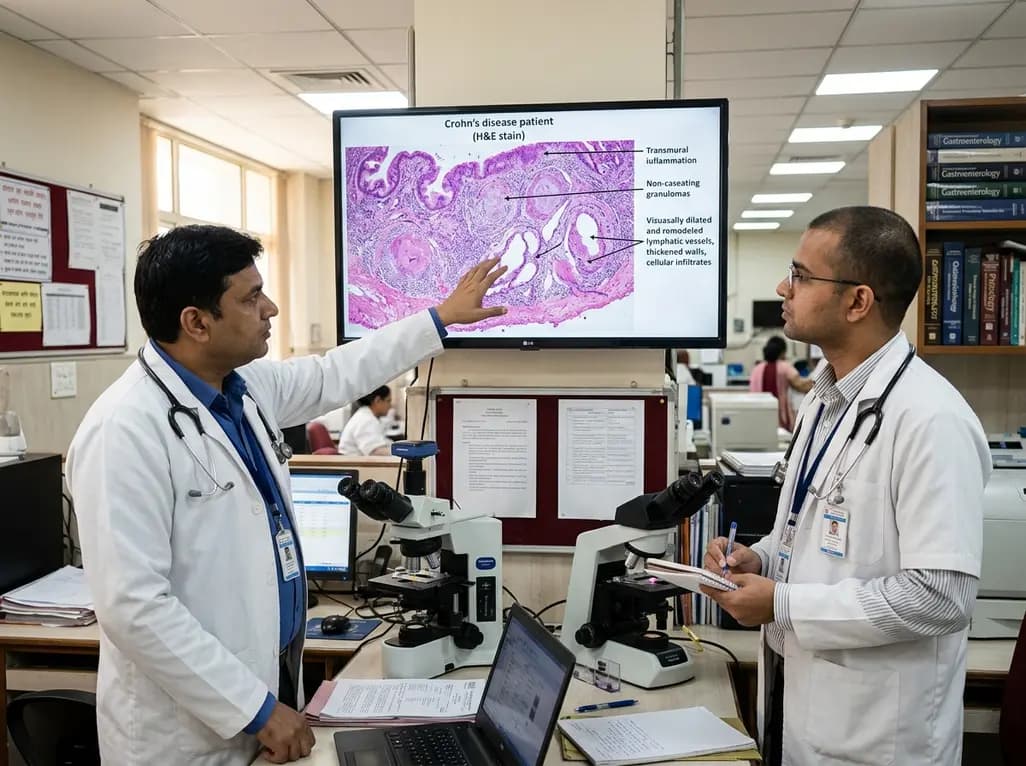
Intestinal lymphatic dysfunction is re-emerging as a fundamental driver of Crohn's disease pathogenesis. Explore how structural remodeling, lymphangitis, and defective clearance shape transmural inflammation and offer novel therapeutic targets.
Today

A school-based intervention using the Health Action Process Approach (HAPA) significantly enhanced adolescents' perceived benefits of consulting healthcare providers and promoted proactive menstrual health behaviors, offering key clinical insights for managing adolescent dysmenorrhea and endometriosis.
Today

A comprehensive analysis of the Translational Maturity Framework for nanomedicine-device combination products, evaluating regulatory complexity, manufacturing hurdles, and clinical readiness across oncology, cardiology, and orthopedics.
Today
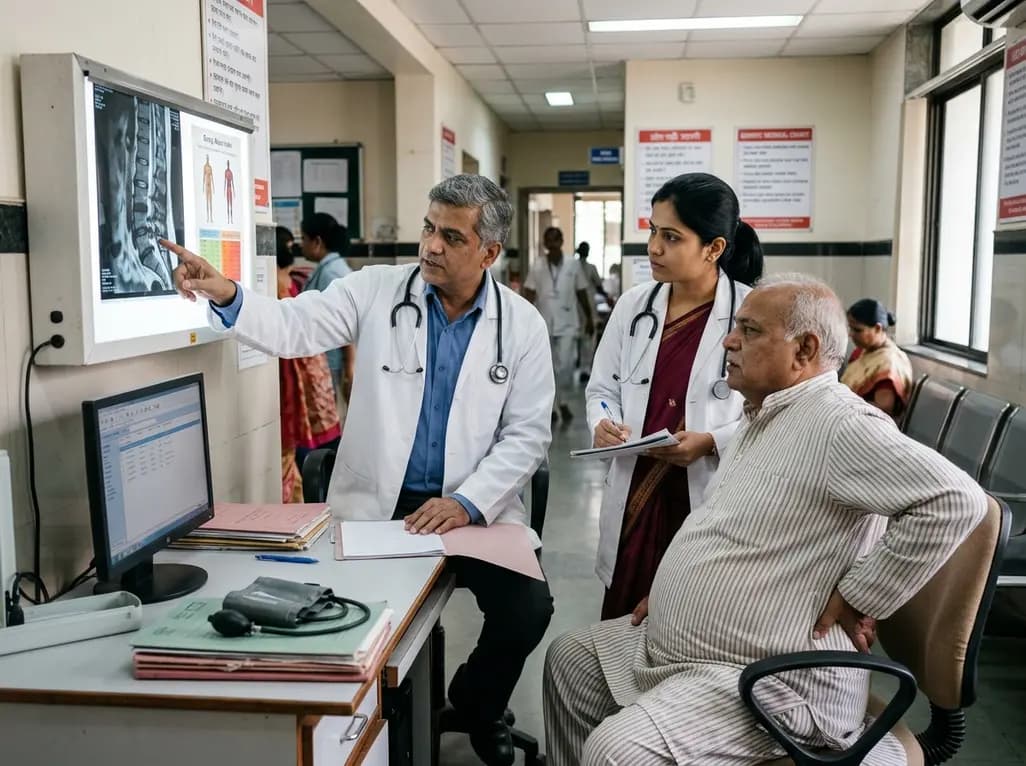
A cross-sectional study reveals that sarcopenic obesity independently increases functional impairment and severe disc degeneration in patients with degenerative lumbar spinal stenosis, highlighting the need for body composition assessment.
Today

A landmark dose-response meta-analysis of 8.8 million adults reveals that high ultra-processed food intake significantly elevates risks for cardiovascular disease, cancer, diabetes, depression, and all-cause mortality, highlighting urgent needs for clinical lifestyle interventions.
Today
