.webp&w=384&q=75)

Loading, please wait...
Loading, please wait...
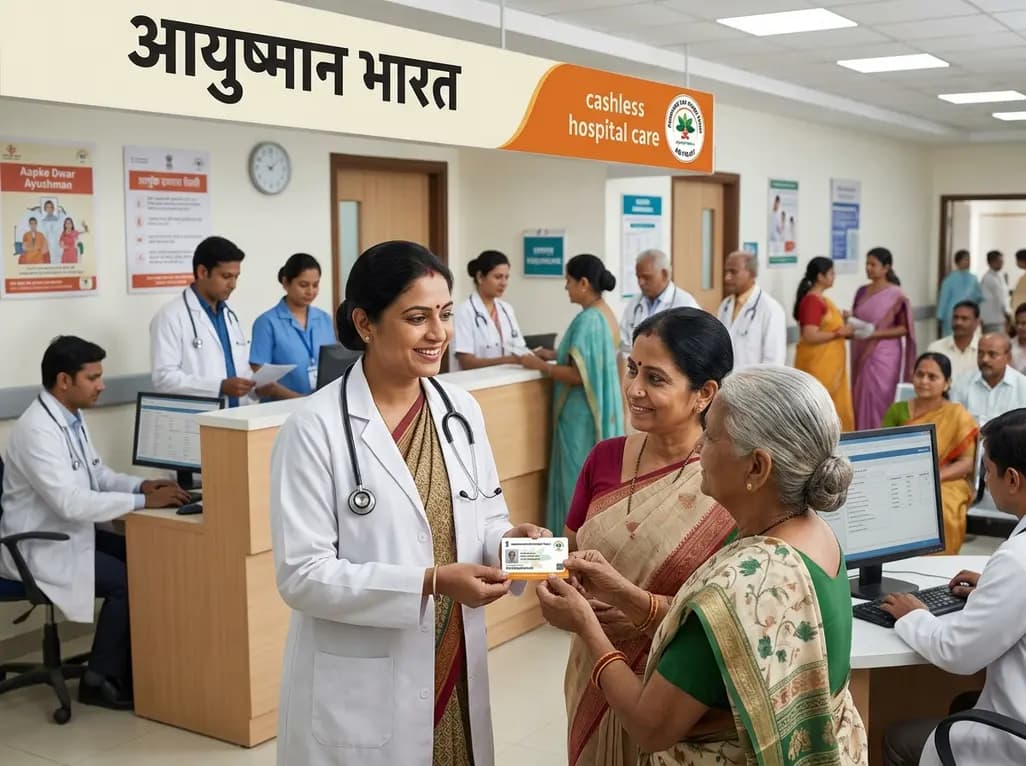
The Ayushman Bharat scheme has completed eight impactful years of operation, transforming health service delivery and financial protection across India. Launched on September 23, 2018, this monumental initiative guarantees that underprivileged communities obtain equitable access to advanced medical interventions. Today, over 60 crore individuals possess health security, securing five lakh rupees annually per family for inpatient hospital care. Furthermore, the initiative has enabled unprecedented financial savings for vulnerable households, drastically reducing catastrophic health spending. Consequently, this structured framework systematically addresses entrenched inequities in clinical access across both rural and urban territories.
The Ayushman Bharat scheme represents the largest public assurance initiative globally, protecting over sixty crore vulnerable citizens against unpredictable medical costs. Union Health Minister J P Nadda recently highlighted that authorities have issued over 48.54 crore Ayushman cards nationwide. Consequently, millions of underprivileged citizens now hold a verifiable digital credential for instantaneous bedside verification. In addition, the scheme has facilitated more than 13.25 crore cashless hospital admissions since its inception in late 2018. Crucially, the value of these treatments has crossed two lakh crore rupees, reflecting unprecedented public investment in population health.
Moreover, this widespread adoption demonstrates how targeted public policy can dismantle systemic financial barriers to high-level clinical services. Patients who once delayed vital surgeries or cancer treatments due to crippling poverty now seek clinical interventions promptly. In particular, the extensive rollout ensures inclusive participation across all states and Union Territories. Therefore, the programme acts as an indispensable equalizer in national clinical delivery. Medical institutions actively admit beneficiaries without demanding upfront deposits, fundamentally altering patient trust. As a result, participating facilities report higher throughput and earlier case presentations, which substantially optimizes clinical outcomes.
For decades, out-of-pocket medical expenditure remained the leading driver of household poverty across India. Acute medical crises frequently forced families to liquidate productive assets, withdraw children from school, or accrue high-interest personal debts. However, the robust implementation of AB-PMJAY has interrupted this vicious socioeconomic cycle. By offering cashless coverage of five lakh rupees annually per family, the scheme absorbs devastating tertiary hospitalisation bills. Indeed, government evaluations reveal record monetary savings for poor and lower-middle-class households.
Additionally, families can channel saved financial resources into better nutrition, education, and productive economic livelihoods. From a clinical perspective, eliminating financial distress encourages patients to comply strictly with recommended medical and surgical regimens. Earlier, financial constraints caused high rates of treatment abandonment in chronic diseases like heart failure and advanced malignancies. Today, assured financial coverage motivates patients to complete exhaustive chemotherapy cycles, dialysis protocols, and post-operative rehabilitative regimens. Furthermore, attending physicians can prescribe standard-of-care treatments without constantly fearing that treatment costs will impoverish their patients. Ultimately, this comprehensive financial cushion converts institutional healthcare into a fundamental right rather than an unaffordable luxury.
While secondary and tertiary care consumes substantial resources, comprehensive primary healthcare forms the bedrock of any enduring health system. To operationalize this vision, the central government converted sub-centres and primary health units into dynamic Ayushman Arogya Mandirs. Prime Minister Modi highlighted that these grassroots centres have logged over 500 crore clinical visits over eight years. Consequently, these wellness centres provide primary preventative care, early diagnostic screenings, and maternal care near patients' residences.
Moreover, staff members actively screen local populations for hypertension, diabetes mellitus, and prevalent oral, cervical, and breast cancers. By detecting asymptomatic non-communicable diseases early, clinical teams initiate early lifestyle and pharmacological treatments before irreversible end-organ damage occurs. Additionally, these frontline centres provide free essential medicines and diagnostic testing, ensuring uninterrupted disease management for chronic patients. Teleconsultation facilities further connect rural patients directly with expert tertiary specialists via the e-Sanjeevani platform. Therefore, rural patients receive specialist medical guidance without undertaking arduous and expensive travel to major urban medical centres. In this manner, strengthened primary healthcare prevents secondary complications and substantially alleviates clinical strain on overcrowded tertiary hospitals. Accordingly, this primary care expansion creates a resilient, bottom-up healthcare delivery model across the nation.
Effective universal health coverage requires an extensive, geographically dispersed network of capable clinical facilities. Under AB-PMJAY, health authorities have empanelled more than 39,000 public and private hospitals across the country. Consequently, beneficiaries in tier-two and tier-three cities access advanced medical and surgical treatments without travelling to metropolitan hubs. Private hospital participation plays a vital role by augmenting public sector capacity, especially in high-demand surgical and intensive care specialities.
Furthermore, the National Health Authority continually refines its benefit packages, standardising clinical pathways for nearly two thousand surgical procedures. These comprehensive packages span twenty-seven major specialties, ranging from neonatal intensive care to complex joint replacements and coronary revascularisation. Similarly, bundled reimbursement packages ensure financial transparency and establish rigorous quality benchmarks for empanelled private hospitals. Participating hospitals must adhere to established infection control practices, credentialing standards, and standardized discharge protocols. As a result, clinical safety benchmarks improve uniformly across private and public sectors alike. Ultimately, this nationwide network fosters constructive collaboration between government healthcare machinery and private medical providers. Additionally, streamlined electronic claim submissions allow private healthcare facilities to maintain predictable cash flows while serving subsidized patients. This collaborative dynamic guarantees sustainable healthcare financing while upholding clinical excellence throughout acute and elective inpatient treatments.
The rapid scaling of Ayushman Bharat depends heavily on modern digital infrastructure. Through the Ayushman Bharat Digital Mission, health administrators are building an integrated digital health ecosystem. Central to this transformation is the Ayushman Bharat Health Account, which allows citizens to store verified digital health records securely. Consequently, physicians can view prior laboratory reports, diagnostic imaging, and medication histories across diverse clinical institutions. This seamless digital interoperability reduces redundant diagnostic testing, minimizes adverse drug interactions, and facilitates coordinated multidisciplinary clinical care.
Moreover, recent policy expansions encompass all senior citizens aged seventy and older, irrespective of socioeconomic classification. This bold demographic expansion directly benefits geriatric medicine, enabling clinicians to manage multimorbidity without daunting financial boundaries. Clinicians must understand standard treatment workflows, pre-authorizations, and electronic claim submission mechanisms under the National Health Claims Exchange. Additionally, healthcare practitioners should actively encourage eligible families to create digital health accounts during routine outpatient encounters. By bridging clinical practice with robust digital health infrastructure, medical professionals contribute directly to sustainable universal healthcare throughout India. Furthermore, real-time epidemiological analytics generated by these digital health records allow public health teams to identify emerging disease outbreaks swiftly. Thus, practicing clinicians gain unprecedented diagnostic insight and disease surveillance support across acute hospital environments.
Q1: What primary financial coverage does the Ayushman Bharat scheme offer to eligible beneficiaries?
Under this healthcare initiative, each eligible family receives an annual health assurance cover of up to five lakh rupees for secondary and tertiary care. Consequently, patients can access completely cashless inpatient treatment across both public and empanelled private hospitals nationwide. Furthermore, the entitlement covers diagnostic procedures, inpatient bed charges, physician consultations, and essential medications. This comprehensive financial protection prevents vulnerable households from experiencing catastrophic medical debt during acute or chronic health emergencies.
Q2: How do Ayushman Arogya Mandirs complement secondary and tertiary hospitalisation services?
Ayushman Arogya Mandirs serve as the primary healthcare foundation across rural and urban communities. Specifically, these centres deliver comprehensive primary care, maternal wellness services, and proactive screenings for prevalent non-communicable diseases. Additionally, they dispense free essential medications and perform diagnostic investigations close to patients' homes. By resolving routine ailments locally and establishing timely triage, these health centres substantially decrease congestion at tertiary referral centres, while enabling seamless escalation for complex medical interventions.
Q3: What clinical and procedural packages are covered under the scheme for empanelled facilities?
The national scheme covers nearly two thousand diagnostic and therapeutic procedures spanning twenty-seven distinct clinical specialties. Specifically, packages include general surgery, cardiology, oncology, orthopaedics, and intensive critical care. Furthermore, empanelled private and public medical centres follow pre-fixed bundled rates that incorporate pre-hospitalisation testing, surgical consumables, and post-discharge medications. Consequently, registered clinicians can execute complex therapeutic treatments without financial ambiguity or unexpected administrative burdens, providing high-quality standard-of-care therapies to vulnerable patient populations.
Disclaimer: This content is for informational and educational purposes only. It does not constitute medical advice or replace professional judgment. Refer to the latest local and national guidelines for clinical practice.
References

Read summarized clinical updates, watch expert medical content, and earn CME certifications right from your smartphone.
Open your smartphone camera to scan and install.





Ayushman Bharat marks eight years as the world's largest health assurance initiative. Covering over 60 crore individuals and issuing 48.5 crore cards, it has funded cashless hospital care worth Rs 2 lakh crore across 39,000 facilities, protecting millions of households from catastrophic healthcare expenses.
Today
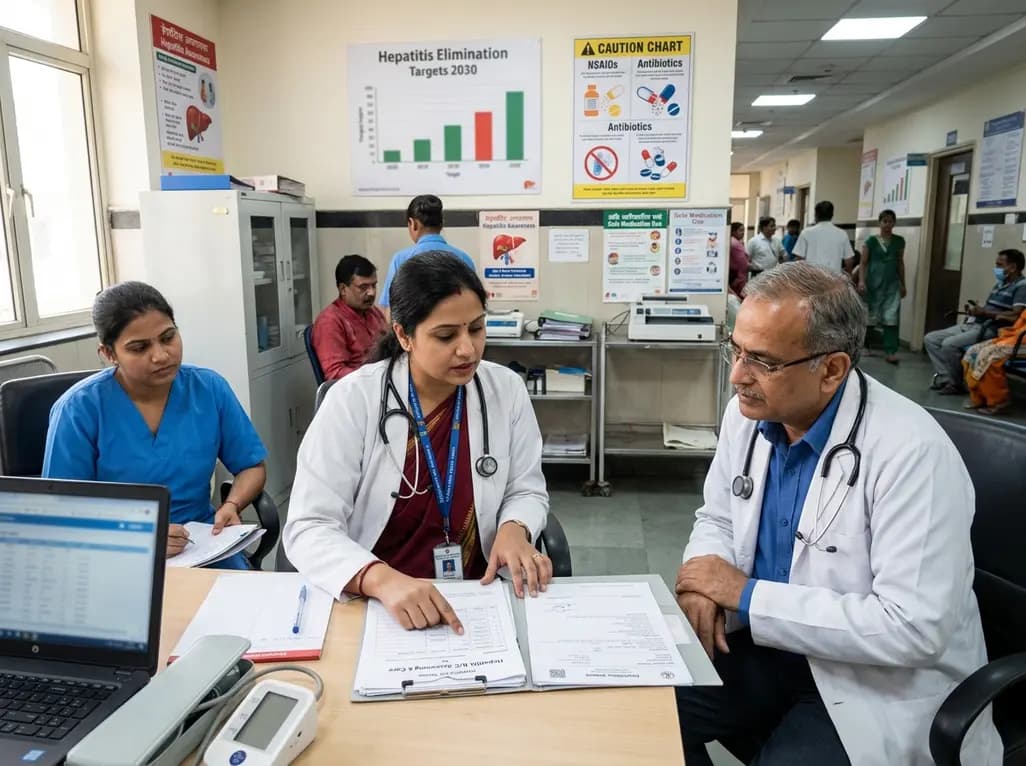
At a UN General Assembly side event, India reaffirmed its commitment to eliminate viral hepatitis B and C by 2030. Simultaneously, national drug authorities have cautioned clinicians and pharmacists against the indiscriminate prescription of NSAIDs and antibiotics to prevent drug-induced chronic kidney disease.
Today

A school-based intervention using the Health Action Process Approach (HAPA) significantly enhanced adolescents' perceived benefits of consulting healthcare providers and promoted proactive menstrual health behaviors, offering key clinical insights for managing adolescent dysmenorrhea and endometriosis.
Today
A landmark dose-response meta-analysis of 8.8 million adults reveals that high ultra-processed food intake significantly elevates risks for cardiovascular disease, cancer, diabetes, depression, and all-cause mortality, highlighting urgent needs for clinical lifestyle interventions.
Today
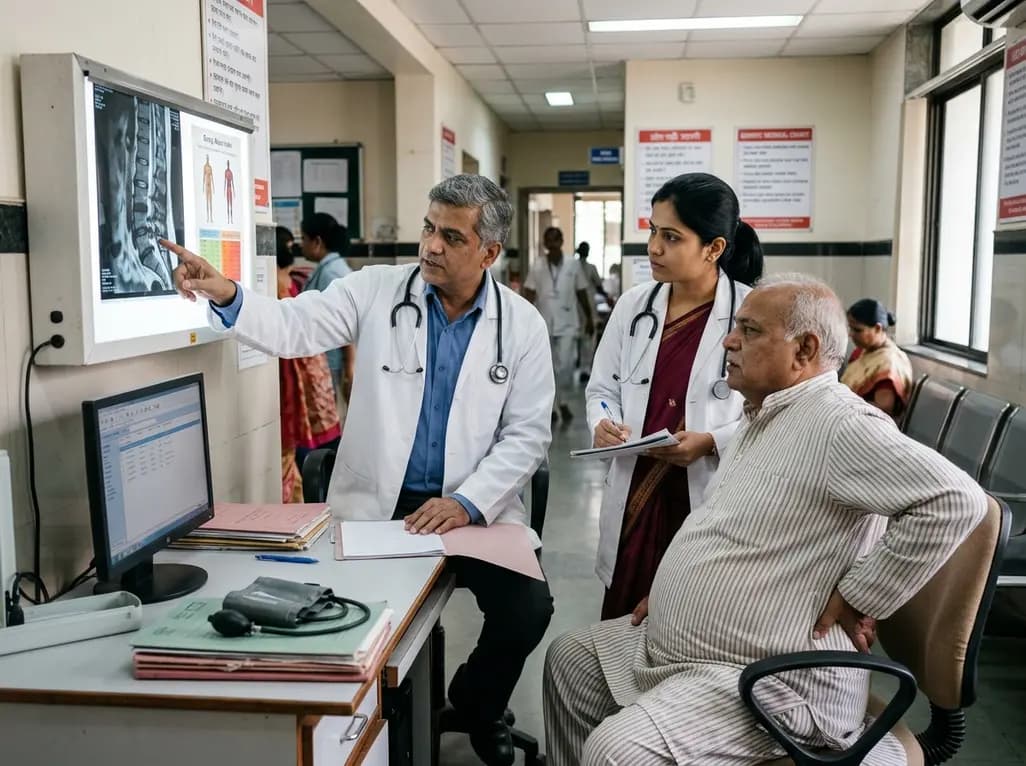
A cross-sectional study reveals that sarcopenic obesity independently increases functional impairment and severe disc degeneration in patients with degenerative lumbar spinal stenosis, highlighting the need for body composition assessment.
Today
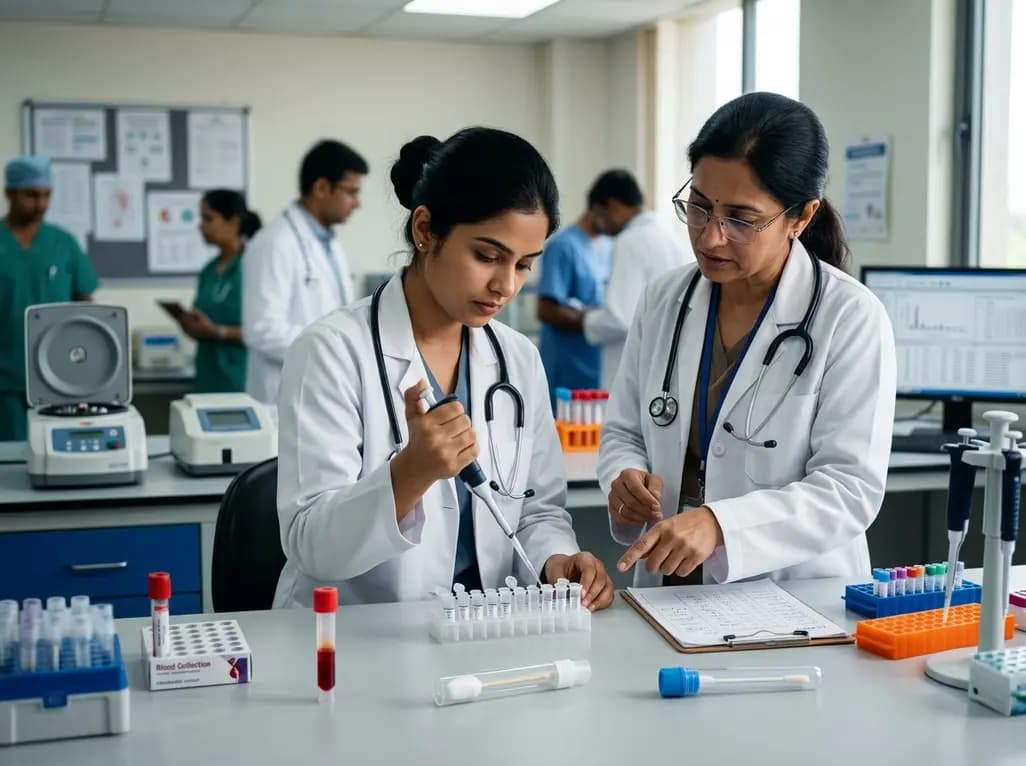
Non-invasive biospecimen sampling offers exciting opportunities for stress medicine. This article examines a pioneering protocol comparing cortisol, inflammatory cytokines, and metabolic markers across blood plasma, whole saliva, and oral mucosal transudate during baseline and acute stress states.
Today
