.webp&w=384&q=75)

Loading, please wait...
Loading, please wait...

Automated peritoneal dialysis provides essential renal replacement therapy for individuals experiencing end-stage renal disease across clinical and home environments. Modern cycler devices allow patients to undergo scheduled home dialysis during rest, enhancing overall quality of life and clinical flexibility. However, technical complications frequently emerge during automated peritoneal dialysis sessions, leading to sudden therapy interruptions. Understanding these recurring device malfunctions remains essential for nephrologists, nursing staff, and clinical technicians involved in home dialysis programs. When a cycler halts unexpectedly during nocturnal cycles, patients often experience significant distress, treatment delay, or inadequate solute clearance. A comprehensive clinical study systematically evaluated technical breakdowns in Baxter HomeChoice and HomeChoice Claria cyclers across an eight-year observation period from 2015 to 2023 [1]. Researchers analyzed routinely collected health data to document specific system errors, identify failure mechanisms, and formulate actionable resolution protocols. Consequently, establishing clear troubleshooting pathways reduces therapy interruptions, preserves patient safety, and minimizes unnecessary emergency clinical visits. Clinicians must recognize common failure patterns, including pressure sensor discrepancies, electronic memory glitches, power failures, and fluid circuit alarms. By addressing technical challenges proactively through structured educational frameworks, dialysis units can optimize patient outcomes, support home therapy confidence, and streamline clinical workflows effectively.
In automated peritoneal dialysis cyclers, pressure chamber errors represent the most frequent technical cause of therapy disruption [1]. The HomeChoice system utilizes pneumatic pressure chambers to regulate fluid movement accurately during fill, dwell, and drain phases. When pressure sensors register unexpected fluctuations or calibration offsets, the cycler halts therapy immediately to protect the patient from overfill or excessive fluid pressures. Observational findings reveal that pressure chamber faults account for over twenty-one percent of all recorded error incidents [1]. These errors typically stem from physical obstructions, fluid leakage, line occlusion, or sensor calibration loss. Nursing staff must verify that solution bags, drainage lines, and patient connectors remain completely unblocked and correctly aligned before starting therapy. Simultaneously, mechanical issues related to the set door mechanism can trigger abrupt treatment stoppages. Door sensor errors usually occur when disposable cassettes are seated improperly or when physical debris prevents total door closure. Although set door complications occur less frequently, accounting for roughly seven percent of incidents, they require immediate manual inspection [1]. Staff should instruct patients to inspect door latches, clean cassette seating surfaces, and ensure complete mechanical alignment before re-initiating automated priming cycles. Timely intervention prevents complete session termination and avoids fluid wastage.
Electronic system architecture plays a critical role in controlling cycler functions during automated peritoneal dialysis. The Digitalboard and Electrically Erasable Programmable Read-Only Memory (EEPROM) store vital treatment parameters, patient prescriptions, and device calibration metrics. When hardware microprocessors encounter internal communication glitches or memory corruptions, the cycler triggers system alarms that prevent execution of prescribed cycles. In clinical evaluation, Digitalboard and EEPROM malfunctions represented over seventeen percent of identified therapy-interrupting errors [1]. These electronic faults often present as unpredictable system codes on the display panel without prior physical warning. To resolve minor microprocessor glitches, clinicians recommended performing a controlled device power cycle by turning the main switch off and on after recording error codes [1]. However, persistent memory failures or recurring system fault alerts necessitate physical repair or complete motherboard replacement by authorized technical services. Healthcare providers must emphasize careful documentation of specific error codes displayed on the device screen during occurrences. Proper tracking enables nephrology teams to distinguish temporary software hangs from permanent hardware failures. Furthermore, routine preventive maintenance and periodic software updates substantially reduce electronic system failures, protecting continuous home therapy regimes for vulnerable dialysis populations.
Fluid management hazards represent another major category of therapy-interrupting technical errors in peritoneal dialysis cyclers. Specifically, air in line alarms, notably error 2240, occur when air bubbles pass into disposable tubing circuits during fluid transfer phases [1, 2]. Air entry typically arises from incomplete tubing priming, loose luer-lock connections, damaged cassette membranes, or improper solution bag spiking. Analysis showed that air in line errors constituted nearly twenty percent of total clinical incidents, with error 2240 appearing most frequently [1]. Managing these events requires clamping patient lines, muting alarms, inspecting connection tightness, and re-priming disposable sets according to standardized clinical protocols [2]. Additionally, power supply disruptions present significant risks to treatment continuity. Energy system failures, including battery depletion and power cord disconnections, comprised over sixteen percent of overall technical errors [1]. Error 1032 was heavily predominant within this category, often occurring due to auxiliary battery exhaustion or local electrical instability [1]. Dialysis personnel must educate patients to maintain secure electrical connections and verify auxiliary battery readiness before initiating evening therapy cycles. Promptly addressing power anomalies ensures continuous fluid exchanges and prevents unexpected session abandonments during nocturnal treatments.
Developing standardized resolution protocols is essential for managing technical complications during home peritoneal dialysis therapy. When a system error occurs, the primary priority involves preserving patient safety while attempting systematically to clear the fault. Clinicians and patients must follow a structured step-by-step troubleshooting algorithm to address therapy-interrupting events safely. First, the user should press the stop button to mute audible alarms and record the exact numerical error code alongside the current treatment phase [1, 2]. Next, users must inspect all external fluid lines for kinks, closed clamps, or loose connection points. If an electronic or software glitch is suspected, performing a power restart often resets temporary microprocessor faults. However, if system errors persist or indicate fluid leaks, users must clamp patient transfer lines immediately and end the treatment session safely [2]. In situations where automated therapy cannot resume, patients should transition smoothly to manual exchange procedures to complete their daily ultrafiltration requirements [2]. Clear clinical documentation of error codes allows nephrology teams to identify recurring equipment faults and arrange prompt device replacements. Integrating systematic troubleshooting algorithms into routine clinical education empowers home dialysis patients to manage unexpected technical issues confidently without experiencing unnecessary treatment omissions.
Methodological and technical education for nephrology nurses forms the backbone of successful home peritoneal dialysis management [1]. Because nurses serve as primary educators and clinical troubleshooters for home patients, comprehensive device training is critical. Nurses must understand specific system error codes, underlying device mechanics, and proper escalation procedures for HomeChoice and HomeChoice Claria cyclers. Incorporating hands-on troubleshooting simulations into regular nursing curricula enhances technical confidence and problem-solving efficiency. Educational programs should focus on high-frequency error categories, including pressure chamber calibration, cassette seating, air removal protocols, and battery maintenance [1, 3]. Moreover, clinical units must establish accessible 24/7 technical support hotlines to assist patients experiencing nocturnal cycler failures. Providing patients with clear, concise, step-by-step written guidebooks alongside emergency contact contacts drastically reduces anxiety during device alarms [2]. Dialysis centers should also maintain detailed registries of technical error reports based on routinely collected health data to track cycler reliability over time [1]. Continuous quality improvement initiatives, driven by robust clinical data, enable healthcare facilities to optimize equipment maintenance schedules and refine nursing training modules. Ultimately, investing in specialized nurse education ensures seamless technology integration, higher treatment adherence, and superior clinical outcomes for automated peritoneal dialysis patients.
The most frequent therapy-interrupting errors involve the pressure chamber and air in line detectors. Pressure chamber issues account for roughly 21.7% of incidents due to sensor calibration or flow obstruction. Air in line events, particularly error 2240, represent 19.57% of cases, commonly caused by loose connections or incomplete set priming. Electronic Digitalboard memory faults and battery energy system interruptions also occur regularly during clinical automated peritoneal dialysis operations.
When error 2240 appears, the patient should first press the stop button to mute the alarm and record the error details. They must inspect disposable lines for loose connections, unprimed air, or leaks. After clamping transfer lines, the machine should be turned off and restarted. If air remains trapped in the cassette, the patient must discard the disposable set and perform a manual exchange or set up fresh supplies.
A cycler requires technical service or replacement when system errors persist despite standard power cycling and troubleshooting. Persistent Digitalboard memory faults, repeated EEPROM failures, unresolvable pressure chamber alarms, or physical cassette door damage indicate permanent hardware malfunction. Patients should contact their nephrology unit or device technical support hotline immediately upon encountering unresolvable error codes to arrange rapid equipment replacement and prevent missed dialysis sessions.
Disclaimer: This content is for informational and educational purposes only... Refer to the latest local and national guidelines for clinical practice.
References
1. Albert A et al. Characterisation and management of therapy-interrupting system errors associated with the use of the HomeChoice cycler for automated peritoneal dialysis. BMC Health Serv Res. 2026 Aug 08. doi: undefined. PMID: 42571003.
2. Baxter Healthcare Corporation. HomeChoice and HomeChoice PRO Automated Peritoneal Dialysis System Patient at-Home Guide. Deerfield, IL: Baxter Healthcare; 2020.
3. Advisory Committee on Renal Disease. Guidelines for Automated Peritoneal Dialysis Management and Troubleshooting. Kidney Int Suppl. 2023;13(2):45-58.

Read summarized clinical updates, watch expert medical content, and earn CME certifications right from your smartphone.
Open your smartphone camera to scan and install.





An analysis of 138 therapy-interrupting system errors in HomeChoice APD cyclers reveals key failure points in pressure chambers, air lines, and digital boards. Learn evidence-based troubleshooting strategies to enhance nursing education and improve patient safety in home peritoneal dialysis.
last month
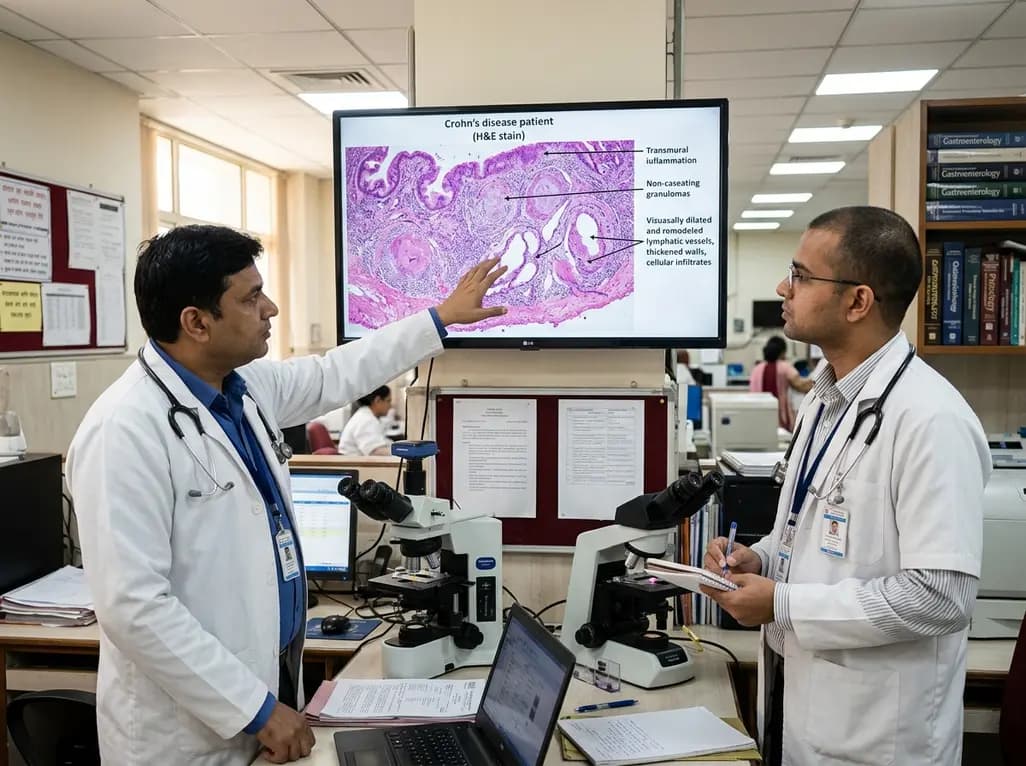
Intestinal lymphatic dysfunction is re-emerging as a fundamental driver of Crohn's disease pathogenesis. Explore how structural remodeling, lymphangitis, and defective clearance shape transmural inflammation and offer novel therapeutic targets.
Today

A school-based intervention using the Health Action Process Approach (HAPA) significantly enhanced adolescents' perceived benefits of consulting healthcare providers and promoted proactive menstrual health behaviors, offering key clinical insights for managing adolescent dysmenorrhea and endometriosis.
Today

A landmark dose-response meta-analysis of 8.8 million adults reveals that high ultra-processed food intake significantly elevates risks for cardiovascular disease, cancer, diabetes, depression, and all-cause mortality, highlighting urgent needs for clinical lifestyle interventions.
Today

A cross-sectional study reveals that sarcopenic obesity independently increases functional impairment and severe disc degeneration in patients with degenerative lumbar spinal stenosis, highlighting the need for body composition assessment.
Today

Non-invasive biospecimen sampling offers exciting opportunities for stress medicine. This article examines a pioneering protocol comparing cortisol, inflammatory cytokines, and metabolic markers across blood plasma, whole saliva, and oral mucosal transudate during baseline and acute stress states.
Today
