

Loading, please wait...
Loading, please wait...
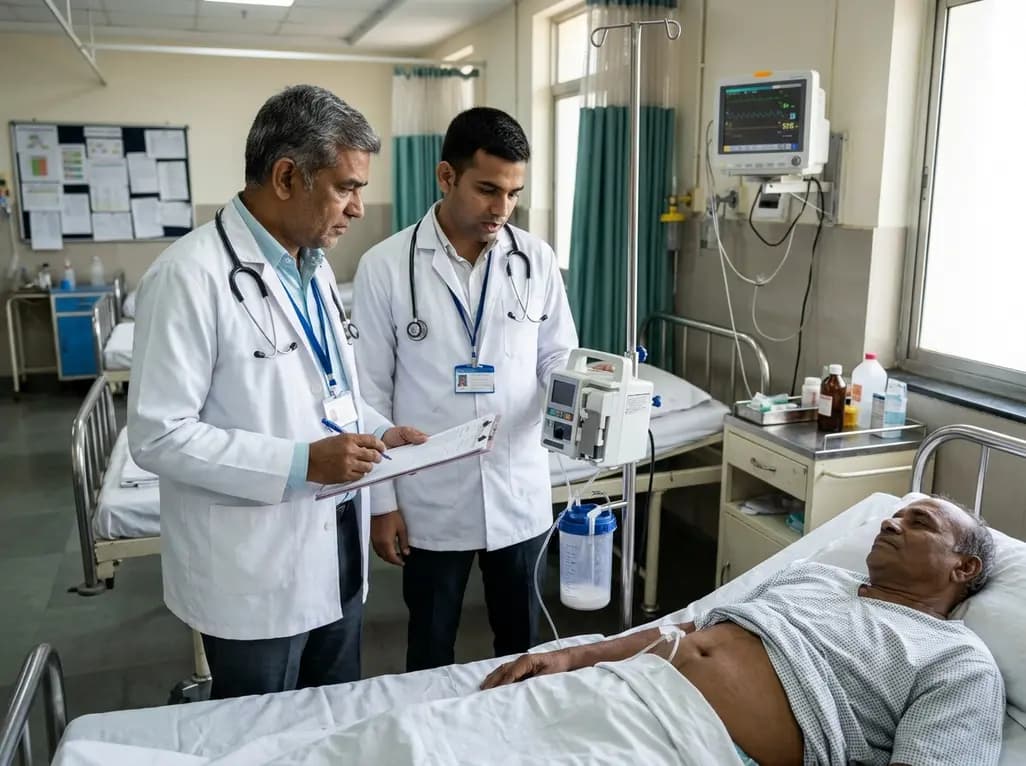
High-output enterocutaneous fistulas and proximal enterostomies represent severe postoperative complications that rapidly cause fluid depletion, electrolyte wasting, and intestinal failure. Clinicians frequently rely on prolonged parenteral nutrition to sustain these patients, yet intravenous feeding carries substantial risks of catheter sepsis, thrombosis, and metabolic dysfunction. Recently, automated chyme reinfusion has emerged as a promising restorative method to return proximal succus entericus into the distal digestive limb, aiming to re-establish enteral physiology and reduce parenteral dependence.
Enterocutaneous fistulas and proximal double enterostomies divert chyme outside the gastrointestinal tract before significant absorption occurs. Consequently, patients rapidly lose digestive enzymes, fluid, bicarbonate, and vital electrolytes. Traditional manual reinfusion, while physiologically sound, remains labor-intensive, unhygienic, and poorly accepted by nursing staff and patients. Modern automated chyme reinfusion systems address these limitations through dedicated pumping devices that automatically collect effluent from a stoma appliance and pump it into the distal intestinal loop. Therefore, the device restores downstream mucosal exposure to nutrients, water, and digestive secretions. Furthermore, reinfusing chyme stimulates distal mucosal trophism, which counteracts disuse atrophy. This physiological restitution preserves the gut microbiome and maintains hepatic enterocyte signaling pathways. As a result, the body reclaims natural absorptive capacity, stabilizing hydration balance without continuous intravenous fluid replacement.
A prospective descriptive cohort study conducted at Geneva University Hospitals between 2022 and 2025 evaluated this technology in hospitalized postoperative adults. The investigators enrolled twelve consecutive patients with high-output stomas or enterocutaneous fistulas to assess technical success, clinical safety, and nutritional evolution. Remarkably, the authors achieved technical feasibility in 10 out of 12 patients, representing an 83.3% success rate. Clinicians initiated the automated chyme reinfusion system at a median of 37 days following index abdominal surgery. Moreover, the therapy continued for a median treatment duration of 42 days, providing substantial intestinal rehabilitation prior to definitive reconstruction. Technical feasibility was strictly defined as uninterrupted device utilization without premature cessation due to equipment malfunction. Thus, these real-world data confirm that modern automated pumping systems can function reliably over extended treatment periods in complex surgical wards.
Re-establishing distal enteral continuity provides notable systemic benefits by reversing severe malabsorption and metabolic catabolism. In the Geneva cohort, ten patients required total parenteral nutrition at baseline before initiating therapy. Following the intervention, clinicians successfully discontinued parenteral nutrition entirely in three patients and achieved meaningful dose reductions in another three. In addition, patients demonstrated objective improvements in both weight maintenance and visceral protein reserves. The cohort median body weight rose steadily from 61.7 kg at baseline to 64.6 kg after four weeks of therapy. Similarly, median serum albumin levels increased from 25 g/L to 29.5 g/L during the same observation window. Consequently, these nutritional gains suggest that distal enteral feeding significantly restores nitrogen assimilation and systemic protein synthesis. Furthermore, weaning patients off parenteral infusions minimizes central line infections and substantially lowers overall healthcare expenses.
Although automated chyme reinfusion delivers substantial metabolic advantages, practical hurdles and mechanical complications remain frequent during therapy. In the Geneva study, nine out of twelve patients encountered reinfusion-related difficulties, including pump blockages, peristomal leakage, and tubing disconnections. Thick, viscous intestinal succus occasionally obstructs narrow catheter channels, requiring vigilant nursing surveillance and frequent saline flushes. More critically, two patients suffered catheter migration events during their treatment course. In one patient, catheter displacement culminated in a small-bowel perforation that necessitated urgent surgical resection. Therefore, secure placement and reliable fixation of the distal enteral tube are paramount to ensure patient safety. Surgical teams must carefully confirm distal bowel patency via fluoroscopy before initiating pumping. Accordingly, clinicians must balance potential metabolic benefits against mechanical hazards, ensuring that intensive monitoring protocols govern all bedside device operations.
In Indian tertiary referral centers, post-laparotomy bowel dehiscence, abdominal tuberculosis, and trauma frequently lead to complicated enterocutaneous fistulas and temporary high-output stomas. Managing these patients with long-term total parenteral nutrition imposes severe financial burdens on families and strains hospital resources. Under such circumstances, implementing automated chyme reinfusion could offer an invaluable therapeutic bridge before definitive reconstructive surgery. However, widespread adoption across Indian hospitals requires tailored patient selection and rigorous stoma care training. Enterocutaneous fistulas with persistent distal strictures or ongoing intra-abdominal sepsis are unsuitable for reinfusion until surgeons resolve downstream obstruction. In addition, specialized clinical teams, including wound-ostomy nurses and clinical dietitians, must guide bedside tube maintenance. Consequently, prospective multicenter studies in India should evaluate cost-effectiveness, local device availability, and practical safety protocols to optimize intestinal rehabilitation strategies.
Automated chyme reinfusion is a therapeutic technique that utilizes a specialized mechanical pump to transport digestive secretions and food effluent collected from a proximal enterostomy or fistula directly into the downstream bowel. This process restores gastrointestinal tract continuity, stimulates mucosal absorption, prevents gut atrophy, and facilitates natural nutrient uptake, effectively decreasing long-term dependence on intravenous nutrition.
Ideal candidates are hemodynamically stable postoperative patients who present with high-output proximal jejunostomies, ileostomies, or enterocutaneous fistulas. However, candidates must possess adequate downstream bowel length free of active mechanical obstruction, severe distal radiation enteritis, active intra-abdominal sepsis, or complete distal mucosal disruption. Clinical teams typically confirm distal patency using contrast fluoroscopy prior to beginning therapy.
Primary risks encompass mechanical complications, such as tube clogs, device displacement, skin excoriation from peristomal leaks, and abdominal cramping or diarrhea caused by rapid infusion rates. Most seriously, internal catheter migration can cause intestinal wall pressure necrosis or frank bowel perforation, which requires emergency operative exploration and resection as demonstrated in recent clinical cohort evaluations.
Disclaimer: This content is for informational and educational purposes only, and should not be taken as professional medical advice. Refer to the latest local and national guidelines for clinical practice.
References
Boros M et al. Feasibility and safety of an automated chyme reinfusion device for high-output stomas and enterocutaneous fistulas in hospitalized adults: A descriptive cohort study. JPEN J Parenter Enteral Nutr. 2026 Nov 15. doi: 10.1002/jpen.70165. PMID: 43034895.
Prassas D, et al. Chyme Reinfusion in Patients with High-Output Enterocutaneous Fistulas and Enterostomies Undergoing Surgical Reconstruction: A Systematic Literature Review and Meta-Analysis. Dig Dis Sci. 2025;70(8):2145-2155.
Farrer K, et al. Chyme reinfusion therapy in adults with severe acute intestinal failure: A descriptive cohort study. JPEN J Parenter Enteral Nutr. 2025;49(1):85-93.
Picot D, et al. Chyme reinfusion in patients with intestinal failure due to temporary double enterostomy: A 15-year prospective cohort in a referral centre. Clin Nutr. 2017;36(2):593-600.

Read summarized clinical updates, watch expert medical content, and earn CME certifications right from your smartphone.
Open your smartphone camera to scan and install.





A descriptive cohort study evaluates the feasibility and safety of automated chyme reinfusion devices in hospitalized adults with high-output stomas and enterocutaneous fistulas, highlighting nutritional recovery, reduced parenteral nutrition needs, and mechanical complication risks.
Today

The 2025 Australian meningococcal surveillance report shows a 13% decline in invasive meningococcal disease notifications to 118 cases. Genogroup B accounted for 82.2% of typed infections, predominantly impacting infants and young adults, highlighting critical vaccination and rapid diagnostic imperatives.
Today
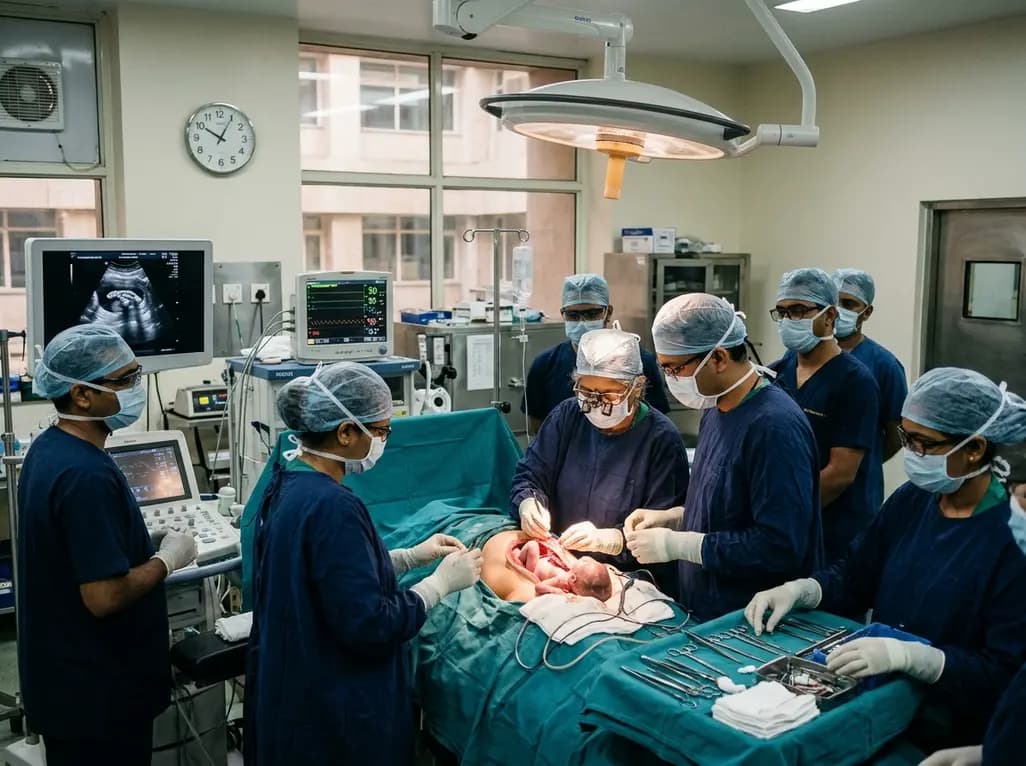
Doctors at AIIMS New Delhi have achieved a historic milestone by performing India's first open prenatal myelomeningocele repair on a 25-week unborn fetus. This landmark multidisciplinary procedure provides vital neuroprotective benefits, lowers hydrocephalus risks, and transforms maternal-fetal medicine nationwide.
Today
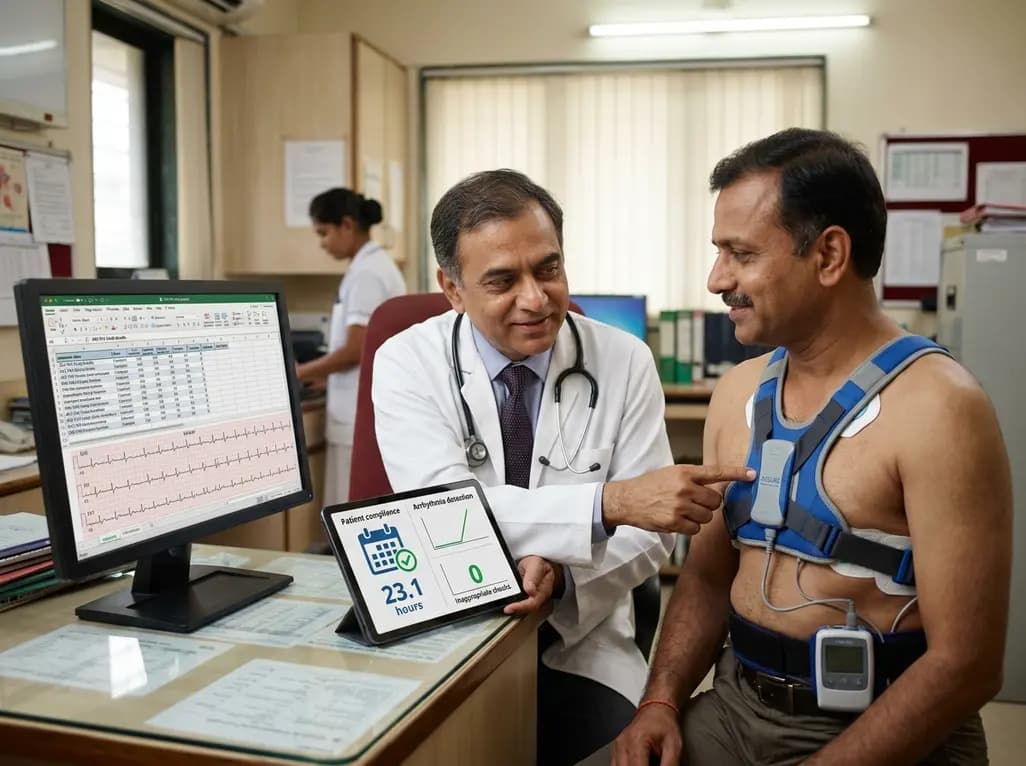
The ACE-PAS registry evaluated 21,612 patients fitted with the ASSURE wearable cardioverter defibrillator. The study demonstrated a 100% ventricular arrhythmia conversion rate, an inappropriate shock incidence of 0.0065 per patient-month, and high daily compliance of 23.1 hours, confirming real-world safety.
Today

A clinical overview of resveratrol supplementation in mitigating exercise-induced muscle damage. This narrative review explores physiological mechanisms, reductions in soreness markers like creatine kinase, dosage strategies, and bioavailability enhancements for sports medicine and nutrition practitioners.
Today

Childhood insulinoma is a rare cause of recurrent hyperinsulinemic hypoglycemia that often eludes early diagnosis. Advanced GLP-1 receptor-targeted PET/CT imaging using 68Ga-exendin-4 complements anatomic MRI to localize occult pancreatic lesions, facilitating focused, curative surgical enucleation.
Today
