.webp&w=384&q=75)

Loading, please wait...
Loading, please wait...
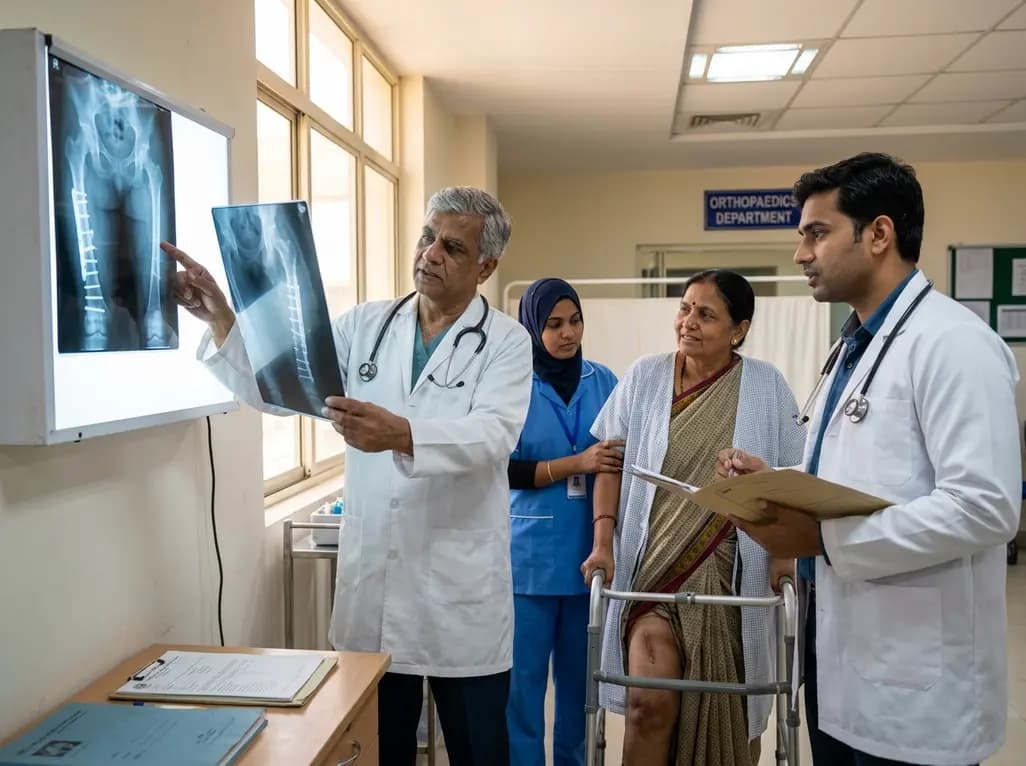
Managing atypical femoral fracture nonunion represents one of the most demanding challenges in contemporary adult reconstructive orthopedics. Indeed, prolonged suppression of bone turnover from antiresorptive agents creates brittle cortical bone that resists ordinary physiological repair. Consequently, standard revision protocols frequently fail when surgeons do not address underlying mechanical instability and biological deficits simultaneously. Therefore, recent clinical evidence highlights augmentative plating with or without exchange nailing as an exceptionally reliable strategy for achieving definitive union.
Atypical femoral fractures originate primarily from sustained suppression of targeted bone remodeling, most commonly following long-term bisphosphonate or denosumab administration. While these antiresorptive medications effectively prevent typical osteoporotic fragility fractures, they simultaneously arrest normal microdamage repair. Consequently, microcracks accumulate along the tension-stressed lateral femoral cortex over time. When these stress fractures progress to complete displacement, standard intramedullary nailing often encounters delayed healing or catastrophic nonunion.
Moreover, atypical femoral fracture nonunion frequently presents with distinctive radiographic features, including transverse fracture lines, focal cortical beaking, and diffuse cortical hypertrophy. Sclerotic fracture edges indicate severely impaired osteogenic capacity. In addition, patients consistently demonstrate mechanical loosening of existing hardware. When rotational and shear forces persist across the fracture gap, hardware instability inevitably intensifies. Therefore, surgeons must recognize that these injuries do not behave like typical high-energy traumatic fractures. Instead, they require a comprehensive revision approach that addresses severe cortical brittleness, suppresses destructive micromotion, and restores local cellular osteogenesis.
Mechanical instability remains the primary driver of persistent nonunion after intramedullary nail fixation. Standard reamed nails tolerate significant axial loads, yet they often permit subtle rotational instability and angular toggle. This micromotion completely halts secondary bone healing in biologically compromised femurs. Augmentative plating resolves this problem by converting a flexible load-sharing system into an extremely rigid construct.
Furthermore, adding an anterolateral or lateral locking plate dramatically increases construct stiffness. Surgeons typically leave the existing nail in place or insert a fresh, larger nail before securing the plate with bicortical and unicortical screws. Clinical data demonstrate that securing an average of four to five cortices on each side of the fracture gap provides sufficient purchase. As a result, the construct resists both torsional deformation and cantilever bending stresses. In addition, compression plating facilitates absolute stability across the sclerotic cortical edges. This mechanical rigidity shields the delicate callus from shearing strain, thereby creating an optimal biomechanical environment for direct osteonal bridging.
Determining whether to exchange the intramedullary nail or perform augmentative plating alone depends entirely on implant integrity and femoral geometry. When the existing nail exhibits substantial loosening, significant toggle, or structural deformation, surgeons should perform exchange nailing. During this procedure, clinicians extract the loose implant, ream the canal to a wider diameter, and insert a heavier nail. Consequently, the reaming process also stimulates endosteal vascularity and deposits osteogenic bone debris directly into the fracture site.
Conversely, if the existing intramedullary nail remains well-fixed without fatigue damage, augmentative plating alone provides an outstanding alternative. Leaving the stable nail in place avoids the extensive surgical morbidity and heavy blood loss associated with nail extraction. Furthermore, this approach preserves undisturbed endosteal bone stock and shortens operative duration. Nevertheless, surgeons must ensure that the plate achieves adequate screw purchase without impinging on the indwelling nail. By tailoring the procedure to implant stability, surgical teams achieve excellent consolidation while minimizing patient morbidity.
Varus malalignment represents a notorious contributor to fixation failure and persistent nonunion in subtrochanteric atypical fractures. Because the lateral femoral cortex experiences massive tensile strain during normal ambulation, any residual varus tilt amplifies these distracting forces. Therefore, failure to restore the anatomical neck-shaft angle almost guarantees progressive implant loosening or hardware breakage.
During revision surgery, clinicians must actively correct varus deformities to convert damaging tensile stresses into beneficial compressive vectors. Surgeons frequently utilize augmentative plating as a powerful reduction tool to realign displaced proximal fragments. In addition, adjusting the neck-shaft angle restores the physiological mechanical axis of the lower extremity. Recent clinical investigations confirm that correcting varus malalignment directly correlates with prompt nonunion consolidation. Furthermore, anatomical realignment normalizes abductor muscle lever arms, which reduces joint reactive forces across the hip. Ultimately, neutralizing tensile strain through precise mechanical realignment provides the foundational stability that fragile cortical bone requires to unite.
Surgical stabilization addresses only half of the challenge in atypical femoral fracture nonunion; metabolic rehabilitation remains equally vital. Antiresorptive agents such as alendronate and zoledronic acid bind tenaciously to bone hydroxyapatite, suppressing bone remodeling for months or years. Consequently, clinicians must immediately discontinue all bisphosphonates and denosumab upon diagnosing fracture nonunion.
Monitoring preoperative bone turnover markers provides invaluable insight into biological recovery. Specifically, testing serum levels of cross-linked C-telopeptide and osteocalcin helps clinicians evaluate whether suppressed remodeling has normalized. Clinical trials demonstrate that bone turnover markers recover adequately in most patients after medication cessation, indicating renewed osteoblastic and osteoclastic activity. Moreover, many orthopedic specialists now recommend anabolic therapy with teriparatide or romosozumab to accelerate skeletal regeneration. These osteoanabolic agents stimulate active bone formation, accelerate bridging callus development, and dramatically shorten time to radiographic union. Therefore, combining rigid augmentative plating with metabolic optimization offers the highest probability of clinical success.
Achieving solid radiographic union directly translates into meaningful functional recovery for patients recovering from atypical femoral fracture nonunion. Historically, individuals experiencing nonunion suffer from chronic groin discomfort, unremitting thigh pain, and severe ambulatory decline. Most affected individuals require extensive assistive devices or remain entirely bedridden prior to revision intervention.
Fortunately, rigid stabilization through augmentative plating permits early progressive mobilization. Postoperative evaluation utilizing validated ambulatory metrics, such as the Koval score, reveals dramatic functional improvements within twelve months. Specifically, median scores improve substantially from dependent ambulation to independent or single-cane walking. In addition, prompt bony consolidation alleviates deep musculoskeletal pain, which directly improves quality of life. Furthermore, early weight-bearing stimulates mechanotransduction pathways, thereby accelerating cortical remodeling. Ultimately, by eliminating mechanical instability and restoring lower limb alignment, surgeons enable elderly patients to regain their baseline independence and avoid the debilitating complications of prolonged immobility.
Prolonged antiresorptive therapy severely suppresses physiological bone remodeling, leading to the accumulation of microcracks within brittle cortical bone. Furthermore, residual varus malalignment and mechanical instability after initial intramedullary fixation exacerbate tensile stress along the lateral cortex. Because the sclerotic bone lacks sufficient intrinsic cellular healing capacity, persistent rotational toggle and cantilever micromotion prevent secondary bone consolidation. Consequently, patients develop symptomatic nonunion, marked by painful hardware loosening and progressive ambulatory decline.
Isolated exchange nailing often fails to eliminate destructive rotational and toggle forces in wide metaphyseal-diaphyseal regions. In contrast, augmentative plating provides superior rotational stiffness and bending resistance by securing multiple cortices on either side of the nonunion. Surgeons can perform augmentative plating over a retained stable nail or combine it with exchange nailing. This hybrid construct establishes absolute mechanical rigidity, effectively protecting the compromised osteogenic biology and ensuring predictable bone consolidation.
Clinicians must immediately discontinue antiresorptive agents to allow the biological recovery of suppressed bone turnover markers. In addition, initiating osteoanabolic agents such as teriparatide substantially accelerates local cellular osteogenesis and bridging callus formation. While augmentative plating provides the essential mechanical environment by eliminating shear forces, anabolic medical management restores the impaired cellular biology. Therefore, combining rigid revision fixation with targeted medical bone stimulation produces optimal union rates and restores ambulatory function.
Disclaimer: This content is for informational and educational purposes only and does not constitute medical advice, diagnosis, or treatment. Healthcare professionals should exercise their independent clinical judgment. The views expressed are based on available evidence and do not necessarily reflect official policies. Refer to the latest local and national guidelines for clinical practice.
References

Read summarized clinical updates, watch expert medical content, and earn CME certifications right from your smartphone.
Open your smartphone camera to scan and install.





Atypical femoral fracture nonunion presents severe biological and mechanical challenges. A new study highlights that combining augmentative plating with or without exchange nailing corrects varus malalignment, achieves complete bone union, and significantly improves postoperative ambulatory function in patients.
Today
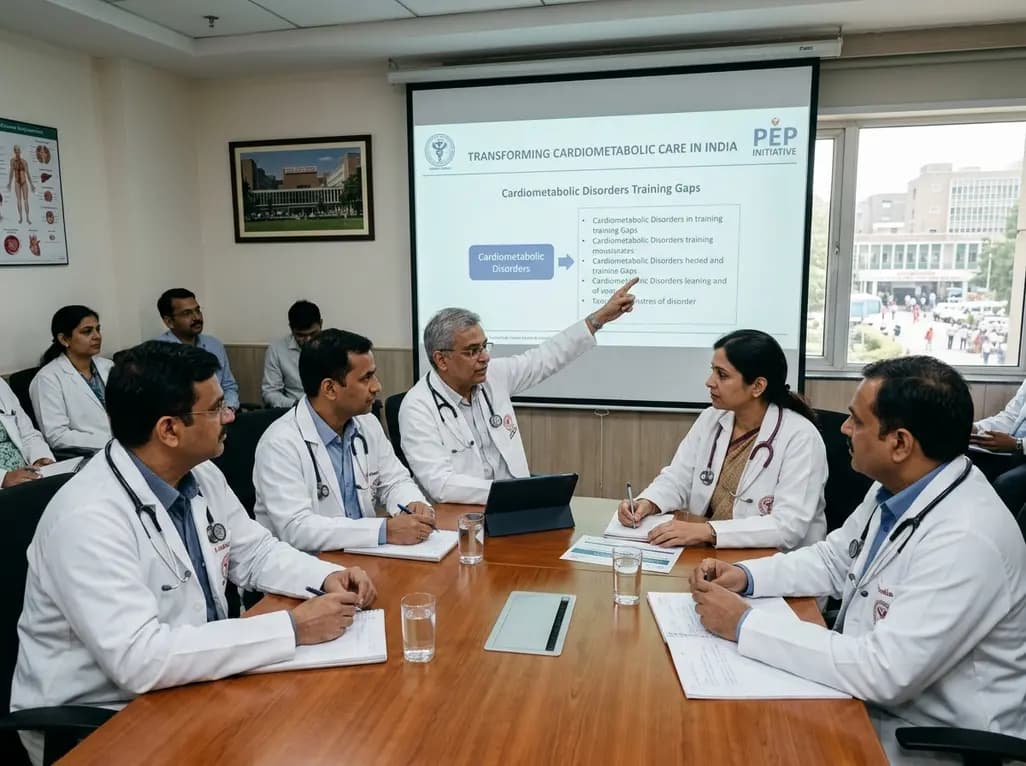
The All India Institute of Medical Sciences has convened national health experts, policymakers, and state nodal officers to transform medical training for cardiometabolic disorders. This collaborative effort under the PEP initiative addresses training gaps to elevate chronic disease care across Indian healthcare.
Today

A recent qualitative study examines how college students seek digital sexual health information under persistent uncertainty. Discover the concept of functional trust, the clinical hazards of search abandonment, and evidence-based approaches clinicians can adopt to guide youth toward verified reproductive healthcare.
Today
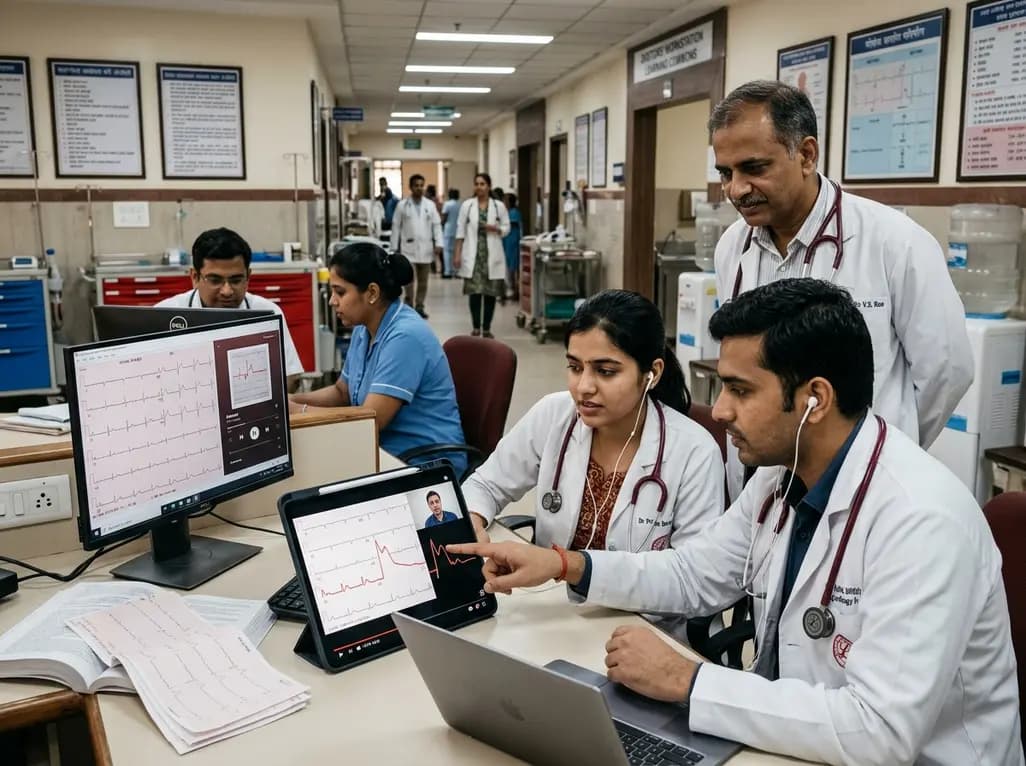
A randomized controlled trial demonstrates that curated FOAMed videos and podcasts produce superior gains in high-risk ECG interpretation and acute coronary syndrome clinical decision-making compared with print-based materials among interprofessional emergency care teams.
Today
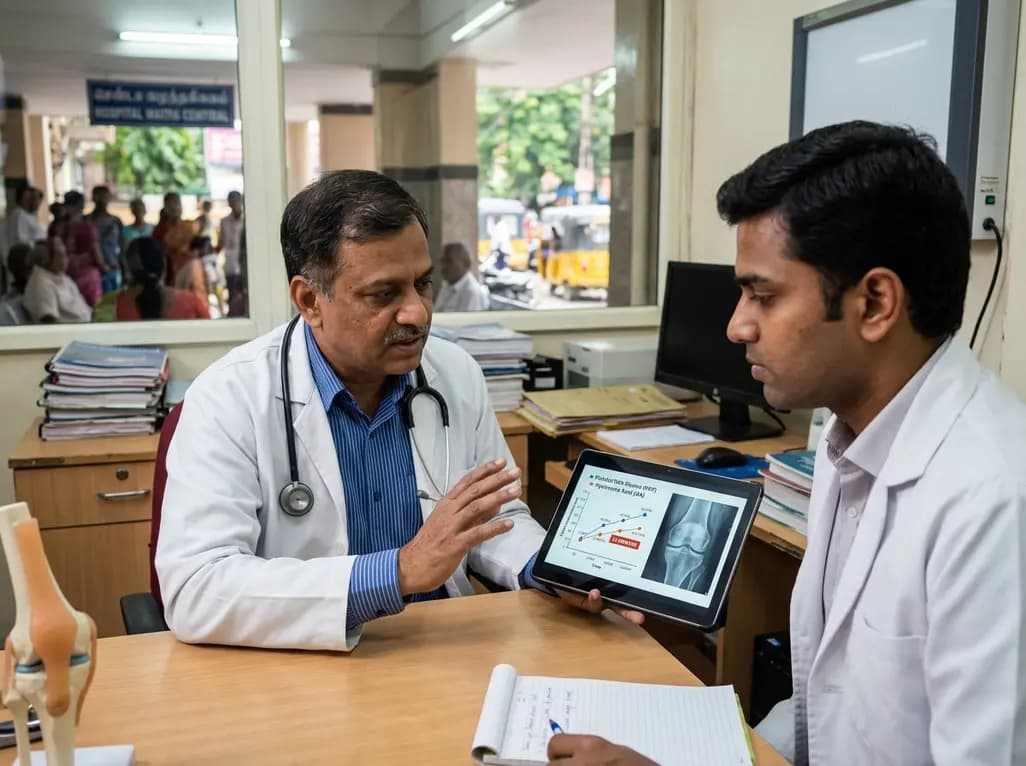
A systematic review and meta-analysis of 21 RCTs reveals that platelet-rich plasma provides small but statistically superior pain relief and functional improvements compared to hyaluronic acid at 12 months in knee osteoarthritis, influenced by platelet concentration and leukocyte enrichment.
Today

A multicenter real-world prospective study in Taiwan demonstrates that liraglutide effectively reduces body weight and BMI standard deviation score in adolescents with obesity. The therapy shows a favorable safety profile with mild gastrointestinal adverse events and zero treatment discontinuations due to intolerance.
Today
