.webp&w=384&q=75)

Loading, please wait...
Loading, please wait...

Advancements in neuroimaging have dramatically increased the incidental detection of asymptomatic brain metastases among patients living with advanced solid malignancies. Consequently, oncologists frequently confront critical referral decisions when routine surveillance reveals occult intracranial disease. Traditionally, the urgent discovery of central nervous system involvement prompts immediate referral to acute emergency services. However, emerging clinical evidence indicates that this reflexive acute pathway often introduces unnecessary physical, emotional, and financial burdens. Instead, structured outpatient multidisciplinary care models offer a coordinated alternative that preserves safety while optimizing resource allocation. Evaluating these distinct care trajectories provides invaluable insight into modern neuro-oncological management.
Encountering asymptomatic brain metastases on restaging scans often creates significant distress for both clinicians and patients. Because intracranial involvement historically heralded severe neurological deterioration, physicians frequently route patients into emergency departments to expedite neurosurgical evaluations. Nevertheless, true clinical emergencies rarely occur in patients who lack focal deficits, overt intracranial hypertension, or impending herniation. Therefore, reflexive emergency department visits may expose stable patients to chaotic hospital environments and disjointed clinical encounters. In addition, acute admissions often lead to redundant diagnostic imaging, including repeat non-contrast head computed tomography scans that provide minimal actionable insight beyond the baseline magnetic resonance imaging. Furthermore, inpatient stays detach patients from their longitudinal primary oncology teams, potentially disrupting systemic chemotherapy schedules. Thus, clinicians increasingly advocate for streamlined outpatient assessment frameworks. These specialized ambulatory clinics allow comprehensive evaluations by radiation oncologists, neurosurgeons, and medical oncologists in unified consultation sessions. Consequently, physicians can thoughtfully assess lesion kinetics, peritumoral edema, and molecular tumor markers without subjecting patients to acute institutional stressors. Ultimately, differentiating urgent intracranial catastrophes from stable incidental lesions remains crucial for high-value cancer care delivery.
Recent multi-institutional investigations evaluated healthcare delivery across contrasting clinical settings to clarify pathway differences. Specifically, researchers conducted a comprehensive cohort study comparing an expedited multidisciplinary outpatient program against standard acute inpatient care pathways. The investigators evaluated seventy-eight adult cancer patients presenting with de novo asymptomatic brain lesions across several consecutive years. Notably, both study cohorts exhibited comparable baseline clinical profiles, including equivalent diagnosis-specific graded prognostic assessment scores. However, patients channeled into the acute inpatient pathway presented with slightly larger dominant intracranial lesions, averaging 2.9 centimeters compared to 2.0 centimeters in the outpatient cohort. Clinicians in the acute pathway initiated local brain-directed interventions significantly faster than outpatient providers, achieving median treatment initiation in 9.2 days versus 22.2 days. Nevertheless, this modest acceleration required considerable trade-offs in clinical burden. Inpatient management subjected patients to an average of 7.1 separate clinical encounters, whereas outpatient cohorts required only 2.5 encounters. Moreover, hospitalized patients experienced an average of 5.9 inpatient admitted days, compared to only 1.1 days among ambulatory patients. Consequently, emergency hospitalizations generated substantial disruption without demonstrated clinical urgency.
The economic repercussions of acute hospitalizations impose severe financial toxicity on oncology patients and institutional healthcare systems. In the comparative analysis, researchers documented stark differences in medical expenses between the two clinical trajectories. Specifically, acute inpatient pathways accumulated an average gross charge of 145,659 dollars per patient. In contrast, the dedicated outpatient multidisciplinary pathway accrued an average gross charge of 94,055 dollars. Therefore, outpatient management generated a statistically significant mean cost savings of 51,604 dollars per patient. This substantial economic divergence stems primarily from unnecessary room-and-board inpatient hospital fees, repetitive laboratory panels, and emergency department facility surcharges. Furthermore, acute admissions consume valuable institutional resources, occupying monitored inpatient beds that critically ill patients urgently require. Ambulatory multidisciplinary clinics simultaneously eliminate unnecessary diagnostic repeats by centralizing high-resolution neuroimaging reviews among expert subspecialists. Additionally, eliminating avoidable admissions spares vulnerable cancer patients from indirect non-medical expenditures. Families often lose wages, incur travel expenses, and shoulder substantial caregiving burdens during acute hospital stays. Consequently, transitioning stable patients into outpatient workflows directly mitigates cumulative financial distress while preserving institutional bed capacity.
Oncologists understandably prioritize whether delaying local intervention by several days compromises therapeutic efficacy or long-term clinical survival. Crucially, the landmark study confirmed that the outpatient approach safely achieved comparable oncologic benchmarks. At six months of follow-up, overall survival rates stood at 83 percent in the outpatient multidisciplinary cohort and 81 percent in the acute cohort. This minute difference proved statistically indistinguishable, demonstrating that expedited ambulatory planning does not compromise patient longevity. Similarly, investigators evaluated local tumor control using standardized Response Assessment in Neuro-Oncology criteria for brain metastases. Outpatient cohorts demonstrated a remarkable 92 percent local disease control rate at six months, compared to 96 percent in the acutely managed group. Furthermore, rates of treatment-related radiation necrosis and adverse neurological events remained statistically comparable between both cohorts. Stereotactic radiosurgery and surgical resection achieved identical oncologic efficacy regardless of referral origin. Thus, taking two additional weeks to obtain high-resolution stereotactic magnetic resonance imaging, organize multidisciplinary reviews, and tailor systemic therapies does not jeopardize patient safety. Instead, deliberate outpatient planning facilitates comprehensive treatment personalization.
Implementing outpatient neuro-oncology pathways carries tremendous relevance for the Indian healthcare ecosystem. In India, most cancer patients pay for medical treatments through direct out-of-pocket spending. Consequently, uncoordinated emergency room visits and unexpected hospital admissions plunge vulnerable families into profound financial distress. Moreover, premier tertiary cancer centres in metro cities face severe bed shortages, protracted emergency department waiting times, and overburdened staff. Directing clinically stable patients into dedicated outpatient clinics can alleviate ward congestion and conserve specialized inpatient resources. Furthermore, Indian oncologists can establish rapid-access clinics where neurosurgeons, radiation oncologists, and medical oncologists review cases synchronously. Such collaborative clinics eliminate fragmented referrals across disparate hospital departments. Clinicians can safely initiate prophylactic anti-edema therapies or systemic targeted drugs while coordinating outpatient stereotactic radiotherapy. In addition, tele-oncology networks can connect regional district hospitals with metropolitan centers to triage asymptomatic lesions before families travel vast distances for acute admissions. Ultimately, developing structured outpatient referral algorithms empowers Indian clinicians to deliver equitable, high-value neuro-oncological care that safeguards patient quality of life.
Yes, clinically stable patients without neurological deficits, elevated intracranial pressure, or impending herniation can be evaluated safely in outpatient settings. Dedicated multidisciplinary clinics allow coordinated reviews between neurosurgeons, radiation oncologists, and medical oncologists. This approach eliminates unnecessary emergency admissions while preserving local tumor control and six-month survival outcomes.
Current evidence demonstrates that a modest delay of ten to fourteen days for outpatient radiosurgery planning does not compromise survival or local tumor control. Comprehensive outpatient evaluations allow precise magnetic resonance imaging, accurate contouring, and integrated systemic treatment planning, yielding clinical outcomes completely equivalent to those seen with acute inpatient management.
Outpatient pathways significantly curb healthcare costs by eliminating expensive emergency department visits, redundant acute diagnostics, and inpatient room-and-board charges. In clinical studies, ambulatory pathways reduced gross charges by over fifty thousand dollars per patient, thereby mitigating personal out-of-pocket distress and conserving critical hospital beds for emergent neurosurgical crises.
Disclaimer: This content is for informational and educational purposes only. It is not intended to be a substitute for professional medical advice, diagnosis, or treatment. Always seek the advice of your physician or another qualified healthcare provider with any questions you may have regarding a medical condition or treatment options. Never disregard professional medical advice or delay in seeking it because of something you have read here. Refer to the latest local and national guidelines for clinical practice.
References

Read summarized clinical updates, watch expert medical content, and earn CME certifications right from your smartphone.
Open your smartphone camera to scan and install.





A new comparative study demonstrates that specialized outpatient multidisciplinary care for asymptomatic brain metastases significantly curbs healthcare utilization and financial burden while preserving oncologic efficacy and survival compared to emergency acute care pathways.
Today
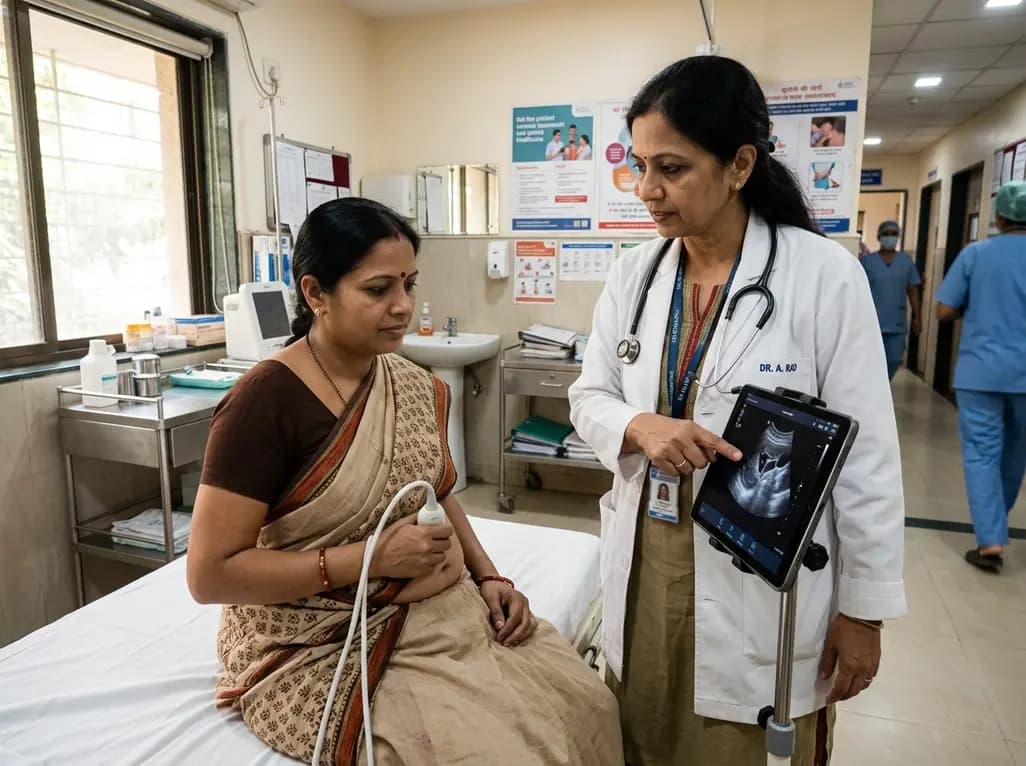
Self-performed ultrasound empowers patients to capture diagnostic-quality scans for remote clinical review. This review evaluates its accuracy, technological challenges, and integration hurdles.
Today

A 5-year retrospective study evaluates prenatal ultrasound detection of fetal cleft lip and palate. While overall detection reached 87%, accuracy varied from 99.3% in combined clefts to 50% in isolated cases. Combined defects showed elevated risks of concurrent structural anomalies and chromosomal abnormalities.
Today

An updated systematic review and meta-analysis of 7,875 patients reveals that routine microaxial left ventricular support during nonemergent high-risk PCI does not reduce mortality or ischemic complications, while significantly increasing major bleeding events.
Yesterday

Following Cyclone Chido, a WHO EMT-2 field hospital performed 268 surgeries in Mayotte. While acute trauma is expected initially, 98% of cases were septic wounds of the extremities requiring secondary intention healing, revealing crucial operational insights for disaster surgical preparedness.
Today

The SED-SEEN-SEEP consensus outlines an Integrated Care Pathway for preclinical type 1 diabetes, structuring target screening, autoantibody confirmation, metabolic staging, and proactive follow-up to prevent diabetic ketoacidosis and facilitate early disease-modifying intervention.
Yesterday
