.webp&w=384&q=75)

Loading, please wait...
Loading, please wait...
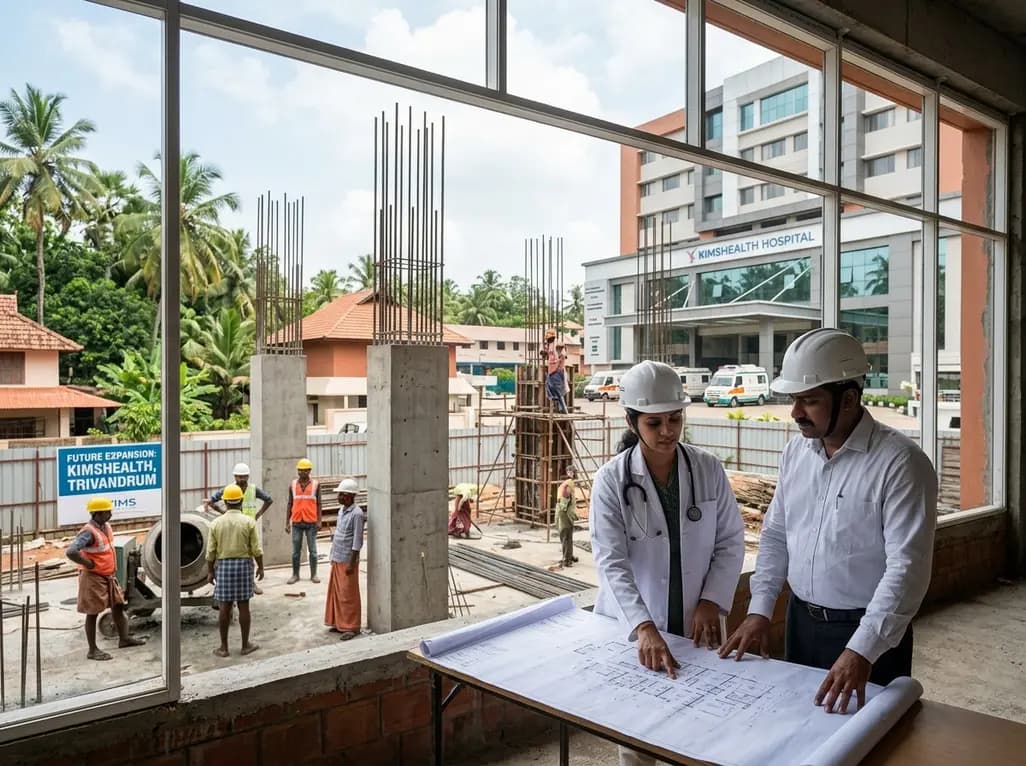
The healthcare infrastructure in Kerala is set for a substantial boost following a major corporate announcement. Aster DM Quality Care Limited has officially approved a capital outlay of approximately Rs 134.4 crore through its material subsidiary, KIMS Health Care Management Limited (KHML). This extensive KIMSHEALTH hospital expansion will construct a state-of-the-art building block and optimize existing clinical units in Thiruvananthapuram. Consequently, the flagship medical center will significantly expand its clinical footprint to serve a rising influx of domestic and international patients seeking tertiary care.
The primary driver behind this capital allocation is the urgent need to alleviate severe physical space constraints. Currently, KIMSHEALTH Hospital in Thiruvananthapuram operates around 795 beds and consistently registers high patient occupancy. In the recent fiscal year, the center maintained an average occupancy of 75 percent with roughly 596 occupied beds. Therefore, management approved the addition of 184 new beds, which will raise the facility's overall capacity to approximately 979 beds. In addition, the project will optimize existing operational layouts to improve clinical workflows across outpatient and inpatient departments. By doing so, the hospital aims to shorten emergency wait times, enhance surgical throughput, and offer superior comfort to admitted patients. Furthermore, this strategic development will accommodate advanced diagnostic and therapeutic modalities, allowing multidisciplinary teams to coordinate complex treatments efficiently.
To execute the planned development, KHML has adopted a balanced financing strategy. The company will fund the Rs 134.4 crore capital expenditure through a mix of 70 percent debt and 30 percent internal equity. Consequently, this prudent capital structure preserves liquidity while leveraging competitive institutional borrowing rates. According to official regulatory disclosures submitted under SEBI compliance guidelines, the expansion project is slated for completion on or before May 2028. Moreover, project engineers and hospital planners have designed the phased construction roadmap to prevent any disruption to ongoing emergency and critical care services. By maintaining seamless daily operations during construction, the facility ensures continuous patient safety. Ultimately, this capital deployment reflects strong investor confidence in the long-term economic resilience of Kerala's healthcare market.
The newly planned block will primarily facilitate the growth of advanced medical disciplines. Key departments such as oncology, cardiology, organ transplantation, neurosciences, and critical care medicine will receive dedicated floor space. Consequently, clinical teams will have access to upgraded surgical suites, hybrid catheterization laboratories, and advanced intensive care units. In addition, the expansion directly addresses the escalating burden of complex non-communicable diseases in the state. Because Kerala possesses an aging demographic profile, the demand for specialized geriatric care, complex revision surgeries, and chronic disease interventions is rising steadily. Therefore, the expanded infrastructure ensures that local clinicians have the physical resources to perform sophisticated interventions locally. As a result, patients will no longer need to travel to distant metropolitan hubs for quaternary medical procedures.
Thiruvananthapuram functions as a pivotal medical hub for southern Kerala, adjacent regions of Tamil Nadu, and international travelers from the Middle East and Maldives. Thus, increasing bed capacity at KIMSHEALTH will substantially improve regional emergency preparedness and specialty access. Moreover, the enhanced facility will attract skilled healthcare professionals, creating valuable employment opportunities for medical specialists, nursing staff, and allied health technicians. In addition, well-structured clinical spaces contribute directly to better infection prevention and antimicrobial stewardship. When hospitals reduce bed crowding and isolate infectious cases promptly, healthcare-associated transmission rates decrease noticeably. Therefore, this infrastructure upgrade will simultaneously elevate clinical quality benchmarks and reinforce Kerala's position as a premier medical tourism destination in South Asia.
This expansion project represents an integral component of Aster DM Quality Care's broader national consolidation strategy. Following the landmark corporate merger between Aster DM Healthcare and Quality Care India Limited, the unified network controls thousands of hospital beds across major Indian cities. Furthermore, large corporate hospital groups are increasingly targeting tier-two and state capital cities where demand for advanced tertiary care outpaces existing supply. By investing heavily in brownfield expansions, healthcare networks maximize operational synergies and lower per-bed capital costs compared to greenfield ventures. As a result, leading healthcare institutions achieve faster breakeven timelines while delivering standardized, high-quality medical protocols. Ultimately, continuous private sector investments of this scale are transforming India's tertiary healthcare ecosystem into a modern, resilient network.
Q1: What is the total investment and scope of the KIMSHEALTH expansion project?
Aster DM Quality Care subsidiary KHML is investing Rs 134.4 crore to build a new hospital block and optimize existing infrastructure at KIMSHEALTH Hospital in Thiruvananthapuram. The project will add 184 beds, increasing total capacity from 795 to 979 beds by May 2028. Additionally, the funding comprises 70 percent debt and 30 percent equity to ensure fiscal sustainability.
Q2: Why is the bed capacity expansion necessary for the Thiruvananthapuram facility?
The hospital currently experiences severe space limitations due to high patient demand, operating at around 75 percent bed occupancy with nearly 596 beds utilized daily. Adding 184 beds will alleviate ward congestion, reduce emergency admission delays, and create dedicated physical space for expanding advanced medical and surgical specialties across the region.
Q3: How will this infrastructure upgrade benefit clinical practice and patient care?
The new block will provide specialized floor space for cardiology, oncology, organ transplantation, neurosciences, and intensive care units. Consequently, clinicians will utilize upgraded operating theaters and modern diagnostic tools. Furthermore, spacious clinical wards improve infection control protocols, shorten patient recovery periods, and expand access to quaternary healthcare services for regional and international patients.
Disclaimer: This content is for informational and educational purposes only. It does not constitute medical advice or replace professional judgment. Refer to the latest local and national guidelines for clinical practice.
References

Read summarized clinical updates, watch expert medical content, and earn CME certifications right from your smartphone.
Open your smartphone camera to scan and install.





Aster DM Quality Care subsidiary KHML will invest Rs 134.4 crore to expand KIMSHEALTH Hospital in Thiruvananthapuram. Adding 184 beds by May 2028, the project addresses high bed occupancy, expands critical specialties, and strengthens regional healthcare infrastructure across southern Kerala.
4 weeks back

A cross-sectional study reveals significant gaps in palliative care quality within nursing homes. Physicians report discrepancies between perceived importance and actual delivery in pain relief, psychological support, and existential care, highlighting urgent needs for clinical and systemic improvements.
Today
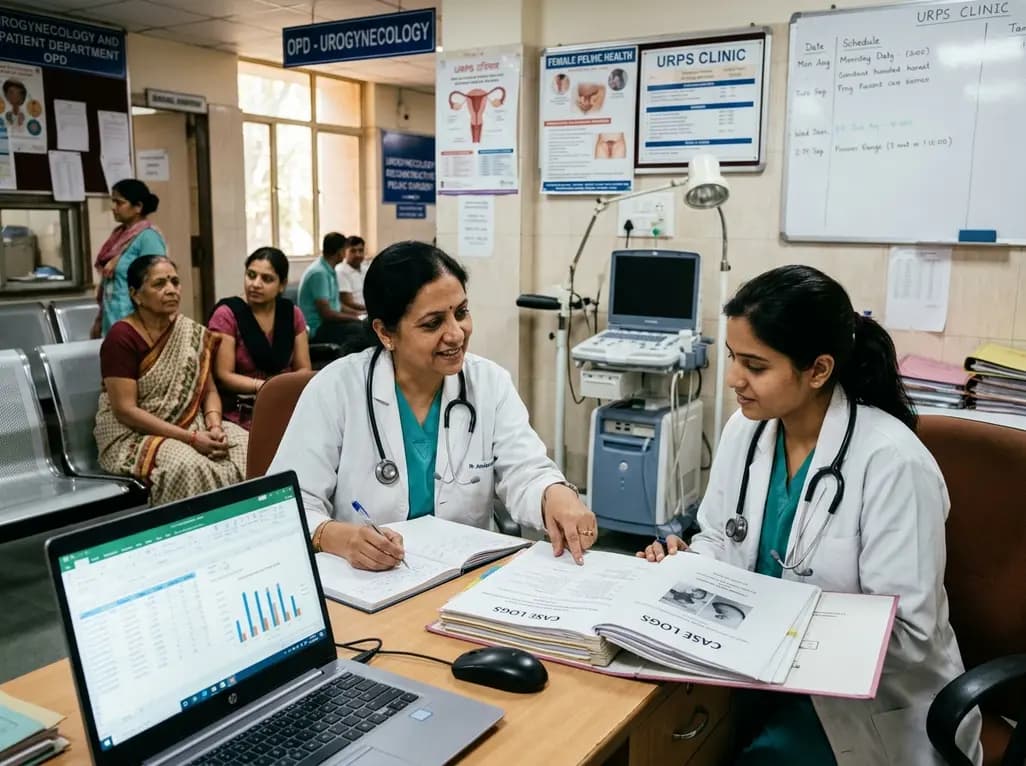
A ten-year cohort study of ABU case logs reveals that URPS fellowship training significantly drives higher annual case volumes, advanced surgical complexity, and increased female representation in pelvic floor reconstruction, underscoring the vital need for structured subspecialty training.
Today
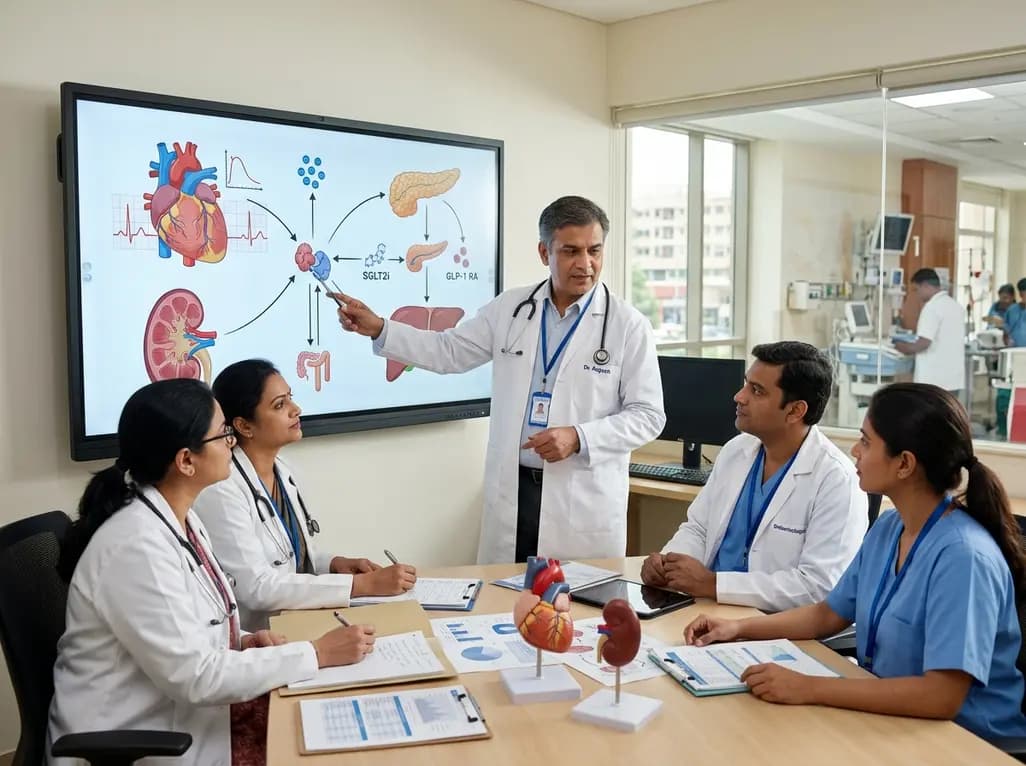
Cardiovascular-kidney-metabolic (CKM) syndrome links metabolic, renal, and cardiovascular diseases along a shared continuum. This review examines holistic CKM management, PREVENT risk assessment, multi-organ pharmacotherapies like SGLT2i and GLP-1 RAs, and multidisciplinary care models to improve patient outcomes.
Today
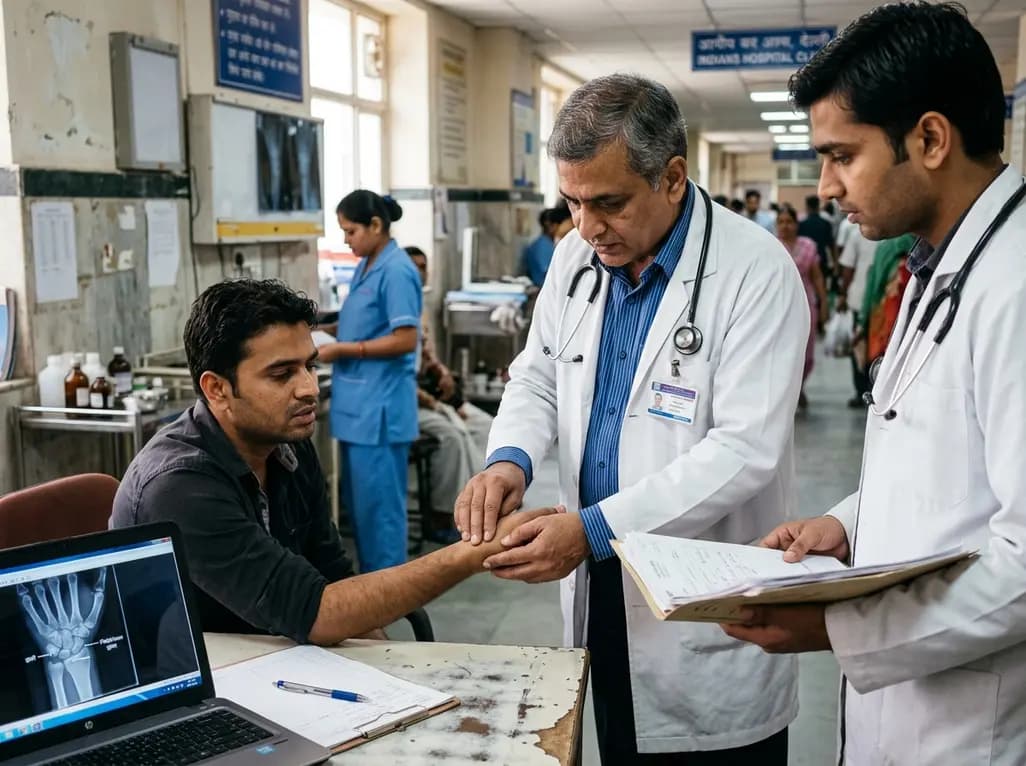
Posttraumatic pisotriquetral instability is a rare wrist injury causing severe hypothenar pain and weakness. Explore clinical examination, imaging, and pisiformectomy.
Today
The Italian CardioMET registry evaluated guideline-directed cardioprotective therapy in 2,527 outpatients with type 2 diabetes. Despite high cardiovascular risk, SGLT2 inhibitors and GLP-1 receptor agonists remain underutilized, highlighting the urgent need for multidisciplinary cardiometabolic care.
Today
