

Loading, please wait...
Loading, please wait...

Chronic psychosocial stress represents a major contributor to persistent psychological illness and chronic physical disease across diverse adult populations. In routine clinical workflows, clinicians frequently require rapid, standardized instruments to identify prolonged stress before severe complications emerge. The recent psychometric evaluation of the Arabic version of the 9-item Trier Inventory for Chronic Stress offers valuable diagnostic capability. Utilizing the TICS-9 chronic stress screening model enables healthcare teams to quantify systemic exhaustion and psychosocial strain efficiently, providing critical insights for personalized patient care.
Persistent stress exerts a profound negative influence on neuroendocrine, cardiovascular, and metabolic pathways. Consequently, prolonged activation of the hypothalamic-pituitary-adrenal axis elevates the risk for major depressive disorders, hypertension, and systemic inflammation. However, primary care physicians often encounter significant challenges when attempting to measure prolonged strain in everyday outpatient settings. Lengthy psychological inventories frequently burden patients and disrupt busy clinical schedules. Therefore, brief instruments that maintain robust diagnostic accuracy are essential for routine screening. The original 57-item Trier Inventory for Chronic Stress provides comprehensive domain-specific measurement, but its overall length limits practical implementation. The 9-item short version addresses this barrier directly by condensing key dimensions into a rapid questionnaire. Specifically, the scale measures critical domains such as work overload, social strain, performance pressure, and chronic worrying. Introducing an Arabic adaptation expands access to standardized screening for millions of Arabic-speaking individuals worldwide. Ultimately, validated screening instruments allow healthcare practitioners to recognize vulnerable individuals early and initiate targeted lifestyle or therapeutic interventions.
Adapting psychological instruments requires meticulous linguistic and cultural alignment to preserve conceptual equivalence across target populations. In this study, investigators followed the stringent guidelines established by the International Test Commission. Independent bilingual translators completed initial forward translations, which researchers then harmonized through expert consensus panels. Subsequently, independent linguists performed back-translations to verify that the core psychological concepts remained intact. A multidisciplinary expert committee thoroughly reviewed all iterations to resolve semantic ambiguities and eliminate contextual discrepancies. Following translation, researchers administered the questionnaire to 291 Arabic-speaking adults residing in Saudi Arabia via a cross-sectional survey framework. The investigators employed robust statistical procedures to evaluate data quality and structural integrity. Furthermore, internal consistency evaluations utilized both Cronbach’s alpha and McDonald’s omega coefficients to avoid single-metric bias. Confirmatory factor analysis utilized robust weighted least squares estimation, which specifically accommodates ordinal response scales. These comprehensive methodological standards ensured that the translated questionnaire functioned effectively without compromising psychometric rigor or clinical validity.
The statistical analyses confirmed that the Arabic questionnaire possesses strong internal reliability and robust measurement properties. Specifically, the instrument yielded an excellent Cronbach’s alpha of 0.876 and a McDonald’s omega of 0.904, demonstrating substantial internal consistency. In addition, confirmatory factor analysis supported a unidimensional construct representing overarching chronic stress. Standardized factor loadings across all nine items ranged from 0.583 to 0.819, reflecting strong associations with the latent stress construct. Although the initial structural model showed mixed goodness-of-fit indices, model performance improved substantially after adding theoretically justified residual correlations. These post hoc adjustments accounted for overlapping semantic content between specific paired items, such as shared nuances in workload and social tension. Consequently, the final model achieved satisfactory structural alignment suitable for clinical and observational research. These findings demonstrate that the brief instrument effectively summarizes multifaceted chronic stressors into a unified, interpretable score. Healthcare providers can therefore rely on this standardized measure to quantify chronic strain without requiring complex, multiscale scoring protocols.
Hierarchical regression analyses revealed significant relationships between chronic stress scores, socioeconomic conditions, and existing medical diagnoses. Notably, household income demonstrated a significant inverse relationship with reported stress levels. Even after adjusting for educational attainment, employment status, and marital status, lower income remained associated with higher stress burden. Furthermore, psychiatric comorbidity showed a prominent association with elevated scores. Specifically, individuals with diagnosed depression reported markedly higher stress levels after researchers controlled for other chronic physical ailments. In contrast, general medical illnesses alone did not predict elevated stress scores as powerfully as depressive symptoms. These patterns highlight how economic disadvantage and mood pathology interact to amplify long-term psychosocial strain. Clinicians must therefore recognize that financial hardship and depressive symptoms frequently compound chronic stress vulnerabilities. Recognizing these high-risk demographic clusters allows medical practitioners to tailor psychosocial support systems proactively during routine clinical consultations.
Implementing the TICS-9 chronic stress instrument into routine medical practice offers substantial advantages for family physicians and general practitioners. Because chronic stress frequently manifests as non-specific somatic complaints such as tension headaches, dyspepsia, and fatigue, objective psychological assessment prevents diagnostic confusion. Moreover, early identification of persistent stress allows clinicians to intervene before stress-induced allostatic load precipitates cardiovascular or psychiatric collapse. Primary care teams can easily incorporate this brief nine-item tool into triage paperwork or digital intake questionnaires. In addition, physicians can utilize baseline scores to track patient improvement over time following counseling, behavioral therapy, or workplace modifications. While further studies must establish longitudinal test-retest reliability and measurement invariance across distinct clinical subgroups, the current evidence strongly supports clinical adoption. By adopting rapid, validated psychometric tools, clinicians enhance diagnostic precision, improve holistic management strategies, and foster superior patient outcomes.
The Arabic TICS-9 measures chronic psychosocial stress experienced over recent months. It condenses nine core stress domains into a brief screening scale, evaluating work overload, social tension, chronic worrying, performance demands, and social isolation. This design provides clinicians with a unified, reliable measure of long-term psychosocial burden.
Residual correlations were applied between specific item pairs that shared overlapping linguistic and thematic content. Adding these theoretically justified correlations resolved local item dependencies, substantially improving overall goodness-of-fit metrics in confirmatory factor analysis without compromising the essential unidimensional structure of the chronic stress inventory.
Primary care physicians can use this nine-item instrument during initial patient consultations to screen for underlying psychosocial strain. It helps clinicians differentiate stress-related somatic symptoms from organic disease, identifies individuals needing mental health support, and provides an objective baseline to monitor therapeutic or lifestyle interventions over time.
Disclaimer: This content is for informational and educational purposes only. It is not intended to be a substitute for professional medical advice, diagnosis, or treatment. Always seek the advice of your physician or other qualified health provider with any questions you may have regarding a medical condition. Refer to the latest local and national guidelines for clinical practice.
References
Althobaiti S et al. Factor structure and psychometric properties of the Arabic version of the 9-item Trier Inventory for Chronic Stress (TICS-9). PLoS One. 2026. doi: 10.1371/journal.pone.0360750. PMID: 42986906.
Petrowski K, Paul S, Albani C, Brähler E. Factor structure and psychometric properties of the English version of the Trier Inventory for Chronic Stress (TICS-E). BMC Med Res Methodol. 2018;18(1):156.
Schulz P, Schlotz W, Becker P. Trierer Inventar zum Chronischen Stress (TICS). Hogrefe; 2004.

Read summarized clinical updates, watch expert medical content, and earn CME certifications right from your smartphone.
Open your smartphone camera to scan and install.





The Arabic 9-item Trier Inventory for Chronic Stress (TICS-9) demonstrates strong psychometric reliability and structural validity, offering primary care physicians and mental health specialists an efficient, validated instrument to assess long-term psychosocial strain in clinical and research settings.
Today

A cross-sectional molecular epidemiological study evaluates HIV-1 transmission clusters and pretreatment drug resistance among treatment-naïve men who have sex with men. Findings highlight prominent CRF07_BC transmission and significant assortative mixing, informing targeted public health and antiretroviral strategies.
Today
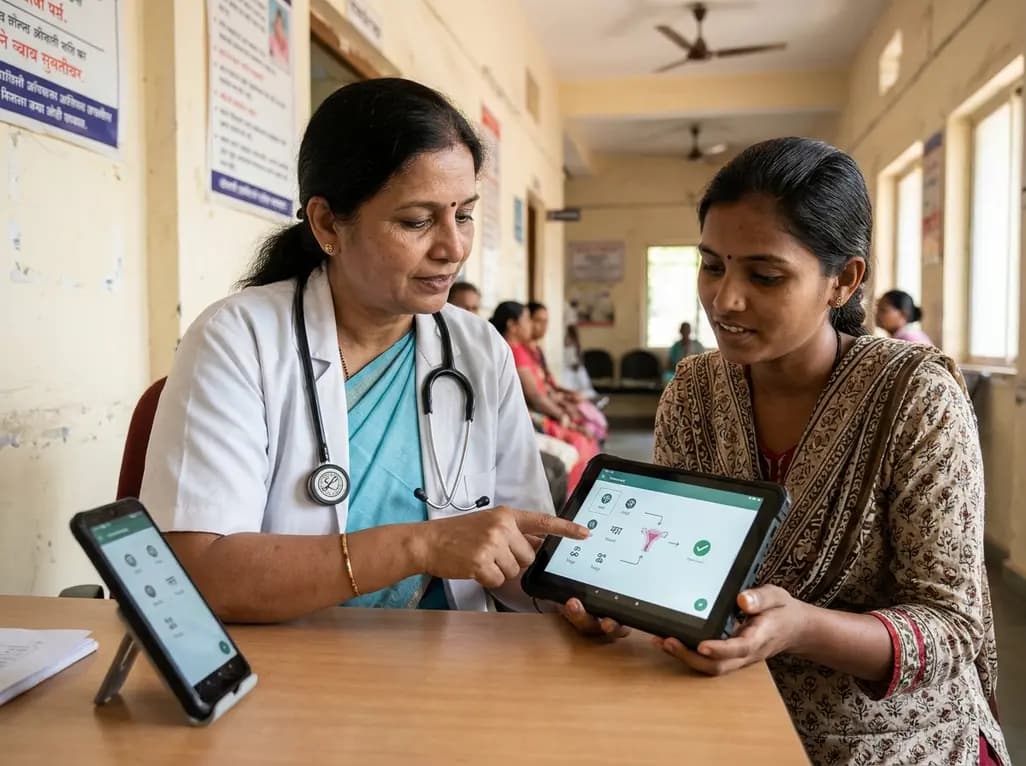
A new study evaluates a multilingual digital health platform combining rule-based cervical cancer risk assessment, retrieval-augmented generation AI, and geospatial navigation. The tool dramatically reduces clinical hallucinations while providing actionable health guidance for underserved populations.
Today
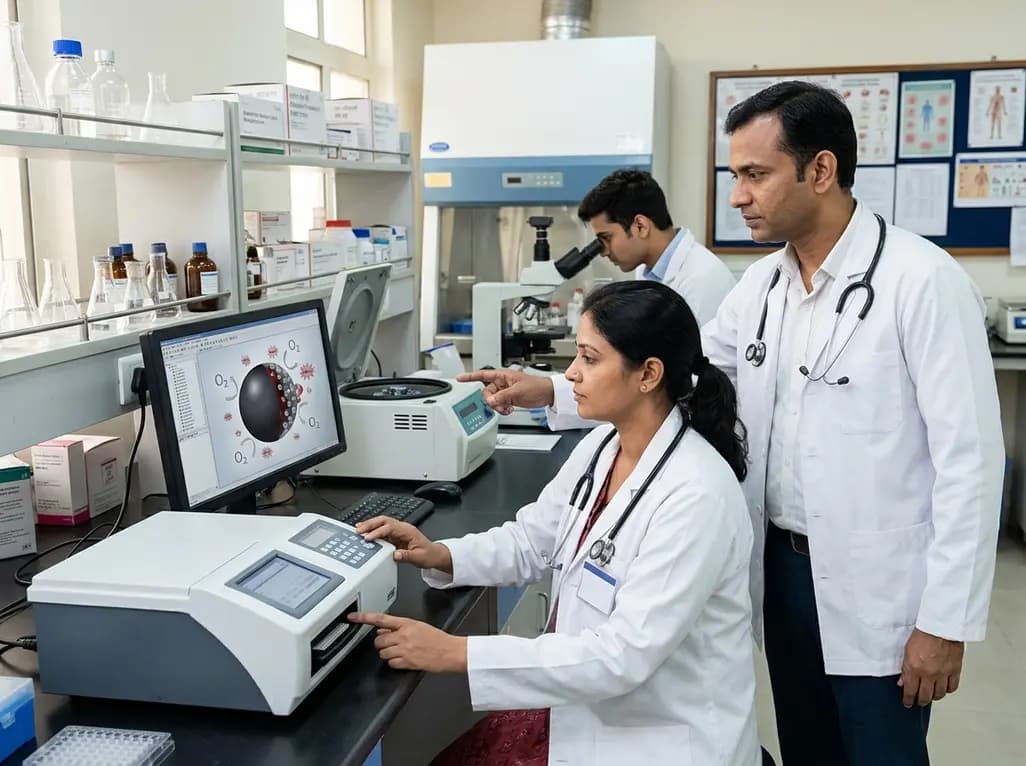
A novel MOF-based platform encapsulates hemoglobin with catalytic platinum and ceria nanozymes to deliver oxygen while scavenging toxic reactive oxygen species. This study highlights key design principles for managing hypoxia and reperfusion injury while resolving crucial stability challenges.
Today
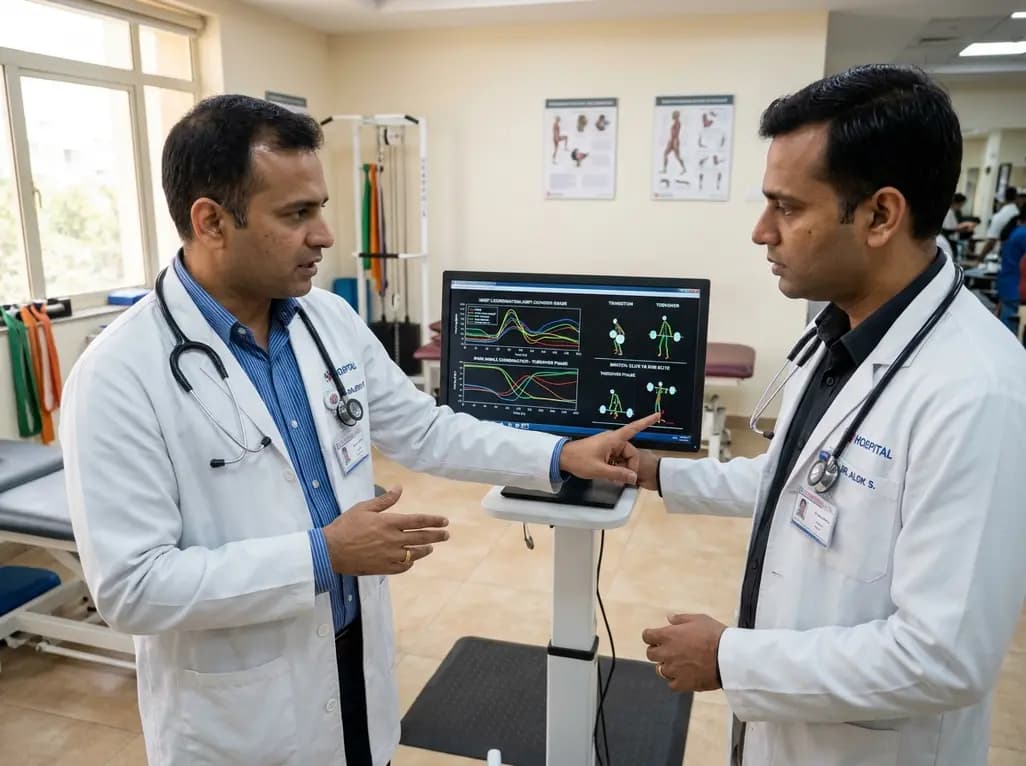
A vector coding study compares elite and sub-elite weightlifters during maximal snatch attempts, revealing that performance differences stem from phase-dependent knee-ankle coordination during transition and turnover phases rather than overall trajectory patterns.
Today
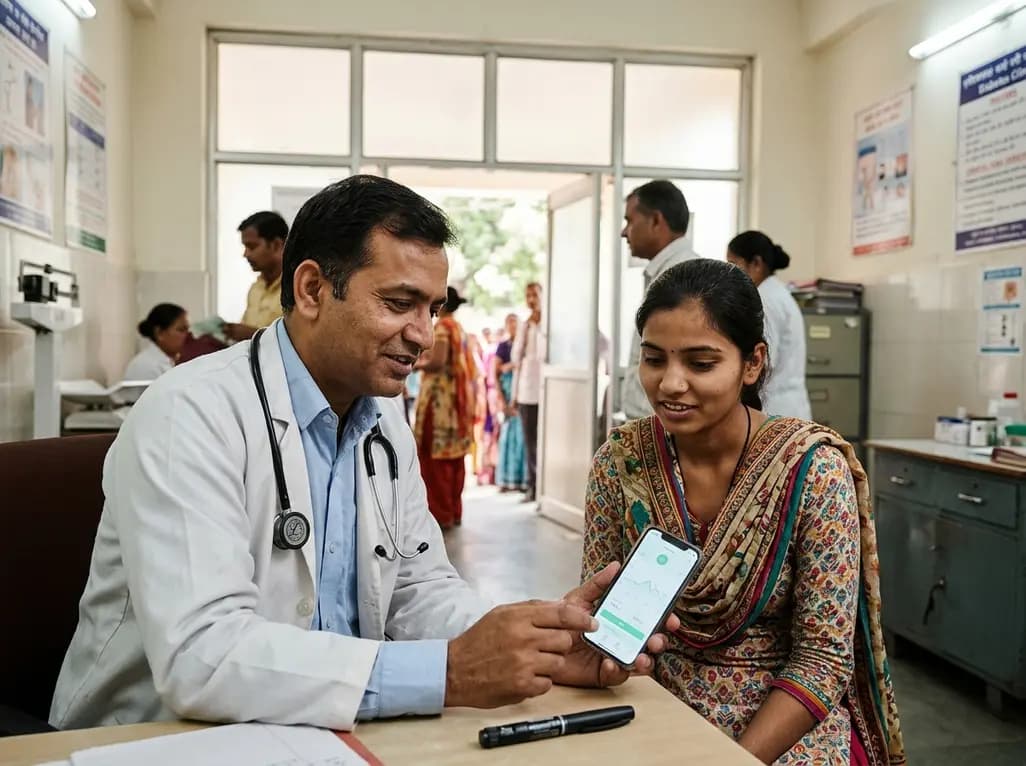
A pilot feasibility study demonstrates that a newly developed mobile app for bolus insulin dose adjustment significantly improves dosing confidence, treatment adherence, and hypoglycemia prevention for patients with type 1 diabetes while reducing provider workload in resource-limited clinical settings.
Today
