.webp&w=384&q=75)

Loading, please wait...
Loading, please wait...

The Arabic KOOS-12 validation represents a significant advancement for orthopedics in Arabic-speaking regions. Clinicians often require concise tools to assess knee health effectively. Consequently, this study adapted the 12-item instrument to ensure cultural relevance for clinical use. The tool specifically measures pain, physical function, and quality of life. Furthermore, it serves patients recovering from knee injuries or managing osteoarthritis.
The results indicate that the KOOS-12 AR is a highly reliable instrument for daily practice. Specifically, it showed excellent internal consistency with a Cronbach's alpha of 0.93. In addition, the test-retest reliability scores remained nearly perfect across all tested domains. Therefore, doctors can confidently use this tool for longitudinal patient tracking. Moreover, the small measurement error indices allow for the detection of subtle clinical changes. However, practitioners must still consider individual patient contexts during every assessment.
Similarly, researchers confirmed the structural validity through detailed principal component analysis. Each subscale demonstrated a clear one-factor solution during the testing phase. As a result, interpreting the scores becomes straightforward for the medical staff. Additionally, the tool showed strong convergent validity with the established Arabic WOMAC instrument. Consequently, this alignment ensures that clinicians can adopt the shorter form without losing diagnostic accuracy. In conclusion, the KOOS-12 AR significantly reduces respondent burden while maintaining scientific rigor.
Patients typically finish the 12-item questionnaire in less than five minutes. This efficiency makes it more practical than the original 42-item version for busy clinics.
Yes, the validation study specifically included adults aged 40 and older. The tool successfully measured outcomes for individuals with confirmed knee osteoarthritis.
The KOOS-12 provides a more focused assessment of knee-related quality of life. Moreover, it reduces the time burden for patients while maintaining high correlation with WOMAC scores.
Disclaimer: This content is for informational and educational purposes only. It does not constitute medical advice or establish a doctor-patient relationship. Refer to the latest local and national guidelines for clinical practice.
References
Boutros M et al. Cross-cultural adaptation and psychometric validation of the first Arabic KOOS-12: a reliable tool for assessing knee outcomes in Arabic-speaking populations. Knee Surg Relat Res. 2026 Apr 10. doi: undefined. PMID: 41964099.
Gandek B et al. A 12-item short form of the Knee injury and Osteoarthritis Outcome Score (KOOS-12): tests of reliability, validity and responsiveness. Osteoarthritis Cartilage. 2019 May;27(5):762-770. doi: 10.1016/j.joca.2019.01.011.
Roos EM et al. Knee injury and Osteoarthritis Outcome Score (KOOS)--development of a self-administered outcome measure. J Orthop Sports Phys Ther. 1998 Aug;28(2):88-96. doi: 10.2519/jospt.1998.28.2.88.

Read summarized clinical updates, watch expert medical content, and earn CME certifications right from your smartphone.
Open your smartphone camera to scan and install.





The Arabic KOOS-12 validation study confirms it as a reliable 12-item tool for assessing knee pain and function in clinical practice....
6 months ago
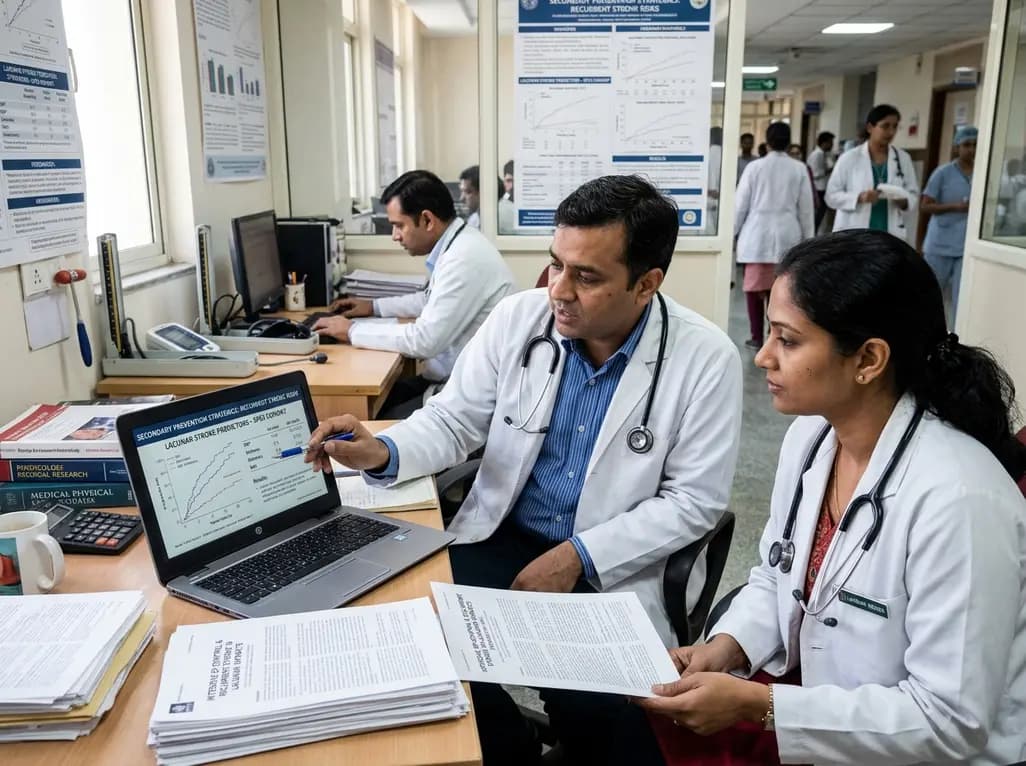
Explore vital recurrent stroke predictors in lacunar stroke patients managed with intensive blood pressure lowering. This analysis examines trial findings from SPS3 to uncover residual vascular risks, metabolic factors, and targeted secondary prevention strategies for high-risk neurological patients.
Today
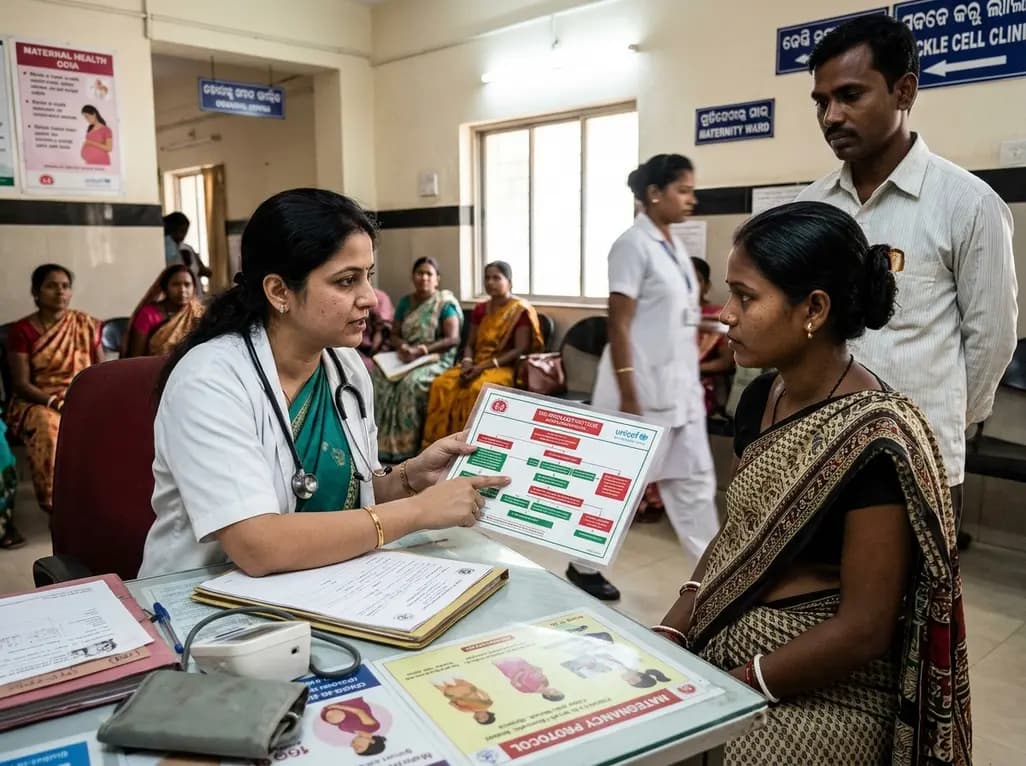
Odisha has established India's first state-level clinical protocol specifically tailored for pregnant women with sickle cell disease. Developed with NHM and UNICEF, the framework provides structured antenatal screening, crisis mitigation, standardized referral pathways, and specialized interdisciplinary care.
Today

The Directorate General of Health Services directs Indian states to halt the hazardous reuse and reprocessing of single-use medical devices. Discover regulatory implications under the Drugs and Cosmetics Act, critical infection risks, legal liabilities, and operational changes required across clinical specialties.
Today

Mitochondria-targeted nanoparticles self-assembled from EGCG and L-glutamic acid effectively restore mitochondrial homeostasis, suppress synovial inflammation, and attenuate chondrocyte senescence in osteoarthritis, offering a promising disease-modifying nanotherapy.
Today

India is advancing preventive healthcare by integrating genomics, artificial intelligence, and quantum technologies. With the SANGAM programme sequencing one million Indian genomes, clinicians can unlock personalized therapies, detect cardiometabolic risks early, and curb the burden of diabetes and heart disease.
Today
