.webp&w=384&q=75)

Loading, please wait...
Loading, please wait...
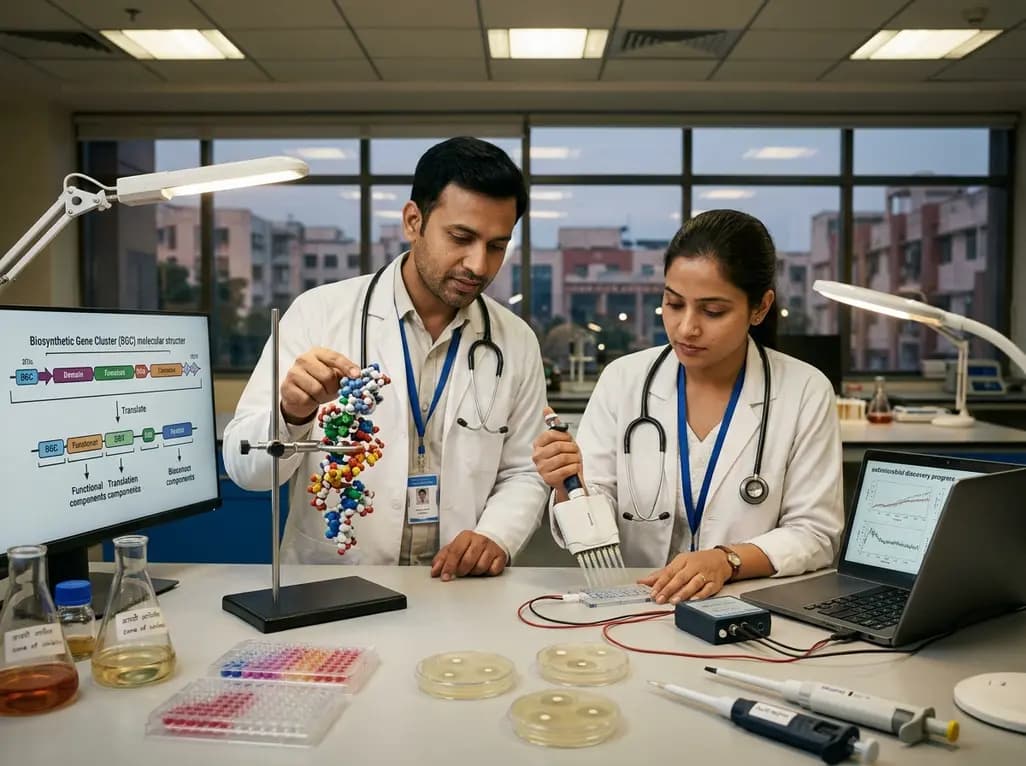
Antimicrobial resistance (AMR) represents a significant threat to global health. Consequently, medical experts are seeking innovative ways to find new treatments. Researchers now utilize antimicrobial discovery biosensors to navigate the vast reservoir of biosynthetic gene clusters (BGCs). These clusters contain the genetic blueprints for potential new drugs. However, traditional screening methods often fail to identify these hidden gems. Therefore, integrating biosensors with genome mining allows for more efficient discovery.
Modern technology enables the detection of specific chemical scaffolds. For instance, biosensors can target β-lactams, tetracyclines, and macrolides. Furthermore, these tools use transcription factors and CRISPR systems to generate sensitive signals. Notably, this approach helps scientists discriminate between novel activities and known compounds. As a result, the drug discovery pipeline becomes much faster. Specifically, BGC dereplication ensures that researchers do not waste time on redundant molecules.
Moreover, the exploration of chemical space around clinically important scaffolds is vital. In addition, these biosensors work effectively within complex matrices. Thus, they provide a practical framework for identifying future antibiotics. Finally, this technology offers hope in the era of escalating AMR. By translating genetic architecture into sensor design, we can accelerate the journey from genome to clinic.
These biosensors use biological components like transcription factors or CRISPR systems. They detect specific signatures in biosynthetic gene clusters (BGCs) and convert them into measurable signals.
Many gene clusters produce the same types of molecules. Dereplication helps scientists ignore these redundant clusters and focus only on truly novel chemical structures.
Disclaimer: This content is for informational and educational purposes only. It does not constitute medical advice or a professional recommendation. Refer to the latest local and national guidelines for clinical practice.
References
Trejo-Alarcón LM et al. Translating biosynthetic gene cluster architecture into biosensor design for microbial natural product discovery. Essays Biochem. 2026 Jun 03. doi: undefined. PMID: 42233250.
Marras et al. Metagenomic Mining of Antimicrobial Biosynthetic Gene Clusters from Extreme Environments: A Systematic Review. ResearchGate. 2026 Feb.
Bueno J. Biosensors in Antimicrobial Drug Discovery: Since Biology until Screening Platforms. J Microb Biochem Technol. 2015.

Read summarized clinical updates, watch expert medical content, and earn CME certifications right from your smartphone.
Open your smartphone camera to scan and install.





Explore how translating BGC architecture into biosensor design revolutionizes antimicrobial discovery and addresses the global challenge of antibiotic resis...
4 months ago
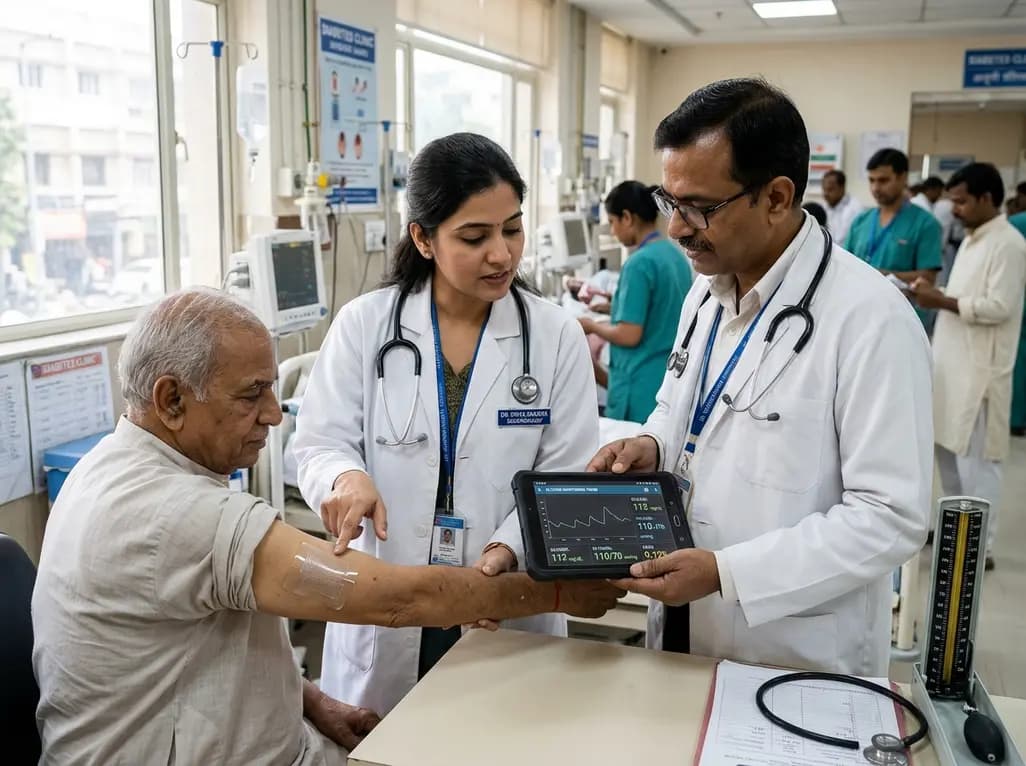
A breakthrough ultrathin multimodal sensor decouples physical hemodynamic monitoring from disposable electrochemical calibration, achieving long-term wearable glucose prediction with 81.36% accuracy and a 9.12% MARD. This offers a robust, drift-free solution for outpatient metabolic surveillance.
Today

A clinical review of menopause and neurology highlights the neurobiological impacts of midlife hormonal shifts on cognition, epilepsy, migraine, multiple sclerosis, and stroke, emphasizing safe hormone therapy prescribing.
Today

Co-administering antiseizure medications and DOACs frequently causes pharmacokinetic interactions, subtherapeutic drug levels, and thromboembolic failures. This review highlights enzyme induction risks, unpredictable outcomes with levetiracetam, and the vital role of therapeutic drug monitoring.
Today
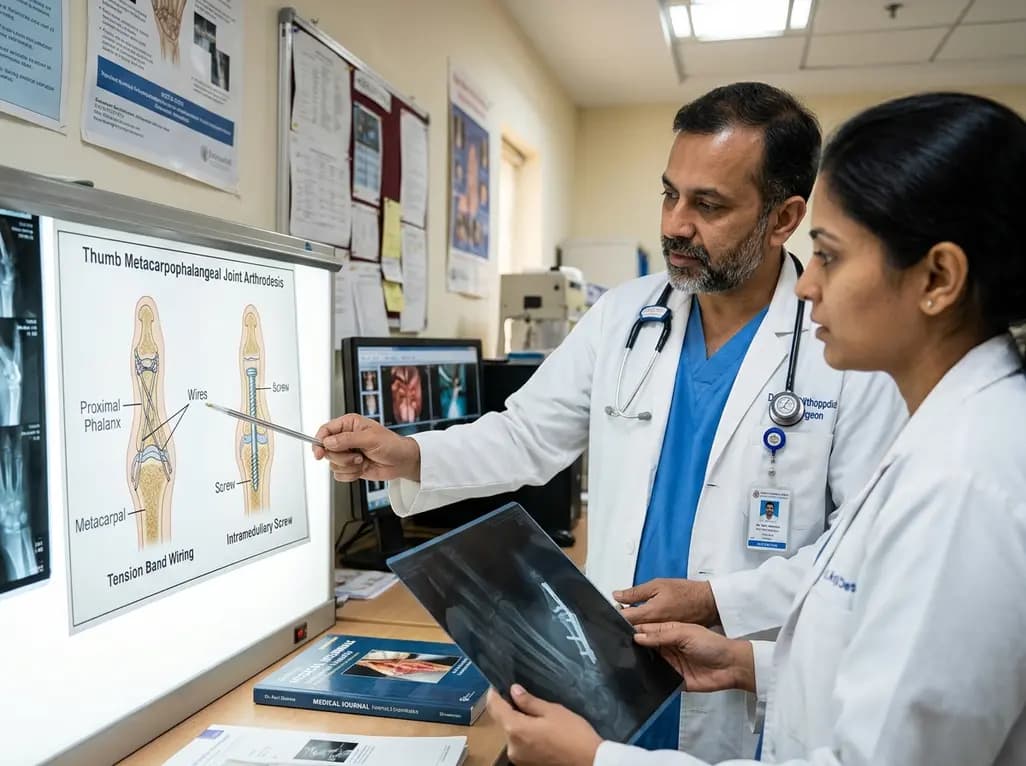
A comparative review of tension band wiring and intramedullary screw fixation in thumb metacarpophalangeal arthrodesis, evaluating union rates, hardware complications, and clinical outcomes.
Today
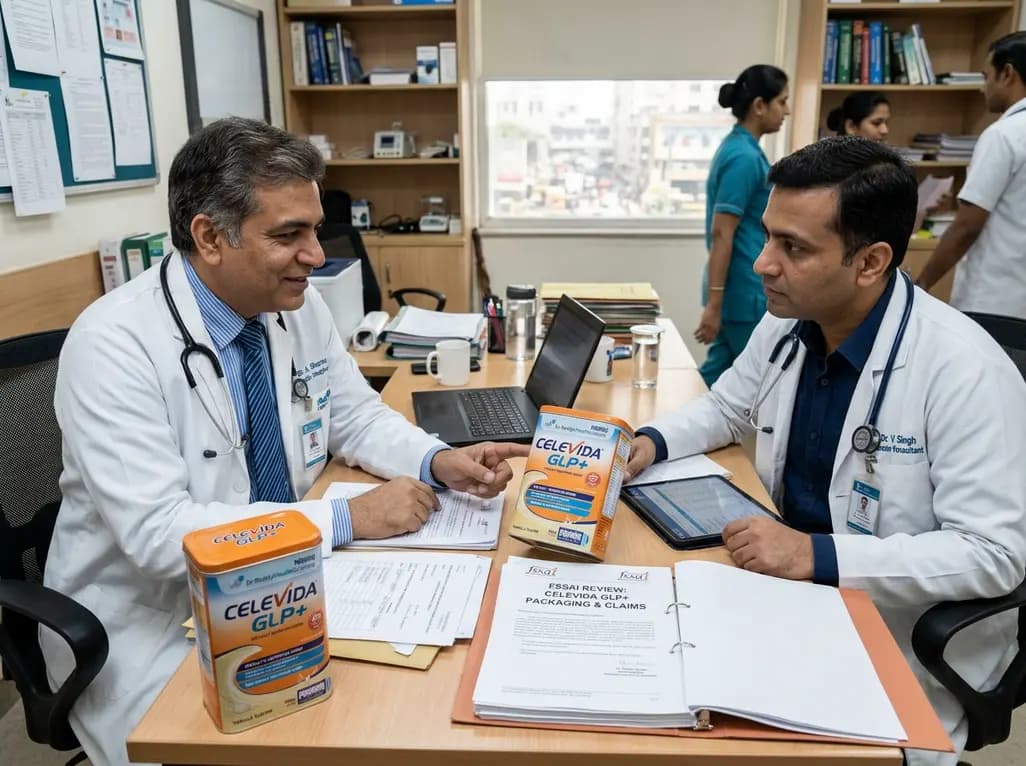
Following regulatory scrutiny from FSSAI regarding promotional representations and lean muscle preservation claims, Dr. Reddy's Laboratories and Nestlé Health Science are currently reviewing the branding and marketing strategy for their joint nutritional supplement Celevida GLP+.
Today
