.webp&w=384&q=75)

Loading, please wait...
Loading, please wait...

Animal tumor models serve as the cornerstone of preclinical immunotherapy research and drug discovery. These platforms allow scientists to simulate complex biological processes like tumorigenesis and therapeutic responses within a living system. Specifically, researchers classify these models into four primary categories: genetically engineered, carcinogen-induced, spontaneous, and humanized transplantation platforms. While these systems provide deep insights into the immune microenvironment, their clinical utility often meets significant hurdles. Species differences and incomplete immune systems frequently limit the translation of findings from the laboratory to the bedside.
Many oncology trials fail because preclinical systems do not perfectly replicate human disease. Rodent models possess distinct physiological traits that differ from human biology. Furthermore, humanized platforms often suffer from incomplete immune reconstitution, which complicates immunotherapy evaluations. Ethical concerns also drive the need for more efficient and refined research methodologies. Consequently, the research community is shifting toward integrated solutions. These include standardized protocols and the use of multi-omics datasets to improve the predictive value of these research platforms.
Next-generation animal tumor models must incorporate advanced technologies to bridge the translational gap. Artificial intelligence modeling and virtual digital tumor models, often called "digital twins," represent the next frontier. These digital systems utilize massive datasets to simulate patient-specific responses and tumor growth patterns. Moreover, international consortia are working to establish rigorous cross-species validation standards. By prioritizing humanized platforms and virtual simulations, researchers can accelerate the development of precision therapies. Therefore, these integrated approaches will likely reduce the reliance on traditional methods while enhancing clinical outcomes.
Failures typically occur due to species-specific biological differences and the inability of animal models to fully replicate the complexity of the human immune system and tumor microenvironment.
AI helps create virtual digital tumor models or "digital twins." These tools analyze multi-omics data to predict how a specific human tumor will respond to various treatments before clinical trials begin.
Disclaimer: This content is for informational and educational purposes only and does not constitute medical advice. It is not intended to be a substitute for professional medical judgment, diagnosis, or treatment. Always seek the advice of your physician or other qualified health provider with any questions you may have regarding a medical condition. Refer to the latest local and national guidelines for clinical practice.
References
Wang Z et al. Precision animal models of tumors: Advances, challenges and clinical translation. Tumori. 2026 May 05. doi: 10.1177/03008916261427237. PMID: 42083934.
Meehan J, Gray ME. Advances in Animal Models and Precision Medicine for Cancer Research. Journal of Personalized Medicine. 2023. doi: 10.3390/jpm13010100.
Frontiers in Medicine. Animal models in medical translation: the grand challenge of developing new treatments for human diseases. 2024. Available at: frontiersin.org.

Read summarized clinical updates, watch expert medical content, and earn CME certifications right from your smartphone.
Open your smartphone camera to scan and install.





A comprehensive review of animal tumor models, their limitations in clinical translation, and future directions including AI and digital twins....
5 months ago

Recent epidemiological data reveals a dramatic surge in summer heat mortality driven by human-induced climate warming. This analysis explores the pathophysiological impacts on cardiac and renal systems, diagnostic dilemmas in death certification, and essential emergency cooling protocols for acute clinical care.
Today
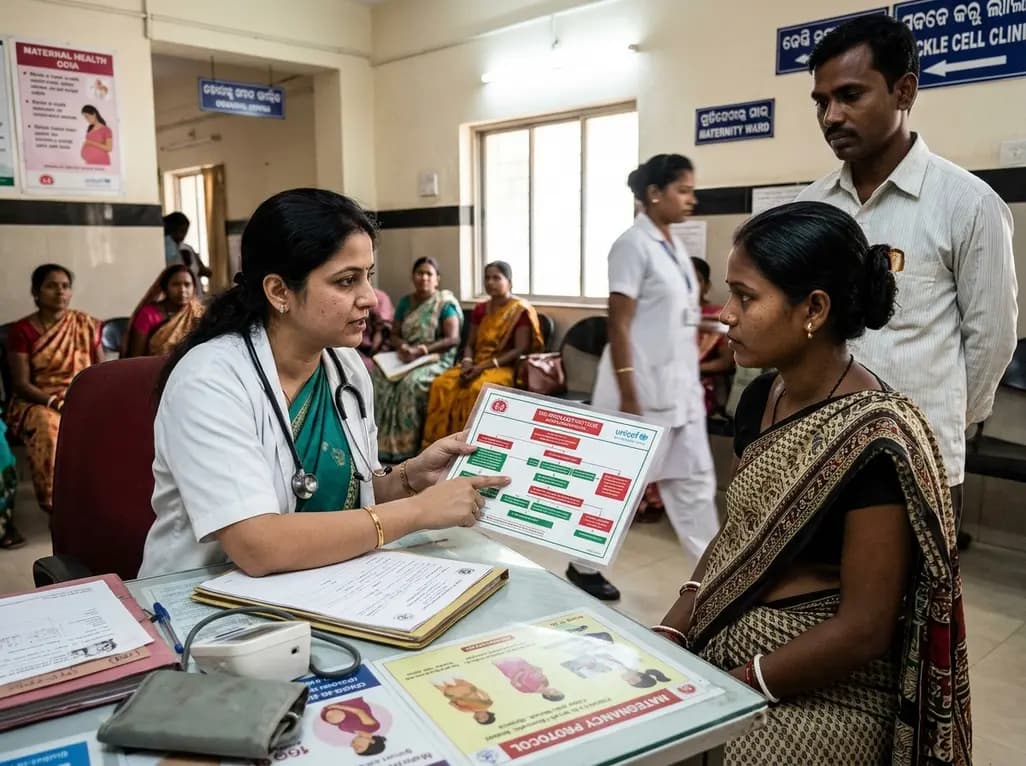
Odisha has established India's first state-level clinical protocol specifically tailored for pregnant women with sickle cell disease. Developed with NHM and UNICEF, the framework provides structured antenatal screening, crisis mitigation, standardized referral pathways, and specialized interdisciplinary care.
Today

India is advancing preventive healthcare by integrating genomics, artificial intelligence, and quantum technologies. With the SANGAM programme sequencing one million Indian genomes, clinicians can unlock personalized therapies, detect cardiometabolic risks early, and curb the burden of diabetes and heart disease.
Today
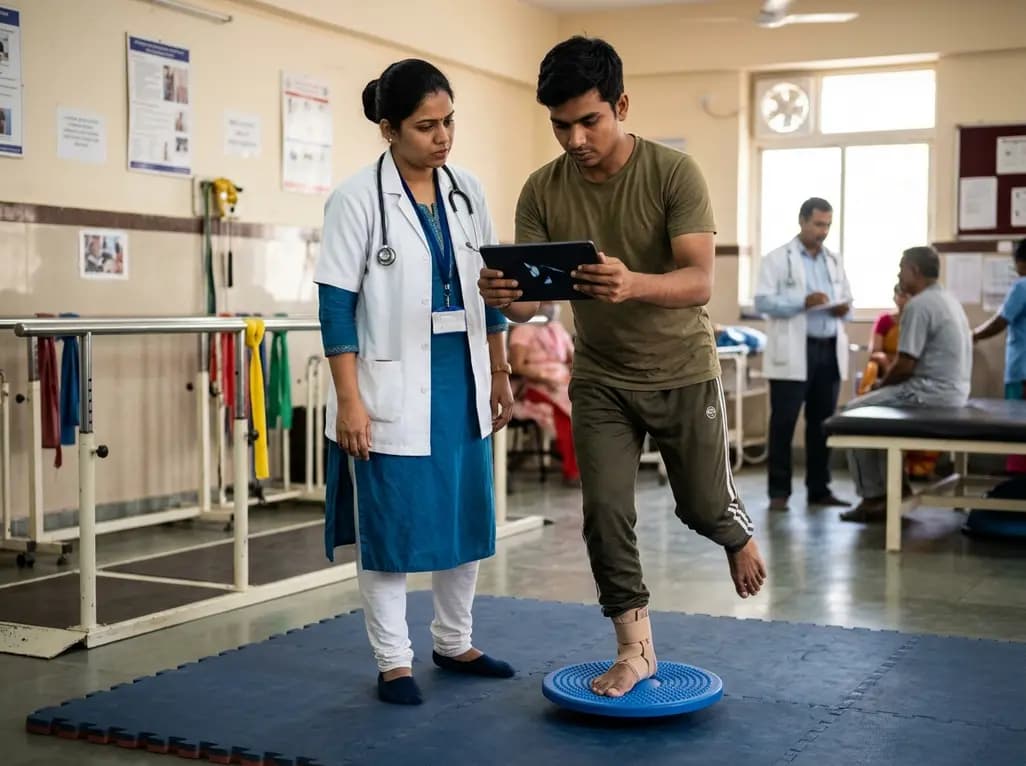
A randomized controlled trial demonstrates that an eight-week dual-task training intervention significantly improves static and dynamic postural control over standard balance exercises in individuals with chronic ankle instability, addressing critical neurocognitive deficits during athletic and daily activities.
Today

A retrospective cohort study of 7,716 ICU patients from the MIMIC-IV database demonstrates that Gradient Boosting Decision Trees significantly outperform traditional SOFA scores in predicting in-hospital mortality among patients with sepsis and diabetes, with SHAP analysis providing clinical interpretability.
Today
