

Loading, please wait...
Loading, please wait...
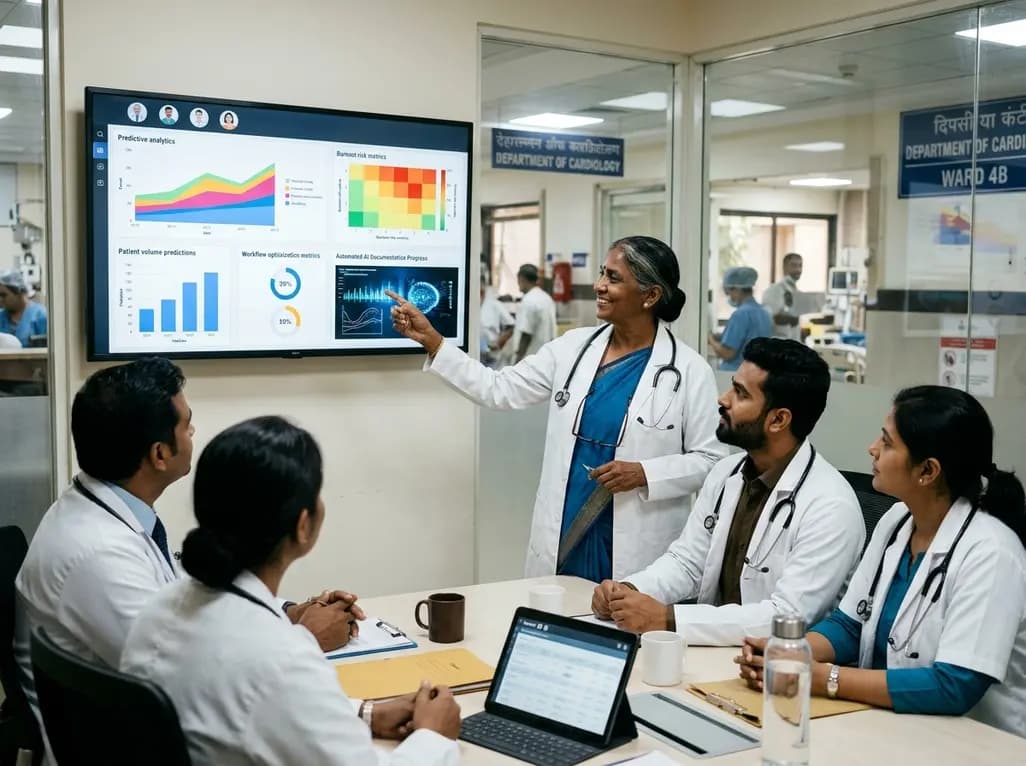
Modern healthcare systems face an unprecedented crisis of provider exhaustion, largely driven by clerical requirements. Clinicians spend countless hours navigating complex electronic health records, generating encounter notes, and managing inbox messages. Consequently, many physicians complete charting late into the night. While digital systems intended to improve patient safety, regulatory reporting and expanded documentation have generated severe administrative overhead. In response to this challenge, healthcare institutions increasingly adopt ambient AI documentation to restore clinical focus and streamline consultations. Furthermore, traditional clinical decision support tools often worsen cognitive fatigue through disruptive alerts. Therefore, health systems urgently require automated solutions that reduce charting burden without compromising medical accuracy. Observational studies demonstrate that administrative overload diminishes workplace satisfaction and degrades doctor-patient communication. As clerical demands accumulate, frontline practitioners experience heightened cynicism and emotional exhaustion. Thus, healthcare leaders must address documentation strain as a systemic organizational hazard rather than an individual resilience issue. Moreover, unaddressed clerical burden accelerates physician attrition, leaving clinical teams understaffed across multiple specialties. Consequently, identifying scalable administrative remedies remains an urgent priority for global healthcare administrators.
Ambient artificial intelligence represents an innovative technical solution designed to simplify clinical documentation. These advanced systems passively record patient-clinician conversations and automatically extract relevant medical details to draft structured consultation notes. Consequently, clinicians spend far less time manually typing history and physical examination findings during visits. Recent systematic review findings reveal that ambient AI documentation platforms achieve approximately ten to thirty percent reductions in documentation time. Furthermore, physicians report substantial relief from the cognitive strain of simultaneously listening to patients and typing on keyboards. This operational shift allows doctors to maintain direct eye contact and cultivate stronger therapeutic relationships during outpatient visits. In addition, ambient tools structure clinical information directly into standardized progress notes. However, recent evidence indicates that time savings vary significantly across clinical specialties and individual user experience. While some clinicians close charts immediately after clinic sessions, others still perform note reviews during evening hours. Nevertheless, ambient scribes eliminate repetitive clerical keystrokes and dramatically ease daily documentation fatigue. Moreover, reducing manual transcription helps practitioners feel significantly more engaged throughout demanding outpatient schedules. Ultimately, these clinical applications demonstrate meaningful potential for revitalizing daily medical practice.
Beyond encounter documentation, electronic inbox management represents another major driver of professional exhaustion among healthcare providers. Clinicians routinely face an endless influx of patient portal messages, prescription refill requests, and diagnostic test results. As a result, many physicians spend hours outside scheduled clinic blocks triaging electronic communications. Health systems have introduced predictive analytics and natural language processing tools to streamline these overwhelming communication channels. Specifically, intelligent inbox prioritization algorithms categorize incoming messages according to clinical urgency and automatically route routine administrative inquiries to support staff. Consequently, recent studies demonstrate measurable reductions in overall message review time and administrative interruption. Moreover, machine learning models can filter non-urgent clinical alerts, which directly mitigates alert fatigue during patient encounters. Audit log-based workflow monitoring also allows health administrators to identify workflow bottlenecks and optimize digital communication patterns. However, successful inbox automation requires clear governance protocols to ensure that urgent clinical escalations receive prompt attention. When implemented thoughtfully, predictive workflow tools protect clinicians from digital communication overload. Furthermore, automated message routing allows physicians to concentrate their uninterrupted attention on complex clinical inquiries. Thus, intelligent communication triage serves as a vital safeguard against chronic electronic inbox exhaustion.
Mounting evidence suggests that workflow-integrated automation produces tangible improvements in clinician well-being across diverse healthcare settings. Recent multisite evaluations demonstrate statistically significant decreases in validated burnout scores among clinicians utilizing automated documentation and inbox tools. In addition, practitioners consistently report lower subjective cognitive task loads when technology handles repetitive clerical processes. Clinicians no longer feel overwhelmed by massive charting backlogs accumulating throughout clinical shifts. Consequently, physicians experience greater control over their workday schedules and report improved work-life balance. Several clinical trials indicate that reducing documentation friction directly lowers emotional exhaustion and depersonalization scores. Furthermore, team-based automation models redistribute routine tasks among care team members, which reinforces collaborative workplace culture. However, researchers emphasize that technological interventions alone cannot resolve all drivers of professional distress. Systemic staffing shortages, excessive patient volume, and unrealistic productivity expectations also contribute substantially to burnout. Therefore, healthcare leaders must pair automation with broader organizational reforms to achieve lasting improvements. Ultimately, reducing daily administrative friction provides immediate, meaningful relief for exhausted medical professionals. Moreover, reclaiming evening hours from administrative tasks restores vital opportunities for personal rejuvenation. As a result, well-designed workflow interventions protect clinicians from long-term professional demoralization and emotional fatigue.
Although automation tools offer clear operational advantages, health systems encounter significant practical hurdles during broad clinical deployment. For example, ambient artificial intelligence can occasionally introduce documentation errors, fabrications, or omitted clinical nuances that require manual physician correction. Consequently, clinicians must transition from note creators to vigilant note editors, which creates a distinct cognitive oversight responsibility. In addition, generative documentation platforms often produce longer, more verbose notes that can clutter electronic health records. Therefore, clinical informatics committees must establish clear governance standards to verify note accuracy and compliance. Moreover, data privacy and patient confidentiality represent essential ethical considerations when deploying continuous acoustic recording devices in examination rooms. Health organizations must obtain explicit patient consent and ensure robust data encryption protocols across all integrated platforms. Similarly, upfront financial investments and ongoing software licensing costs may limit adoption in resource-constrained clinics. Without structured user training and continuous workflow refinement, automation tools risk shifting administrative burdens rather than eliminating them entirely. Thus, healthcare leaders must treat clinical automation as an ongoing sociotechnical process. Furthermore, comprehensive peer coaching ensures that clinicians master new digital tools without experiencing additional workflow anxiety. Accordingly, multidisciplinary oversight panels must continuously evaluate tool performance to maintain both clinical excellence and patient safety.
Recent systematic reviews indicate that ambient artificial intelligence platforms reduce clinical documentation time by approximately ten to thirty percent across outpatient settings. These tools listen to clinical dialogues and draft structured consultation notes automatically. Consequently, physicians spend fewer minutes typing during and after consultations. However, individual time savings vary depending on specialty, encounter complexity, and the clinician's diligence during mandatory pre-signature note review.
While workflow automation significantly reduces clerical burden, it cannot resolve clinician burnout on its own. Burnout stems from multifaceted organizational challenges, including heavy patient volumes, rigid productivity targets, and staffing shortages. Automation alleviates documentation friction, inbox fatigue, and after-hours work. However, health systems must combine digital innovations with supportive leadership, equitable scheduling, and systemic operational reforms to ensure sustained improvements in clinician well-being.
Ambient artificial intelligence scribes introduce several workflow challenges, including inaccurate data transcription, missed clinical details, and potential documentation hallucinations. Consequently, clinicians must carefully review and edit generated text before signing charts. Furthermore, these platforms can produce overly verbose medical records that clutter electronic charts. Health systems must also address patient privacy concerns, establish strict data encryption standards, and obtain informed consent prior to recording encounters.
Disclaimer: This content is for informational and educational purposes only... Refer to the latest local and national guidelines for clinical practice.
References

Read summarized clinical updates, watch expert medical content, and earn CME certifications right from your smartphone.
Open your smartphone camera to scan and install.





A systematic review explores how predictive analytics, ambient AI documentation, and workflow automation curb electronic health record burden and clinician burnout in clinical settings, highlighting measurable time savings alongside essential implementation considerations.
Today

The 2025 resuscitation guidelines highlight multimodal neuroprognostication for post-cardiac arrest brain injury. By integrating clinical exams, EEG, imaging, and serum biomarkers after resolving confounders, critical care teams avoid premature treatment withdrawal and improve post-resuscitation patient outcomes.
Today

Assam reduced maternal sepsis deaths from 21% to 8% through rigorous infection prevention protocols and digital monitoring. Explore the clinical strategies, sterilization quality checks, early recognition pathways, and antimicrobial stewardship lessons essential for obstetric teams across India.
Today
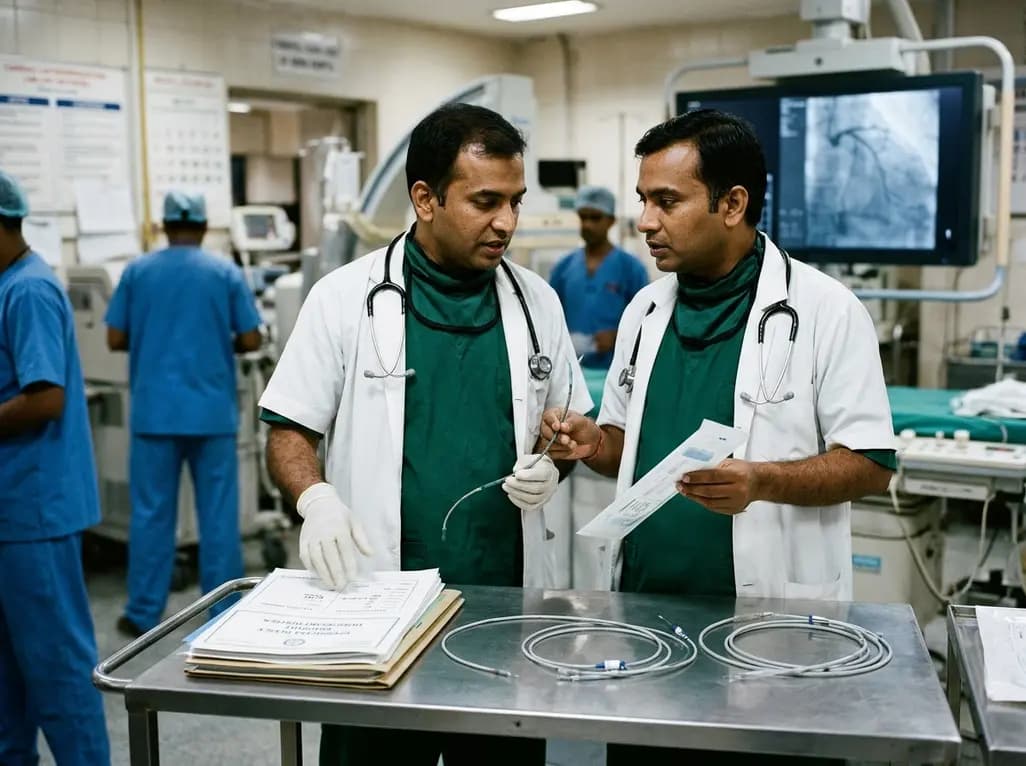
At the Cardiological Society of India Kerala conference, specialists called for a calibrated review of DGHS curbs on reusing single-use items. Regulated reprocessing of catheters and guidewires could bridge the gap between rising cardiac intervention costs and government health insurance reimbursement limits.
Today
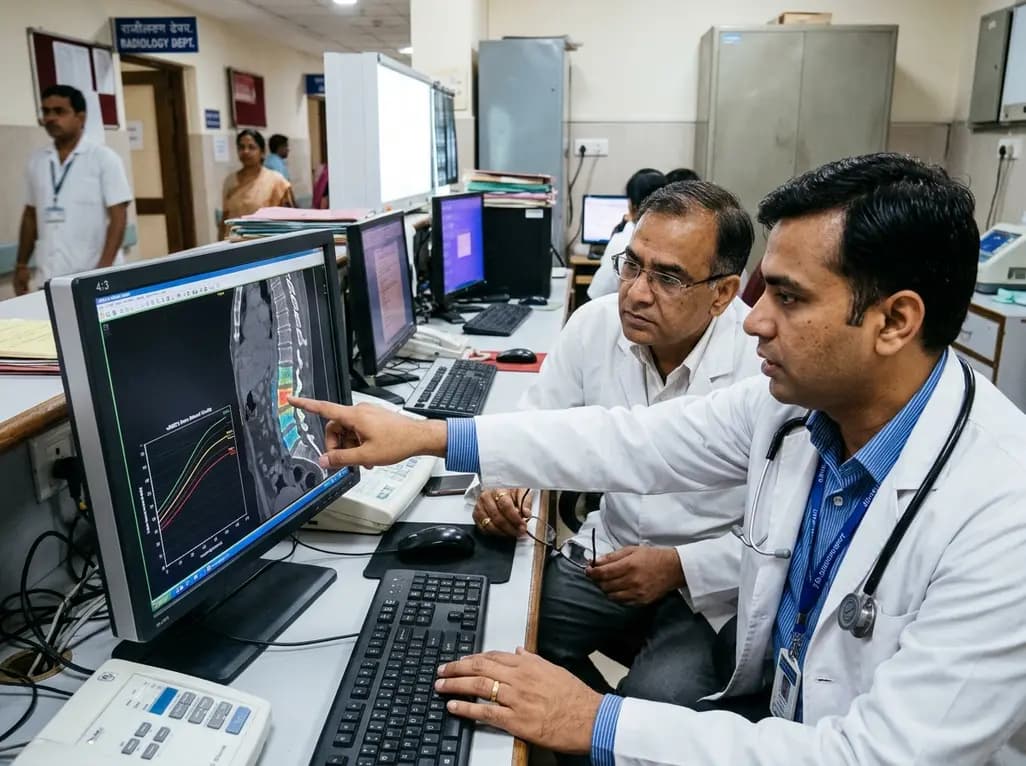
CT-derived volumetric bone mineral density centile curves offer an accurate method for opportunistic osteoporosis screening. This approach identifies high-risk patients who missed routine DXA scans and reliably predicts major osteoporotic fractures, addressing significant diagnostic gaps in clinical practice.
Today
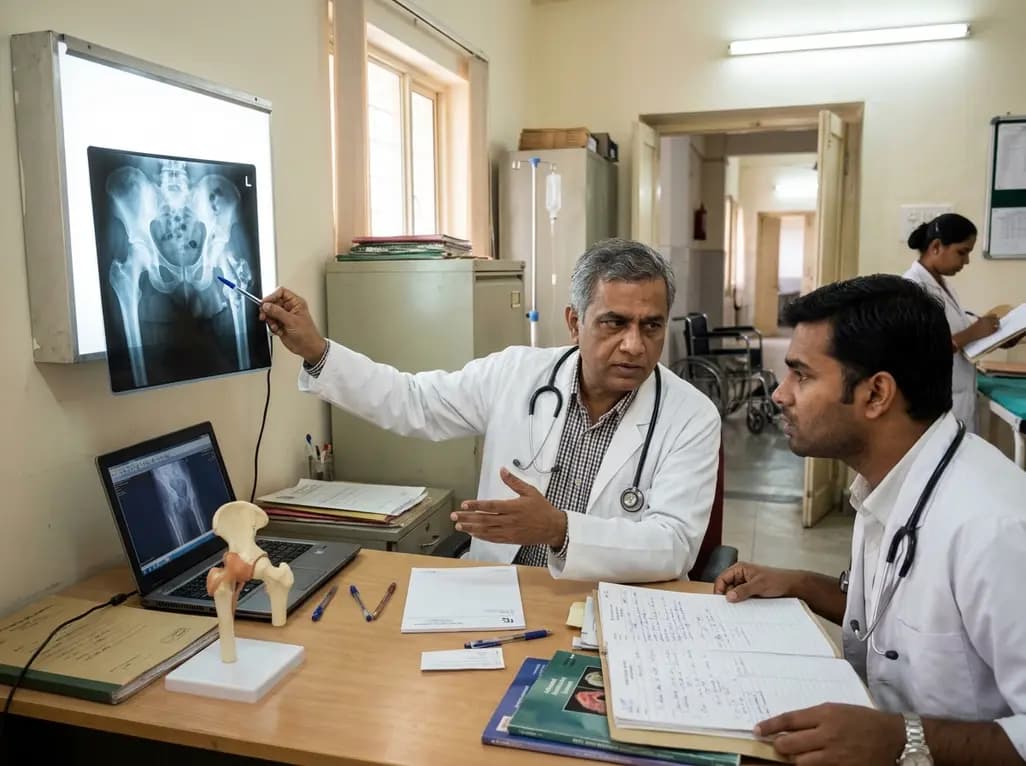
A nationwide real-world cohort study reveals that sequential antiresorptive therapy following teriparatide reduces hip fracture risk by over 50%. Immediate initiation within 90 days and high treatment adherence are critical to preserve skeletal gains in severe osteoporosis.
Today
