.webp&w=384&q=75)

Loading, please wait...
Loading, please wait...
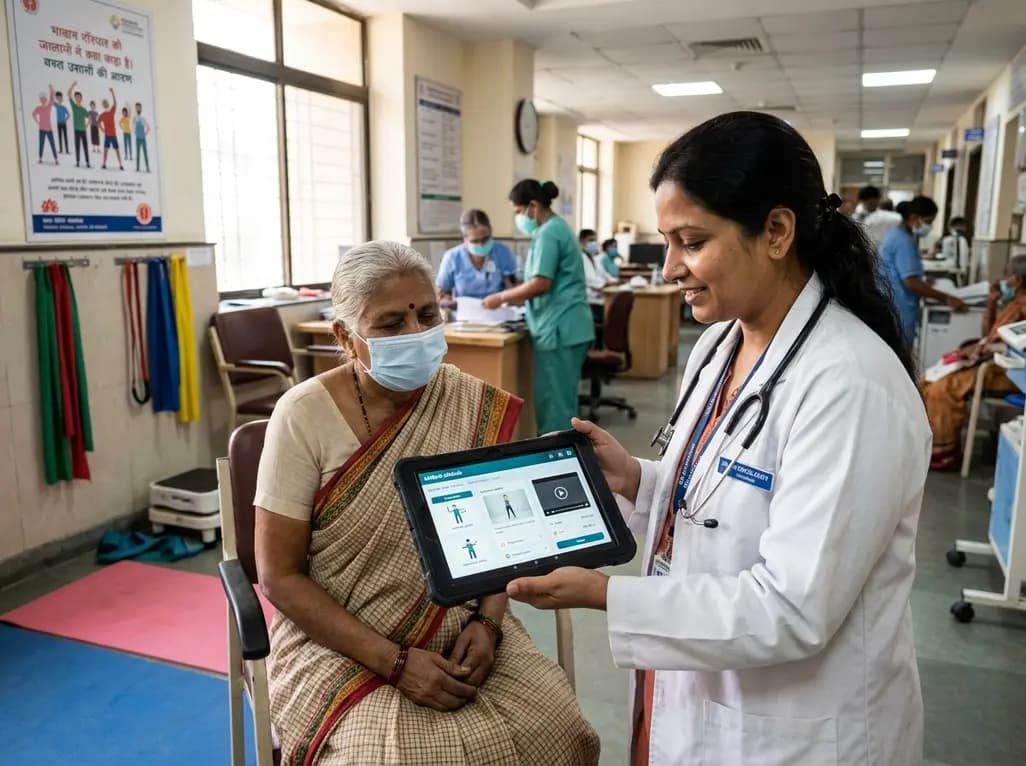
Exercise oncology provides undeniable evidence that structured physical activity significantly mitigates cancer-related fatigue, preserves functional capacity, and improves overall survival. Consequently, leading professional societies recommend integrating exercise across every phase of cancer care. However, substantial barriers frequently impede standard hospital-based programs. Patients undergoing intensive chemotherapy or targeted therapy often experience severe fatigue, immune vulnerability, and travel limitations. Therefore, digital cancer rehabilitation has emerged as a transformative modality to bring supervised exercise directly to survivors in their home environments. Telerehabilitation platforms offer real-time tracking, wearable sensor integration, and remote clinical oversight. As a result, these technologies allow oncologists and physical therapists to tailor exercise regimens to dynamic patient needs. Furthermore, decentralized interventions overcome geographic barriers, particularly for individuals living far from comprehensive cancer centers. Despite these advantages, successful implementation across heterogenous healthcare systems requires rigorous scientific validation. Clinicians must understand not only the therapeutic efficacy but also the logistical determinants that influence adoption. Recent research efforts therefore seek to establish robust, scalable models that deliver exercise safely during and after antineoplastic treatment.
Moreover, healthcare systems worldwide face resource constraints that complicate in-person supportive care delivery. Digital interventions present an economical and clinically sound strategy to address these operational deficits. By leveraging smart devices and telehealth consultations, cancer programs can maintain continuous contact with patients without overwhelming outpatient physical therapy departments. Thus, digital modalities redefine cancer survivorship by fostering proactive self-management alongside structured clinical guidance.
To address critical implementation gaps, the multicenter gAMBeRh project launched the AMBeR eRehab study across five South Baltic nations. This international prospective protocol utilizes a hybrid implementation-effectiveness design to evaluate digitally supported physical rehabilitation. Specifically, investigators established two distinct single-arm feasibility cohorts across participating academic and community cancer centers. The first cohort enrolls adult patients actively receiving systemic therapy, including chemotherapy, immunotherapy, or targeted biologics. In contrast, the second cohort investigates survivors who have completed primary systemic therapy or who continue on long-term maintenance treatment.
Additionally, each trial site plans to enroll thirty participants per cohort, generating an aggregate study population of three hundred patients. The protocol intentionally accepts adult patients regardless of specific tumor histology or stage. Consequently, the study captures diverse patient experiences across breast, gastrointestinal, genitourinary, and hematologic malignancies. Physical therapists deliver the intervention over an eight-to-sixteen-week window using tailored digital tools and wearable motion sensors. These digital interfaces facilitate remote monitoring while providing direct visual biofeedback to patients. Furthermore, physical therapists adjust resistance and aerobic parameters dynamically based on logged exertion metrics and reported side effects. Ultimately, this pragmatic stratification permits investigators to delineate differing functional tolerances between actively treated individuals and post-treatment survivors.
Evaluating novel healthcare technologies requires frameworks that examine real-world operational viability rather than isolated efficacy metrics alone. Therefore, the AMBeR eRehab trial structures its scientific evaluation around the established RE-AIM framework. This model systematically measures Reach, Effectiveness, Adoption, Implementation, and Maintenance. Specifically, investigators quantify reach by assessing the proportion and demographic characteristics of eligible patients who choose to enroll. Similarly, adoption metrics examine how readily oncologists and clinical multidisciplinary teams refer patients to the digital platform.
Furthermore, the research team integrates Group Concept Mapping to evaluate complex psychosocial determinants of engagement. This qualitative and quantitative methodology identifies specific facilitators and obstacles that influence patient adherence over time. Concurrently, Group Concept Mapping assesses the experiential determinants that affect healthcare professionals who deliver the virtual interventions. Clinicians often encounter logistical hurdles, documentation burdens, and platform usability challenges during routine digital delivery. Consequently, gathering structured provider feedback ensures that technical developers can optimize workflow integration. By combining implementation science with rigorous clinical outcome measures, the study illuminates why certain digital interventions succeed while others fail in daily oncology practice. Therefore, this methodological design provides reproducible insights that extend far beyond isolated clinical trial settings.
Although digital therapeutics offer profound opportunities to expand supportive oncology services, they simultaneously introduce critical equity challenges. Inequitable implementation can inadvertently exacerbate healthcare disparities if advanced tools remain restricted to affluent, tech-savvy demographics. For instance, cancer patients with lower socioeconomic status, limited health literacy, or inadequate broadband connectivity face substantial hurdles when accessing virtual care. Additionally, older cancer survivors frequently experience digital literacy barriers that deter independent platform navigation.
Therefore, the investigators within the AMBeR project deliberately designed their intervention to examine and dismantle these structural inequities. The trial evaluates how socioeconomic gradients influence patient participation, compliance, and clinical benefit across diverse geographic regions. In addition, participating centers incorporate bilingual digital interfaces and intuitive hardware configurations to reduce technological friction. Healthcare providers also receive specialized training to support technologically hesitant patients during initial onboarding sessions. Consequently, the study emphasizes tailored educational resources that empower patients regardless of their technical background. If oncology teams fail to address digital determinants of health proactively, remote innovations will widen the survivorship gap rather than bridge it. Thus, rigorous equity-focused feasibility research represents an essential prerequisite prior to widespread health system implementation.
The core principles of the AMBeR eRehab protocol carry profound relevance for oncology ecosystems worldwide, including in India. Cancer incidence across low- and middle-income countries continues to accelerate rapidly, placing immense pressure on centralized tertiary cancer institutions. For instance, Indian oncology centers frequently treat patients who travel hundreds of kilometers from rural districts to receive systemic chemotherapy. Consequently, continuous in-person physical therapy remains impractical for most patients once they return to their local communities.
However, the rapid penetration of affordable smartphones and cellular data across rural and semi-urban regions creates an ideal environment for home-based tele-exercise programs. By adapting hybrid digital models, Indian oncologists can remotely monitor treatment toxicities and prescribe evidence-based physical activity. Furthermore, structured digital exercise mitigates common systemic treatment complications, such as sarcopenia, anthracycline-induced cardiotoxicity, and chemotherapy-induced peripheral neuropathy. Integrating trained community physiotherapists into virtual monitoring platforms could bridge the tertiary-to-primary healthcare gap effectively. Moreover, routine exercise counseling delivered via digital channels empowers patients to take an active role in their oncologic rehabilitation. Therefore, adopting implementation frameworks like RE-AIM ensures that resource-constrained settings deploy cost-effective, culturally adapted digital supportive care interventions successfully.
Digital rehabilitation delivers structured, personalized exercise directly to patients while avoiding the exhaustion of hospital travel. Regular aerobic and resistance training mitigates severe chemotherapy-related fatigue, preserves muscle mass, and counters treatment-induced cardiorespiratory decline. Furthermore, continuous remote monitoring enables physical therapists to adjust exercise intensity safely according to fluctuating toxicities. This tailored guidance enhances functional independence, reduces psychological distress, and improves overall treatment tolerance during intensive antineoplastic therapy.
The RE-AIM framework evaluates whether clinical innovations succeed in routine practice beyond tightly controlled experimental settings. By systematically measuring Reach, Effectiveness, Adoption, Implementation, and Maintenance, researchers determine how diverse patient populations access and adhere to digital care. Additionally, this framework identifies institutional barriers among healthcare professionals delivering the intervention. Consequently, RE-AIM provides actionable implementation data that help health systems scale digital rehabilitation sustainably without exacerbating existing geographic or socioeconomic disparities.
Healthcare providers must design inclusive digital interventions that accommodate varying levels of digital literacy and technological access. Clinicians can achieve this by employing user-friendly, multilingual interfaces and supplying compatible wearable hardware when necessary. Furthermore, oncology teams should offer guided onboarding sessions and establish hybrid pathways that combine digital tracking with periodic personal telephone contact. Consequently, these inclusive strategies ensure vulnerable, rural, and older cancer survivors access equitable supportive care throughout their journey.
Disclaimer: This content is for informational and educational purposes only and does not constitute formal medical advice, diagnosis, or treatment recommendations. Clinical decisions should be made by qualified healthcare professionals based on individual patient assessments and established standards of care. Refer to the latest local and national guidelines for clinical practice.
References

Read summarized clinical updates, watch expert medical content, and earn CME certifications right from your smartphone.
Open your smartphone camera to scan and install.





The AMBeR eRehab feasibility study evaluates digitally supported physical cancer rehabilitation across five South Baltic countries during and after systemic therapy. Using the RE-AIM framework, it assesses implementation determinants to ensure equitable access to exercise oncology care.
last month

As monsoon seasons elevate arboviral disease threats, Tamil Nadu has initiated an ICMR-monitored evaluation of the tetravalent dengue vaccine in Tenkasi district. Clinicians emphasize clinical monitoring, public prevention, and high-quality early pediatric care to reduce disease morbidity across endemic regions.
Today

Leucine Rich Bio has introduced South Asia's first comprehensive vaginal microbiome test, BugSpeaks. By profiling microbial dysbiosis, pathogens, and antimicrobial resistance, this next-generation diagnostic platform provides clinicians with deeper insights into recurrent infections, fertility, and reproductive health.
Today

Review how tailored exercise programs benefit frail older patients with heart failure. Explore pathophysiological mechanisms, individualized training prescriptions, and strategies to overcome adherence barriers in clinical practice.
Today

This comparative study evaluates posterior labral tears with and without glenohumeral instability, highlighting distinct demographic patterns, MRI underestimation in stable shoulders, and successful arthroscopic repair outcomes.
Today

A clinical study demonstrates that early intervention with tocilizumab, either as monotherapy or bridged with corticosteroids, achieves significant proptosis reduction and resolves active inflammation in treatment-naive thyroid eye disease.
Today
