.webp&w=384&q=75)

Loading, please wait...
Loading, please wait...

Recent epidemiological assessments indicate that Alzheimer's cases in India vastly exceed official clinical statistics. While published nationwide studies document millions of affected individuals, countless rural cases remain unrecorded. Consequently, healthcare providers must understand the true scale of cognitive disorders. Clinicians can improve long-term geriatric outcomes by identifying high-risk individuals early.
Nationwide studies estimate that nearly 8.8 million Indian adults aged sixty and older live with dementia. However, leading neurologists emphasize that the real caseload could be four to five times higher. Currently, registered figures reflect only patients who visit major tertiary hospitals in urban centers. In contrast, millions of older adults in remote villages experience cognitive decline without clinical evaluation. India lacks comprehensive population-based dementia registries, which obscures the genuine national burden. Consequently, families frequently misinterpret progressive memory loss as normal aging rather than a serious neurological disease. This widespread perception causes critical delays in clinical diagnosis and supportive medical care. Furthermore, primary health centers frequently lack standard cognitive screening instruments. Therefore, general physicians must maintain high clinical vigilance during routine geriatric consultations. Doctors should actively evaluate subtle changes in memory, spatial orientation, and daily executive functioning. Timely detection enables earlier lifestyle interventions that preserve functional independence. Moreover, early recognition helps families prepare emotionally and financially for progressive caregiving duties. Closing this significant diagnostic gap remains an urgent public health imperative across all Indian healthcare sectors.
India is undergoing a dramatic demographic transition characterized by a rapidly expanding elderly demographic. As a result, the population susceptible to late-life neurodegenerative diseases continues to expand. Clinical data show that dementia risk escalates significantly with advancing age. Specifically, the risk measures roughly 2.5 percent at sixty-five years of age. However, the incidence increases sharply for individuals surviving past seventy and seventy-five years. Meanwhile, modern Indian healthcare has dramatically improved outcomes for acute cardiovascular diseases and ischemic stroke. Interventional cardiology and specialized stroke units now save thousands of lives annually. Consequently, more patients survive major vascular insults and reach advanced chronological age. While enhanced cardiovascular survival represents significant progress, it enlarges the population at risk for neurodegeneration. Furthermore, common vascular risk factors actively accelerate neuropathological processes in the brain. Uncontrolled hypertension, diabetes mellitus, and dyslipidemia promote both cerebrovascular injury and cerebral amyloid deposition. Therefore, clinicians frequently encounter mixed dementia presentations in outpatient clinics. Physicians must treat cardiovascular disease aggressively while monitoring cognitive performance over time. Moreover, managing metabolic health in midlife provides enduring neuroprotective benefits for aging brains.
Targeted lifestyle modifications offer powerful non-pharmacological protection against neurodegenerative disorders. Clinical evidence demonstrates that consistent aerobic exercise serves as the most effective preventative measure. In fact, thirty to forty-five minutes of daily moderate exercise stimulates neuroplasticity and brain-derived neurotrophic factor. Physical activity also enhances cerebral blood flow and attenuates systemic neuroinflammation. Consequently, physically active adults exhibit greater cognitive reserve and delayed symptom onset compared to sedentary individuals. In addition to physical movement, restorative nocturnal sleep plays an indispensable neuroprotective role. During deep slow-wave sleep, the glymphatic system clears metabolic waste products from brain tissue. Specifically, this glial process eliminates toxic amyloid-beta peptides and hyperphosphorylated tau proteins before fibrils consolidate. When individuals suffer from chronic insomnia or disrupted circadian rhythms, glymphatic clearance declines substantially. As a result, neurotoxic proteins accumulate progressively within neural parenchyma over decades. Therefore, clinicians must routinely assess sleep duration and screen for obstructive sleep apnea in elderly patients. Recommending seven to eight hours of sound sleep optimizes physiological waste removal. Furthermore, addressing sleep disorders early preserves long-term neuronal viability.
Maintaining active cognitive and social engagement establishes vital neuroprotective defenses during aging. Longitudinal research shows that mentally stimulating activities help elderly individuals maintain functional cognition despite neuropathological changes. For example, acquiring new complex skills strengthens existing synaptic connections and generates novel neural pathways. Older adults who routinely read, solve challenging puzzles, or learn languages preserve cognitive faculties longer. In addition, rich interpersonal relationships offer substantial protection against age-related cognitive decline. Seniors who participate regularly in community clubs, social societies, or family gatherings remain mentally active. In contrast, social isolation and loneliness increase psychological distress and accelerate cognitive deterioration. Depression frequently acts as both an early prodromal symptom and an independent risk factor for dementia. Therefore, healthcare providers should incorporate social evaluations into routine clinical assessments. Clinicians should encourage seniors to cultivate hobbies and stay socially active. Furthermore, community centers should design structured intellectual programs that foster peer interaction. Supporting social engagement empowers seniors to maintain strong cognitive reserve throughout their golden years. Ultimately, sustained mental stimulation helps postpone clinical dementia symptoms for years.
Recent technological advancements have fundamentally modernized the diagnostic pathway for neurodegenerative conditions. Historically, biological confirmation required invasive lumbar punctures or expensive specialized imaging. However, newly introduced blood biomarkers identify pathological changes fifteen to twenty years before clinical symptoms emerge. Specifically, diagnostic laboratories now analyze the plasma phosphorylated tau 217 to beta-amyloid 1-42 ratio. This peripheral blood test mirrors cerebral amyloid plaque formation with remarkable diagnostic accuracy. Consequently, blood-based testing makes early screening far more accessible across diverse healthcare settings. Alongside blood tests, fluorodeoxyglucose positron emission tomography provides crucial functional information. FDG PET scans detect localized brain hypometabolism well before gross structural atrophy appears on magnetic resonance imaging. In typical cases, glucose hypometabolism appears prominently in the temporoparietal association cortex and posterior cingulate. Therefore, combining functional PET neuroimaging with plasma biomarkers delivers superior diagnostic precision for practicing clinicians. Multidisciplinary teams can accurately differentiate Alzheimer's disease from frontotemporal dementia or vascular cognitive impairment. Furthermore, early detection enables timely enrollment in emerging disease-modifying therapies. Utilizing these synergistic diagnostic tools helps doctors establish proactive management plans for vulnerable patients.
Q1: Why are Alzheimer's cases significantly underreported across India?
Alzheimer's cases in India remain underreported primarily due to the absence of centralized registries and pervasive social stigma. In rural and semi-urban communities, families frequently mistake progressive cognitive decline for normal aging. Furthermore, many peripheral healthcare centers lack standardized screening tools and trained specialists. Consequently, most patients only receive formal clinical diagnoses during advanced neurodegenerative stages, leaving millions of individuals unaccounted for in official national healthcare records.
Q2: How does daily sleep help prevent neurodegenerative protein accumulation?
Restorative sleep activates the brain's glymphatic system, a specialized glial-dependent waste clearance pathway. During deep slow-wave sleep stages, interstitial fluid flushes the brain and eliminates toxic metabolic byproducts. Specifically, this mechanism clears neurotoxic amyloid-beta and phosphorylated tau aggregates before they form insoluble plaques and tangles. Conversely, chronic sleep deprivation impairs glymphatic drainage. Therefore, securing seven to eight hours of quality sleep nightly provides essential neuroprotection against cognitive impairment.
Q3: What clinical value does the p-tau217 to amyloid ratio blood test provide?
The plasma p-tau217 to beta-amyloid 1-42 ratio serves as a minimally invasive diagnostic biomarker that detects Alzheimer's pathology decades before overt cognitive symptoms develop. This blood assay reflects cerebral amyloid and tau accumulation with high clinical precision. By integrating this blood biomarker with neurocognitive assessments and neuroimaging, clinicians can confirm diagnoses early. Consequently, patients gain access to timely therapeutic interventions, structured lifestyle changes, and emerging disease-modifying medical therapies.
Disclaimer: This content is for informational and educational purposes only. It does not constitute medical advice or replace professional judgment. Refer to the latest local and national guidelines for clinical practice.
References

Read summarized clinical updates, watch expert medical content, and earn CME certifications right from your smartphone.
Open your smartphone camera to scan and install.





With clinical projections estimating millions of undiagnosed dementia patients across rural and semi-urban communities, Indian healthcare faces an impending neurodegenerative crisis. Discover how novel blood biomarkers, FDG PET neuroimaging, and targeted lifestyle modifications are reshaping dementia care pathways.
Today
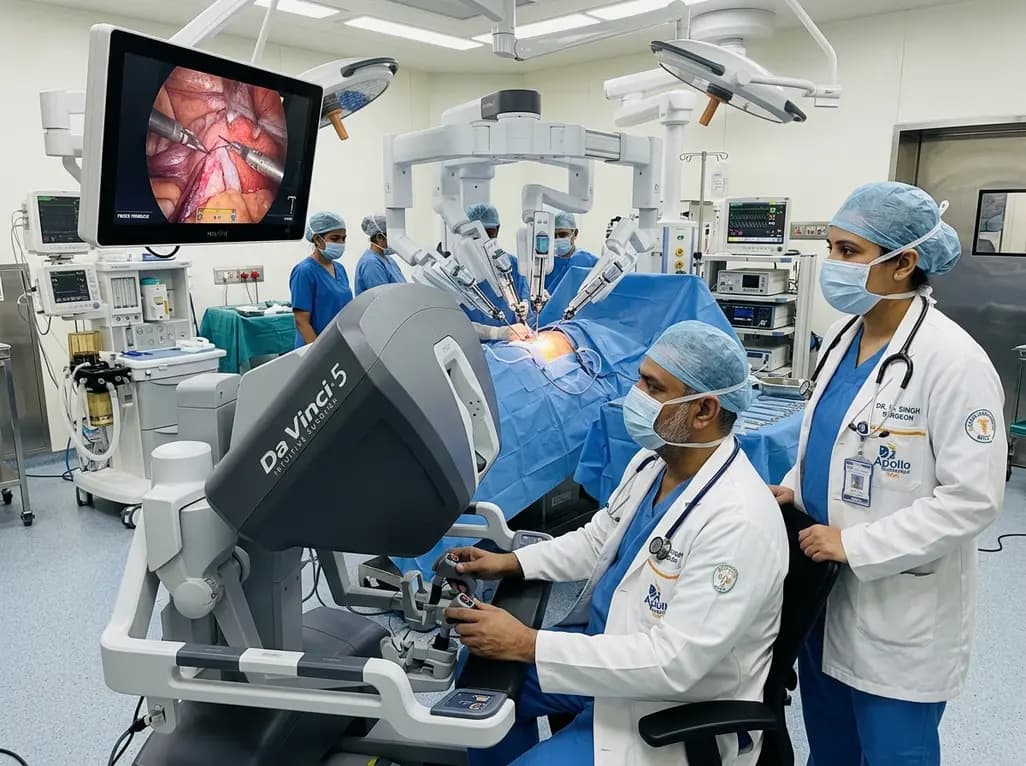
India expands its minimally invasive surgical landscape as Intuitive unveils its fifth-generation robotic platform. Equipped with real-time force feedback and immense computing performance, this innovation assists clinical specialists across urology, gynecology, and general surgery in optimizing operative care.
Today

A cross-sectional analysis of NHANES 2013-2020 reveals that depressive symptoms and sleep disturbance significantly elevate the odds of cardiometabolic multimorbidity in adults with arthritis. Comprehensive clinical screening and integrated multi-organ interventions are vital to reduce overall cardiovascular burden.
Today

Systematic review comparing labral repair and reconstruction in primary hip arthroscopy shows comparable short- to mid-term patient-reported outcomes, with lower THA conversion after repair but superior outcomes for reconstruction in patients aged 40 and older.
Yesterday
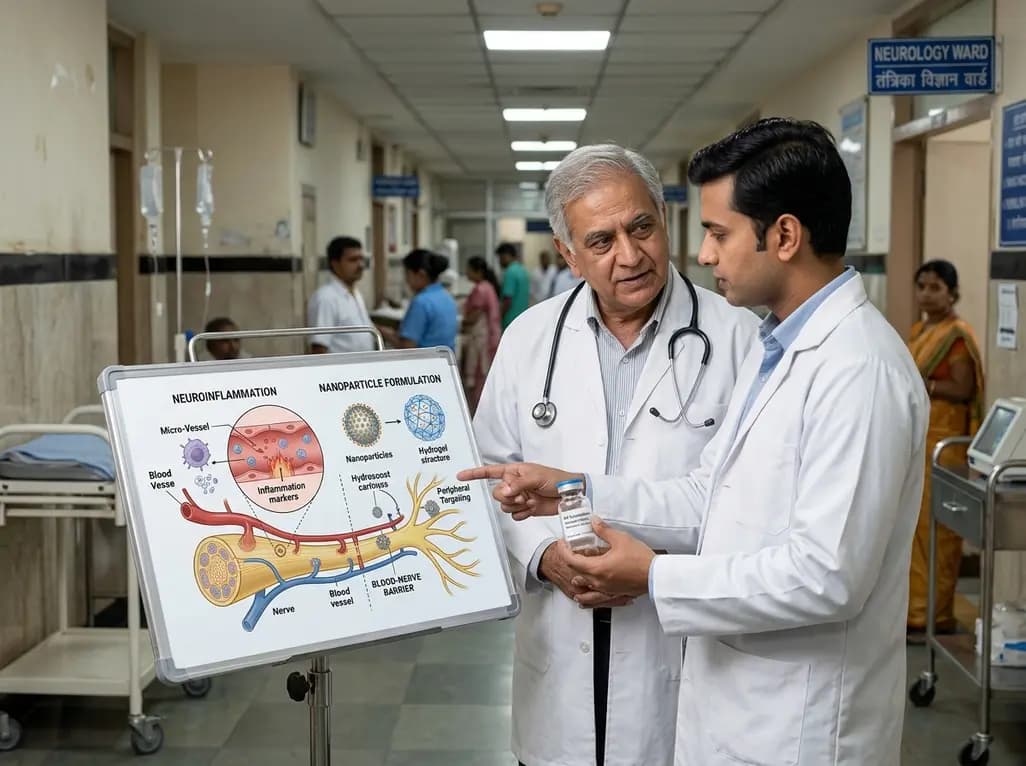
Diabetic peripheral neuropathy involves chronic neuroinflammation and blood-nerve barrier dysfunction. This review discusses advanced nanomedicine formulations, including nanoparticles and hydrogels, designed to overcome pharmacokinetic barriers and modulate the peripheral neuroimmune axis.
Today
