.webp&w=384&q=75)

Loading, please wait...
Loading, please wait...

Active surveillance represents the standard of care for men diagnosed with low-risk localized prostate cancer. However, patients frequently worry about disease progression and ask clinicians about modifiable lifestyle habits. A landmark prospective cohort study now demonstrates that routine alcohol consumption significantly accelerates prostate cancer upgrading, offering crucial clinical insights for risk stratification and counseling.
Managing Grade Group 1 disease through active surveillance spares men the immediate urinary, sexual, and bowel toxicities of radical surgery or radiotherapy. Clinicians monitor patients using serial prostate-specific antigen tests, multiparametric magnetic resonance imaging, and surveillance biopsies. Nevertheless, approximately one-third of men ultimately experience pathological progression during follow-up, necessitating definitive curative therapy. This clinical reality causes considerable distress and drives men to seek lifestyle interventions that might keep their disease dormant. Historically, oncologists possessed limited high-quality evidence regarding how specific dietary components influence tumor stability. While researchers studied physical activity, dietary fats, and lycopene extensively, the direct relationship between alcohol intake and tumor upgrading remained ambiguous. Most prior investigations grouped active surveillance patients with post-prostatectomy cohorts, obscuring nuances unique to low-grade tumors. Consequently, clinicians often lacked clear, evidence-based recommendations when patients inquired about alcohol consumption. A prospective evaluation from Johns Hopkins Medicine now addresses this critical knowledge gap, clarifying how pre-diagnostic alcohol habits alter disease trajectories for men on active surveillance.
In this prospective cohort study, investigators examined over 1,500 men enrolled in active surveillance with Grade Group 1 prostate cancer. At enrollment, each participant completed a validated questionnaire detailing average weekly alcohol intake over the preceding five years. Researchers tracked these patients across structured surveillance protocols to detect subsequent histological reclassification on follow-up biopsies. Notably, multivariable analysis revealed a striking finding. Men consuming seven or more alcoholic drinks per week faced a 47% higher hazard of prostate cancer upgrading compared to individuals drinking less than one drink weekly. Furthermore, investigators adjusted for crucial confounding variables, including baseline prostate-specific antigen density, patient age, body mass index, and smoking history. Even after these adjustments, the elevated risk persisted with statistical significance. Interestingly, the data did not demonstrate an association between alcohol intake and extreme upgrading to Grade Group 3 or higher tumors. Thus, moderate-to-heavy alcohol consumption primarily converts indolent, low-risk lesions into intermediate-risk pathology, precipitating active intervention while avoiding sudden shifts toward aggressive phenotypes.
Several biological mechanisms explain why chronic alcohol exposure promotes tumor upgrading in localized prostate tissue. When the human body metabolizes ethanol, hepatic enzymes and peripheral tissues generate acetaldehyde, an established carcinogen and inducer of DNA adducts. In addition, ethanol metabolism generates reactive oxygen species, triggering sustained intracellular oxidative stress within prostate epithelial cells. This heightened oxidative stress impairs physiological DNA repair pathways, thereby facilitating somatic mutations that accelerate histological dedifferentiation. Furthermore, alcohol consumption promotes chronic systemic inflammation and alters circulating sex hormone concentrations. Frequent drinking elevates bioavailable estrogens and alters testosterone bioavailability, disrupting the delicate endocrine balance that regulates prostate tissue homeostasis. Moreover, alcohol intake alters insulin-like growth factor signaling and stimulates angiogenesis, creating a permissive microenvironment for indolent cancer cells to expand. These biochemical disruptions explain why regular drinking can induce phenotypic shifts in low-grade prostate lesions. Therefore, alcohol acts not merely as an innocent dietary indulgence, but as an active biological mediator that influences tumor kinetics and cellular differentiation over time.
The discovery that alcohol intake substantially increases progression risk provides clinicians with a practical counseling tool during surveillance visits. When men choose active surveillance, they actively seek lifestyle strategies to preserve their low-risk disease status. In the past, urologists primarily focused their lifestyle guidance on cardiovascular health, exercise routines, and smoking cessation. Now, clinicians must explicitly incorporate alcohol moderation into shared decision-making discussions. Specifically, doctors should advise patients that consuming seven or more standard drinks per week compromises their surveillance eligibility over time. In countries like India, where alcohol consumption patterns among urban men are shifting toward regular social drinking, this clinical message carries timely significance. Because transitioning from Grade Group 1 to Grade Group 2 often triggers curative surgery or radiation, avoiding disease reclassification directly protects patients from urinary incontinence and erectile dysfunction. Consequently, clinicians should obtain a detailed alcohol history at baseline and reinforce drinking limits during every follow-up appointment. Integrating targeted behavioral advice empowers patients, giving them tangible agency over their oncological management.
Although these prospective findings offer vital clinical guidance, researchers must explore several remaining questions regarding alcohol consumption and prostate cancer. First, prospective intervention trials should evaluate whether cessation or marked reduction of alcohol intake after diagnosis reverses the upgrading hazard. Currently, observational data capture pre-diagnostic alcohol consumption, leaving open the therapeutic question of post-diagnostic behavioral modification. In addition, future investigations must examine potential differences among specific beverage types, comparing distilled spirits, beer, and polyphenol-rich red wine. Investigators also need to evaluate how genetic variations in alcohol-metabolizing enzymes influence individual susceptibility to tumor upgrading. Furthermore, combining alcohol reduction with structured aerobic exercise and dietary optimization could yield synergistic protective benefits against disease reclassification. As urologic oncology advances toward precision lifestyle medicine, personalized surveillance protocols will increasingly integrate genomic risk scores with comprehensive behavioral profiles. Meanwhile, clinicians possess sufficient prospective evidence to recommend moderation. By encouraging patients to limit alcohol consumption strictly, urologists can help preserve active surveillance success and support long-term patient survivorship.
Recent clinical data demonstrate that higher alcohol intake significantly elevates the risk of pathological progression. Specifically, men consuming seven or more alcoholic drinks per week exhibit a forty-seven percent higher hazard of histological upgrading compared to light drinkers. Consequently, frequent drinking undermines disease stability during active surveillance. Urologists should actively counsel patients that reducing weekly alcohol intake represents a practical, modifiable lifestyle measure to preserve surveillance eligibility and delay aggressive interventions.
Current epidemiological evidence indicates that alcohol intake primarily drives progression from low-risk to intermediate-grade disease rather than extreme upgrading. In prospective cohort evaluations, consuming seven or more drinks weekly did not significantly increase transitions to Grade Group 3 or higher tumors. Nevertheless, any histological progression typically prompts clinicians to recommend definitive radiation or radical prostatectomy. Therefore, avoiding moderate to heavy alcohol consumption remains vital for patients wishing to remain safely within surveillance protocols.
Urologists should integrate structured dietary and lifestyle counseling into regular surveillance consultations. First, clinicians should advise men to restrict alcohol intake to fewer than seven standard drinks weekly, or ideally avoid regular drinking entirely. Furthermore, patients should maintain a healthy body mass index, engage in routine aerobic exercise, and quit smoking. Because systemic inflammation and metabolic dysregulation exacerbate tumor biology, adopting these holistic lifestyle modifications empowers men to optimize their long-term oncological outcomes.
Disclaimer: This content is for informational and educational purposes only... Refer to the latest local and national guidelines for clinical practice.
References

Read summarized clinical updates, watch expert medical content, and earn CME certifications right from your smartphone.
Open your smartphone camera to scan and install.





A prospective study of over 1,500 men reveals that consuming seven or more alcoholic drinks weekly increases the risk of prostate cancer upgrading during active surveillance by 47%. Clinicians should actively address alcohol intake during lifestyle counseling to help patients maintain disease stability.
Today

Bacteroides thetaiotaomicron utilizes an intricate multiprotein extracellular relay and outer membrane vesicles for cobamide scavenging in the human gut. This review examines its transport mechanics, riboswitch regulation, and potential clinical implications for host-microbe vitamin competition and nutrient absorption.
Today

An independent clinical evaluation from Assam confirms the excellent safety profile of CERVAVAC, India's indigenous HPV vaccine. Evaluating 3,800 doses administered to 2,000 young girls, researchers documented zero serious adverse events, providing critical real-world evidence to resolve vaccine hesitancy.
Today

This clinical analysis examines heparin-free versus heparin-containing Impella purge solutions in patients receiving concomitant ECMO support (ECPELLA). Evidence suggests anticoagulant-free purges maintain device patency while reducing bleeding risks, offering a viable strategy alongside systemic anticoagulation.
Today

A 10-year Markov state-transition model shows minimally invasive tubular decompression dominates open laminectomy for pure lumbar spinal stenosis, yielding 5.95 vs 5.91 QALYs and saving $4,167 per patient through reduced complications and lower index costs.
Today
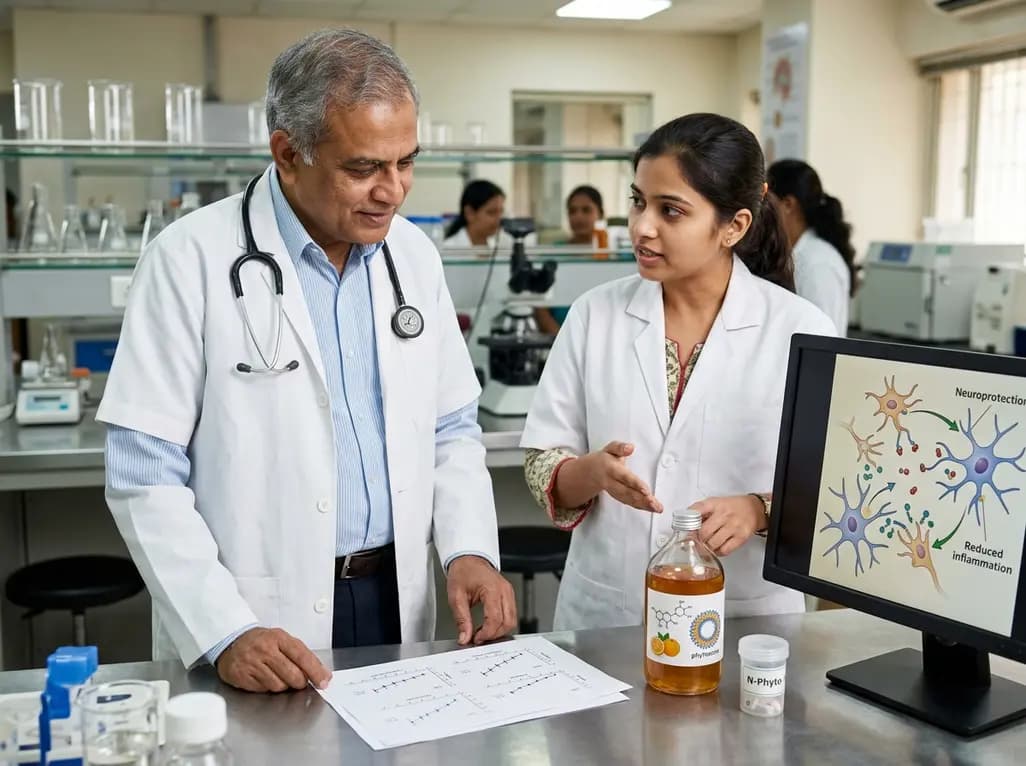
A preclinical study demonstrates that naringin-loaded phytosomes significantly enhance oral bioavailability and provide neuroprotective efficacy in diabetic neuropathy by dampening inflammation, reducing oxidative stress, and relieving neuropathic pain.
Today
