.webp&w=384&q=75)

Loading, please wait...
Loading, please wait...

Cobamides represent an essential class of cobalt-containing corrinoid cofactors that drive vital enzymatic reactions across diverse domains of life. In the human intestinal tract, efficient cobamide scavenging serves as a critical fitness determinant for resident bacterial communities. Bacteroides thetaiotaomicron, an indispensable anaerobic commensal of the lower gastrointestinal tract, exemplifies this metabolic dependency. Because this species lacks the biosynthetic machinery required for de novo corrinoid synthesis, it functions as an obligate cobamide auxotroph. Consequently, it depends entirely on active environmental acquisition to sustain essential enzymes such as methionine synthase. While model organisms like Escherichia coli utilize relatively simple transport systems, Bacteroides thetaiotaomicron operates a remarkably complex molecular apparatus. This commensal species navigates an intense nutritional battleground where bacterial competitors and the human host contest limited dietary cobalamin. Recent molecular investigations reveal that this organism employs an expansive multi-tiered network to harvest corrinoids from surrounding luminal fluids. Thus, deciphering this sophisticated uptake pathway provides critical insight into microbial ecology and host nutrition.
Unlike typical bacterial transport complexes, Bacteroides thetaiotaomicron deploys an advanced protein cascade on its cellular surface. The classical model of uptake relies heavily on single outer membrane transporters. In sharp contrast, this commensal species anchors surface-exposed lipoproteins, designated as BtuJ, to initiate extracellular nutrient capture. Specifically, BtuJ lipoproteins bind free cobamides with extraordinarily high nanomolar and picomolar affinity. Subsequently, BtuJ transfers these trapped cofactors directly to downstream surface lipoproteins, specifically BtuH and BtuG. These intermediate lipoproteins position the nutrient precisely at the outer membrane barrier. Furthermore, BtuG forms a stable functional complex with BtuB, an essential TonB-dependent outer membrane transporter. This interaction directly couples extracellular corrinoid capture to periplasmic translocation. Proton motive force transmitted across the bacterial envelope powers this import step through energy-coupling TonB complexes. Once inside the periplasmic space, the substrate interacts with the inner membrane BtuFCD transport complex. Finally, this inner membrane cassette hydrolyzes ATP to drive cobamide translocation into the cytoplasm. Therefore, this coordinated relay ensures rapid, high-affinity nutrient acquisition despite severe luminal dilution.
Commensal bacteria must constantly devise novel mechanisms to outcompete neighbouring species within crowded microenvironments. To overcome spatial boundaries, Bacteroides thetaiotaomicron produces and discharges abundant outer membrane vesicles into the extracellular milieu. Remarkably, these spherical nanostructures do not represent passive cellular debris. Instead, proteomic analyses demonstrate that the organism actively enriches these vesicles with high-affinity BtuJ lipoproteins. Consequently, these liberated vesicles function as autonomous scavenging devices that diffuse far beyond the bacterial cell perimeter. They bind diverse corrinoids from intestinal fluid and effectively sequester them from rival microbes. Furthermore, these vesicle-associated lipoproteins prevent competing auxotrophs from accessing scarce cobalamin molecules. Recent experimental evidence reveals that vesicles subsequently return captured nutrients to parental bacterial cells through membrane fusion or secondary docking. Moreover, intestinal epithelial cells can internalize these cobamide-loaded vesicles via endocytosis, trafficking them directly toward host lysosomal pathways. This dual functionality demonstrates that bacterial outer membrane vesicles serve as powerful nutrient shuttles. Therefore, vesicle-mediated scavenging represents a sophisticated adaptation that bridges microbial competition and microbe-host metabolic dialogue.
Bacterial cells must maintain rigorous physiological control over nutrient acquisition machinery to prevent unnecessary metabolic expenditure. Bacteroides thetaiotaomicron achieves this exquisite balance through cobamide-responsive riboswitches located within its messenger RNA leaders. These conserved genetic elements act as direct biosensors for intracellular cofactor concentrations. When cytosolic cobamide concentrations reach sufficient metabolic levels, nascent riboswitch motifs alter their secondary structure. Consequently, this structural conformation terminates transcription or blocks translational access to bacterial ribosomes. Conversely, severe corrinoid starvation induces structural rearrangement that actively promotes the expression of outer membrane Btu operons. Furthermore, biochemical studies demonstrate that specific riboswitches discriminate between different axial chemical ligands on the corrinoid ring. For example, certain riboswitches exhibit distinct conformational sensitivity toward aquacobalamin compared to adenosylcobalamin. Thus, the bacterium finely adjusts synthesis of its uptake lipoproteins based on the chemical identity of available nutrients. Additionally, internal promoter regions within these complex operons offer secondary regulatory checkpoints. Ultimately, this dynamic sensory framework guarantees that the organism synthesizes expensive surface transport lipoproteins only when environmental conditions demand aggressive scavenging.
Understanding bacterial cobamide transport mechanisms provides valuable perspective for clinicians managing micronutrient deficiencies. Vitamin B12 deficiency represents an exceedingly prevalent clinical challenge in India, particularly among populations consuming strictly vegetarian diets. Traditionally, medical practitioners attribute low systemic cobalamin levels solely to poor dietary intake or autoimmune intrinsic factor deficiency. However, emerging microbiome research indicates that commensal bacterial competition significantly impacts enteral cobalamin availability. Highly efficient commensals like Bacteroides thetaiotaomicron harbor lipoproteins that bind corrinoids with femtomolar affinity. Notably, experimental studies show that BtuG can actively strip vitamin B12 away from human intrinsic factor in vitro. Consequently, excessive microbial scavenging within the small intestine or proximal colon might diminish the pool of free cobalamin accessible for human absorption. Furthermore, gut dysbiosis characterized by altered Bacteroidetes abundance could exacerbate subclinical vitamin deficiencies. Clinicians must recognize that oral supplementation strategies might inadvertently feed nutrient-hungry commensals before meeting host systemic requirements. Therefore, evaluating microbial resource competition may refine our understanding of therapeutic failure during oral cobalamin replacement protocols.
The elucidation of bacterial cobamide relays establishes exciting foundations for targeted therapeutic innovations. Researchers are exploring selective small-molecule inhibitors that target surface lipoproteins like BtuJ and BtuG. By specifically disrupting these initial capture points, pharmacologists could theoretically modulate bacterial fitness without employing broad-spectrum antimicrobials. Such precision interventions could curb undesirable bacterial expansion in conditions associated with intestinal inflammation and microbial dysbiosis. Moreover, engineered outer membrane vesicles holding customized cobalamin-binding cargo could serve as novel targeted delivery vehicles for human therapeutics. From a diagnostic standpoint, quantifying bacterial cobamide utilization loci through metagenomic sequencing might yield useful biomarkers for host nutritional vulnerability. Furthermore, developing cobamide analogues that resist bacterial scavenging while remaining bioavailable to human enterocytes could revolutionize clinical supplementation. Clinicians in general practice and gastroenterology should monitor these microbiome discoveries closely. Ultimately, bridging molecular bacteriology with clinical nutrition will transform our therapeutic approach toward pervasive micronutrient deficiencies.
Bacteroides thetaiotaomicron captures cobamides through an extracellular relay composed of several surface-exposed lipoproteins. First, surface-anchored BtuJ lipoproteins and liberated outer membrane vesicles trap extracellular corrinoids with high affinity. Next, these lipoproteins transfer the bound cofactors to BtuH and BtuG at the outer membrane. Finally, BtuG partners with the TonB-dependent transporter BtuB to drive periplasmic translocation, followed by ATP-dependent cytoplasmic delivery through the inner membrane BtuFCD complex.
Yes, bacterial scavenging can significantly decrease enteral vitamin B12 bioavailability for human hosts. Bacteroides species produce surface lipoproteins, such as BtuG, that display femtomolar affinity for cobamides. Consequently, these bacterial proteins can compete directly with human intrinsic factor, occasionally stripping cobalamin away in luminal environments. In patients with small intestinal bacterial overgrowth or dysbiosis, excessive bacterial scavenging exacerbates micronutrient depletion, complicating oral vitamin supplementation strategies in clinical practice.
Riboswitches serve as sensitive RNA biosensors that tightly regulate the expression of bacterial cobamide acquisition machinery. Located in untranslated messenger RNA leader regions, these structures bind intracellular cobamides directly. When sufficient corrinoids accumulate inside the cell, conformational changes terminate transcription or impede translation. Conversely, under nutrient deprivation, riboswitches permit rapid synthesis of outer membrane transport lipoproteins. Furthermore, they distinguish between chemical variants of cobamides, ensuring cost-effective protein expression during nutrient fluctuations.
Disclaimer: This content is for informational and educational purposes only and does not substitute for professional clinical judgment. Refer to the latest local and national guidelines for clinical practice.
References

Read summarized clinical updates, watch expert medical content, and earn CME certifications right from your smartphone.
Open your smartphone camera to scan and install.





Bacteroides thetaiotaomicron utilizes an intricate multiprotein extracellular relay and outer membrane vesicles for cobamide scavenging in the human gut. This review examines its transport mechanics, riboswitch regulation, and potential clinical implications for host-microbe vitamin competition and nutrient absorption.
Today
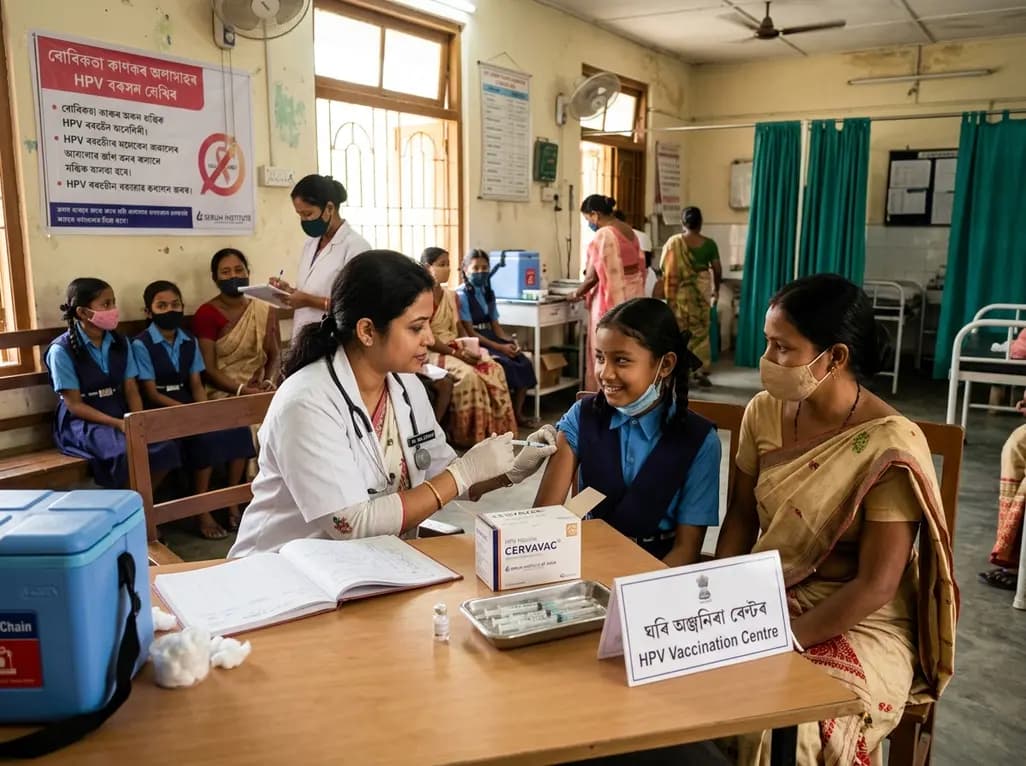
An independent clinical evaluation from Assam confirms the excellent safety profile of CERVAVAC, India's indigenous HPV vaccine. Evaluating 3,800 doses administered to 2,000 young girls, researchers documented zero serious adverse events, providing critical real-world evidence to resolve vaccine hesitancy.
Today
This clinical analysis examines heparin-free versus heparin-containing Impella purge solutions in patients receiving concomitant ECMO support (ECPELLA). Evidence suggests anticoagulant-free purges maintain device patency while reducing bleeding risks, offering a viable strategy alongside systemic anticoagulation.
Today
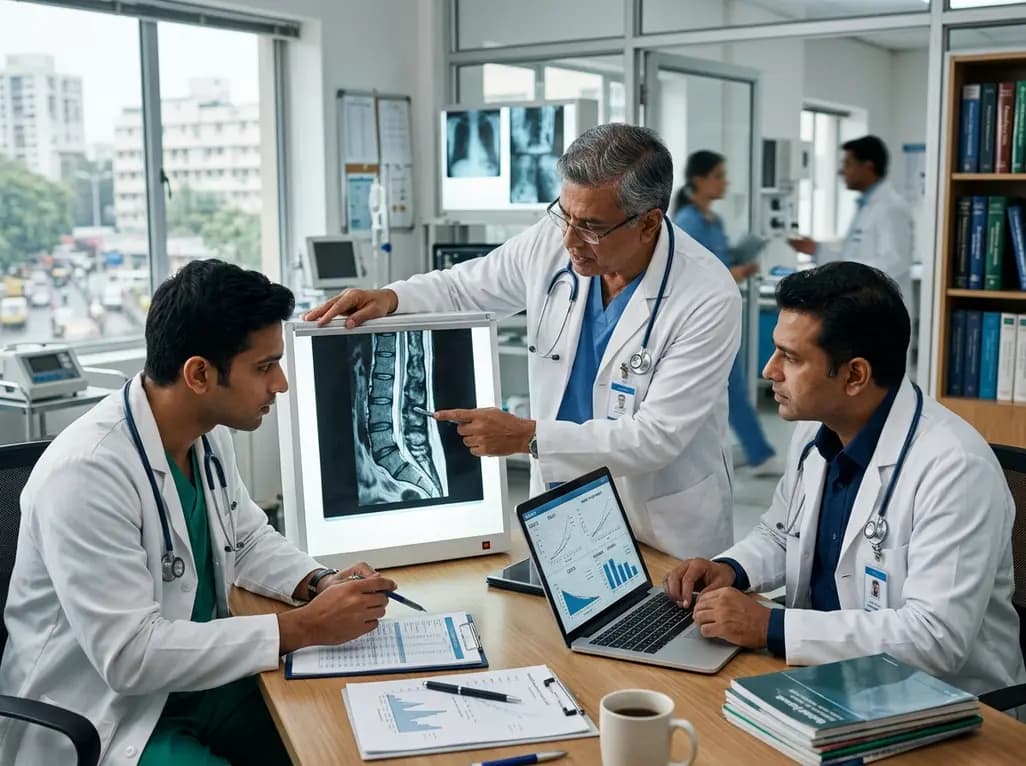
A 10-year Markov state-transition model shows minimally invasive tubular decompression dominates open laminectomy for pure lumbar spinal stenosis, yielding 5.95 vs 5.91 QALYs and saving $4,167 per patient through reduced complications and lower index costs.
Today
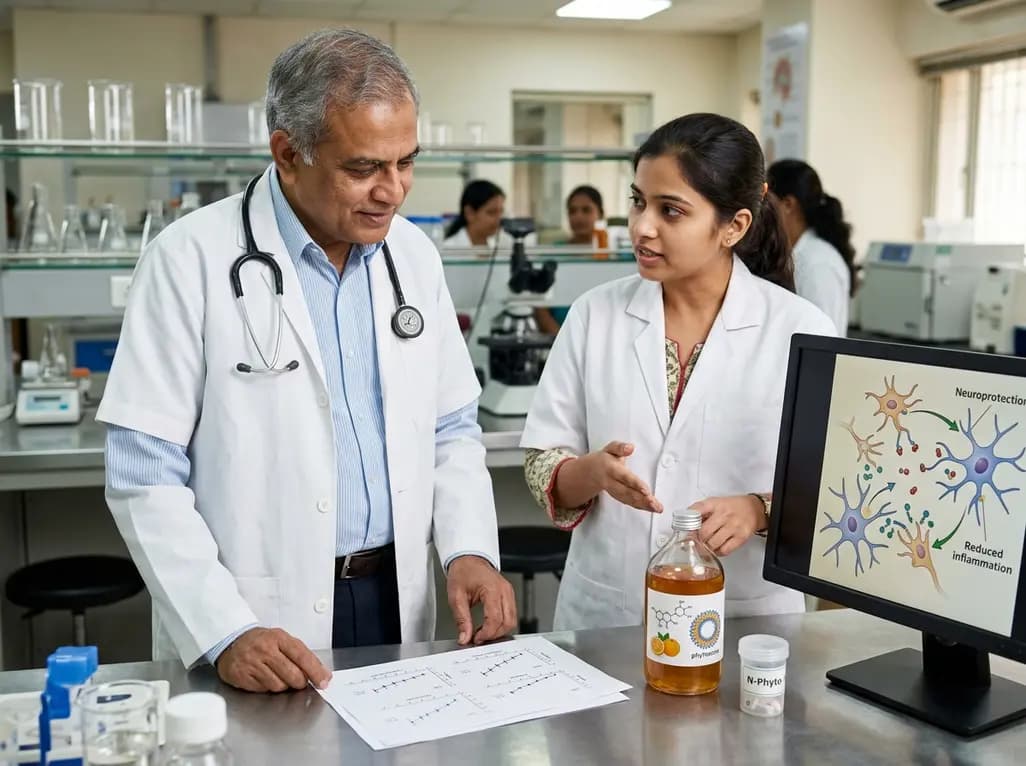
A preclinical study demonstrates that naringin-loaded phytosomes significantly enhance oral bioavailability and provide neuroprotective efficacy in diabetic neuropathy by dampening inflammation, reducing oxidative stress, and relieving neuropathic pain.
Today
